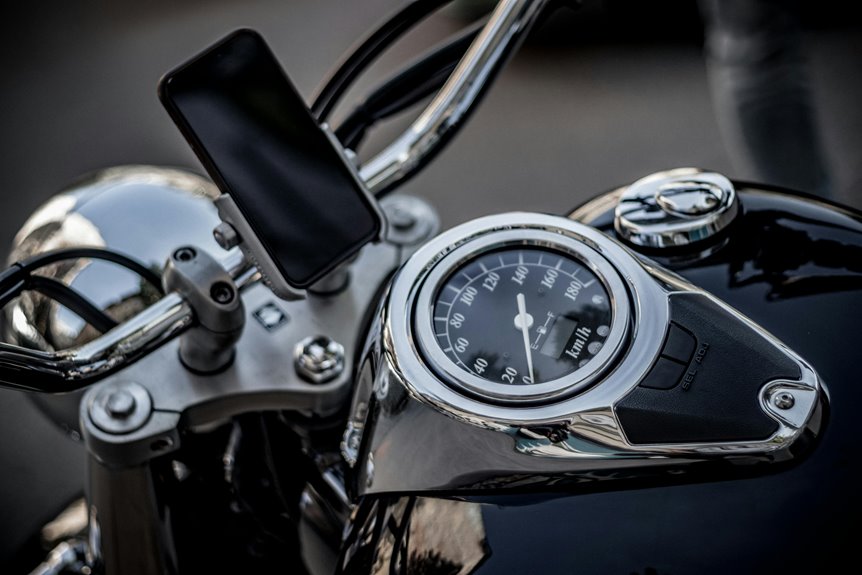

A bike speedometer showing 0.0 usually means the sensor, display, or wheel settings need a quick reset. Wake the screen, pair the right sensor through Bluetooth or ANT+, and check for a steady signal. Then place the magnet and sensor correctly, set the wheel size, and pick the live stats you want. A few small setup fixes can get real-time speed data working again.
How Smart Speedometer Sync Works
At the point that you set up a smart bike speedometer, the sync process starts with the device waking up, finding your sensor, and matching the right riding data to your display.
You usually feel the wireless syncing basics in a few quick steps, and that’s normal. Your speedometer listens for the sensor signal, then confirms the link with a light or icon.
After that, the calibration signal flow helps the unit turn wheel movement into clean speed and distance numbers. You don’t need to chase perfect tech skills here.
Just let the device pair, then ride a short stretch so it can settle in. As the connection steadies, your screen starts to feel like part of your bike, not a separate gadget.
Check Compatibility Before You Pair
Before you pair your bike speedometer, check which standards it uses, like Bluetooth or ANT+, so you don’t waste time on a mismatch.
You should also make sure your sensor and app work together, because some models need a specific setup code or a brand-specific app.
Once you match the right device pairing standard with the right app, the whole sync process feels much smoother.
Device Pairing Standards
Your bike computer and sensors need to speak the same language, or the setup can feel oddly stubborn, like two people at a coffee shop pointing at the same menu and still not agreeing.
You want pairing protocols that match, because Bluetooth, ANT+, and other wireless standards don’t always play nicely together. When your gear shares one standard, you get a smoother handshake, quicker connection, and fewer reset moments that test your patience.
So check the labels on both devices before you pair them. If one unit expects ANT+ and the other only sends Bluetooth, they’ll just stare back at you.
With the right match, you join the same cycling crowd, and your speed data starts showing up without the drama.
Sensor App Compatibility
How do you know the sensor app will actually work with your bike computer? You check app compatibility before you pair, and that saves you from setup stress later.
Open the app store page, then match your device model, operating system, and sensor type. If the app supports Bluetooth or ANT+, you’re already closer to a smooth ride.
Next, read the pairing notes, because some brands need mobile pairing through the app first, while others connect on the computer itself. Then test for live speed, cadence, or heart rate after setup.
If the app looks current and the reviews mention your bike computer, you’re in good company. A quick check now helps you ride sooner, with fewer glitches and more confidence.
Pair Your Sensors and Display
Once the bike speedometer powers on, pairing your sensors and display should feel like a smooth handshake, not a puzzle. You belong in this setup, and the steps stay simple.
First, check sensor placement so the magnet and pickup line up cleanly. Then keep the display activation steady by holding the needed buttons until the screen wakes up.
- Bring the sensor close and wait for the link light.
- Confirm the display shows the sensor name.
- If it stalls, recheck battery fit and spacing.
- Save the pair and give the crank a quick spin.
That quick motion tells both parts to trust each other, and you’ll feel ready for every ride.
Set Up Real-Time Ride Metrics
Right away, set your ride metrics so the screen gives you useful feedback from the initial pedal stroke. Start with the basic display setup, then pick the numbers that matter most to you, like current speed, average speed, max speed, trip time, and distance.
Use quick install tips to keep the menu flow simple, so you’re not stuck tapping buttons like a confused squirrel. Next, choose how often the screen rotates through each metric, and keep auto-pause on unless you want cleaner ride time.
Whenever your unit offers it, set the clock to return after a few idle minutes. That way, your display stays calm, clear, and ready when you are.
Whenever everything feels familiar, you’ll ride with more confidence and feel part of the same steady crew.
Connect GPS, Cadence, and Heart Rate
Should you want your bike computer to feel truly useful, connect your GPS, cadence sensor, and heart rate monitor as one simple system. Once you match sensor placement carefully, each signal feels clean and steady.
- Turn on each sensor near the computer so pairing starts fast.
- Check that GPS locks before you roll, since route planning gets smarter with a clear signal.
- Keep cadence sensors snug on the crank, not loose or crooked.
- Wear the heart rate strap close to your skin for steady readings.
You’ll feel more in sync with your ride group because the data flows together without fuss. Then your computer can show effort, rhythm, and position in a way that feels like your own cycling crew is right there with you.
Customize Your Ride Screen
A well-built ride screen can turn your bike computer into a tool that feels made for you, not just installed on your bars.
As soon as you tune the ride screen layout, you choose what matters most, like speed, distance, or heart rate, so your eyes stay calm and your mind stays on the road. You can place the biggest numbers where you glance initially, then tuck extra stats below.
Next, use data field colors to spot changes fast. A bright color can flag effort, while a softer one keeps the screen easy to read. You can also match the display to your riding style, whether you chase pace, train using power, or just want a friendly setup that feels like your own lane.
Fix Common Sync Problems
As your bike speedometer won’t sync, start with checking the sensor pairing initially, since a loose connection can stop the whole system cold.
Provided that that doesn’t fix it, reset the device connections and pair them again so both sides can start fresh.
Then update the sync firmware, because an old version can act like it forgot how to talk to your ride.
Check Sensor Pairing
Why does your speedometer still refuse to sync after setup? You’re not alone, and the fix often starts with sensor detection. First, check that the sensor sits close to the spoke magnet. Then watch the display for pairing confirmation. When the unit never reacts, your bike computer can’t join the ride yet.
- Wake the sensor and look for a steady light.
- Spin the wheel and see whether speed appears.
- Keep other devices nearby but not crowded.
- Recheck the code or auto-pair mode on the screen.
When the sensor pairs, your metrics feel instant and smooth. You’ll see speed, distance, and time without that awkward waiting game. That small click of connection can make your whole setup feel like it finally belongs to you.
Reset Device Connections
If your bike speedometer still acts stubborn after pairing, resetting the device connections can clear out the little glitches that get in the way. You don’t need to start over with a new setup, and that’s a relief.
Firstly, open the menu and look for the factory reset process or a device reset option. Next, clear connection memory clearing so the unit forgets old sensors and mixed signals.
Then, power off the speedometer, remove the sensor battery for a moment, and turn everything back on. After that, pair your sensor again with steady button presses and watch for the display light.
Finally, test it on a short ride. A clean reset often helps your gear feel like it belongs together again.
Update Sync Firmware
Keeping your bike speedometer in sync starts with firmware updates, because outdated software can cause strange pairing drops, frozen screens, and missing speed data. Whenever you grab the latest firmware update, you protect your ride group from annoying glitches and keep everyone rolling with confidence.
- Check the app or manufacturer site for sync optimization notes.
- Charge your speedometer before you start.
- Install the update with Bluetooth on and other sensors nearby.
- Restart the device, then test a short ride with your crew.
If syncing still feels off, remove old pairings and run the update again. You’ll often see cleaner speed readouts, faster sensor handshakes, and steadier uploads to your training apps. That small refresh can make your setup feel solid, like it finally gets your pace.
Improve Battery Life and Accuracy
How do you get more miles from your bike computer without losing accuracy? You start with battery optimization. Turn down screen brightness, shorten backlight time, and let the display sleep when you stop.
Also, keep the sensor clean and tight, because loose mounts can throw off readings fast. Next, check display calibration after tire changes, a new wheel, or a reset. Use the right wheel circumference, then test your setup on a familiar route.
Whenever the numbers feel off, adjust one step at a time. You’ll stay in control, and your ride group will trust your stats too. Small habits matter here, and they keep your meter calm, sharp, and ready for every mile you earn.
Use Live Metrics to Ride Smarter
Once your bike computer is calibrated and the battery is behaving, live metrics can help you ride with more confidence on every mile. You’re not guessing anymore, because your screen shows what your body and bike are doing right now. That steady feedback helps you stay with your group and avoid fading too soon.
- Watch live pacing takeaways to hold a pace that matches your goal.
- Use adaptive effort cues as hills, wind, or heat change your rhythm.
- Check speed, cadence, and heart rate together so you can adjust before you blow up.
- Glance at distance and time to decide at what point to push, settle in, or recover.
With each ride, you’ll feel more in sync, and that makes solo miles feel a lot less lonely.
Frequently Asked Questions
Which Wheel Circumference Should I Use for Mixed Tire Sizes?
Use the wheel circumference for the tire size you ride most often, then recalibrate when you switch tires. For mixed tire sizes, look up the wheel circumference and use the value closest to your usual setup.
Can One Speed Sensor Pair With Multiple Bike Computers?
Yes, if the speed sensor supports pairing with more than one device, you can connect it to several bike computers. Each compatible computer can read the data from the same sensor.
How Do I Reset a Stuck Pairing Mode?
Power off the device, remove the battery, and perform a device reset. Let the pairing mode time out, then restart the device and try pairing again.
Does Auto-Pause Affect Total Trip Distance Readings?
Yes. Auto-pause usually does not change total trip distance because it stops timing, not wheel based distance. About 80% of riders notice cleaner logs, which helps keep distance calculations accurate and pause behavior smoother.
Can Phone Notifications Appear While Navigating Turn-By-Turn Routes?
Yes, you can allow phone notifications to appear during turn by turn rides, and you will still see turn alerts and route updates. You can stay connected, keep track of incoming messages, and follow your route with confidence.