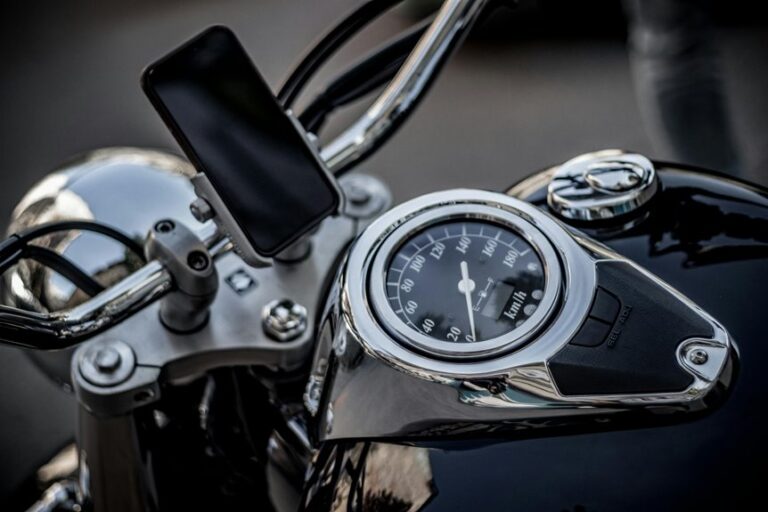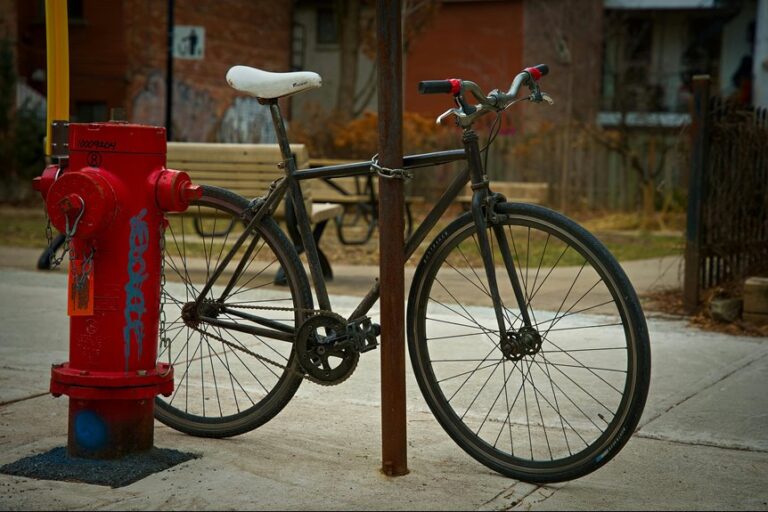
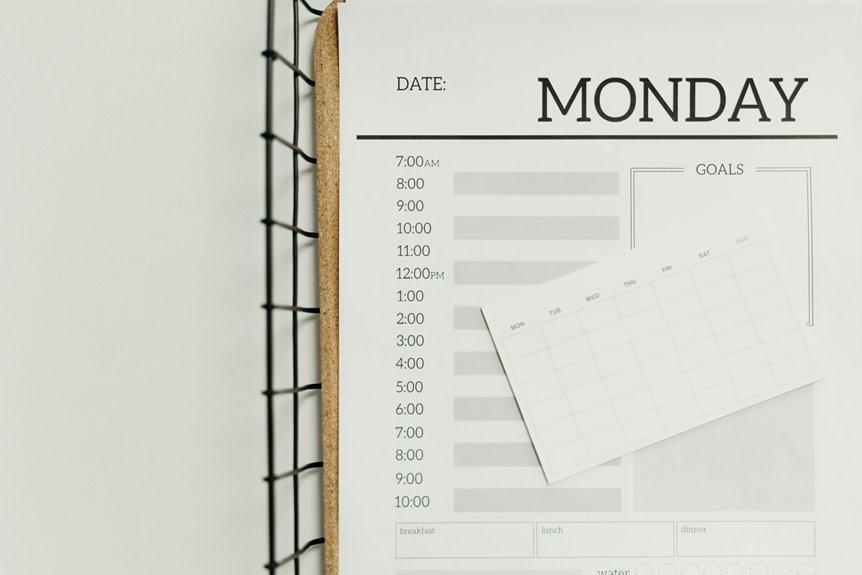

A smart bike maintenance schedule keeps your ride smooth, safe, and ready to go. Start with quick pre-ride checks for tires, brakes, and chain. Add weekly cleaning and lubrication to keep parts working well. Finish with monthly inspections and mileage-based service to catch wear early.
What to Include in a Bike Maintenance Schedule
A smart bike maintenance schedule should cover the parts that affect safety, performance, and battery life every day, week, month, and season. You can start with quick daily checks: battery health, tire pressure, brake response, and the charging port.
Then, each week, clean the bike, lubricate the chain, and top off the charge. Each month, look at cable wear, shifting, and drivetrain dirt so small problems don’t grow.
For seasonal care, add storage habits that keep the battery dry, cool, and partly charged during periods you’re not riding much. This simple rhythm helps you feel ready every time you roll out, and it keeps your bike working like a trusted teammate, not a drama queen.
Plan Bike Maintenance by Mileage
As your bike mileage starts climbing, your maintenance plan should shift from calendar-based checkups to use-based care, because hard rides wear parts faster than quiet weekend spins. You’ll stay ahead whenever you track mileage milestones and match service intervals to real use, not guesswork. That way, you and your bike keep moving as a solid team.
- At 500 miles, inspect the drivetrain for wear.
- At 1,000 miles, schedule a full service interval.
- After rough climbs, check shifting accuracy.
- Whenever you ride daily, shorten your service intervals.
- Log each ride so mileage milestones feel clear.
Whenever you build this habit, you join riders who keep bikes smooth, safe, and ready for more miles. Small timing choices now can save you from bigger repairs later.
Do a Quick Pre-Ride Check
Before you roll out, take 2 minutes for a quick pre-ride check so you can catch small problems before they turn into a bad ride. You belong on the road with confidence, and this tiny habit helps. Look at your battery gauge initially, then glance at the charging port for dirt or moisture. Make sure the battery sits snug in case yours pops out. Squeeze the brakes and feel for firm stopping power. Check tire pressure and tread so you don’t get a surprise squeal.
| Check item | Why it matters |
|---|---|
| Battery gauge | Keeps you from getting stranded |
| Charging port | Protects your bike’s power system |
| Battery fit | Stops annoying shutdowns |
| Brakes | Keeps you safe |
| Tires | Helps you ride steady |
This quick scan takes less time than finding your gloves.
Clean and Lube the Drivetrain
You keep your drivetrain smooth when you clean the chain and cogs after rides that leave grit behind.
Then you choose a lubricant that matches your riding conditions, because the right one helps parts move quietly and resist wear.
If you stay on a steady lube schedule, you’ll protect shifting, cut down on noise, and make every ride feel easier.
Cleaning Chain And Cogs
A clean drivetrain makes every ride feel smoother, quieter, and far less annoying, so it helps to give your chain and cogs regular care. You’ll fit right in with riders who keep things tidy. Use simple chain cleaning techniques with a brush and degreaser, then wipe the chain until it shines. For cog grime removal, turn the pedals backward and clear each tooth, one at a time.
- Shift to the smallest cog initially.
- Spray cleaner lightly, not wildly.
- Scrub between the gears.
- Rinse off loose dirt.
- Dry everything before you ride.
After cleaning, check for trapped muck near the derailleur. A clean drivetrain also makes weekly bike care feel easy, because you spot wear sooner and keep your ride ready for the next outing.
Choosing Proper Lubricant
Choosing the right lubricant matters more than many riders realize, because the wrong one can make a clean drivetrain feel sticky, noisy, or hard to shift. You want a lube that matches your ride, so check lubricant viscosity before you buy. Thin lube works well for dry roads and keeps your chain moving easily. Thicker lube clings better when rain, mud, or grit shows up.
Also, make sure the label matches your weather compatibility, since a product for wet days can hold up better in sloppy conditions. If you ride with friends, ask what works for their local trails or streets. That small tip can save you guesswork and help you feel part of the crew. When you choose well, your drivetrain stays smoother, quieter, and ready for the next ride.
Lube Timing And Frequency
At what time should you clean and lube the drivetrain? You should do it after wet rides, dusty rides, or any time the chain looks dry and noisy. Your bike feels smoother when you follow steady lubrication intervals, so aim for weekly care if you ride often. First, clean off grit, then dry the chain well, and add a thin coat of lube. Wipe the extra away so it won’t attract dirt.
- Check the chain after every ride.
- Lube sooner in rain or mud.
- Clean before you add fresh lube.
- Match lube timing to ride habits.
- Keep battery care simple by charging after maintenance.
This routine helps you shift better, protects parts, and keeps you ready to ride with your crew.
Inspect Tires, Wheels, and Brakes
Because your bike depends on these parts for safety and comfort, start with giving the tires, wheels, and brakes a close look before every ride. Check tire pressure basics initially, since soft tires can feel sluggish and pinch on rough roads.
Next, scan the tread for cuts, glass, or bald spots so you can catch trouble soon. Then do wheel trueness checks via spinning each wheel and watching for side to side wobble.
In case it looks smooth, you’re set for a steadier ride. After that, squeeze each brake lever and roll the bike a bit to feel clean, strong stopping power.
As soon as everything looks and feels right, you can head out with more confidence, being aware your bike is ready to carry you safely and comfortably today.
Check Bolts, Cables, and Bearings
After you’ve checked the tires, wheels, and brakes, turn your attention to the parts that hold everything together and keep the bike running smoothly. You belong on a bike that feels solid, quiet, and safe, so give bolts, cables, and bearings a careful look.
Use a torque inspection on key bolts to make sure nothing has loosened from rides and bumps. Then, check cables for fraying, rust, or stiff movement, since smooth pulls help you feel in control. Finally, test for bearing play at the wheels and headset. A tiny wobble can hint at wear before it grows.
- Tighten only to the listed torque
- Look for cracked cable housing
- Spin wheels and feel for roughness
- Wiggle parts gently to spot play
- Replace damaged pieces before they spread
Follow a Weekly Bike Maintenance Routine
Each week, you can give your bike a quick safety check so small problems don’t turn into bigger repairs.
Wipe away dirt, wash off grime, and look closely at the brakes, tires, and shifting before your next ride.
This simple routine helps your bike feel smoother, safer, and ready whenever you are.
Weekly Safety Checks
- Check battery safety by confirming the charge stays above 20%.
- Do a charging port inspection for dust, debris, or moisture.
- Make sure the battery sits firmly in place on removable models.
- Squeeze the brakes and feel for strong, even stopping power.
- Look at tire pressure and tread so your bike stays steady.
When you handle these basics each week, you catch small problems before they grow. That means fewer surprises and more smooth rides with your crew.
If something feels off, fix it right away so your bike stays dependable and you stay ready for the next trip.
Quick Cleaning Routine
A quick weekly cleaning routine can keep your bike looking sharp and running smoothly, and it doesn’t need to take all afternoon. Start with surface wipe basics: use a soft, damp cloth to lift dust from the frame, bars, and fork.
Then give the chainrings, brake calipers, and wheels a fast once-over, so grime doesn’t settle in. For quick frame dusting, work top to bottom, because dirt falls as you clean.
Next, wipe the chain guard and pedals, and check for sticky spots that need a second pass. After that, dry every part well, since trapped moisture invites rust.
Once you finish, your bike feels cared for, and you do too. That small routine helps you stay ready for the next ride with less fuss.
Plan Monthly Bike Maintenance Tasks
Whenever you plan your monthly bike maintenance tasks, you give your bike the care it needs before small issues turn into costly repairs. You stay ahead, and your rides stay smooth.
Start with a chain inspection to spot stretch, grime, or stiff links. Then check gear indexing so shifts land cleanly, not with that annoying clunk that tests your patience.
- Clean and dry the drivetrain
- Measure chain wear with a checker
- Inspect cassette teeth and pulleys
- Adjust derailleur alignment
- Check cables and housing for damage
These steps help you feel ready every time you roll out. Whenever your bike shifts well and runs quietly, you join the riders who trust their gear and enjoy the road with confidence.
Schedule Seasonal Bike Tune-Ups
After you’ve kept up with monthly upkeep, seasonal tune-ups help you catch the bigger wear that builds over time, especially as weather and mileage start to test your bike.
You should book one before winter and again once spring returns, so your ride feels ready when you are. During each weather change check, inspect brakes, tires, cables, and the drivetrain for changes you mightn’t notice on weekly rides.
If you store your bike for months, add seasonal storage prep by cleaning it, topping off the battery, and protecting exposed parts from damp air.
You can also ask a shop to true wheels and check bolts, which helps your bike stay quiet, smooth, and part of the crew all year.
Know When to Replace Bike Parts
You can catch chain wear at an early stage through watching for stiff links, skipping gears, and a chain that looks stretched or noisy.
You should also replace brake pads once they get thin, feel weak, or start making squealing sounds, because safe stopping matters every ride.
As these parts wear out, your bike won’t just feel off, it can ask for attention in the loudest way possible.
Chain Wear Signs
Even though your bike still rolls fine, chain wear can sneak up on you and quietly hurt every ride. You belong on a bike that shifts smoothly, so watch for these chain wear indicators and chain elongation symptoms before trouble spreads.
- Skipping under pressure
- Stiff links that resist flexing
- Gritty noise after cleaning
- Shiny, stretched-looking side plates
- Poor shifting on familiar routes
When you see one sign, don’t wait for a rough day to remind you. Measure chain stretch with a checker, then compare it to your service notes.
Should the numbers climb, replace the chain soon so your cassette and chainrings stay happy too. A fresh chain keeps your ride calm, confident, and ready for the next mile with your crew.
Brake Pad Replacement
Brake pads don’t usually fail all at once, so it helps to catch the warning signs before your stops feel soft or shaky. You belong on a bike that feels confident every ride, and fresh pads help keep that feeling. Check your pad wear indicator often, and compare it with the maker’s limit. Should you ride a disc bike, measure disc brake thickness too, because worn parts can change braking feel.
| Sign | What you do |
|---|---|
| Squeal or grind | Inspect pads now |
| Soft lever pull | Test braking again |
| Thin lining | Replace the pads |
| Uneven wear | Check alignment |
Should rain, hills, or city stops wear pads faster, swap them sooner. Then your bike stays safe, smooth, and ready for the next ride.
Frequently Asked Questions
How Often Should I Update Electric Bike Firmware?
Check your e-bike firmware every three months, and install urgent manufacturer fixes as soon as they are released. Use update alerts and compatibility checks to keep the bike running reliably and safely.
When Should Battery Health Be Professionally Tested?
You should have your battery tested and diagnosed by a professional every six months, and sooner if you notice shorter range, excess heat, or charging problems. That helps keep your bike performing reliably.
What Torque Specs Should I Use for Critical Bolts?
Use the manufacturer’s torque values and a torque wrench basics guide for critical bolts. Follow the correct bolt tightening sequence to keep your bike safe, precise, and ready for the group.
How Do I Check Motor Diagnostics Before Service?
Check the display for fault codes, review the controller log, and note any motor warnings. This helps you identify issues early and provide clear details to your service technician before maintenance begins.
When Is a Full Brake Fluid Replacement Needed?
A full brake fluid replacement is needed at quarterly service, roughly every 3 to 4 months or 1,000 miles, and sooner if the brake lever feels spongy, weak, or inconsistent, or if the brake fluid shows signs of contamination.