
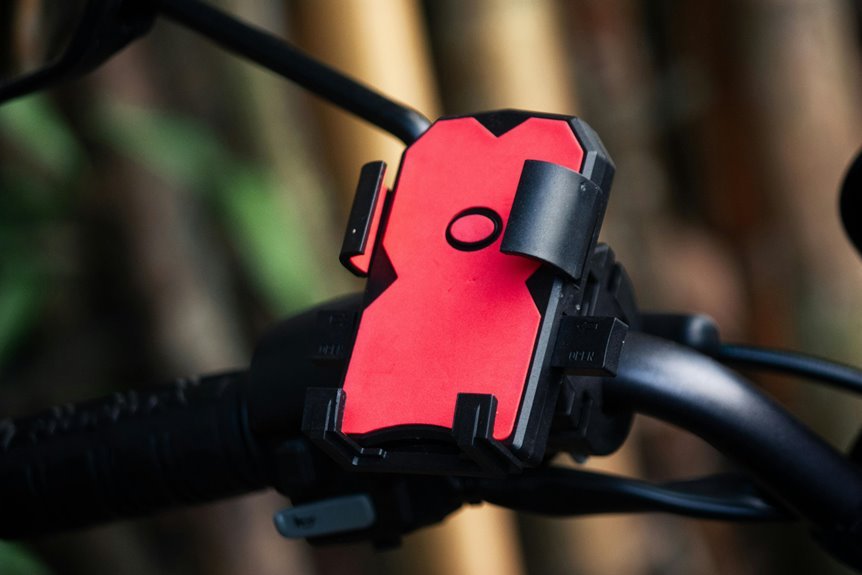

A stable bike phone mount comes down to smart design, not luck. The best ones grip your bars tightly, lock your phone in place, and cut down on vibration. Small details like rubber pads, thread security, and clamp shape make a big difference on rough rides. This article looks at 10 design features that help keep your phone steady, secure, and easy to trust on the road.
What Makes a Bike Phone Mount Stable?
As you ride over cracks, bumps, or rough gravel, a stable bike phone mount does one main job: it keeps your phone from shifting, bouncing, or twisting out of place. You want that calm, locked-in feel every rider trusts. Stability starts with a firm connection to the bike and a secure grip on your phone. Tight hardware matters, but so does vibration control, because repeated chatter can loosen weak systems fast.
Equally vital, magnet alignment affects how evenly force spreads across the phone during movement. Good alignment helps the phone settle instead of wobble.
Next, cockpit ergonomics matter because a well-placed mount keeps weight centered and reduces awkward mechanical advantage. As your setup feels natural, you’re more confident, more comfortable, and more connected to the ride and the riders around you.
Which Bike Phone Mount Design Is Most Stable?
Should you want the most stable bike phone mount, start by looking at clamp grip strength and how firmly it locks your phone in place.
You’ll usually get the best security from clamp-based and solid screw-mounted designs, because they resist hard bumps, braking, and rough trails better than magnetic options.
Just as significant, you need a mount with strong vibration resistance, so your phone stays steady and readable when the road gets choppy.
Clamp Grip Strength
Although many mounts claim a secure hold, clamp-based designs usually give you the strongest grip because they create a firm mechanical connection around your phone instead of relying on magnet strength alone. That matters whenever you want to ride with confidence and feel like your setup truly has your back.
- A spring clamp snaps shut fast and fits many phone sizes.
- Strong jaw tension keeps the phone pressed in place during hard braking.
- Wider contact points spread pressure evenly, so your phone feels locked in, not pinched.
Because the clamp physically surrounds your device, you get a more dependable hold than a simple magnetic connection. You also join a group of riders who value security over guesswork.
Whenever you want a mount that feels trustworthy from the start, clamp grip strength stands out clearly.
Vibration Resistance Design
A strong grip matters, but true stability comes from how a mount handles constant road buzz, sharp hits, and repeated chatter through the bars.
You feel the difference if a design adds impact isolation and resonance control, not just tighter clamping force.
If you ride gravel, trails, or broken city streets, clamp-based and screw-mounted systems usually keep you in the confidence zone.
Their mechanical hold resists bounce, and semi-permanent out-front or stem setups move less because they anchor closer to the bike.
That steadier base helps your phone stay readable and protected.
Magnetic systems feel wonderfully easy and welcoming on smoother roads, but repeated vibration can weaken trust on rough ground.
Handlebar strap designs fit almost everyone, yet they often pass more buzz into the phone.
If stability matters most, damping and secure mounting win together.
What Are the Weak Points of Clamp Mounts?
While clamp mounts hold a phone far more securely than magnetic systems on rough roads, they do have a few weak points that matter once you start riding every day.
You’ll notice them most whenever you want speed, ease, and a setup that feels natural with your routine.
- Slower access: You usually need both hands and careful alignment, so quick checks feel less smooth as your group rolls out.
- Installation wear: Repeated tightening can mark bars or loosen parts over time, especially whenever you swap bikes often.
- Case compatibility: Thick cases, buttons, or curved edges can interfere with the jaws, which means your phone can fit awkwardly.
That said, you’re not alone whenever you still prefer the extra security. Many riders accept these trade-offs because staying connected and confident matters.
Do Silicone Bike Phone Mounts Handle Rough Roads?
Should you ride over rough roads, you’ll notice that silicone mounts can keep a decent grip at initially, but they often bounce or shift as the hits keep coming.
That matters because silicone stretch has limits, and repeated jolts can let your phone move more than you’d like.
Grip On Bumpy Terrain
Even though silicone bike phone mounts feel snug at initially, rough roads can expose their weak point fast. Whenever you ride broken pavement or washboard gravel, the soft bands can shift, twist, and bounce more than you’d expect. You want a setup that feels part of your ride group, not the weak link everyone worries about.
- On small chatter, silicone offers some impact isolation, so your phone doesn’t buzz as harshly.
- On repeated hits, limited terrain compliance lets the mount wiggle against the bar instead of staying planted.
- In sharp jolts, that movement can change your screen angle, making quick checks harder whenever you need confidence most.
Limits Of Silicone Stretch
Because silicone stretches to fit many phone sizes, it feels secure at start, but rough roads quickly show where that flexibility runs out. When your ride gets choppy, the band keeps flexing, and that constant pull can let your phone shift little by little. You mightn’t notice it at start, but those small movements add up fast.
That matters because silicone fatigue builds with every bump, twist, and weather change. Over time, stretch degradation reduces tension, so the corners don’t snap back as tightly as they once did.
Should you ride smooth streets with occasional cracks, you’ll likely feel fine. But should you’re part of the gravel, trail, or pothole crowd, silicone mounts can leave you uneasy. In that group, clamp-based or semi-permanent designs usually give you steadier trust on rough miles.
How Do Locking Bike Phone Mounts Reduce Movement?
While a basic mount might hold your phone in place, a locking bike phone mount cuts movement through adding a firm mechanical connection that resists bounce, twist, and slip. That matters whenever you want your setup to feel trusted, not shaky. Instead of relying on stretch alone, the lock engages the phone with tighter control, so trail chatter and potholes create less wiggle. As a rider, you feel more connected to your bike and gear.
- A positive lock limits side-to-side play.
- A snug interface reduces tiny vibrations before they build.
- keyed latch security helps your phone stay seated over harsh bumps.
You also get better consistency ride after ride, though you should still check for locking mechanism wear. Whenever parts stay aligned, your screen stays easier to read, and your whole cockpit feels more settled.
Why Is a Four-Point Grip More Stable?
A four-point grip feels more stable because it spreads holding force across four contact areas instead of pinching your phone at only two sides. That wider hold helps your phone stay centered when the bike shakes, turns, or hits sharp bumps. You get better contact geometry, so the mount resists twisting and side-to-side wobble.
Just as crucial, load distribution improves when each corner shares part of the job. Instead of asking two clamps to do all the work, four grip points balance pressure around your phone. That means you feel more confident on rough roads, and you don’t have to question whether your device will shift when the ride gets lively.
Should you want a setup that feels secure and dependable, a four-point grip helps you feel part of the well-prepared crowd.
How Do Rubber Contact Pads Prevent Slip?
Rubber contact pads help your phone stay put by creating more friction where the mount touches the device.
They also absorb small shocks and road buzz, so your phone is less likely to slide when the bike vibrates.
As a result, you get a steadier hold and a little more peace of mind on rough rides.
Grip Through Friction
Because your phone mount has to fight constant shaking, rubber contact pads create grip through pressing into the phone or case and increasing friction at every touch point. That slight squeeze helps your device stay part of the ride, not a loose extra. A textured friction surface and soft grip material work together, so your phone resists sliding whenever the road gets choppy and turns get sharp.
- The pad compresses a little, so it meets tiny bumps in your case.
- That contact spreads pressure evenly, which boosts hold without harsh clamping.
- The rubber surface adds traction, so your phone feels planted and secure.
You want a mount that feels trustworthy, and these pads help deliver that shared confidence. Everyone in your riding circle wants gear that simply stays put, every time.
Vibration Damping Benefits
That same soft pad that augments grip also calms the shake that tries to work your phone loose. While you ride, rubber contact pads create material isolation between your phone and the mount, so harsh buzz fades before it reaches your device. You feel more secure, especially on rough roads where constant chatter can slowly cause slip. Better shock absorption also protects corners, cameras, and mounting points.
| Feature | What it does | Why you care |
|---|---|---|
| Rubber pad | Adds grip | Phone stays planted |
| Material isolation | Separates vibration | Less slipping |
| Shock absorption | Softens hits | Less stress |
| Rough road control | Reduces chatter | More confidence |
| Secure contact | Limits movement | You ride relaxed |
That small cushion helps your setup feel steady, trusted, and ready for every ride with your group.
Which Bar Clamp Designs Resist Loosening?
Why do some bar clamp mounts stay tight ride after ride while others slowly twist out of place? The best designs spread force evenly and stop tiny movements before they grow. Whenever you want a mount that feels like part of your setup, look for hardware that locks itself as you ride.
- Two-bolt face clamps grip both sides of the bar, so pressure stays balanced.
- lock ring mechanisms add a second barrier, keeping the main joint from creeping loose.
- anti backoff threads resist vibration-driven unwinding, especially on rough roads and gravel.
Also, wide rubber shims help the clamp bite without needing too much torque. Rounded clamp bands hold better than narrow straps because they contact more bar surface. Whenever you ride with a community that loves long miles, these details keep you confident together.
Do Vibration Dampers Protect Your Phone Better?
A mount can stay tight on the bar and still pass harsh vibration straight into your phone, so dampers matter more than many riders expect. They don’t just soften big hits. They also reduce the small, nonstop buzzing that can stress cameras and internal parts over time.
That’s why vibration control feels like real phone protection, especially during rides that include rough pavement, gravel, or repeated chatter. A good damper adds impact buffering between the bike and your device, so your setup works with you, not against you.
You’ll notice the difference most on mounts with rigid connections, where direct force travels fastest. And whenever you ride with a group or commute daily, that extra layer of care helps you feel prepared, confident, and part of the riders who protect their gear without making a fuss about it.
Which Bike Phone Mount Fits Your Ride?
How do you know which bike phone mount fits your ride best? You match your roads, your bike setup, and your habits. When you ride smooth streets and want fast access, magnetic mounts feel easy and welcoming, though rough trails can test them. Clamp holders suit gravel and mountain riders who want firm security without a special case.
- Choose handlebar mounts for simple bike compatibility and budget-friendly commuting.
- Pick out-front mounts for road rides, better screen visibility, and clean mounting aesthetics.
- Try stem or top-cap mounts for a tidy cockpit and lasting stability on touring or rough routes.
Whenever you switch bikes often, quick-release systems help you stay flexible. Whenever you want a mount that feels like part of your bike family, semi-permanent options usually deliver more confidence every ride.
Frequently Asked Questions
Can Bike Phone Mounts Damage Handlebars or Stem Finishes?
Yes, bike phone mounts can mark handlebars or stem finishes if the clamp is tightened too much. Imagine finishing a gravel ride and spotting scuffs on your stem where the mount sat all day. You can reduce the risk by using protective film, keeping the contact area clean, checking that the clamp padding is in place, and tightening only to the recommended torque.
Are Bike Phone Mounts Legal to Use While Riding?
In most places, bike phone mounts are legal while riding if the phone is secured properly and does not distract you. Check your local traffic laws and keep screen interaction to a minimum so your attention stays on the road.
How Do Phone Mounts Affect Access to Charging Ports?
Some phone mounts leave the charging port open, while others press against the lower edge of the phone or case and make cable access awkward. Check how the clamp sits around the device so you can plug in a charger cleanly and keep the setup organized and powered during the ride.
Can a Bike Phone Mount Work With Thick Waterproof Cases?
Yes, a bike phone mount can work with thick waterproof cases if you pick a clamp style holder with enough width and make sure the case does not interfere with the waterproof seal. This gives you a secure fit and broad compatibility without forcing you to use a case made for one specific brand.
How Often Should Bike Phone Mounts Be Checked for Wear?
Inspect the mount once a week and after any rough ride, since rough terrain can speed up wear. Check for loose parts, cracks, and reduced grip so your phone stays secure.