

You need tires that match the ground under your wheels, not just the size on the sidewall. For daily neighborhood loops, packed dirt paths, trail laps, or a rear tire that digs in harder on climbs, the right tread and casing make a bigger difference than flashy claims.
This roundup focuses on folding and steel-bead options across common MTB sizes, with a clear look at who gets the most from each one. You’ll see where a lighter replacement makes sense, where a tougher rear-focused tire earns its keep, and where the small trade-offs show up in storage, mounting, and ride feel.
The Shortlist At A Glance
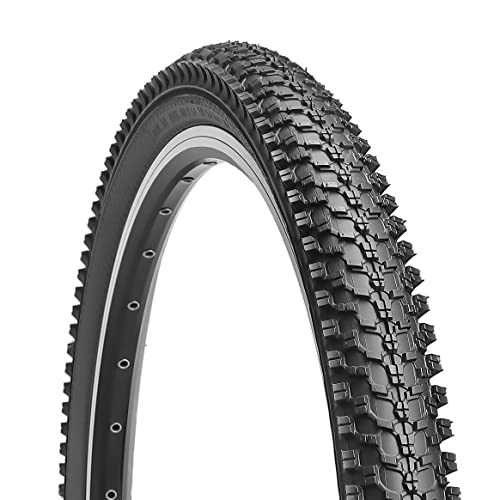
Hycline Mountain Bike Tire: 20/24/26/27.5-inch Folding Replacement
Hycline Mountain Bike Tire: 20/24/26/27.5-inch Folding Replacement

Mountain Bike Tires 20/24/26/27.5 Inch Folding MTB Replacement
Mountain Bike Tires 20/24/26/27.5 Inch Folding MTB Replacement

Maxxis Minion DHR II Dual Compound Mountain Bike Tire

Hycline Mountain Bike Tire: 20/24/26/27.5-inch Folding Replacement
More Details On Our Top Picks
Hycline’s folding format makes this one easy to stash before a ride swap, and that matters for home mechanics who keep a spare tire on hand. The listed 30 TPI, or threads per inch, points to a casing that sits in a familiar middle ground for ride feel and strength.
The 20×2.125 and 24×1.95 size listings make the fit story fairly clear, though you’ll still want to match your wheel and frame clearance carefully. Compared with MOHEGIA’s steel-bead options later in the list, this pick leans more toward convenience than stiffness.
Strong Points
- Folding construction is easier to store in a garage shelf or bike bag.
- 30 TPI casing gives you a sensible mix of flex and support for casual trail miles.
- Multiple size listings help you match common smaller MTB wheel setups.
- Good fit for riders who want a straightforward replacement without extra fuss.
Things To Consider
- Foldable construction can feel a bit less planted than a steel-bead tire.
- Size selection still needs attention, especially on compact frames.
- It suits general replacement use better than hard-charging, aggressive terrain work.
Feature Snapshot
Who It Suits Best
Weekend trail riders and home repair folks who want a folding replacement with common size coverage will get the most from it.
A Better Fit Elsewhere
Maxxis Minion DHR II suits you better when rear traction and sharper cornering matter more than simple replacement convenience.
This Hycline version tracks closely with Item 1, so the decision usually comes down to exact stock and the wheel size you need rather than a major design split. For a commuter who mixes sidewalk edges with light dirt paths, that familiar folding setup keeps replacement work simple.
The 20×2.125 and 24×1.95 listings again point to compact-bike fitment, which is handy for youth bikes or smaller frames that need a quick refresh. The trade-off is the same as before, folding convenience is useful, but it won’t give you the planted feel of a heavier bead design.
What We Like
- Folding construction keeps storage neat and transport-friendly.
- Common size labels make replacement planning easier.
- 30 TPI casing suits routine riding without feeling overly delicate.
- Works well for daily neighborhood miles and light trail duty.
Worth Noting
- Very similar to Item 1, so the choice is more about availability than feature spread.
- Smaller-size focus narrows its fit for larger mountain bikes.
- Like many folding tires, mounting technique matters for a clean install.
At A Glance
Built With In Mind
Riders on smaller wheel sizes and anyone replacing a worn tire on a compact mountain bike will appreciate the straightforward fit profile.
Another Choice May Suit
MOHEGIA’s steel-bead tire is the better call for you when a firmer feel and a sturdier road-to-trail setup matter more than folding storage.
MOHEGIA takes a sturdier path here with a steel bead, which usually means a firmer tire body and a more locked-in feel once mounted. For riders who split time between street edges, dirt paths, and trail connectors, that kind of build can feel reassuring.
The listed 20×2.125 and 26×2.125 sizes point to a narrower set of fit options than the Hycline picks, so the upside is strength, not broad coverage. You may find the trade-off worthwhile on bikes that see mixed use and occasional curb strikes.
Upsides
- Steel-bead construction adds a more planted, durable feel.
- Good fit for mixed riding across street, trail, and rough paths.
- Replacement format keeps the setup familiar for routine maintenance.
- The firmer bead can help the tire seat with a more secure profile.
Areas To Watch
- Steel-bead tires are less compact to store than folding options.
- Size coverage is narrower than the Hycline choices above.
- That firmer build can feel a touch less supple on smoother pavement.
Core Details
Right Fit For
Commuter-style mountain bikes and mixed-surface riders who want a tougher bead and simpler day-to-day durability will fit this well.
Where A Sibling Pick Shines
Hycline’s folding tire suits you better if storage space matters and you want a lighter-feeling replacement in the same general size range.
This MOHEGIA listing overlaps heavily with Item 3, so the real conversation is about availability and whether the same steel-bead character suits your bike. For riders who put in short trail laps and weekday pavement miles, that kind of simple, durable tire can keep things predictable.
The 20×2.125 and 26×2.125 size notes make it a narrower match than the Hycline options, but that narrower focus can be useful on bikes with clear wheel-size constraints. The honest read is that you’re paying attention to fit first, then choosing the more grounded feel of a steel bead.
Bright Spots
- Steel-bead build brings a steady, durable character.
- Useful for bikes that move between pavement and light off-road use.
- Clear size listing helps narrow the compatibility check.
- Good for routine replacement without a complicated setup path.
Minor Gripes
- Storage and packing are less convenient than folding tires.
- The fit list is narrower than the Hycline alternatives.
- Mounted feel may seem firmer than some casual riders want on smooth roads.
Details At A Glance
The Right Fit
Practical home mechanics and mixed-surface riders who want a steadier, less fussy replacement tire will get the most from it.
Look Elsewhere When
Hycline’s folding replacement is the better match for you when compact storage and easier packing matter more than a steel-bead feel.
Maxxis shifts the tone in a useful way, because this tire is built around rear-specific braking and cornering behavior rather than broad replacement convenience. For aggressive trail riders, that means the tread is doing a more focused job, especially when descents and loose turns start to stack up.
The Dual Compound tread uses two rubber hardness levels, which generally aims to balance rolling feel with grip where it matters most. EXO casing, meaning an added protective layer in the sidewall area, gives the tire a more serious trail-ready profile than the simpler Hycline and MOHEGIA options.
Reasons To Buy
- Rear-focused tread shape suits braking and cornering at the back wheel.
- Dual Compound design aims to balance traction and rolling resistance.
- EXO casing adds sidewall protection for rougher trail use.
- Tubeless-ready design gives you setup flexibility on compatible wheels.
- Good choice for riders who spend more time on demanding trails than on pavement.
Softer Spots
- It’s more specialized than the simpler replacement tires earlier in the list.
- Only the listed E25 non-tubeless versions appear in the source data here.
- That focused rear-wheel behavior may be more tire than casual riders need.
Spec Overview
Who Should Grab It
Trail riders who want a rear tire with more precise braking and cornering behavior will get the clearest payoff here.
Skip It When
Hycline’s folding replacement is the better match for you when you want a simpler, less specialized tire for everyday swaps and compact storage.
This Hycline listing mirrors Items 1 and 2 closely, so the appeal is still the folding format and broad size family rather than a brand-new feature set. For a bike that gets regular neighborhood use, that kind of straightforward replacement can feel like the sensible middle lane.
The same 30 TPI casing and the same 20×2.125 plus 24×1.95 size notes keep the fit story familiar, especially for smaller MTB wheels. Compared with the Maxxis option, this one is less specialized and far easier to slot into a general maintenance routine.
Best Bits
- Folding build helps with storage and spare-tire handling.
- 30 TPI casing keeps the construction easy to understand for routine replacement work.
- Common size labels work well for compact mountain bikes.
- Simple, familiar choice for riders who want a no-drama swap.
Room For Improvement
- Very close to the other Hycline entries, so the decision can hinge on stock and fit alone.
- Smaller wheel sizes are the main focus here.
- Serious trail riders may want the extra focus of the Maxxis tire instead.
Quick Facts
Whose Shelf It Belongs On
Home repair folks and casual trail riders who want a familiar folding replacement with compact-bike compatibility will be comfortable here.
Swap It Out When
Maxxis Minion DHR II is the better call for you when your rides lean hard into braking control, cornering grip, and a more specialized rear tire.
How To Choose The Right Mountain Bike Tires
Tread Should Match Your Ground
Start with the surface you ride most. Knobby, deeper-spaced tread helps on loose dirt and trail chatter, while a tighter pattern usually feels calmer on pavement and packed paths.
That choice matters more than it first seems, because tread shape changes how the tire rolls, brakes, and corners. A rear-focused design like Maxxis Minion DHR II makes more sense for aggressive trail use than a simple replacement tire built for everyday errands.
Bead Type Changes The Feel
Steel-bead tires usually feel firmer and take up more space, while folding tires are easier to store and carry. For a home mechanic with limited garage room, folding construction can be a genuine convenience.
The trade-off is simple: steel bead leans sturdy, folding leans flexible. Hycline’s folding models suit riders who want easier handling, while MOHEGIA’s steel-bead options fit better when you want a more planted mounting feel.
Size And Casing Need To Line Up
Wheel size has to match exactly, and tire width has to clear your frame and fork. A 20×2.125 tire and a 26×2.125 tire may sound close, but they serve different bikes and different clearances.
Casing matters too. TPI, or threads per inch, describes how densely the tire fabric is built, and that affects ride feel and durability more than many first-time shoppers expect.
Pick For Your Use, Not The Spec Sheet Alone
Daily commuters who mix sidewalk, curb edges, and light dirt usually do fine with a general replacement tire. Trail riders who charge corners or descend harder should look for stronger sidewalls, smarter tread placement, and a rear-specific design.
That’s why the Maxxis tire earns a different kind of place in this roundup. It serves a more exact role, while the Hycline and MOHEGIA options are easier all-purpose swaps.
What To Weigh Before You Choose
Mistakes Worth Dodging
Wheel size mistakes are the big one. A tire can look close on paper and still miss your rim entirely, so check the sidewall on your old tire before anything else.
Another common slip is buying for tread style without checking fit width. A grippier tread won’t help much if the casing sits too tight in the frame or rubs the fork.
The Upgrade Payoff
Higher-tier tires usually cost more because the casing, compound, and sidewall structure do more work. In mountain biking, that usually means better control on rough ground, a cleaner feel in turns, and more confidence when terrain gets choppy.
That upgrade makes sense for riders who spend real time on trails or who keep getting sidewall scuffs from rocks and roots. For casual path riding, a simpler replacement tire often covers the need without extra complexity.
