

Choosing the right 29-inch tire changes how your bike feels on everything from hardpack to wet pavement. Some options here suit aggressive trail days, while others make more sense for commuting, cross-country pace, or simple replacement duty.
You’ll see a mix of tread styles, casing types, and fit notes, so the real job is matching the tire to your terrain and riding style. The wrong tread can feel slow or vague, while the right one can make a familiar bike feel calmer and more predictable.
The Shortlist At A Glance

Fincci 29 x 2.25 Foldable Tyre 57-622

Maxxis Assegai Dual Compound EXO
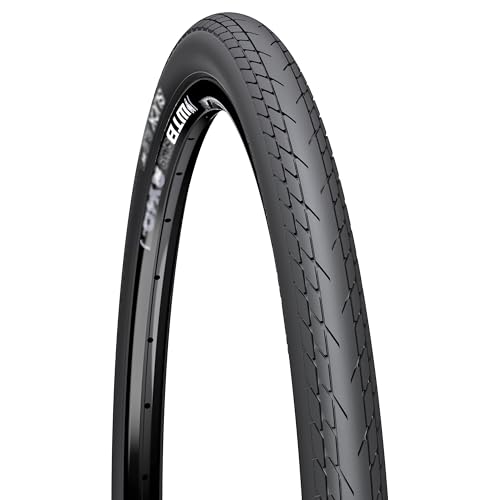
WTB Slick Hybrid Bike Tire 29 x 2.2

Maxxis Rekon Race Dual Compound EXO 29×2.25

Blackburn Mountian Bike Tires

Maxxis Rekon Race Dual Compound EXO 60 or 120 TPI
More Details On Our Top Picks
Fincci’s 29 x 2.25 size lands in a sensible middle ground, with enough volume for trail comfort without feeling bulky on mixed routes. The foldable build makes storage and transport easier than a wire-bead tire, and the 1mm anti-puncture layer adds a bit of peace of mind for city edges, gravel paths, and weekend loops.
For riders who want one tire that can handle mountain, enduro, and gravel use without getting fussy, that balance matters. The trade-off is simple, a do-everything tread rarely feels as lively as a specialized race tire, so speed-focused riders may want something narrower and lighter.
Strong Points
- Foldable construction is easier to stash or carry than a rigid bead.
- 29 x 2.25 size gives a steady, familiar feel on everyday trail bikes.
- 1mm puncture layer can help reduce roadside stop-and-fix moments.
- Works across mountain, gravel, and enduro-style riding without feeling overly niche.
Points To Note
- The tread is broad in use, so pure speed riders may want a racier pattern.
- A foldable tire can cost more than a basic rigid option.
- Installation still depends on rim fit and proper seating, so a careful setup helps.
Feature Rundown
Who Should Grab It
You’re a good match for this tire if you split time between neighborhood pavement, gravel shortcuts, and casual trail rides.
A Better Fit Elsewhere
Maxxis Assegai Dual Compound EXO suits riders who want a more aggressive trail bite on dry, hard-packed terrain.
The Assegai is the rowdiest tire in this set, and that’s exactly why it stands out for dry hard-packed trails. Greg Minnaar’s signature tread shape is built around predictable grip across the contact patch, so the tire feels more composed as lean angle increases.
EXO sidewall protection adds a useful layer for rocks and trail chatter, while the dual compound setup aims to balance wear and traction. You may find it more tire than you need for mellow commuting or paved use, but trail riders who like clear steering feedback usually appreciate that extra bite.
What We Like
- Strong cornering feel on dry, hard-packed ground.
- Dual compound aims to stretch wear without losing grip entirely.
- EXO sidewall protection suits rougher trail edges and sharper debris.
- Front or rear use gives you flexibility in setup.
- Tubeless-ready design helps lower pinch-flat concerns on compatible wheels.
Softer Spots
- The tread is more specialized, so road miles can feel slower.
- Knobby feel is less suited to smooth commuting than the WTB Slick.
- Riders who prefer light steering may find it a bit assertive.
Core Details
Built With In Mind
You’ll get the most from this tire on dry, technical trail rides where traction and steering confidence matter more than easy rolling.
Swap It Out When
WTB Slick Hybrid Bike Tire 29 x 2.2 fits commuters better, especially for riders who spend most of the week on pavement.
The WTB Slick takes a clear road-first approach, which is why it makes so much sense for daily commuting. Its smooth centerline aims for easy rolling, while the grooved outer tread adds cornering hold that feels reassuring on wet pavement and painted lines.
Compared with the knobbier Maxxis picks, this one is calmer and more efficient on hard surfaces. The honest read is that it belongs on bikes that see regular pavement, since the wire bead, inner-tube requirement, and hybrid focus all point toward practical city use.
Upsides
- Low-drag center tread supports easier commuting and fitness rides.
- Grooved shoulders help the tire feel steadier in turns.
- Comp casing and rubber sidewalls are built for regular use.
- DNA rubber compound aims for a useful balance of rolling and grip.
- Works well for year-round riders who stay mostly on pavement.
Areas To Watch
- Wire bead makes it less convenient to store than foldable options.
- It needs an inner tube, so tubeless-minded setups will need a different pick.
- Trail riding is not its strongest lane.
At A Glance
Perfect Match For
You’re the right fit for this tire if your bike spends most of its life on streets, paths, and mixed-weather commutes.
A Better Fit Elsewhere
Fincci 29 x 2.25 Foldable Tyre 57-622 suits mixed-surface riders who want a more flexible, go-anywhere feel.
The Rekon Race sits closer to speed than the Assegai, with a semi-slick low-profile tread that keeps rolling drag in check. That makes it a smarter choice for XC loops, fireroad laps, and riders who want pace without giving up all cornering feel.
EXO sidewall protection adds a useful buffer on sharper terrain, and the tubeless-ready design gives you another setup path on compatible wheels. Depending on how technical your local trails are, you may find it a touch light for loose or wet conditions, but on fast routes it feels nicely purposeful.
Bright Spots
- Low-profile tread helps the bike roll with less drag.
- EXO sidewall protection suits hard miles on rougher trails.
- Tubeless-ready setup works well for riders chasing lower-pressure grip.
- Fits both 29×2.25 and 29×2.40WT formats.
Room For Improvement
- Semi-slick tread gives up some bite in loose terrain.
- Not as planted as the Assegai for aggressive cornering.
- Riders on sloppy routes may want more open tread than this.
Quick Facts
The Right Fit
This suits XC riders and fast trail days where speed stays higher than the terrain’s drama level.
Where A Sibling Pick Shines
Maxxis Assegai Dual Compound EXO is the better call for riders who want more grip and a stronger front-tire feel.
Blackburn’s listed sizing points to a compact-bike role rather than a full-size 29er trail setup. That makes it useful for smaller wheel builds, especially kids’ bikes or compact models that need a tire in the 18-inch or 20-inch range.
The naming is sparse, so this is less about flashy trail identity and more about matching the correct wheel size. The trade-off is that you need to pay close attention to fit before anything else, because the listed compatibility is very different from the 29-inch tires above.
Best Bits
- Useful for smaller wheel formats rather than full-size trail bikes.
- Two sizing notes give you a clearer compatibility starting point.
- Can suit compact bikes that need a simple replacement path.
Small Caveats
- The listing does not spell out tread or casing details.
- It is not aimed at 29-inch mountain bike builds.
- You’ll want to verify wheel size before placing it in the cart.
Details At A Glance
Whose Shelf It Belongs On
This belongs with parents, mechanics, or compact-bike owners who need a tire in the smaller-wheel range.
Another Choice May Suit
Fincci 29 x 2.25 Foldable Tyre 57-622 is the relevant choice for standard 29-inch mountain bikes.
This Rekon Race variant keeps the same semi-slick XC character as the earlier Maxxis entry, but the 60 or 120 TPI options change the feel of the casing. TPI means threads per inch, a simple way to describe casing density, and that matters because it often shapes ride feel, weight, and suppleness.
For racers and fast-marathon riders, that extra choice makes the tire more adaptable than the simpler listing above. The catch is that the right casing depends on how much comfort and durability you want, so a more casual trail rider may not need this level of tuning.
Reasons To Buy
- 60 or 120 TPI options let you choose a more tailored casing feel.
- Semi-slick XC tread keeps the tire focused on speed.
- EXO protection adds useful sidewall reinforcement.
- Tubeless-ready design suits compatible modern wheelsets.
- Strong fit for fast laps, racing, and steady climbing.
Honest Caveats
- The more specialized XC tread is less versatile than broader trail options.
- You need to choose between casing options, so setup takes more thought.
- Loose or muddy ground can ask for more aggressive tread.
Feature Card
Who Will Love This
You’ll appreciate this most if speed on XC courses matters more than all-day versatility.
Look Elsewhere When
Fincci 29 x 2.25 Foldable Tyre 57-622 is the easier fit for mixed terrain and casual all-around use.
How To Choose The Right Mountain Bike Tires 29
Match Tread To Terrain
The first choice is tread pattern, because that decides how much grip, drag, and noise you live with every ride. A semi-slick design like the Maxxis Rekon Race rolls faster on hardpack and XC routes, while a more open tread like the Assegai gives you a firmer bite on rougher trail corners.
Road-heavy riders usually do better with smoother centerlines, like the WTB Slick’s commuter setup. Meanwhile, mixed-surface riders often land in the middle, where a tread can still handle gravel and short trail sections without feeling sluggish on pavement.
Don’t Ignore Bead, Casing, And Setup
Bead type matters more than it sounds. A foldable tire is easier to store and handle, while a wire bead tends to be more traditional and less convenient to pack away.
Casing and protection layers also change the feel of the ride. EXO sidewall protection adds a tougher outer shell for rocks and sharp trail edges, and tubeless-ready tires can reduce tube reliance on compatible wheels, which many riders appreciate on technical routes.
Size Matters More Than Brand Hype
29-inch sizing needs careful checking, especially around width and rim fit. A 29 x 2.25 tire usually suits a broad range of trail and XC bikes, while wider options like 2.50WT or 2.60WT lean toward modern aggressive setups with more footprint and support.
The trade-off is frame clearance and handling. Wider tires can feel planted, but they also need more room and can add drag, so your riding pace and your bike’s chassis should guide the choice together.
Choose For The Miles You Actually Ride
The best tire for a weekend trail bike is often not the best tire for a weekday commuter. A rider chasing dry singletrack can justify a grippier pattern, while someone logging city miles will usually appreciate smoother rolling and easier upkeep.
That’s where the real decision happens: not in the label, but in the route you repeat most often. A tire that suits your usual loop saves you from fighting your own setup every ride.
What To Weigh Before You Click
Hidden Buying Traps
A common mistake is focusing only on wheel size and skipping the rest of the fit details. Width, bead type, and whether the tire is tubeless ready all affect how the bike behaves once the wheel is mounted.
Another easy miss is buying a trail tire for commuting duty, or a commuter slick for rough singletrack. That mismatch usually shows up fast, either as wasted effort on pavement or as nervous handling on dirt.
The Upgrade Payoff
Higher-end mountain bike tires often cost more because the casing, sidewall protection, and tread shaping are more refined. You’re usually paying for better control, more careful construction, and a setup that feels more dialed on specific terrain.
That extra spend makes the most sense for riders who put in consistent miles on technical trails or fast XC routes. Casual riders often do just fine with a simpler tire, but frequent riders tend to notice the difference in ride feel and durability.
