
Mountain bike shin protection is one of those small choices that pays off fast on rooty trails, pedal slips, and awkward bike-carry moments. You want coverage that stays put, breathes enough for long climbs, and doesn’t turn every stop into a gear shuffle. The six picks below cover trail riding, mixed sports use, and a few crossover options that work well for people who want more lower-leg coverage without bulky hardware.
Quick Look At Our Shortlist
THEFITGUY Deadlift Shin Guards 5mm Neoprene

TAVIEW Weightlifting Deadlift Shin Guards 5mm Neoprene

Leg Gaiters with Hook and Loop Straps Soft Neoprene

G-Form Pro-S Compact Soccer Shin Guards

Knee Pad with Shin Guard Pads Protective Shin/Knee Sleeve Support

G-Form Pro-Rugged 2 MTB Knee Guards Black Adult Small
More Details On Our Top Picks
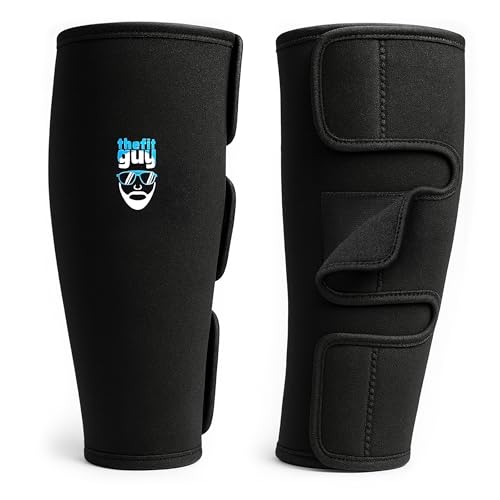
For trail riders who also lift, this pair makes sense because the 5mm neoprene gives you thicker lower-leg coverage without a fussy setup. You can pull it on quickly over skin, pants, or socks, and the no-shoe-removal design keeps transitions simple between the garage, gym floor, and back door.
The honest trade-off is that this leans more toward training protection than true bike-specific armor, so it suits mixed routines better than aggressive downhill days. Compared with the slimmer G-Form Pro-S Compact, the fit here sounds more straightforward and less minimalist, which helps when you want a simpler routine around changing gear.
Strong Points
- 5mm neoprene adds a denser barrier for repeated contact.
- Quick on-and-off design saves time between sets.
- Works over skin, pants, or socks, so layering stays flexible.
- Useful for deadlifts and functional training, not just one movement.
Points To Note
- The training-first shape may feel less trail-focused than MTB-specific guards.
- Bulk can be noticeable under very close-fitting cycling gear.
- Neoprene usually needs basic drying care after sweaty sessions.
Feature Snapshot
Who It Suits Best
You suit this best when your riding life overlaps with deadlifts, cleans, snatches, or general strength work and you want one lower-leg layer for both spaces.
A Better Fit Elsewhere
G-Form Pro-Rugged 2 MTB Knee Guards fits trail riders who want a more mountain-bike-centered guard with a compression feel and tighter cycling focus.
Compared with the first THEFITGUY option, this TAVIEW pair reads like the softer, more body-hugging route. The calf-support-brace idea and 5mm neoprene construction point toward steady wraparound comfort, which can feel welcome during longer training blocks or mixed indoor sessions.
Because it’s positioned for training pants and tights, you may find it more natural with fitted layers than with loose trail shorts. That makes it a sensible match for home gyms and indoor workouts, though very rugged bike use may still push you toward the more mountain-bike-specific G-Form choices later in the list.
What We Like
- 5mm neoprene gives a substantial feel without sounding bulky on paper.
- Calf-support-brace wording suggests a closer wrap around the lower leg.
- Fits well with training pants and tights for layered sessions.
- Good crossover choice for people splitting time between lifting and light protection needs.
Softer Spots
- The listing leans gym-first, so trail riders may want a more bike-centered shape.
- Close-fitting use could feel less relaxed with baggier shorts.
- Neoprene needs normal air-drying after repeated use.
Core Details
Built With In Mind
This suits you best for strength work, indoor training, and lighter lower-leg coverage where a snug feel matters more than trail armor.
Swap It Out When
Leg Gaiters with Hook and Loop Straps fits you better when you want a more casual outer-layer option for yard work, trail duty, or looser everyday wear.
This pair steps away from gym wording and lands closer to all-purpose lower-leg cover. Hook and loop straps, which are the familiar fastener strips that press together, make it easy to tune the fit for yard work, trail riding, or simple shin protection around brush and debris.
That broader use case is the point, and it’s also the trade-off. Compared with the G-Form Pro-S Compact, you give up the tighter sport-specific profile, but you gain a more relaxed option for riders who move between bikes, chores, and casual outdoor tasks.
Highlights
- Soft neoprene feels approachable for casual wear.
- Hook and loop straps make adjustment simple.
- Works for yard work and mountain biking, which broadens the value.
- Pair format helps cover both lower legs evenly.
Areas To Watch
- The relaxed design may not feel as locked-in as athletic-grade guards.
- Straps can take a little more attention during setup than a slip-on sleeve.
- Outdoor grime may mean more frequent wipe-downs after trail use.
Details At A Glance
The Right Fit
You suit this best when you want one lower-leg layer for trail days, backyard projects, and general outdoor protection.
Where A Sibling Pick Shines
THEFITGUY Deadlift Shin Guards 5mm Neoprene works better for riders who also want quicker transitions between lifting sessions and other training blocks.
The low-profile shape is what makes this G-Form option interesting for mountain bikers who hate bulky leg gear. Since it’s built as a compact shin guard, it suits fast movement, tight pedal strokes, and situations where you want protection without a lot of visual or physical bulk.
That said, the soccer-first identity matters, so you may prefer it for cross-training and smoother trail days more than for hard enduro use. Compared with the Leg Gaiters pair, it feels more athletic and less casual, while the G-Form Pro-Rugged 2 is the obvious step up for riders who want more trail-specific muscle.
Best Bits
- Compact shape keeps the leg profile tidy.
- Good choice for riders who dislike bulky pads.
- Made in the USA and imported, which signals mixed sourcing.
- Easy to pair with streamlined kit on faster rides.
Small Caveats
- Soccer-first design may leave trail riders wanting a more MTB-specific guard.
- Compact coverage usually means less presence than larger wraparound options.
- Very muddy rides can make any low-profile pad need more post-ride cleaning.
Technical Sheet
Whose Shelf It Belongs On
You suit this best when you want slim shin coverage for quick-moving rides or cross-sport use and hate extra bulk.
A Better Fit Elsewhere
G-Form Pro-Rugged 2 MTB Knee Guards fits riders who want a more mountain-bike-specific guard with a tougher trail stance.
This one goes beyond a plain shin guard by combining knee pad and shin guard pads in a sleeve format. For riders who also play court sports or hit mixed training sessions, that two-zone layout can reduce how many separate layers you need to keep track of.
The catch is that broader coverage often means a more specific fit equation, especially around the knee. Compared with the G-Form Pro-S Compact, this looks less stripped down and more all-in-one, which helps for cross-sport use but may feel like more pad than a pure trail rider wants.
Reasons To Buy
- Combines knee and shin coverage in one pair.
- Useful for several sports, not just mountain biking.
- Sleeve format can simplify gear management.
- Good option for people who want a fuller protective feel.
Room For Improvement
- Combined coverage may feel more involved than a plain shin-only guard.
- Fit around both knee and shin needs close attention.
- More coverage usually means more fabric to wash and dry after use.
Quick Facts
Built With In Mind
You suit this best when you want leg coverage that stretches beyond mountain biking into court sports and general training.
Look Elsewhere When
Leg Gaiters with Hook and Loop Straps is the cleaner fit for riders who want simpler lower-leg coverage and less emphasis on knee protection.
This is the most mountain-bike-focused option in the group, and the compression feel makes that clear right away. The double-knit compression fabric is designed to sit close without getting in the way, which matters on long climbs, technical descents, and rides where you stay in the saddle for hours.
Compared with the more general Leg Gaiters or the soccer-shaped G-Form Pro-S Compact, this one feels like the most natural trail upgrade. One thing worth considering, though, is fit size, since this listing is adult small, so it suits you best when the measurements line up with that compact fit.
Upsides
- Built around mountain biking rather than a general sports crossover.
- Double-knit compression fabric should feel snug and controlled.
- Close fit can help the guard stay settled during active movement.
- Works for men and women, which broadens the fit audience.
Things To Consider
- Adult small sizing narrows the fit window.
- Compression gear can feel close on warm rides, especially under heavier layers.
- MTB focus may matter less for casual off-bike use than the more general options above.
At A Glance
Perfect Match For
You suit this best when your priority is a trail-ready guard with a snug compression fit and you need adult small sizing.
Consider Something Else When
THEFITGUY Deadlift Shin Guards 5mm Neoprene is a better fit for mixed gym use and quicker gear changes between lifts and other training.
How To Choose The Right Mountain Bike Shin Guards
Fit First, Coverage Second
The right guard starts with shape and hold, not just padding thickness. Mountain bikers need lower-leg protection that stays put through pedaling, shoulder-carry moments, and quick dismounts, so a compact guard can be better than a bigger wrap if it avoids bunching.
Look at how the guard closes, how high it reaches, and what clothing it expects underneath. A slip-on compression style feels different from hook and loop straps, and that difference matters on fast trail rides more than a spec sheet might suggest.
Match The Ride, Not Just The Label
Some options in this roundup lean toward gym work, while others are shaped for contact sports or trail use. Trail riders usually benefit from guards that balance shin coverage with pedaling freedom, especially on technical terrain where extra bulk can catch your attention in the wrong way.
Broader-purpose gear can still work well for casual riding, but it usually asks for a compromise. You gain flexibility for errands, workouts, or yard tasks, then give up some trail-specific feel.
Material And Breathability Matter
Neoprene shows up often because it gives a cushioned, close-fitting feel. The trade-off is heat, so riders in humid climates or long summer climbs should pay attention to how much fabric wraps the leg and how much open space the design leaves around the calf.
Compression fabrics bring a different character. They can feel lighter and more athletic, which helps on longer rides, though some people will still want thicker padding for rocky descents or repeated pedal strikes.
Think About Maintenance And Durability
Lower-leg gear gets dirt, sweat, and trail dust fast, so easy cleanup is more valuable than it first sounds. Simple surfaces and fewer layers usually mean less fuss after a muddy ride, while more complex sleeve designs can take longer to dry.
Durability often comes down to stitching, strap quality, and how much the fabric has to stretch each time you pull it on. Riders who use guards several times a week tend to notice wear sooner in soft, high-flex zones than in the outer padding.
What To Weigh Before You Choose
Hidden Buying Traps
Shoppers often focus on padding and ignore fit shape. That leads to guards that slide, pinch, or feel fine standing still but awkward on the bike.
Another common miss is picking a training guard for trail riding without checking how it closes or how much it adds around the calf.
Where The Extra Money Goes
Higher-tier guards usually spend more on shaping, fabric structure, and a more refined fit. In this category, that can mean compression textiles, better articulation, and lower bulk around the pedal stroke.
The upgrade matters most for frequent riders who stay on the bike for long stretches or ride rougher terrain. Casual weekend loops rarely need the same level of refinement, so a simpler pair can be enough.
