

Night trail time gets easier when your light matches the ride, not just the bike. You need enough throw for rough singletrack, a beam shape that works on climbs and turns, and hardware that won’t turn into a nuisance after a muddy week. That matters for commuters too, since a dim rear unit or a shaky handlebar mount can make an ordinary ride feel less settled. The six picks below cover compact add-ons, full headlight-taillight sets, and a few stronger front lights for darker routes.
Quick Look At The Shortlist

Kunhe USB-C Rechargeable Bike Lights Front and Rear 2 or 4 or 10 or 20 Packs

Best Bright Bike Light for Night Riding USB-C Rechargeable Bicycle Light

17-LED 4800 Lumen Bike Lights USB-C Rechargeable Bicycle Light

Night Eyes 2400 Lumens Mountain Bike Headlight Bike Light
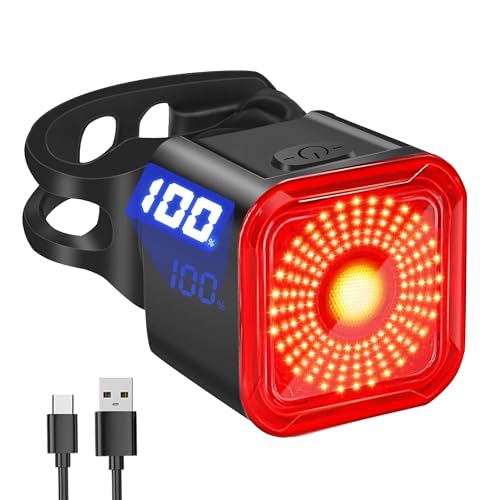
DARKBEAM Bike Tail Light with LED Display Screen USB-C Rechargeable

BrightRoad 850 Lumens Front Bike Light Rechargeable Bike Headlight
This set makes sense for casual riders who want something small enough to stash in a jacket pocket or saddle bag. The front and rear pairing is handy for neighborhood loops, school runs, and shared bikes, and the mini format keeps the setup low-fuss.
The trade-off is simple: compact gear usually asks you to accept less presence than a larger headlight like BrightRoad or Night Eyes. Still, for short dark stretches and daytime visibility on bikes, strollers, or wheelchairs, the Kunhe format covers a lot of ground without feeling bulky.
Strong Points
- Front and rear lights in one small package.
- USB-C charging keeps cable handling straightforward.
- Lightweight body suits pocket carry and shared use.
- Multiple pack counts help with family setups.
Things To Consider
- Mini size can mean less reach on dark trails.
- The broad pack options can make the listing feel cluttered.
- Small lights are easier to misplace during storage.
Feature Snapshot
Who It Suits Best
Commuters, parents, and casual riders who want a compact safety light will get the most from this set.
A Better Fit Elsewhere
DARKBEAM Bike Tail Light with LED Display Screen USB-C Rechargeable suits you better if rear visibility matters more than carrying a front-and-back pair.
The WSCXSC setup reads like the middle ground in this group, with enough output for mixed riding and not so much bulk that it feels overbuilt. The 6 TG3 LED beads are meant to widen coverage, which matters on patchy pavement and on trail edges where the path shifts quickly.
The 5,200 mAh battery gives this one a more endurance-minded profile than the Kunhe mini set, and the four lighting modes help you adjust for darker singletrack or brighter city roads. For a rider who wants one light set that can cover a lot of different evenings, that balance is hard to ignore.
What We Like
- Wide beam coverage helps on shifting terrain.
- Battery capacity supports longer evening rides.
- Four modes give you useful flexibility.
- Front and rear pairing simplifies setup.
Minor Gripes
- The listing leans heavily on performance language.
- Larger battery setups can feel a bit heavier.
- Night trail riders may still want more punch than a midrange light provides.
Core Details
Who Will Love This
Riders who split time between town streets and light off-road routes will get the best fit here.
Where A Sibling Pick Shines
BrightRoad 850 Lumens Front Bike Light Rechargeable Bike Headlight suits you better if you want a simpler single-front-light setup with a more focused mount.
For darker rides, the Siuyiu light is the one that feels built around raw output first. The 17-LED layout and 4,800-lumen rating point toward a beam that can handle unlit paths, which is where brighter front lights tend to separate themselves from smaller safety units.
You also get IP65 waterproofing, so a damp commute or dusty trail day doesn’t ask much from the housing. The honest read is that this kind of light makes more sense for riders who spend real time in the dark, not just the occasional evening spin.
Upsides
- High lumen output suits darker routes.
- 17-LED layout spreads light broadly.
- USB-C charging keeps recharging convenient.
- IP65 housing adds useful weather resistance.
- Works well for commuters and trail riders alike.
Areas To Watch
- Higher output often brings a larger footprint.
- Bright beams can be more than you need for short city rides.
- Front-light focus means you may still want a separate rear unit.
Technical Sheet
Built With In Mind
You should look at this light first for night commuters and trail riders who need stronger forward coverage.
Another Choice May Suit
Night Eyes 2400 Lumens Mountain Bike Headlight Bike Light suits you better if you want a full mountain-bike-focused front light with a more traditional twin-lamp setup.
Night Eyes leans harder into mountain-bike use than the more general lights above it. The 2,400-lumen total comes from two 1,200-lumen lamps, so the beam profile is aimed at riders who want a stronger front end for faster descents, rougher routes, or long after-dark outings.
The 8.4V rechargeable battery pack and ABS housing give it a more substantial feel than the lighter commuter sets, and the no-tool setup matters when you want less messing around in the garage. For riders who keep a bike ready for trail nights, that directness is part of the appeal.
Best Bits
- Two-lamp layout creates a strong forward presence.
- Rechargeable battery pack supports repeat use.
- ABS shell is a sensible material for regular handling.
- No-tool installation keeps setup approachable.
Worth Noting
- The more substantial format takes up more bar space than compact lights.
- Trail-focused design may feel like overkill for short neighborhood rides.
- Battery-pack style lighting can be less minimal to store and carry.
At A Glance
Perfect Match For
Trail riders who want a stronger front light with a more rugged feel should look here first.
Swap It Out When
BrightRoad 850 Lumens Front Bike Light Rechargeable Bike Headlight fits better for riders who want a lighter, simpler bar-mounted option for everyday commuting.
This one shifts attention to the rear of the bike, which is smart for road riding, commuting, and group rides where being seen matters as much as seeing the path. The LED display screen gives it a more modern, information-rich feel than the simpler lights in the list, and the six modes let you change the signal pattern to suit the ride.
Brake sensing is the standout feature here, since stronger rear brightness under braking can help with quick alerts in traffic. The sleep mode is a nice practical touch too, because it helps conserve power during stops without asking you to micromanage the light.
Positives
- LED screen makes status easier to track.
- Six modes give you wide rear-light flexibility.
- Brake sensing adds a useful traffic cue.
- Sleep behavior helps reduce wasted battery use.
- USB-C charging keeps recharging straightforward.
Softer Spots
- Rear-light focus means it is only part of a full night setup.
- Feature-rich controls can take a short learning period.
- More functions can mean more points to keep clean and maintained.
Details At A Glance
Who Should Grab It
Road commuters and mountain bikers who want a smarter rear light with mode variety should focus here.
Look Elsewhere When
Kunhe USB-C Rechargeable Bike Lights Front and Rear 2 or 4 or 10 or 20 Packs fits better if you want a front-and-rear set instead of a dedicated taillight.
BrightRoad keeps things focused, and that can be a relief after the more feature-heavy picks above it. The 850-lumen front beam, 85-degree spread, and claimed 650-foot visibility make it a strong fit for riders who want a direct headlight without adding extra hardware to the bars.
The upgraded handlebar mount is worth attention too, since mount quality often matters as much as raw brightness on rough pavement or singletrack chatter. In most everyday rides, this is the kind of light that feels easy to live with because it covers the basics cleanly.
Reasons To Buy
- 850-lumen output suits everyday night riding.
- 85-degree beam gives helpful forward spread.
- Five modes let you shift lighting behavior.
- Upgraded handlebar mount supports steadier placement.
Small Caveats
- Single front-light layout does not replace a rear unit.
- 850 lumens is practical, not extreme.
- Riders on very dark trails may want more output than this level provides.
Feature Rundown
Whose Shelf It Belongs On
Everyday commuters and casual trail riders who want a straightforward front light will feel right at home with this one.
Where A Sibling Pick Shines
17-LED 4800 Lumen Bike Lights USB-C Rechargeable Bicycle Light suits you better if your rides stay much darker and you want more forward punch.
How To Choose The Right Mountain Bike Lights For Night Riding
Match Beam Shape To Your Route
Trail riders need more than raw brightness. A wide beam helps you read corners, roots, and surface changes, while a narrower throw can feel better on straight commutes where distance matters more than side coverage.
Brightness in lumens tells you output, but beam width tells you how that light lands on the ground. BrightRoad’s 85-degree spread shows why beam shape matters, because a moderate lumen count can still feel useful if the light covers the lane in front of you.
Think About Power And Runtime Together
Battery size matters most on longer evening rides and winter commutes. WSCXSC’s 5,200mAh battery points to a longer-use approach, while smaller USB-C lights suit shorter trips and quick charging habits.
Runtime claims only help when they match your routine. A light that lasts through your normal loop is a better fit than a powerful unit that asks for constant attention after every ride.
Choose Mounting Style For Your Bike
Mount design can shape your whole experience, especially on rough singletrack. A sturdy handlebar clamp keeps the beam aimed where you want it, and a no-tool setup saves time for riders who swap lights between bikes.
Night Eyes leans toward a more substantial front setup, while BrightRoad stays simpler and lighter. That difference matters for riders who prefer fast installation, clean cockpit space, or a more permanent trail-ready rig.
Don’t Skip Rear Visibility
A front lamp helps you see, but a rear unit helps traffic and other cyclists notice you. Kunhe and DARKBEAM cover that angle in different ways, which is useful for road riding, group rides, and mixed-use paths.
A full setup usually beats a front-only light for commuting after dark. The right call depends on whether your route is trail-first, traffic-heavy, or a blend of both.
Things Worth Knowing First
Wrong Turns To Avoid
A common mistake is chasing the biggest lumen figure and ignoring beam control. A bright light with poor spread can still leave blind spots on loose dirt or twisty paths.
Another misstep is forgetting the rear side of the bike. A strong headlight does not help much if your back end disappears into traffic.
Where The Extra Money Goes
Higher-tier lights usually pay for more output, larger batteries, tougher housings, and smarter controls. You also tend to get better mounting hardware and more modes, which can make day-to-day use less fiddly.
That upgrade matters most for riders who spend long stretches in the dark or use the bike year-round. For shorter rides, a simpler light can still be the smarter spend.
No FAQs here, since the best use of your time is choosing the light that matches your route, not wading through generic questions.
