
Want to ride faster without more effort? Aerodynamics helps you do exactly that. Your body, bike, and gear all fight the wind every time you roll. A few smart tweaks can save energy and add speed.
Why Road Bike Aerodynamics Matters
Whenever you ride a road bike, aerodynamics matters because air is the biggest thing slowing you down, and your body creates most of that drag. You feel it most when the speed threshold rises past easy cruising, and every pedal stroke starts paying a tax to the wind.
That’s where rider efficiency becomes your secret advantage. Instead of wasting energy, you keep more of your effort moving you forward, so the ride feels smoother and less draining.
Even on shorter rides, better aero helps you hold speed with less strain, which means you can stay with the group and enjoy the pace. At lower speeds, the gain is smaller, but it still adds up.
Whenever the road opens up, smart aerodynamics gives you free speed without asking for extra grit.
How Body Position Cuts Drag
Your body is the biggest wall the wind hits, so the way you sit on the bike can save more watts than a flashy frame ever will.
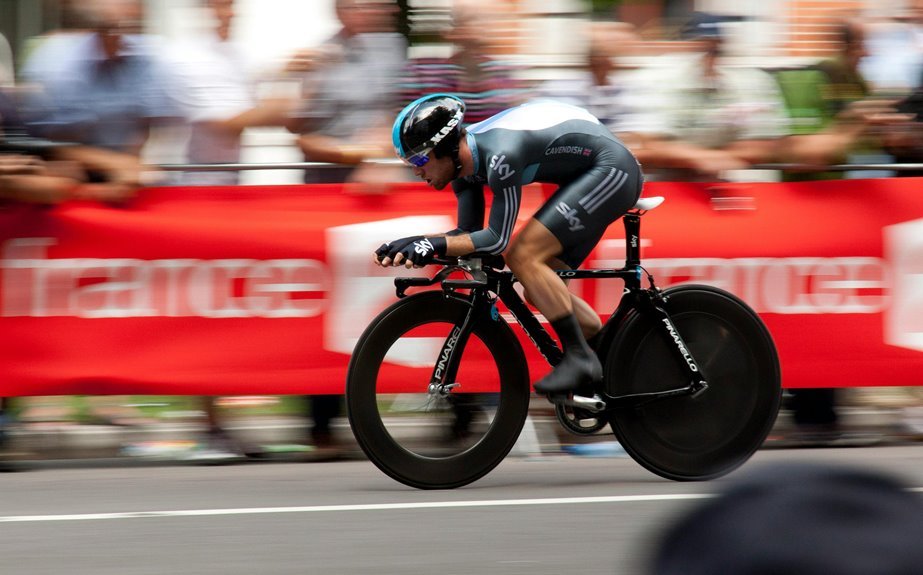
When you lower your torso, bend your elbows, and keep your head steady, you let air slip around you instead of into you.
Small bike fit angles matter because they help you stay narrow without feeling cramped.
That balance matters for breathing efficiency too, since a good position opens your chest just enough to keep air moving.
You’ll feel more settled, more in control, and more like you belong in the paceline.
Start with a relaxed tuck, then fine tune the saddle and bars so you can hold it longer.
A smart posture keeps drag down and confidence up on fast roads.
How Frame Design Reduces Drag
A well-shaped frame can trim drag in ways you can feel on the road. When you choose a bike with smart frame shaping details, you help air move around you with less fuss. Smooth aerodynamic tube profiles guide the wind better than plain round tubes, so your ride feels more efficient right away. You also get cleaner airflow when the front end hides cables and the seatpost sits neatly in line.
That means less wasted energy and a steadier feel when you push harder. Because these frame choices work at many speeds, you can trust them on fast flats and quick group rides. You’re not just buying speed; you’re joining riders who value every saved watt and every easier mile.
Choose Wheels That Slice Through Wind
As the road opens up and the pace starts to rise, your wheels can make a bigger difference than you perhaps realize. Deep rims help you cut wind, so you feel quicker without extra strain. With smart wheel depth selection, you can match speed and control to your route and ride style.
- Choose 40 to 50 mm rims for a strong mix of speed and easy handling.
- Go deeper only once the road is steady and your pace stays high.
- Trust crosswind stability, so a gust won’t knock your confidence.
- Pick a setup that lets you ride with your group and still save watts.
When your wheels feel calm in the wind, you ride with more ease, and that’s a good place to belong.
Pick Aero Clothing and Helmets
At the moment speed starts to matter, the smallest details on your body can quietly save real watts. You don’t need a flashy kit to fit in with the fast group, but you do need smart choices.
Pick jerseys and shorts made from aero fabrics that hug close and stay smooth in the wind. Next, choose gloves and socks that match that sleek feel, because loose material can flap and steal speed.
Then, pay attention to helmet ventilation, since vents should cool you without turning your head into a parachute. A well-shaped helmet can help you feel steady and confident as the pace lifts.
As your clothing works with you, not against you, you ride with less strain and a little more pride in every pull.
Reduce Drag With a Clean Bike Setup
A clean bike setup helps you cut drag without changing how hard you ride.
Once you hide cables and keep the front end neat, air flows around your bike more smoothly and your ride feels easier.
Small details like tidy hoses, smart routing, and fewer messy edges can add up to free speed on the road.
Hidden Cables, Lower Drag
while you clean up the front end of your road bike, you can feel the difference fast. Concealed cable routing and internal brake hoses help your bike slice through air with less mess up front.
You also get a cleaner look that feels pro, like you belong in the fast group.
- Cables disappear behind the bars
- Hoses stay tucked inside the frame
- The front end looks calm and sharp
- Your bike feels ready for smooth, quick rides
That tidy setup won’t turn you into a rocket itself, but it trims drag where your body and bike meet the wind.
Neat Setup, Smoother Air
Because a tidy bike cuts more than clutter, a clean setup can help your road bike move through the air with less drag and more calm. You feel it as you keep your clean cockpit simple, with only the tools you need and cables tucked away. Then you notice how neat bottle placement and tidy storage keep loose items from catching wind or rattling your focus.
Small choices add up fast. A smooth bar area helps your hands settle, and a clear frame lets air slide past instead of getting broken up. So you ride with a calmer mind and a bike that feels like part of your group, not a noisy outsider. Whenever everything sits in its place, you save energy for the road ahead.
Test Road Bike Aerodynamics at Home
Start with a clean baseline, because small setup changes can make a real aero difference on your road bike.
Then use simple home tests like steady out-and-back rides or short local loops to compare speed at the same effort, and watch how much each change helps or hurts.
Once you read the results, focus on repeatable speed gains over one lucky run, since that tells you what’s truly faster.
Aerodynamic Baseline Setup
To get a real aero baseline at home, you need to strip the bike down to a clean, repeatable setup and test it in the same way every time. Start with your baseline aero posture, then lock in the same saddle height, hood angle, and tire pressure so your club of one stays consistent.
A quick drivetrain friction check matters too, because dirty bearings can mask real gains and make you chase ghosts.
- Remove extra bottles and bags
- Use the same wheelset each session
- Record bar height and stem length
- Keep clothing tight and plain
Once you set this foundation, every later change feels clear, and you’ll know what truly helps. That gives you confidence, not guesswork, and it keeps your tuning simple, calm, and honest.
Simple Home Testing Methods
Now that your baseline setup is locked in, you can check your bike’s aerodynamics at home without fancy lab gear or a deep budget.
Start with a garage fan comparison: point a box fan at your front end, then swap bar positions and observe which setup feels steadier.
Next, use driveway roll down timing on the same quiet stretch. Begin from the same mark, tuck the same way, and let a friend time each run.
Keep tire pressure, kit, and bottle placement the same so you’re comparing the bike, not the extras.
Whether one position seems smoother or holds speed longer, that’s useful feedback for your crew.
Small, repeatable tests like these help you spot gains, build confidence, and feel like you’re dialing in your own fast setup.
Interpreting Speed Results
As you look at your home test results, the real question isn’t just which run felt fastest, but why it did. You want to spot the speed threshold where drag starts biting harder, because that’s where aerodynamics show up in your numbers.
- Compare runs at the same wind and route.
- Check whether speed stayed higher for the same power.
- Watch for real watt savings above 25kph.
- Notice whether small gains repeat, not just one lucky ride.
If your aero setup wins on flats, that’s a real clue. At lower speeds, the gap might feel tiny, and that’s normal. Above the threshold, the difference grows fast, and you’ll feel like you finally joined the quiet little free-speed club.
Trust the pattern, not one ride.
Balance Aero Gains With Comfort
A smart aero bike should feel fast without feeling harsh, and that balance matters more than many riders expect. You want comfort compliance that matches your body and your roads, so the bike stays lively without beating you up.
Whenever the frame, fork, and saddle area flex a little, you can keep control and reduce rider fatigue on longer rides. That means you stay relaxed in the shoulders, hands, and lower back, even whenever the pace rises.
Ride Faster With Less Effort
Because aero gains show up in so many small ways, you can ride faster without feeling like you’re forcing every pedal stroke. When your bike cuts drag, you hold speed with less strain, and that gives you real time savings on flats and rolling roads.
You also keep more energy for the ride you want to finish strong.
- You stay tucked and steady.
- You feel less wind pushing back.
- You save watts at cruising speed.
- You finish with an endurance enhancement.
That’s the quiet win of smart aero: you blend in with the pace group, yet you burn less energy than the rider next to you. So, if you want to go faster and still feel fresh, choose the setup that lets the wind work less against you.
Frequently Asked Questions
When Do Aero Gains Become Noticeable on a Road Bike?
Aero gains start to matter as soon as the wind is steady enough to push back against you. Around 15 mph, the difference begins to show, and once speeds pass 25 kph, aerodynamic testing and riding position become much more important.
How Much Faster Are 40MM Wheels Than Shallow Rims?
40 mm wheels can save you roughly 8 to 10 watts at 40 kph, which can make you faster on flat roads. The added rim depth helps reduce drag, giving you more speed with less effort.
Do Aero Bikes Help More on Flats or Climbs?
Aero bikes save the most time on flat roads and gentle rollers, where air resistance matters most. On climbs, lower weight usually makes a bigger difference.
Is Electronic Shifting Worth It for Aero Performance?
Yes, if you ride an aero bike, electronic shifting can be worth it. In a 40 kph group ride, you keep your hands steady and shift more cleanly, while drivetrain efficiency stays high and you stay with the fast pack.
Can Aero Road Bikes Still Be Comfortable on Long Rides?
Yes, aero road bikes can stay comfortable on long rides when the frame has some compliance, the tires are set up well, and the fit matches your body. You still get speed without feeling beaten up.