
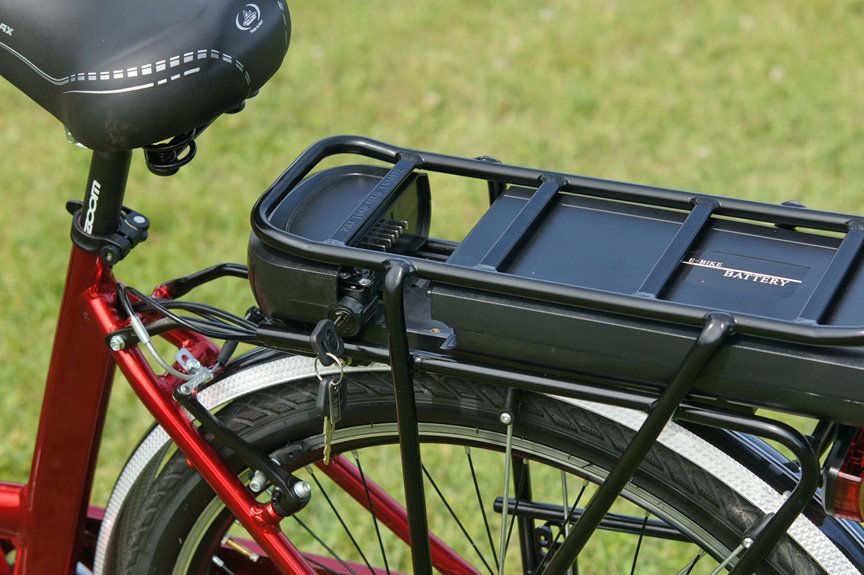

A smart e-bike battery can stretch your ride range more than many riders expect. Battery capacity, voltage, and a solid battery management system all work together to control power and protect the pack. Charging habits, terrain, weather, and battery age also change how far a single charge takes you. Here’s a simple look at what boosts range and what drains it.
How Smart E-Bike Batteries Extend Range
While you ride an e-bike, the battery does more than just store power, because it also helps decide how far you can go before you need a recharge.
You get smarter range as the system uses adaptive power routing to send energy where it matters most. It can ease output on flat roads, then give you extra support on hills or into a headwind.
With predictive ride optimization, your bike learns your habits and plans power use before your ride gets tough. That means fewer sudden drains and more steady miles.
Smart battery controls also protect the pack, so you keep riding with confidence. Instead of guessing, you and your bike work together. That shared rhythm makes longer rides feel possible, not pushed.
Battery Capacity, Voltage, and Real Range
Battery size sets the starting line for your ride, but voltage and real-world use decide how far you actually get. You belong to the group that wants honest range, not sticker dreams. A 500Wh pack might look strong, yet usable capacity metrics tell you what’s left after load, hills, and wind trim it down. Higher voltage can move power more smoothly, but battery voltage tradeoffs also shape weight, cost, and fit.
| Factor | Range impact |
|---|---|
| 400Wh | Shorter rides |
| 500Wh | Solid daily use |
| 750Wh | Longer weekends |
| Voltage | Power feel |
| Usable watts | True miles |
Why the Battery Management System Matters
Your battery management system watches your e-bike battery in real time, so you don’t have to guess what’s happening inside it.
It checks battery health as you ride, which helps spot trouble soon and keeps performance steady.
It also blocks overcharging, so you get safer charging and a longer-lasting battery.
Battery Health Monitoring
A smart battery management system does far more than keep an e-bike running. It watches your battery’s state of charge and cycle health, so you can ride with less guesswork and more trust. You get a clear sense of whenever power is steady, whenever it’s fading, and how hard the pack has worked over time.
That matters because you want your bike to feel like a reliable ride partner, not a mystery box. The system also tracks temperature, voltage, and current, then shares that data with you through the display or app. So whenever you plan a commute or weekend loop, you can make smarter choices.
With this kind of monitoring, you stay connected to your bike and keep every mile feeling smoother.
Overcharge Protection
Upon you plug in an e-bike, the Battery Management System quietly steps in to stop the pack from taking more charge than it can handle.
You stay safer because it watches voltage cutoff safety and ends charging before cells swell or heat up.
It also checks charger fault detection, so a bad plug or wrong adapter won’t quietly damage your ride buddy.
That matters whenever you want long range and a battery that feels dependable every day.
With this protection, you can charge with less worry and more confidence, even after a long commute.
The system keeps each cell in balance, which helps your pack last through more cycles.
Charging Habits That Protect Your E-Bike Battery
Charging habits can make a bigger difference than many riders realize, because the way you plug in, unplug, and store your e-bike battery affects both safety and long-term performance. Build a charging schedule that fits your rides, and keep your storage routine steady so your battery isn’t left full or empty for too long.
A little rhythm helps you feel in control, like part of a smart rider crew.
- Let the battery cool before you charge it.
- Use the charger that came with your bike.
- Store it in a dry place at a steady charge.
Then check the contacts for dirt, since clean connections help power flow well. Whenever you ride often, short top-ups can work fine, and they keep you ready for the next trip without extra stress.
How Terrain and Riding Style Affect Range
Steeper hills, soft trails, and stop-and-go streets can drain your e-bike battery faster than flat, smooth roads, so your route choice really does matter. As terrain gradients rise, the motor works harder, and you feel that change in every mile.
Provided you keep a steady rider cadence, you help the bike stay efficient and avoid sudden power spikes. Smooth pedal pressure also makes you feel more in control, which many riders love on busy days.
On rough paths, your tires grip more, and that extra drag can shorten range too. So, choose easier lines whenever possible, and match your effort to the ground under you. That way, you’ll ride with your crew longer and keep more energy for the fun part.
Regen Braking and Other Power-Saving Features
If your last ride left you wishing for a little more battery at the end, regen braking can help stretch what you’ve got. When you slow down, your bike turns some motion into energy recovery, so the battery gets a small boost instead of wasting it all as heat. That extra help adds up on hilly routes and stop-and-go streets, and it feels good to know your bike is working with you.
- Use regen on long descents to save power.
- Keep your pace smooth so efficiency tuning can do more.
- Pair power-saving modes with gentle pedaling for more range.
You’ll also notice smart motor settings that trim extra draw when you don’t need it. Together, these features make each ride feel smarter, calmer, and more like you belong on every mile.
Battery Placement and Weight Balance
Placed with care, the battery does more than power your e-bike because it also shapes how the bike feels under you.
When you mount it low and near the frame, you help the center of gravity stay steady, so turns feel smoother and starts feel calmer.
That balance matters because your body relaxes when the bike moves like a partner, not a wobble.
With smart frame geometry, the pack sits where it won’t fight your steering or crowd your legs.
You’ll notice easier handling on busy streets and more confidence on rough paths.
Should your bike let you remove the battery, keep the same mounting spot each time.
Consistent placement keeps the ride familiar, and familiar rides help you feel at home on every trip.
Cold Weather Tips for Longer E-Bike Rides
Cold weather can drain your e-bike battery faster than you’d expect, so you’ll want to keep it warm before you ride.
You can store the battery indoors, then let it warm up a bit before you install it on the bike.
During the ride, use steady power, lower assist whenever you can, and you’ll stretch each charge much farther.
Warm Battery Storage
Keeping your e-bike battery warm during winter can make a bigger difference than you may expect, because a battery that stays too cold loses power faster and may not deliver the range you planned for.
You’ll feel more at ease whenever you use warm storage after each ride. Bring the pack indoors, away from drafts and damp floors, so it can rest at room temperature. That simple habit supports indoor battery care and helps your battery stay ready for the next trip.
- Keep it in a closet or shelf, not a garage corner.
- Use a padded bag to block chill.
- Check that the pack is dry before storing.
Whenever you treat the battery like part of your riding crew, it gives you steadier miles and fewer winter surprises.
Pre-Ride Battery Prep
Before you roll out on a frosty morning, give your e-bike battery a quick warm-up check so it can deliver the range you actually need. Start with a battery inspection and look for cracks, loose contacts, or moisture around the pack.
Next, confirm charge readiness on the display or charger, because a full reading can still hide a weak connection. Keep the battery indoors until ride time, then install it firmly so cold air doesn’t steal comfort from your setup.
You can also wipe the terminals with a dry cloth and make sure the locking latch clicks cleanly. Should your ride group be waiting, this prep helps you show up ready instead of guessing.
A few calm minutes now can save your morning from a flat surprise.
Cold Ride Power Saving
When the air turns sharp, your e-bike battery can feel like it’s working uphill before you even start pedaling. You can help it with cold ride insulation, like a snug cover that shields the pack from wind and road chill. Keep your battery warm indoors until you leave, then ride at a steady pace so power stays smooth.
- Lower assist on flat stretches
- Check tire pressure before you roll
- Store the pack in a dry room after riding
That last habit matters just as much as the ride itself. Good winter battery storage protects capacity for tomorrow’s trip and keeps you in the group, not stuck watching others disappear. If your hands get cold, your battery does too, so treat both with care.
Signs Your E-Bike Battery Is Aging
Aging e-bike batteries usually give you clear warning signs, and the sooner you spot them, the easier it is to avoid a frustrating ride home. If your battery loses range fast, that’s capacity fade, and you’ll feel it most on hills or longer commutes. You might also notice slower charging, weaker assist, or sudden drops in power.
| Sign | What You Notice | Why It Matters |
|---|---|---|
| Short range | Fewer miles per charge | Capacity fade |
| Slow charge | Takes longer than usual | Aging cells |
| Power drop | Assist feels weak | Less output |
| Heat | Battery runs hot | Stress inside |
| Swelling | Case looks puffed | battery swelling |
When you see these clues, you’re not alone. Many riders face them, and catching them sooner helps you stay safe, confident, and ready for the next ride.
Choosing the Right Battery for Your Commute
Whenever your commute feels a little too long or a little too hilly, the right e-bike battery can make the whole ride feel easier and more reliable. You want a pack that matches your commute distance planning, so you’re not stuck worrying halfway home. For most riders, 400Wh to 750Wh covers daily trips well.
- Short rides need less weight and faster charging.
- Longer routes benefit from bigger capacity and steady power.
- charger compatibility selection matters, so your setup stays simple at home.
Think about your hills, your daily miles, and where you’ll plug in. A battery that fits your routine helps you feel ready, not rushed. Whenever you choose well, you join the ride with more confidence and less stress.
How Next-Gen E-Bike Battery Tech May Improve Range
As battery tech improves, your e-bike can go farther on the same ride without feeling strained. You’ll notice next-gen packs using solid state chemistry, which swaps out messy liquid parts for safer, tighter materials.
That change can lift range because more energy fits in less space, so your bike feels lighter and more willing on hills. Add graphene energy density gains, and you get more miles before you need a charger.
Smart battery controls also help by sending power only during you need it, which protects charge on long rides. For you, that means fewer range worries and more time riding with your group.
Better charging speed matters also, because a quick top-up keeps your plans flexible and your weekend open.
Frequently Asked Questions
How Long Do Smart E-Bike Batteries Typically Last?
You can usually expect 500 to 1,000 or more full charge cycles, which often translates to about 3 to 5 years of regular riding. When you need to replace the battery depends on how often you ride, how well you maintain it, the terrain, and your charging habits.
Are Solid-State Batteries Available for E-Bikes Yet?
Not widely yet. Most solid state options are still in prototypes or limited premium trials. Wider adoption should follow as production grows and prices fall. For now, most e bikes still use lithium ion batteries.
Can I Use a Dual-Battery Setup on Any E-Bike?
No, a dual battery setup will not work on every e bike. Your bike needs the right mounting space, compatible voltage, and a controller built for two batteries. Check the frame and electrical specs before buying.
How Fast Can Smart E-Bike Batteries Safely Charge?
Smart e-bike batteries typically charge in 4 to 6 hours, and some reach 80 percent in under 2 hours; controlled fast charging and safe charge rates help keep the battery ready without added wear.
Do Smart Batteries Work With Third-Party Chargers?
Usually, third party chargers can work if they match your battery’s required voltage, current, and connector type, but verify the manufacturer’s safety guidelines first. Using approved specifications helps protect your battery, your bike, and your warranty.