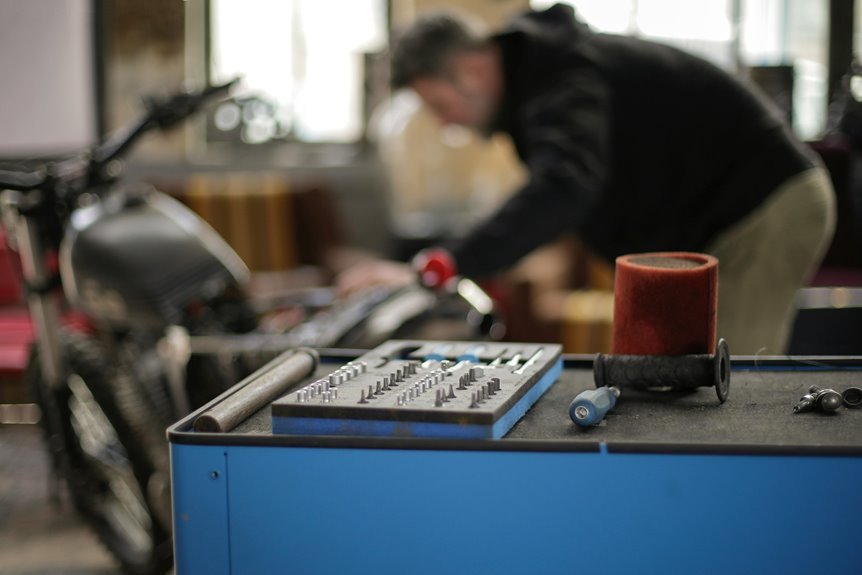

A smart bike spots worn tires and shaky brakes before they turn into bigger repair bills. Diagnostics swap guesswork for clear fixes, so you spend money on the right part at the right time. That means fewer surprise breakdowns and less shop stress. Sensor readings can point straight to repair or replacement needs fast.
What Is Smart Bike Diagnostics?
Smart bike diagnostics are the use of digital tools and precise measurements to find out what’s really going on with your bike, instead of guessing and hoping for the best.
This smart diagnostics overview helps you feel less stuck and more in control whenever something feels off. You can trust precision measurement basics to check torque, alignment, wear, wiring, and sensor signals with steady accuracy. That means your bike gets the right attention, and you get clearer answers.
Whenever you ride, you want your gear to feel like part of your crew, not a mystery. So these tools help mechanics spot small issues at an early stage and explain what they mean in plain language. From there, you can make smart choices with confidence and keep your bike ready for the next ride.
How Smart Bike Diagnostics Cut Repair Costs
Smart bike diagnostics cut your repair costs by catching faults the moment they show up, so you can fix the real problem before it spreads.
They also send preventive maintenance alerts that help you act at an initial stage, which can save you from bigger parts bills later.
Plus, they lower labor costs by reducing guesswork and helping mechanics finish repairs faster and more accurately.
Real-Time Fault Detection
Why wait for a small bike problem to turn into a wallet-draining surprise?
With real-time fault detection, you catch trouble while you’re still riding, not after a ride gets cut short. Smart sensors watch your bike in the moment, so live anomaly tracking spots odd changes in power, braking, or battery flow fast. Then instant error mapping points you toward the exact system that needs care, which saves you from random part swaps and awkward guesswork.
You stay in control, and your shop team can act with confidence. That means fewer repeat visits, less labor wasted, and a smoother path back to the road. For riders who want to belong to a crew that keeps bikes ready, this kind of clear, quick feedback feels like having a trusted mechanic in your pocket.
Preventive Maintenance Alerts
Because your bike can’t tell you whenever it’s quietly wearing down, preventive maintenance alerts step in before a small issue turns into a big bill. You get timely notices for chain checks, brake pad wear, tire pressure, and battery care, so you can act before trouble spreads.
That means you stay ahead of repairs instead of chasing them. Smart maintenance scheduling helps you plan service around your rides, budget, and weather, which keeps care simple and less stressful.
With alert customization, you can tune notices to your bike’s needs and your routine, so nothing feels noisy or random. These alerts also help you feel part of a rider group that values steady upkeep, safer miles, and fewer surprise shop visits.
Lower Labor Costs
Whenever you cut repair time down with better diagnostics, you also cut labor costs in a very real way. You spend less time paying for guesswork, repeat tests, and torn-down parts that didn’t need touchups.
With smart bike tools, you and your mechanic can spot the exact fault fast, so the shop can move straight to the fix. That means fewer billed hours and less frustration for you.
You also get clearer warranty verification, which helps avoid paying for work that should be covered. Plus, labor rate transparency lets you compare shops with confidence before you commit.
In the end, you join a smarter riding crowd that values honest time, fair pricing, and repairs done right the first time.
How Bike Sensors Spot Problems Early
Bike sensors keep an eye on wear patterns, so you can catch small problems before they turn into big repairs. They watch things like brake health, chain stretch, and battery behavior, then send alerts whenever something starts to drift.
That means you can fix issues ahead of time and keep your ride smoother, safer, and a lot less stressful.
Sensor Alerts For Wear
Smart bike sensors can spot wear long before it turns into a noisy, expensive mess. You stay ahead because wear threshold alerts flag parts that need attention, and sensor calibration trends help you trust the readings. That means you don’t have to guess whenever your ride is asking for help.
- Your chain gets tracked for stretch.
- Your brake pads show thinness beforehand.
- Your bearings hint at rough motion.
- Your tires reveal uneven wear.
Whenever these signals pop up, you can plan repairs with your crew before a small issue starts stealing your weekend ride. The best part is simple: you get clear warnings, less stress, and a bike that feels cared for. That kind of support makes every mile feel a little more like home.
Early Fault Detection
Because small problems often conceal before they turn into big repairs, initial fault detection gives you a real edge on the road and in the workshop. You can trust bike sensors to watch voltage, vibration, temperature, and signal flow while you ride. As soon as they spot concealed corrosion or intermittent wiring issues, they flag trouble before it strands you.
That means you get clear warnings, not guesswork, and you can join the ride with confidence instead of worry. Also, initial alerts help you protect expensive parts, since a tiny fault can grow fast in a modern bike. Then you can visit your shop with useful data, save time, and fix the right issue the first time.
With smart checks, you stay prepared, connected, and part of a rider community that looks out for each other.
Which Bike Components Need Monitoring?
To keep your ride safe and smooth, you’ll want to watch the parts that work the hardest and wear the fastest. Start with drivetrain wear tracking, because chains, cassettes, and chainrings tell you whenever friction is creeping in. Then check brake system monitoring, since pads, rotors, and cables or hoses need steady attention for confident stopping.
- Chain stretch
- Brake pads
- Tires
- Bearings and pivots.
You’re not just protecting parts; you’re protecting every ride you share with your crew.
Also, look at wheels for true, suspension for smooth travel, and battery connections on e-bikes. These spots often fail at the outset, so catching changes in the beginning keeps repair costs lower and your bike feeling reliable. Smart monitoring helps you stay ready, not stuck.
How to Read Diagnostic Alerts?
Whenever a diagnostic alert pops up, you don’t need to panic or guess your way through it. You can read it like a teammate’s quick memo. Start with the alert severity levels, because they tell you whether the issue needs fast attention or simple monitoring.
Then check the code or message, since it points to the exact system, like brakes, battery, or sensor. Next, compare the alert with your recent rides, weather, or charging habits, because patterns often explain the warning.
After that, use notification customization options to sort urgent messages from routine alerts, so your phone stays helpful instead of noisy. As soon as you understand the wording, you feel more in control, and your bike feels less mysterious. That calm makes smart maintenance feel like a shared win, not a solo puzzle.
When to Repair or Replace Parts
A smart diagnostic check can take the stress out of a hard repair choice, since it shows you what’s truly worn out and what still has life left. You don’t have to guess alone, and that feels good whenever you care about your ride and your crew.
Use repair vs replace by checking:
- Cracks, bends, or deep rust.
- Wear that keeps coming back fast.
- Parts with low component salvage value.
- Fixes that cost more than a new part.
If a part still works well after cleaning, tuning, or a small rebuild, repair it. Whenever the part risks your safety or keeps causing trouble, replace it.
That way, you protect your bike, your budget, and your confidence on every ride.
Top Smart Bike Diagnostic Tools to Compare
Smart bike diagnostic tools make it much easier to spot what your bike needs before a small issue turns into a big repair bill.
When you do a tool comparison, look at torque meters, alignment gauges, wear trackers, and brake bleed testers. Each one helps you check a different part of the bike with more confidence.
For feature evaluation, focus on accuracy, easy readings, and how well the tool fits your bike style.
If you ride often, a smart sensor that tracks chain wear can save you from a costly cassette swap later.
If your bike has hydraulics, a pressure tester can help you catch leaks early.
You don’t need every gadget. You just need the ones that match your ride, your budget, and your crew.
How Bike Shops Save Time With Diagnostics
Once a shop has the right diagnostic tools on hand, the whole repair flow gets faster and calmer. You get clear answers sooner, and your mechanic can stop guessing and start fixing. That improves workflow optimization and inspection efficiency, so you spend less time waiting and more time riding with your crew.
- The shop checks faults quickly and spots the real problem.
- Measurements guide brake, drivetrain, and torque checks.
- The team avoids repeat tear-downs and wrong parts.
- Your repair quote comes with fewer delays and less stress.
Because the data is solid, you also get honest next-step choices. That means your bike returns to you sooner, and you feel like you’re in good hands.
Frequently Asked Questions
How Much Do Diagnostic Services Usually Cost?
You’ll usually pay $75 to $150 for diagnostics, and many reputable shops apply that fee toward the repair cost. Rates vary by service, so asking ahead helps you stay informed and avoid surprise charges.
Can Diagnostic Fees Be Applied to the Repair Bill?
Yes, many shops will credit the diagnostic fee toward the repair cost. Ask about the fee policy before work begins, because some service centers apply that charge to the final bill once you approve the repair.
How Often Should Bikes Get Predictive Maintenance Checks?
Schedule predictive maintenance checks every 3 to 6 months, and sooner after long rides or rough weather. Seasonal inspections help spot wear early, keep your bike dependable, and support safer rides.
Do Smart Diagnostics Work on Mechanical-Only Bikes?
Yes, smart diagnostics can be used on mechanical only bikes, but they mainly provide compatibility checks for parts and setup, not electronic fault data. Because the sensors have limits, you still need careful inspection, hands on testing, and accurate measurements.
What Warranty Should I Expect After Diagnostic-Based Repairs?
You should expect 6 to 12 months of warranty coverage on diagnostic based repairs, especially at certified shops, and many include repair guarantees. Ask whether both parts and labor are covered so you know exactly what the shop will stand behind.