
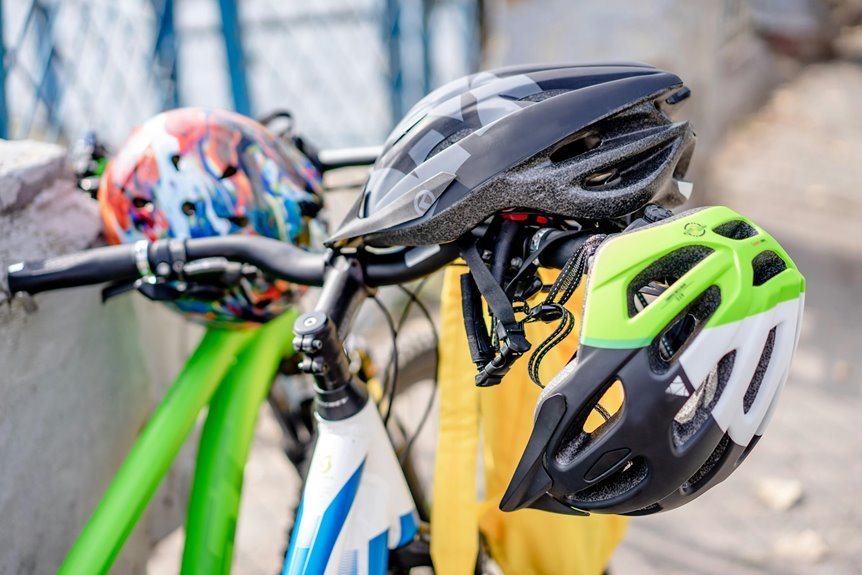

A smart bike helmet adds real safety through better impact protection, alerts, visibility, and hands-free help. The best models combine a tough shell, slip layer, secure fit, sensors, lights, and warning systems. These features work together to cut risk on busy roads and low-light rides. This guide covers 10 smart helmet innovations worth a closer look.
Which Smart Helmet Features Improve Safety Most?
When you’re choosing a smart bike helmet, the features that improve safety most are the ones that protect you during a crash and get help fast right after it. Start with proven head protection, like MIPS or other low-friction designs that reduce rotational force. Then look for strong shell construction, high-grade foam, and certified testing standards. Those details matter because you want gear your riding group trusts.
Next, focus on help after impact. Built-in crash alerts can send your GPS location to emergency contacts within seconds. That’s a huge comfort if you ride alone, commute at night, or keep pace with faster e-bikes.
Bright integrated LEDs, brake lights, and turn signals also help drivers see you sooner. Finally, check material durability and weather resistance, so your helmet stays dependable through daily rides, rain, and rough city streets.
Impact Sensors and Fit Systems That Improve Protection
Impact detection sensors help protect you when every second counts, because they can sense a hard fall and trigger an SOS alert with your GPS location.
At the same time, a precision retention fit system keeps your helmet snug and stable, so it stays in the right position whenever you need it most.
Together, these features give you a more secure ride and a little more peace of mind.
Impact Detection Sensors
Because crashes happen fast, smart helmets use built-in accelerometers to sense a fall the moment your head and body move in a dangerous way. That quick response matters because you want protection that feels ready for the real world, not just the showroom. With careful sensor calibration and smart impact threshold settings, the helmet can better tell the difference between a hard stop, a dropped helmet, and a true crash.
Once impact detection confirms trouble, your helmet can start a crash countdown, like Quin technology does, then send an SOS with your GPS location. Some systems alert up to three trusted contacts through push notifications, which helps you stay connected to your people whenever every second counts. For e-bike riders moving faster, that added response can feel like having your community ride beside you.
Precision Retention Fit
A precision retention fit does more than make a helmet feel snug. It keeps protection where it belongs, right around your head, so you feel secure and included on every ride. Whenever your helmet uses adjustable retention, you can fine tune the cradle and straps until the fit feels natural, not distracting.
That matters because impact systems work best whenever the helmet stays centered during a crash. With precise sizing, features like MIPS liners can move as designed and absorb rotational force more effectively. A stable fit also keeps sensors aligned, so fall detection reads motion more accurately and emergency alerts can trigger whenever seconds count.
You also gain comfort for longer rides, and that makes it easier to wear your helmet every time. Whenever it fits right, you ride with confidence.
Smart Bike Helmet Lights for Better Visibility
You need smart helmet lights that do more than glow, because rear LED alerts help drivers notice you faster whenever traffic gets close.
Just as fit and impact sensors protect you in a crash, 360-degree light coverage helps you stand out before one happens.
That means you can ride with more confidence, even whenever the road feels dark, busy, or unpredictable.
Rear LED Alerting
Rear-facing LED lights turn your helmet into a clear, eye-level warning system that drivers can spot faster than small frame lights or basic reflective stickers. That helps you feel seen, trusted, and part of a safer riding flow. Smart helmets use rear alert patterns and tail visibility cues to show whenever you’re slowing, stopping, or riding steadily, so people behind you react sooner.
| Feature | Why it helps you |
|---|---|
| Eye-level LEDs | Drivers notice you quicker |
| Brake lighting | Shows deceleration clearly |
| Custom modes | Matches your route and pace |
| Bright output | Cuts through dusk and rain |
| App control | Lets your group ride consistently |
Because the light sits higher, your signals stay in a driver’s line of sight. That makes your ride feel calmer, especially in traffic and during shared evening commutes together.
360-Degree Light Coverage
How much safer do you feel whenever light surrounds you instead of shining from just one small spot? With smart helmet lighting, you don’t ride as a lone shadow. You become easier for drivers, riders, and neighbors on the road to notice from more angles, which helps you feel included and protected.
That matters because full coverage and side illumination build visibility around your whole head, not only front or rear points. Visualize it:
- a soft halo tracing your helmet in dim streets
- bright side illumination catching eyes at intersections
- balanced light wrapping around you in traffic
- a clear, confident glow that says you’re here too
As soon as your helmet spreads light in every direction, your presence feels stronger. You ride with more confidence, and your community sees you sooner in changing light.
Turn Signals That Keep Your Hands on the Bars
Whichever traffic gets tight and your attention needs to stay forward, built-in turn signals let you show your next move without taking a hand off the bars.
That matters whenever streets feel crowded and you want to ride like you belong there, not second-guess every turn. Instead of relying only on hand signal habits, you can keep both grips steady while your helmet flashes a clear left or right cue. As a result, you stay balanced through intersections, roundabouts, and shoulder checks.
It also helps with lane merge timing, because drivers and riders around you get your message sooner. Many smart helmets pair these signals with bar-mounted remotes or app controls, so activating them feels natural. In busy city flow, that simple feature helps you communicate clearly, ride confidently, and stay part of the rhythm.
Brake Lights That Alert Traffic Behind You
If you slow down, your helmet can trigger a brake light on its own, so drivers behind you get a clear warning right away. That instant rear visibility helps you feel safer and makes your next move easier for others to read.
After hand signals and turn alerts, this feature gives you one more way to stay seen without taking your focus off the road.
Automatic Brake Light Activation
Why guess whether drivers behind you can tell you’re slowing down? Automatic brake light activation makes your helmet respond for you, so you feel supported every time traffic tightens. With speed based activation and deceleration sensing, the light turns on the moment your pace drops, even before you consider reaching back or changing position.
- You roll toward a busy stoplight, and your helmet brightens right on cue.
- You ease down a hill, and the brake light reacts smoothly, not suddenly.
- You ride with your group, and everyone feels more in sync and aware.
- You move through rush hour, and your gear helps speak your intentions clearly.
That quick response builds trust around you. It helps you ride like part of a smart, connected community, not like you’re out there alone at all.
Rear Visibility Enhancement
Traffic behind you can miss small hand signals, but a smart helmet with bright rear brake lights makes your slowdown much harder to ignore. As you ride with a group or commute through busy streets, that extra warning helps drivers react sooner and gives you a stronger sense of control.
That matters because being seen from behind helps you feel safer and more confident in the flow of traffic. Smart helmets enhance passive rear visibility with automatic brake lights, reflective rear panels, and stronger light patterns than basic stickers.
As you slow down, the lights flare clearly, so people behind you get the message fast. In turn, you stay easier to track in dim light, rain, or city glare. It’s a simple feature, yet it helps you ride like you truly belong out there.
Smart Helmet Crash Alerts That Call for Help
Even though you ride with care, a smart helmet can step in fast after a hard fall and call for help once you can’t.
When impact sensors feel a sudden hit, they measure severity and launch emergency contact alerts with your GPS location. That means your people know where you are, even when you’re shaken or unconscious.
Some systems, like Quin, add a crash confirmation countdown, giving you a few seconds to cancel a false alarm. That balance feels personal, protective, and built for riders like you.
- A sharp impact, then your helmet reacts before panic sets in
- A countdown ticking while you catch your breath and tap cancel
- A phone buzzing in a loved one’s hand with your live location
- A faster response that helps you feel less alone on every ride
Blind-Spot Alerts for Better Road Awareness
Awareness changes everything as soon as a car drifts too close and you don’t catch it right away. That’s where smart helmets help you feel more secure in the flow of traffic. With blind spot detection, your helmet can warn you whenever a vehicle moves into the space you could miss during a shoulder check.
That extra notice matters most in busy city riding, where traffic shifts fast and everyone wants to get through safely. As you move through crowded streets, intersection awareness helps you judge crossing traffic, turning cars, and sudden lane changes with more confidence.
You stay connected to what’s happening around you, not cut off from it. In turn, you ride with a stronger sense of control, calm, and belonging, like you’re part of a smarter, more protected cycling community every day.
Bluetooth Audio That Reduces Rider Distractions
As you’re riding through busy streets, Bluetooth audio helps you stay informed without pulling your eyes off the road or your hands off the bars. It supports audio distraction reduction by keeping sound close, clear, and controlled, so you stay connected to your ride group and your surroundings.
- A calm voice in your helmet instead of fumbling for a phone
- Music that sits lightly in the background, not over traffic sounds
- Quick call access that builds hands free communication focus
- Shared ride updates that make you feel part of the pack
Because everything stays inside your helmet, you don’t break rhythm at stoplights or in traffic. You hear what matters, skip risky screen checks, and ride with more confidence, comfort, and connection on every commute together.
Voice Navigation That Keeps Eyes Forward
As traffic gets noisy and turns come fast, voice guidance keeps your eyes forward and your attention where it belongs: on the road. Instead of glancing down at a phone or bike computer, you hear hands free directions right inside your helmet. That means you stay aware of cars, curbs, and people around you.
Better yet, spoken turn prompts help you react sooner and ride with more confidence. You don’t have to guess which street comes next or feel left behind as your group keeps moving. You simply listen, steer, and stay in sync.
In busy city lanes or unfamiliar neighborhoods, that sense of calm matters. It helps you ride like you belong there, because you do. And yes, missing fewer turns means fewer awkward stop-and-spin moments at corners too.
Battery Life and App Tools That Affect Safety
Because a smart helmet only helps whenever it’s powered and properly set up, battery life and app tools play a direct role in your safety every time you ride.
Whenever you check battery monitoring before rolling out, you protect features like LED lights, crash alerts, and Bluetooth route guidance that help you stay seen and supported.
- You glance at a clear charge icon before joining the morning bike lane crowd.
- You get low-battery alerts before your rear light fades at dusk.
- You open app update settings so SOS tools and GPS sharing stay reliable.
- You adjust light modes and contact info to match your route and group ride.
These tools help you ride with confidence, not guesswork.
In a connected riding community, staying charged and updated means you’re ready for the road and there for others too.
Frequently Asked Questions
How Do Smart Helmets Perform in Heavy Rain or Extreme Temperatures?
Smart helmets handle heavy rain and sharp temperature changes well when they have solid water sealing and materials built for heat and cold. They can keep you protected, visible, and connected, but it is important to check how the battery performs in very hot or very cold weather.
Are Smart Bike Helmets Legal Everywhere for E-Bike and Scooter Use?
Helmet rules for smart bike helmets on e bikes and scooters differ by location. Review the specific regulations where you ride to confirm your helmet is allowed and provides the required protection.
Can Integrated Cameras Record Enough Footage for Insurance or Police Reports?
Yes, integrated cameras can often capture footage useful for insurance claims or police reports when video quality is clear and footage is saved reliably after an incident. This can help document what happened more convincingly, but image clarity, battery life, and storage limits still affect how useful the recording will be.
How Much Do Smart Helmets Typically Weigh Compared With Standard Helmets?
Smart helmets typically weigh about 400 to 500 grams, while standard helmets usually range from 250 to 350 grams. In this helmet weight comparison, the extra weight comes from added technology and comfort features.
Do Smart Helmet Certifications Differ for Commuters, Road Cyclists, and E-Bike Riders?
Yes. Helmet certifications vary by how and where you ride. For commuting and road cycling, look for CPSC or EN 1078 certification. For e bike use, choose a helmet that meets NTA 8776, which is designed for higher speed impacts. This helps match helmet protection to your riding conditions.