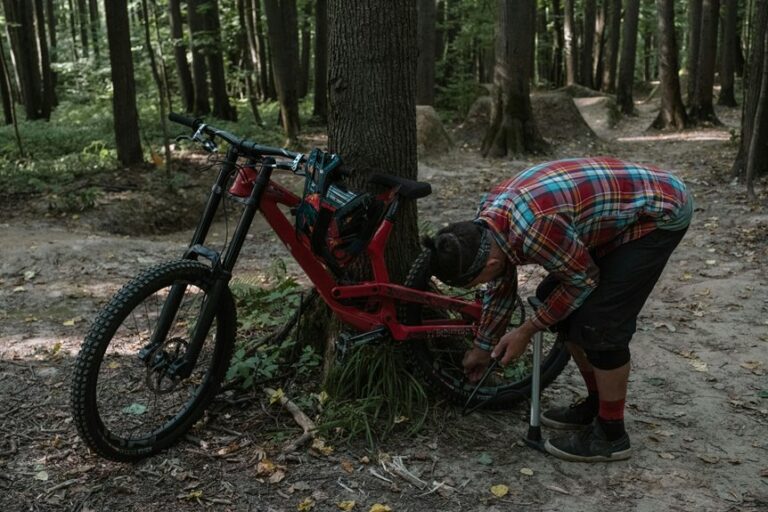
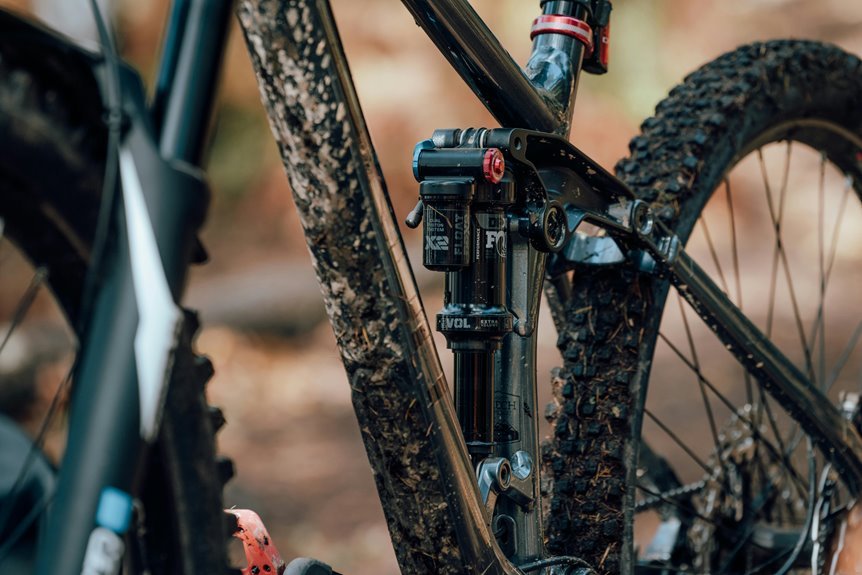

A smart mountain bike frame needs to stay stiff, strong, and steady on rough trails. Strong materials, clever tube shapes, and solid reinforcements help it handle rocks, roots, and hard braking. Good frame design also spreads stress through the bike, so it feels stable instead of flexy. That mix of toughness and control is what keeps a trail bike ready for hard rides.
What Makes a Strong Mountain Bike Frame?
A strong mountain bike frame does more than just hold the bike together, because it has to handle hits, flex in the right places, and stay reliable mile after mile.
You want a frame that feels solid under you, so every climb and descent builds trust, not doubt. Good weld quality matters because clean joints help the frame stay strong where stress hits hardest. Then frame testing shows whether that strength really holds up on rough trails, jumps, and hard braking.
Whenever a frame passes those checks, you feel it in the way it tracks straight and stays calm. That confidence matters, because you belong on a bike that supports your ride, not one that makes you second-guess every bump.
Frame Materials for Rough Trails
While you ride rough trails, your frame choice can change how tired you feel at the end of the day.
Aluminum gives you a tough, wallet-friendly option that stands up well to bumps and crashes, while carbon can smooth out trail chatter and help you stay fresh.
Aluminum Frame Durability
Even on rough trails, aluminum frames hold up better than many riders expect. You get solid crash resilience, so a tip-over or rock strike often leaves only a scuff instead of a ruined frame. That matters whenever you ride hard with friends and want gear that won’t quit on you.
Aluminum does carry a finite fatigue lifespan, so repeated big hits and years of stress can slowly wear it down. Still, modern trail frames use smart shaping and reinforced welds to strengthen strength where you need it most. As a result, you can trust your bike on roots, drops, and chunky climbs.
Whenever you want dependable value, aluminum gives you a tough, friendly ride that fits right in on rough singletrack.
Carbon Fiber Trail Compliance
Carbon fiber can feel surprisingly kind on rough trails, and that’s a big reason riders love it. You get trail chatter comfort without giving up snap on climbs. Because the frame filters small hits well, you stay calmer and more connected to the line. That matters whenever the rocks keep coming and your hands start asking for mercy.
| Ride Feel | Carbon Fiber Benefit |
|---|---|
| Small bumps | Less buzz |
| Long descents | More control |
| Fast efforts | Lively response |
You’ll notice long ride smoothness most whenever your trail gets loose and broken. Still, choose a well-built layup, since cheap carbon can feel harsh or brittle. Whenever you want a frame that helps you belong on hard days, carbon can give you that quiet confidence and keep you smiling whenever the trail gets loud.
How Tube Shapes Add Strength
Tube shape can add a lot of strength because it changes how a frame handles force, not just how much material it uses. As you look at tube cross sections, you’ll see round, oval, and boxy forms all spread stress in different ways.
You get a stiffer feel where you need it, while the frame still stays light enough for long climbs. Hydroformed profiles let builders shape tubes with smooth transitions, so force moves through the frame more evenly. That helps you ride rough trails with more confidence and less flex under hard pedaling.
It also means your bike can feel tuned for your style, which builds trust fast. As the shapes match the job, you feel like the frame has your back on every trail.
Reinforcement Zones That Take the Hit
You can consider of reinforcement zones as the frame’s initial line of defense, especially at impact-prone joint areas where hits stack up fast.
Chainstay guards help you shrug off chain slap and rock strikes, while downtube strike protection keeps the frame safer as the trail gets rough.
As these spots are built up well, you ride with more confidence because the frame is ready for the knocks that matter most.
Impact-Prone Joint Areas
At the joints, the frame takes some of the hardest hits, so those areas need extra care and smart reinforcement. You can trust well-built joints because they spread force across the frame instead of letting one spot suffer alone.
Weld seam reinforcement helps at tube intersections, where repeated hits can start tiny cracks. You also want strong dropout junction fatigue resistance, since that rear end takes drive force, braking load, and trail chatter all at once.
Whenever makers thicken these zones and shape them smoothly, your bike feels calmer and tougher under you. That means fewer worries on rocky descents and more confidence whenever the trail turns rough. In your ride group, that kind of durability keeps you rolling with the crew.
Reinforced Chainstay Guards
Along the chainstay, a good guard does a lot more than cover paint. You count on it to take repeated hits from chain slap, grit, and shoe rub, so your frame stays quiet and clean on rough rides.
Strong chainstay wrap materials, like tough rubber or textured film, soften impacts and help stop chips before they spread. With silent guard fastening, you avoid rattles and loose edges, which keeps your bike feeling solid under you.
That matters whenever you’re pushing hard and want to feel at home on the trail with your crew. Because the guard sits where the chain moves fast, it needs to stay snug, bend a little, and hold up through mud, wash, and all the little knocks that come with real trail time.
Downtube Strike Protection
Because the downtube sits right in the path of rocks, roots, and surprise ledges, it needs protection that can take a real hit without turning your frame into a noisy mess. As you ride hard, you want your bike to feel like part of your crew, not a fragile showpiece.
- Use downtube abrasion guards to stop grit from chewing through the finish.
- Choose front triangle protection that wraps the high-risk zones cleanly.
- Pick a guard with snug fit, so it won’t rattle on rough descents.
- Check the strike area often, because small scars can grow fast.
This kind of defense keeps your frame quiet, clean, and ready for the next trail day. As you protect the hit zone, you protect your confidence too.
Frame Geometry for Stable Trail Control
Whenever you want a mountain bike to feel calm and sure on rough ground, frame geometry does a lot of the heavy lifting. You feel it in the longer front center, the slacker head angle, and the steadier wheelbase, which help you stay centered whenever the trail gets sketchy.
With smart geometry tuning, your bike tracks straighter, so you can relax your grip and ride with more flow. A lower bottom bracket also helps your body feel planted in corners, while a longer reach gives you room to move without feeling cramped.
That mix is confidence enhancing because it keeps the bike predictable whenever rocks, roots, and quick turns show up. Whenever the fit matches your style, you join the trail instead of fighting it.
Carbon vs Aluminum for Trail Durability
Now that your frame geometry is giving you calm, stable handling, the next thing to consider is how well the frame holds up whenever the trail starts punishing it. Carbon feels light and lively, but aluminum usually gives you better crash tolerance and easier frame replacement economics when a mistake happens. You’ll also care about paint finish resilience, because chips and scuffs can make a bike feel tired fast.
- Choose carbon if you want lower weight and you ride smoothly.
- Pick aluminum if you want a tougher, friendlier trail partner.
- Check for frame guards on chainstay and downtube areas.
- Think about repair costs before you fall in love with a finish.
When you ride with your crew, that practical choice can keep you confident and in the game longer.
How Frames Absorb Hard Impacts
When you hit a rock or root hard, the frame tries to spread that force along its tubes instead of sending it straight into one weak spot. Materials with more flex and damping, like titanium or steel, can soften the hit a bit, while stiffer frames rely more on smart shaping and layup to control where the energy goes.
That balance between impact dispersion and material feel is what keeps your bike steady as the trail gets ugly.
Impact Dispersion Paths
Although a hard hit can feel like it lands all at once, a smart mountain bike frame spreads that force through the whole structure instead of letting one spot take the full punch. You can view it as a team move, where each tube shares the job and keeps you in control. Good load path mapping helps you see where the impact travels, while force routing analysis shows how the frame sends stress away from weak points.
- The down tube carries the initial shove.
- The head tube guides shock into the main triangle.
- The chainstays pass load toward the rear wheel.
- The seat tube helps share the strain with you.
That path keeps your ride steady, so rough hits feel less scary and your frame feels like part of your crew.
Material Flex and Damping
A smart mountain bike frame doesn’t just take a hit, it bends, flexes, and calms that impact so your ride stays under control. You feel that smart give when the trail turns ugly, because the frame spreads force instead of jarring your body.
Titanium offers ti endurance comfort through smoothing chatter and staying lively under stress. Carbon can mute trail buzz well, but it can feel sharp though the layup isn’t tuned right. Aluminum stays affordable and tough, yet it sends more sting unless designers shape it carefully.
Signs a Frame Can Handle Abuse
You can tell a lot about a mountain bike frame before you ever send it down a rough trail, because the best frames usually show their toughness in plain sight. Look for tight welds, clean joints, and a shape that seems built for hard hits, not just showroom light. Whenever you add a little shake, you shouldn’t hear rattling and creaking from the frame itself. Small paint chips and surface scars are normal, but they shouldn’t spread around stressed spots.
- Thick stays and braces suggest real support.
- Reinforced areas near the bottom bracket take abuse well.
- Neat cable routing keeps things from clanging.
- Frame protectors show the bike expects rough days.
That mix helps you feel like you belong on tougher trails, without second-guessing every rock garden.
Choose the Right Frame for Your Ride
Now that you know how to spot a frame that can take a beating, the next step is matching that strength to the kind of riding you actually do. Should you love rough descents and park laps, choose a sturdy aluminum or titanium frame that stays calm when the trail gets rowdy.
Should you chase long climbs and all-day mileage, a carbon or titanium build can save energy and smooth chatter. Steel can also feel great provided you want extra comfort without a fancy price tag. Then check frame sizing basics so the bike feels natural, not awkward.
Good bike fit comfort helps you stay relaxed, control the bike better, and ride with your crew with confidence. Whenever the frame fits your style, you feel like you belong out there.
Care Tips to Keep Frames Trail-Ready
Even the toughest mountain bike frame needs steady care provided you want it to stay trail-ready ride after ride.
Start with frame cleaning routines after muddy rides, because grit hides around joints and can wear finish fast. Then inspect for chips, dents, and loose bolts so small issues don’t join your crew of problems.
- Rinse with mild soap and soft cloth.
- Dry the frame fully to stop corrosion.
- Check protectors on the downtube and chainstay.
- Use storage and transport care with padded racks and a dry spot.
After that, keep your drivetrain clean too, since chain spray often lands on the frame. Finally, handle the bike gently when loading it, and your frame will keep showing up ready for the next climb.
Frequently Asked Questions
Which Frame Material Best Reduces Rider Fatigue on Long Trail Days?
Titanium reduces rider fatigue on long trail days because its vibration damping and ride comfort help soften micro bumps, roots, and trail chatter. You can stay fresher on all day rides without giving up strength or durability.
Do Titanium Frames Really Last Longer Than Aluminum Frames?
Yes. Titanium frames generally last longer because they resist fatigue better and handle corrosion more effectively, which can give them a longer service life than aluminum frames. That makes them a strong choice for riders who want a bike built to handle years of demanding trail use.
How Much Do Frame Protectors Improve Resale Value?
They can raise resale value slightly, not dramatically. By protecting the paint from chips and scratches, frame protectors help the vehicle look better to buyers, which can make it easier to recover some of the cost.
Are Mullet Wheel Setups Better for Rough Trail Speed Retention?
Yes, a mullet setup can hold speed better on rough trails because the smaller rear wheel tracks through bumps more smoothly while the larger front wheel adds stability and rollover. That mix can make the bike feel lively up front and more composed at the rear, which helps maintain momentum on technical terrain.
Can Smartweld Technology Make Aluminum Frames Nearly as Strong as Carbon?
Yes. Smartweld can bring aluminum close to carbon’s strength in key zones, and you will notice that. About 70 percent of trail riders value durability. Strong weld integrity helps, but aluminum fatigue still limits long term life.