
A smart hybrid bike blends calm handling with quick responses. It gives you an upright ride, steady tires, and a frame that feels easy to control. Small support from brakes, suspension, and sensors helps keep wobble in check. This mix makes the bike feel smooth, stable, and ready for everyday rides.
What Stability Features Matter Most in Smart Hybrid Bikes
Whenever you want a smart hybrid bike that feels steady instead of nervous, a few stability features matter more than the rest.
You’ll feel the biggest difference from an upright riding position, flat or riser handlebars, and a slacker head tube angle. Together, they give you upright commuting comfort and predictable urban handling, so you can scan traffic and stay relaxed.
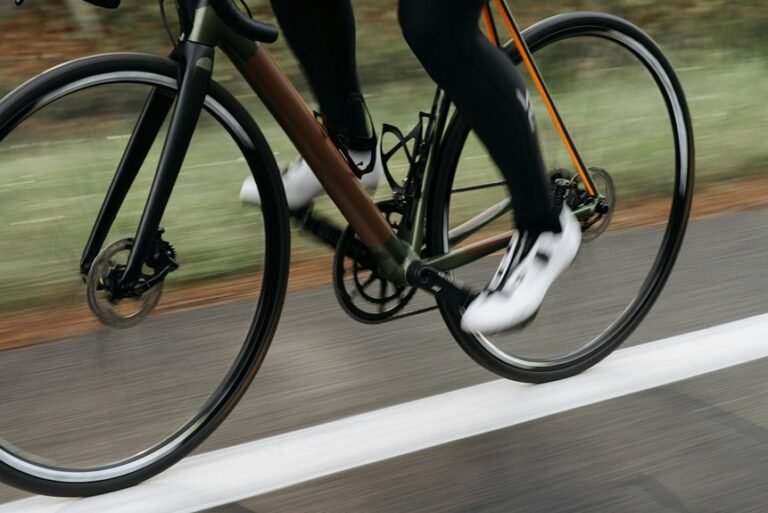
A longer wheelbase adds calm balance at low speeds and keeps the bike composed whenever you weave around curb cuts or potholes. Then disc brakes and medium-width tires help you stop with control and keep grip on wet streets.
Should you ride for work or errands, these features help you feel like you belong on busy roads, not like you’re fighting them.
Frame Geometry and Ride Control
Frame geometry does a lot of quiet work, and you’ll feel it every time you start, steer, or settle into a long ride. As the head tube geometry is a bit slacker and the frame stretches longer, your bike feels calmer, so you can relax into the group instead of bracing for every turn. That setup supports upright comfort, keeps your eyes up, and helps you feel part of the street, not stuck fighting it.
| Geometry | Effect | You Feel |
|---|---|---|
| Taller front | Easier posture | Less strain |
| Slacker angle | Steadier steering | More confidence |
| Longer wheelbase | Better balance | Smooth control |
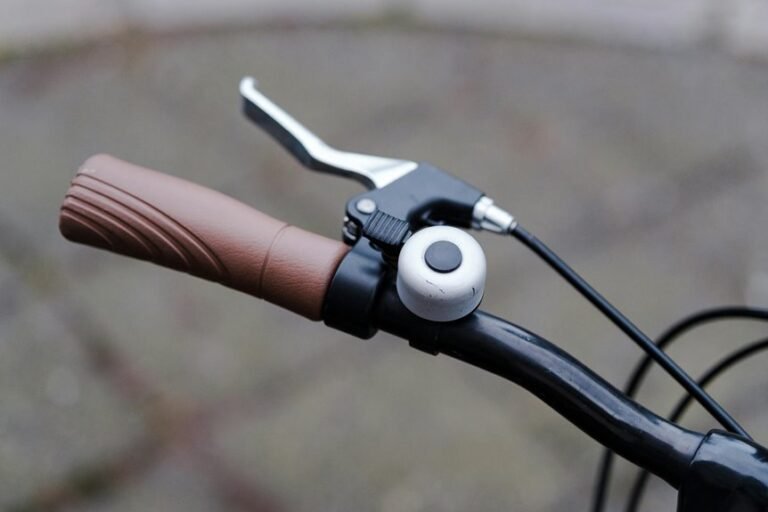
With flat bars, you guide the bike with simple hand moves, and that friendly feel makes commuting less tiring and more welcoming.
Suspension Features for Smoother Rides
Over rough pavement, suspension can turn a jarring ride into something far easier on your body. When you choose a hybrid bike with front suspension, you get better shock absorption on cracks, curb edges, and patched streets. That means more suspension comfort, especially when you ride to work or cruise with friends.
- A suspension fork softens sudden hits.
- A suspension seatpost adds extra cushioning where you sit.
- Together, they help you stay relaxed and steady.
You don’t need heavy travel gear to feel the difference. Even on everyday roads, these parts smooth out chatter so your hands, back, and shoulders can breathe easier. As a result, you can enjoy longer rides with less fatigue and more confidence.
Smart Hybrid Bike Traction Systems
You can regard of traction systems as your bike’s quiet helper, reading the road and helping you stay steady when the surface gets tricky.
With traction sensor integration, your bike can spot slip before it becomes a problem, while adaptive grip control adjusts how firmly it responds under you.
Terrain response systems then fine-tune that support for wet streets, loose gravel, or rough patches, so you feel more in control without having to fight the ride.
Traction Sensor Integration
As soon as traction sensor integration starts working for you, the bike can feel a lot more reassuring on slick streets, loose gravel, or uneven paths. You’re not riding alone; your bike is reading the ground with you. Through sensor fusion and load monitoring, it tracks wheel slip, weight shifts, and surface changes in real time. That helps you feel part of a system built to keep rides calm and steady.
- You notice prompt warnings before traction gets sketchy.
- You get smoother feedback as your weight moves over bumps.
- You stay more confident because the bike senses what you can’t see.
Adaptive Grip Control
As the road changes fast, adaptive grip control helps your hybrid bike stay calm and sure-footed. You feel that help through grip modulation, which softens sudden wheel slip and keeps your tires biting just right.
So as you shift your hand position on flat handlebars, you keep steady control without tensing up. That matters because confidence grows as your bike listens to small moves, not big corrections. In a group ride or busy commute, you stay connected to the bike instead of fighting it.
The system works best with your natural input, so you can steer smoothly and keep your pace. It’s like having a quiet teammate who knows as to ease off and as to hold firm, without stealing the ride.
Terrain Response Systems
Whenever the pavement gets patchy or the trail turns loose, terrain response systems help your hybrid bike stay steady without making the ride feel stiff or forced.
You get smart traction that listens to the ground and adjusts in real time, so you can ride with the group and not feel left behind. Terrain response mapping guides the bike through grit, gravel, and wet corners, while surface change detection spots shifts before they shake your line.
- It softens wheel slip on loose stone.
- It keeps steering calm when the surface changes fast.
- It gives you more trust on mixed routes.
That means you can lean into the ride, stay relaxed, and enjoy the same confident feel your friends want too.
Tire Choices That Improve Stability
When you want your hybrid bike to feel steady, tire choice makes a bigger difference than many riders expect. You fit wider tires for a calmer contact patch, and you pick subtle tread for grip on loose paths without making the bike feel draggy. That mix helps you feel part of the ride, not at its mercy.
| Tire choice | Stability gain |
|---|---|
| Wide casing | Better balance |
| 700c size | Smooth roll |
| Subtle tread | Confident grip |
| Puncture resistance | Fewer stops |
Then you fine tune tire pressure tuning to match your weight and roads. Slightly lower pressure can soften chatter, while firm pressure can sharpen control. Whenever you choose well, your bike feels planted, friendly, and ready for everyday miles.
Smart Hybrid Bike Braking Features
Strong brakes can make your hybrid bike feel calm and trustworthy, and that matters more than most riders believe. Whenever you roll into traffic or down a steep path, you want control that feels steady, not sudden. Disc brakes help you keep that balance, and hydraulic braking feel gives you smooth power with less squeeze.
- You stop with less effort, so your hands stay relaxed.
- You get better wet weather stopping, which helps on rainy commutes.
- You slow down with more control, so your ride feels less jerky.
That matters because smart braking supports the same easy confidence you want from the rest of your bike. Whenever your stops feel predictable, you fit in with the flow around you and ride like you belong there.
Set Up Your Handlebars and Stem for Control
A bike that stops with calm control should also feel easy to steer, and that starts with the cockpit you hold every mile. You deserve a setup that fits your body, not the other way around. Begin with handlebar reach setup so your elbows stay soft and your hands don’t stretch too far.
Then use stem height adjustment to lift the bars until your back feels supported and your view stays open. Whenever you ride to work or around town, this upright stance can make you feel calmer in traffic and less tense on longer trips.
Test small changes, then ride a block or two. Whenever the front end feels steady and natural, you’ll know your cockpit is working with you, not against you, mile after mile.
How Smart Sensors Improve Ride Stability
Smart sensors watch your bike’s motion in real time, so you get help the moment it starts to wobble.
They can spot small balance changes fast and adjust support before the ride feels shaky.
That means you stay steadier on rough streets, and the bike feels a lot more confident under you.
Real-Time Balance Detection
How do smart sensors help you stay balanced as the road gets messy? They watch your bike’s tilt and motion in real time, so you feel steadier and more confident. After sensor calibration, the system learns your ride style and notices small shifts before they grow. That means you get balance alerts as soon as the bike starts to lean or wobble.
- You notice trouble in advance, so you can correct your body position.
- You keep a smoother line through bumps, turns, and stop-and-go traffic.
- You feel more at ease, because the bike seems to watch out with you.
This kind of feedback helps you ride like you belong on every street, even as the pavement feels a little rude.
Adaptive Stability Assist
Once the bike starts sensing a lean or wobble, Adaptive Stability Assist steps in to help you stay calm and in control. You get support that feels like a steady hand on your shoulder, not a pushy takeover.
Smart sensors read your steering, speed, and body movement, then motion stabilization algorithms adjust help in real time. Because of that, predictive balance modes can soften sudden shifts before they grow into a slide.
You’ll notice smoother cornering, calmer low-speed tracking, and less nerve-wracking wandering on busy streets. When you’re commuting, riding with gear, or just learning the ropes, this feature helps you feel like you belong on the road. It keeps the bike predictable, so you can focus on the ride, not the wobble.
How to Ride Smoothly on Rough Streets
Rough streets can make even a short ride feel shaky, but you can stay in control with the right setup and a few steady habits. You don’t need to fight every bump; you just need to move with the road and trust your bike.
- Keep your arms soft and your grip light so small hits don’t travel into your shoulders.
- Look ahead, not down, so you can plan your line for pothole routing before it surprises you.
- Ease your speed over cracked patches and stand slightly on the pedals as the street turns harsh.
That rhythm helps build rough pavement comfort and keeps you feeling part of the ride, not at war with it. As the surface changes, stay relaxed, breathe, and let smooth inputs do the work.
How to Choose a Stable Hybrid Bike
When you choose a stable hybrid bike, start with frame geometry because it shapes how calm and confident the bike feels under you. A slacker head tube angle and a longer wheelbase usually give you steadier steering, while an upright riding position helps you stay comfortable and see the road more clearly.
Then look at tire width, since wider tires can add grip and smooth out rough patches without making the ride feel heavy.
Frame Geometry
Frame geometry does a lot of quiet work in how stable a hybrid bike feels, and that starts with the bike’s shape under you. You want urban comfort geometry because it keeps you upright, calm, and ready to fit in with the daily ride crowd. A relaxed commuter fit also helps you feel steady, not stretched out and tense.
- A taller head tube lifts your chest and eases strain.
- A shorter top tube brings the bars closer, so steering feels natural.
- A slacker head tube angle makes the bike track straight and feel less jumpy.
As these parts work together, you get a bike that feels friendly in traffic and easy on longer rides. That balance matters as you want confidence without feeling like you’re wrestling your own wheels.
Tire Width
Tire width can change how steady your hybrid bike feels more than many riders expect. You want a size that matches your routes, so you can join the ride with confidence instead of guessing. Wider tires usually calm the bike on rough streets, while medium widths keep speed and control in balance.
| Width | Feel | Best use |
|---|---|---|
| 32mm | Quick | Smooth roads |
| 35mm | Balanced | Daily commuting |
| 38mm | Stable | Mixed pavement |
| 40mm | Planted | Rough paths |
| 45mm | Cushioned | Extra comfort |
With tire pressure optimization, you fine-tune grip and comfort. Lower pressure adds trust on bumpy roads, but too little can feel mushy. Look for puncture resistance too, because a tougher tire lets you ride relaxed and stay part of the pack, not stuck at the curb.
Frequently Asked Questions
How Does Wheelbase Length Affect Handling With Cargo Loads?
A longer wheelbase helps a cargo bike stay composed by spreading weight more evenly and reducing front end twitchiness. It gives heavy loads a calmer feel, improves stability in corners, and makes steering smoother when the bike is fully packed.
Do Riser Bars Improve Visibility for Shorter Riders?
Yes, riser bars can improve your view if you are shorter because they raise your hands and upper body. That higher position can lift your line of sight, helping you see more clearly and ride with greater confidence in traffic.
Can Suspension Seatposts Reduce Fatigue on Daily Commutes?
Yes, a suspension seatpost can take the edge off daily commuting by absorbing sharp hits from potholes, cracked pavement, and curb drops. That extra cushioning can leave your lower back, hips, and hands feeling less beaten up, so you arrive with more energy and less stiffness.
Are Hydraulic Disc Brakes Better in Rain Than Mechanical Ones?
Yes, hydraulic disc brakes usually stop more effectively in rain than mechanical ones. They provide more even lever feel, stronger control on wet roads, and more precise modulation, which helps when traction is reduced.
Which Tire Width Feels Most Stable on Mixed Surfaces?
Medium width tires often feel the most planted on mixed terrain. They give you enough tread contact for gravel and rough pavement, while still rolling smoothly on asphalt and hardpack. That balance helps keep steering steady and control predictable across changing surfaces.