
You want a fast electric bike that still makes sense for daily roads, weekend trails, or a cramped garage. The right choice depends on range, tire size, frame style, battery capacity, and how much weight the bike can carry without feeling awkward. Some of these picks lean toward city comfort, while others are closer to dirt-bike energy with throttled speed and heavier frames. This roundup helps you sort out which 30 mph-capable ride fits your commute, your storage space, and your terrain.
Quick Look At The Shortlist

Jasion Thunder Electric Bike 26” Fat Tire
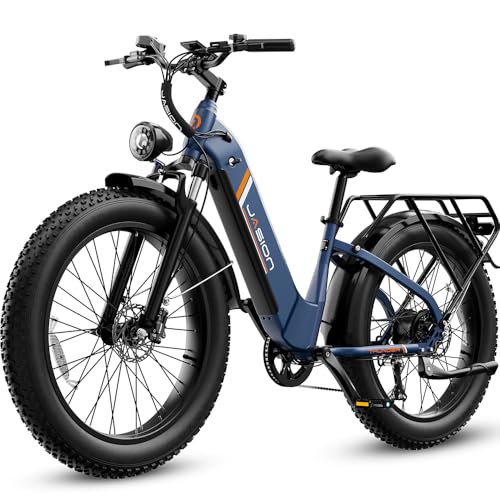
Jasion Thunder Electric Bike 26” Fat Tire

Jasion Thunder Electric Bike 26” Fat Tire

Gotrax R1 20” Folding Electric Bike

Foldable Electric Bike 14” Mini Ebike

TST Electric Bike for Adults 48V 15Ah

ESKUTE Electric Dirt Bike 48V23Ah

Yozma IN10 Electric Dirt Bike 48V/23AH

TST Electric Bike for Adults 48V 15Ah
Heavy-duty bikes ask a little more from your garage space, and this Jasion model leans into that reality with 26-inch fat tires and a 400-pound capacity. For bigger riders, rough pavement, or sandy paths, that combination matters more than flashy trim. It feels built for people who want speed headroom without having to baby the bike.
The 864Wh battery and 80-mile claim point toward longer gaps between charging, though your terrain and assist level will shape the real result. Compared with the folding Gotrax R1, this one gives up portability for a sturdier, more planted ride, and that trade-off makes sense for suburban cruising or mixed-surface errands.
What We Like
- 26-inch fat tires add grip and cushion on broken streets.
- High payload capacity suits heavier riders or loaded weekend runs.
- Large battery capacity supports longer outings with fewer stops.
- Strong peak motor output should feel helpful on hills and quick merges.
Points To Note
- The bigger frame will take more room in storage than a folding bike.
- Fat tires usually mean a bit more rolling resistance on smooth pavement.
- At this size, routine upkeep and tire care matter more than on lighter commuters.
Feature Snapshot
Who It Suits Best
Commuters with rough pavement, heavier riders, and weekend explorers on mixed surfaces should get the most from this build.
A Better Fit Elsewhere
Gotrax R1 20” Folding Electric Bike suits city riders who need tighter storage and easier carrying.
This version of the Jasion Thunder sits closer to a city-bike mindset, which makes sense for errands, mixed pavement, and weekday trips. You still get the same fat-tire stability, but the overall role shifts toward daily riding instead of hauling or trail abuse. That narrower purpose can be a good thing.
Compared with Item 1, this pick reads as the more straightforward urban option, while Item 3 is the more value-focused sibling. In most neighborhoods, that middle ground can feel easier to live with than a bike that pushes hard in every direction at once.
Bright Spots
- Fat tires help smooth out cracked streets and patchy pavement.
- City-bike positioning fits regular errands and short commutes.
- Power reserve leaves room for hills and heavier riders.
- The build should appeal to riders who want confidence more than compact storage.
Worth Noting
- Without folding hardware, storage takes more thought in smaller homes.
- The broader frame feels less convenient on public-transit-heavy routines.
- Owners often keep an eye on tire pressure and brake wear with a bike this size.
Details At A Glance
Who Will Love This
Urban riders who want a strong, stable e-bike for errands, commuting, and weekend cruising should feel at home here.
Where A Sibling Pick Shines
Jasion Thunder Electric Bike 26” Fat Tire in Item 1 fits heavier riders better thanks to the published 400-pound capacity.
The third Jasion listing makes the strongest case for shoppers who want the core platform without overthinking the decision. You still get the same 26-inch fat-tire format, long-range battery claim, and high peak motor output, so the basic use case stays familiar. The appeal is simple: strong hardware, minimal fuss.
Compared with Item 2, this one feels more like a price-conscious route into the same family, and it stands apart from Item 1 because it does not try to be the heavy-hauler. That makes it a sensible fit for riders who want the Thunder formula and care more about function than extras.
Standout Traits
- Same fat-tire platform gives you a steady, forgiving ride feel.
- High-capacity battery supports longer neighborhood and trail outings.
- Motor output should handle daily hills without much drama.
- Straightforward setup makes the bike easier to place in a first e-bike role.
Softer Spots
- Storage and lifting still follow the rules of a full-size e-bike.
- The feature set is practical, but not especially compact or travel-friendly.
Core Details
Built With In Mind
Riders who want the Thunder layout and a practical, no-nonsense setup should look here first.
Swap It Out When
Gotrax R1 20” Folding Electric Bike suits people who need a smaller footprint for stairs, storage, or transit links.
Storage matters more than most people expect, and the Gotrax R1 answers that with a folding frame and a 20-inch wheel format. At roughly 50 pounds, it still has some heft, but it’s far easier to tuck into an apartment corner than the full-size fat-tire bikes above. That makes it a practical city companion rather than a trail bruiser.
The 500W peak motor, 48V battery, and five pedal-assist levels point toward a calmer ride profile than the 30 mph-capable entries in this list. Compared with the Jasion models, it gives up outright speed for portability and easier handling, which suits train commutes and short mixed-mode trips.
Reasons To Buy
- Folding design makes storage and transport easier in tighter homes.
- 20-inch wheels keep the bike compact and city-friendly.
- Five assist levels let you fine-tune effort on the move.
- Rear rack adds useful carry space for everyday errands.
- Dual brakes help the bike feel more composed in stop-and-go traffic.
Areas To Watch
- Its 20 mph speed ceiling sits below the faster bikes in this roundup.
- The 50-pound weight still matters on stairs or platform transfers.
- Folding hinges usually deserve periodic checks for tightness and clean alignment.
At A Glance
Whose Shelf It Belongs On
Urban commuters, apartment dwellers, and riders who need a fold-and-store routine should look here first.
Another Choice May Suit
RPINT Foldable Electric Bike for Adults and Teens fits people who want a smaller 14-inch format and a more portable commuting shape.
This RPINT model takes the compact idea even further than the Gotrax R1, with a 14-inch mini frame that makes everyday carrying and storage feel more realistic. That smaller footprint is useful in dorms, tight apartments, or car trunks where a full-size bike would be a nuisance. The trade-off is plain: compact convenience comes before road-dominating presence.
The 740W peak motor and removable 48V battery give it more punch than its tiny profile might suggest, while the claimed PAS range of 30 to 60 miles depends heavily on assist use and route conditions. For short urban hops and mixed-mode travel, it can feel like a neat little tool, almost like a pocketknife for commuting.
Highlights
- 14-inch folding format is easy to store and lift.
- Removable battery helps with indoor charging and security-minded routines.
- Passenger-friendly sizing suits adults and teens who want a smaller ride.
- Wide PAS range claim gives you room to stretch or conserve battery use.
Small Caveats
- The tiny wheel size may feel less settled on broken pavement than larger bikes.
- Compact builds often ask more of balance and rider confidence.
- Range varies a lot with hills, assist level, and cargo load.
Technical Sheet
Perfect Match For
Space-conscious commuters, college riders, and anyone who moves the bike often should find the format appealing.
Look Elsewhere When
Gotrax R1 20” Folding Electric Bike suits riders who want a larger wheel size and a more traditional folding-bike feel.
Some e-bikes chase speed first, but this TST leans into comfort, which matters more for commuting than many shoppers expect. Dual suspension, a fat tire setup, and seven gears make it friendlier on uneven streets, and the LCD display helps keep the ride easy to follow. It feels like the calmest all-rounder in the group.
Compared with the Jasion fat-tire trio, this bike looks less brute-force and more everyday practical. That balance should suit newer riders, especially those who want a little assist on hills without stepping into motorcycle-style power or bulky trail hardware.
Upsides
- Dual suspension helps take the edge off cracked pavement and bumps.
- Seven gears add flexibility for mixed terrain and changing effort levels.
- Three working modes give you straightforward ride control.
- LCD display keeps key ride information easy to read at a glance.
Room For Improvement
- It does not fold, so storage takes more planning than on compact commuters.
- Heavier comfort bikes can feel less nimble in tight indoor spaces.
- Suspension systems usually benefit from regular checks and occasional cleaning.
Feature Rundown
Right Fit For
Commuters and newer riders who want comfort, easy control, and a less aggressive ride should look here first.
Reach For A Different Pick When
Gotrax R1 20” Folding Electric Bike is the better match for riders who need a bike that folds for storage or transit.
This ESKUTE lands in a different lane from the commuter bikes above, because the mid-drive layout, 3500W peak output, and motorcycle-style format are aimed squarely at trail-minded riding. The claimed 38 to 46 mph range and 220Nm torque signal strong acceleration, and the 48V 23Ah battery backs that up with a longer 53-mile figure. That’s the kind of machine for people who want dirt-bike energy, not just a quick commute.
Compared with the Yozma IN10, it sounds even more aggressive on paper, while the TST commuter bikes are far gentler and easier to park in a neighborhood garage. The honest read is that this one suits open space, not casual sidewalk use, so the ride environment matters a lot.
Best Bits
- Mid-drive setup usually helps power feel more direct and responsive.
- 3500W peak output gives the bike serious acceleration potential.
- 48V 23Ah battery supports long trail sessions before recharging.
- Hydraulic nitrogen shock design is meant to hold up better under sustained jolts.
- Battery management features add peace of mind around heat and charging behavior.
Honest Caveats
- Its speed and power place it well outside the comfort zone of casual city errands.
- Heavier off-road hardware takes more room and more effort to move around.
- Trail-focused machines often need more routine cleaning after muddy rides.
- The learning curve is steeper than on a basic commuter e-bike.
Spec Overview
Who Should Grab It
Trail riders and speed-focused teens or adults who want a powerful off-road machine should focus here.
A Better Fit Elsewhere
Yozma IN10 Electric Dirt Bike suits riders who want a slightly calmer off-road setup with hydraulic braking and suspension emphasis.
The Yozma IN10 feels built around control as much as speed, and that’s where the hydraulic brakes and suspension package matter. A 2600W motor and 40 mph top-end claim put it firmly in high-output territory, but the supporting hardware is what makes the spec sheet feel more coherent. For riders who want a dirt-bike shape with better braking confidence, that mix is appealing.
Compared with the ESKUTE, this one is less extreme on peak output, and that can make it a touch easier to live with around open trails or private property. It still sits far beyond the commuter bikes in this roundup, so it belongs to riders who already know they want off-road character first.
Strong Points
- Full hydraulic brakes support stronger, more controlled stopping behavior.
- Suspension helps the bike handle rough trail chatter with less punishment.
- 48V/23Ah battery offers solid endurance for longer rides.
- The 40 mph claim places it squarely in fast off-road territory.
Minor Gripes
- The size and performance level are more than many casual riders need.
- Off-road hardware asks for more storage space and maintenance attention.
- Hydraulic systems usually reward careful upkeep and occasional inspection.
Feature Card
The Right Fit
Trail riders who want a fast off-road machine with stronger braking hardware should look closely here.
Skip It When
TST Electric Bike for Adults 48V 15Ah is the softer, easier choice for commuting and beginner-friendly road use.
The last TST listing brings the same comfort-first formula back into the roundup, and it still makes sense for city roads and relaxed commuting. With the fat tires, dual suspension, 7-speed gearing, and three working modes, it has the kind of setup that keeps the ride from feeling too twitchy. That calm personality matters more than raw speed for many everyday trips.
Compared with the more aggressive dirt-bike picks, this model is much easier to picture in normal neighborhood use. It’s also a more approachable starting point than the Jasion fat-tire bikes for people who want less bulk and a smoother learning curve.
Positives
- Dual suspension helps soften rough streets and patched pavement.
- Seven gears give you more control over pedal effort.
- Three working modes make the bike easier to tailor to your route.
- LCD display keeps ride info readable without much distraction.
Worth Noting
- It’s still a full-size e-bike, so storage needs more space than a folder.
- Comfort-focused parts can add weight compared with lean commuter bikes.
- Suspension and drivetrain parts usually reward routine cleaning and tuning.
Core Details
Who It Suits Best
Commuters, new riders, and anyone who wants a comfortable all-around e-bike should feel comfortable here.
Not Your Match When
Jasion Thunder Electric Bike 26” Fat Tire fits riders who want bigger tires, a larger battery, and a heavier-duty stance.
How To Choose The Right 30 Mph Electric Bikes
Match Speed To Your Actual Routes
Speed looks exciting on paper, but your roads decide how useful it feels. Smooth bike lanes and long straight stretches make a 30 mph-capable e-bike more worthwhile than short, stop-heavy city blocks.
For daily errands, a bike that reaches higher speed only briefly can still be a good fit. For open suburbs, rural connectors, or long commuting stretches, that extra headroom usually feels more practical.
Think About Frame Style And Storage
Full-size fat-tire bikes feel stable and planted, but they take real room in a garage or apartment. Folding models like the Gotrax R1 and RPINT mini e-bike solve storage headaches, though they usually trade away some comfort and road presence.
That trade-off matters more than many shoppers expect. A bike that fits your hallway or trunk gets used more often than a stronger one that stays in the shed.
Battery Capacity And Range Shape Daily Ease
Battery size affects how often you plug in, and that changes the rhythm of ownership. Larger packs like the 864Wh Jasion battery or the 48V 23Ah packs on the dirt bikes are useful for longer routes and fewer charging stops.
Smaller batteries can still work well for short commutes. The key is to match your real weekly mileage, not the biggest range claim on the page.
Comfort Hardware Matters More Than It Seems
Fat tires, dual suspension, brake type, and gearing change how relaxed the bike feels after 30 minutes in the saddle. TST’s dual-suspension layout is a good example of a comfort-first setup, while the Yozma IN10’s hydraulic brakes matter more for control at higher speeds.
For mixed roads, comfort parts are worth paying attention to because they reduce the sense of punishment from cracked pavement and uneven paths. That’s the difference between a bike you tolerate and one you actually reach for.
What To Weigh Before You Commit
Common Shopping Slip Ups
Many shoppers focus on top speed and skip the frame style, which is where regret starts. A 30 mph-capable bike that’s too large for your storage or too heavy for stairs gets old quickly.
Another common miss is overlooking battery use on hills. Range drops faster on steep routes, so a commuter who lives in a hilly neighborhood should favor larger battery capacity and a more efficient assist setup.
The Upgrade Payoff
Higher-tier models usually cost more because the hardware has to do more work. Bigger batteries, stronger motors, hydraulic brakes, and better suspension all add material, complexity, and weight.
That extra spend makes more sense for steep terrain, longer commutes, and riders who want a calmer ride at higher pace. For short, flat trips, the simpler bikes in this roundup already cover a lot of ground.
Frequently Asked Questions
Are 30 mph electric bikes suitable for daily commuting?
They can be, especially on longer routes with fewer stops and room to ride smoothly. A folding or comfort-oriented model often fits city use better than a dirt-bike style frame.
Do fat tires make a big difference?
Yes, fat tires usually add a steadier feel on rough pavement, loose shoulders, and light trail surfaces. They also tend to make the bike feel less nimble than a slim-tire commuter.
Is a larger battery always better?
Not always, because a bigger battery can add weight and bulk. The better choice is the pack size that matches your real daily range and charging routine.
What matters more, motor power or braking?
Both matter, but braking becomes more important as speed rises. A faster bike with weak stopping hardware is a poor match for busy roads or hilly routes.
Are folding electric bikes a good option here?
Yes, especially for apartment living, car trunks, or trips that mix riding with transit. You give up some stability and comfort, but you gain easier storage and carry convenience.
Final Verdict
Your best match depends on how you ride, not just how fast the listing sounds. Jasion’s fat-tire bikes suit heavier riders and rougher roads, Gotrax and RPINT make storage easier, and the TST bikes lean toward comfort for everyday use. The ESKUTE and Yozma dirt bikes belong to a much more aggressive off-road crowd. Pick the one that fits your space, your route, and how much bike you actually want to manage each day.