
Choosing bikes for kids gets easier once you match the ride to the child, not the other way around. A 20-inch BMX-style bike, a small balance bike, and a retro cruiser all solve different problems, from first wobbly starts to confident neighborhood loops. This roundup focuses on fit, frame style, size range, and the kind of day-to-day use each pick handles best. It should save you from buying something that looks right but feels wrong after the first block.
The Shortlist At A Glance

JOYSTAR Brockway Freestyle Kids BMX Bike

JOYSTAR Brockway Freestyle Kids BMX Bike

Hiboy BK1 Kids Electric Balance Bike
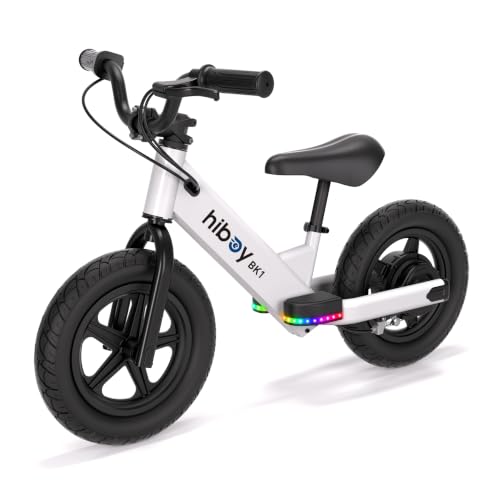
Hiboy BK1 Kids Electric Balance Bike


Glerc Little Molly Retro Cruiser Bike
JOYSTAR Pluto Kids Bike with Light-Up Training Wheels
JOYSTAR Pluto Kids Bike with Light-Up Training Wheels
More Details On Our Top Picks
JOYSTAR’s Brockway is the sort of bike that makes sense for a child who wants a BMX shape without jumping into something overly aggressive. The 20-inch and 24-inch wheel options help it cover a wider span of ages, and that matters for families trying to avoid another upgrade too soon.
The trade-off is that BMX geometry usually feels firmer and more upright than a cruiser, so comfort depends a lot on the child’s height and riding style. For backyard ramps, block rides, and weekend pavement loops, it’s a sensible fit, and the two pegs add a little freestyle flavor without overcomplicating the setup.
Strong Points
- Two wheel sizes make sizing easier across a wider age span.
- BMX styling suits kids who like a sportier stance and direct steering.
- The included pegs are useful for beginner freestyle practice and simple tricks.
- It fits everyday neighborhood riding without feeling delicate or overly special-purpose.
Things To Consider
- BMX posture feels less relaxed than a cruiser, so comfort depends on the child.
- Assembly and regular bolt checks matter, as with most kids’ bikes in this style.
- Color selection can vary by listing, so the exact finish may not match every photo.
Feature Snapshot
Who It Suits Best
Kids who already feel comfortable on a pedal bike and want a BMX look will get the most out of it.
Where A Sibling Pick Shines
Glerc Little Molly Retro Cruiser Bike is a better fit for kids who want a more relaxed posture and basket-friendly styling.
This Brockway listing stands out for the extra protection-plan language, which is useful for households where scraped parts and rough handling are part of normal life. The bike itself is the same BMX-style idea as Item 1, so the real difference here is the surrounding coverage rather than a separate riding character.
That makes it a calmer choice for families who worry about accidental damage or who expect a few hard knocks during the learning phase. The honest read is that it’s less about flashy features and more about reducing the sting of everyday mishaps.
What We Like
- Coverage language is helpful for rough-use situations and early learning stages.
- Support access is stated clearly, which adds confidence for first-time setups.
- The claims process is presented in plain terms, so the path forward is easy to understand.
Room For Improvement
- The protection-plan details are about coverage, not the bike frame or ride feel.
- Plan rules matter, including timing and eligibility, so the fine print deserves attention.
- Families who want a purely hardware-focused listing may prefer a simpler bike-only page.
Details At A Glance
Built With In Mind
Families who value coverage language as much as the bike itself will appreciate this listing.
Swap It Out When
JOYSTAR Brockway Freestyle Kids BMX Bike from Item 1 suits you better when the ride itself matters more than protection-plan details.
The BK1 changes the pace completely, since it gives younger kids an electric balance-bike format instead of a plain pedal setup. Two speed modes, an adjustable seat, and 12-inch tires make it feel aimed at short neighborhood runs and supervised play, especially for ages 3 to 5.
The range figure and speed options matter more here than on the pedal bikes above, because they shape how long the ride stays interesting before a recharge. For families introducing powered riding in a controlled way, it’s a focused option, though it asks for more oversight than a standard bicycle.
Highlights
- Two speed settings give you a little control over the learning curve.
- The adjustable seat helps the bike stay usable as the child grows.
- 12-inch tires suit very small riders better than the larger kids’ bikes above.
- The published range makes trip length easier to plan around.
Softer Spots
- Electric riding brings battery care and charging into the routine.
- It’s a narrower age fit than the multi-size pedal bikes in this roundup.
- Supervision expectations are higher, especially around driveways and shared paths.
Core Details
Right Fit For
Very young kids who are ready for a powered balance-bike experience will get the most from it.
Another Choice May Suit
JOYSTAR Pluto Kids Bike with Light-Up Training Wheels from Item 7 suits families that want pedal-first learning with visual flair instead of a powered setup.
This BK1 listing carries the same core riding setup as Item 3, so the decision here is really about availability and listing preference rather than a different bike design. The 5.6 and 9 mph speed settings, the 12-inch tires, and the adjustable seat still point to a very small rider who is moving into electric balance riding.
In most driveways, that means short, supervised loops instead of long outings. It’s a tidy fit for a child who’s ready for a little more motion than a push bike offers, but it won’t replace a standard pedal bike for every family.
Best Bits
- Small-rider dimensions keep the bike grounded and manageable.
- The dual speed settings help you match the ride to the child’s confidence.
- An adjustable seat usually helps stretch the usable window a bit.
Minor Gripes
- Electric components add charging and storage considerations.
- It serves a narrow age range, so siblings may outgrow it at different speeds.
- The learning curve is gentler than many powered rides, but still needs supervision.
Quick Facts
Who Should Grab It
Families wanting a compact electric balance bike for a preschooler will find the fit straightforward.
Look Elsewhere When
Glerc Little Molly Retro Cruiser Bike from Item 6 suits you better when a pedal bike with basket charm and a more relaxed ride matters most.
This tricycle is built for the very beginning of the riding journey, where stability matters more than speed or range. The colorful lighting wheels and large basket give it more personality than the plain training-wheels bikes above, so it feels more like a play ride than a training tool.
That basket is genuinely handy for small toys, sidewalk treasures, or a snack on a walk around the block. The trade-off is simple, though, since the trike format takes up more floor space than a balance bike and will feel most natural for short, low-pressure outings.
Positives
- Three-wheel stability helps very young kids feel settled while learning.
- Lighting wheels add visual interest that many toddlers enjoy.
- The basket is useful for everyday play and tiny carry-along items.
- It suits both indoor practice and short outdoor rides in calm spaces.
Points To Note
- The trike shape needs more storage room than a smaller balance bike.
- It’s better for short sessions than longer neighborhood cruises.
At A Glance
Whose Shelf It Belongs On
Parents looking for a first ride that doubles as a toy will appreciate the simple, friendly layout.
A Better Fit Elsewhere
JOYSTAR Pluto Kids Bike with Light-Up Training Wheels from Item 7 is the better match for a child who is ready to practice pedal balance.
Glerc’s Little Molly brings a cruiser look that feels softer and more traditional than the BMX shape of the JOYSTAR Brockway. The wicker basket, training wheels, and kickstand give it a friendly, practical character, and the 12-inch to 20-inch size range makes it easier to think about as a bike that can grow with a child.
For school pickup rides, sidewalk laps, and photo-friendly family outings, that mix works very well. The honest caveat is that cruiser styling can be less punchy than a BMX, so it’s more about comfort and charm than tricks or aggressive riding.
Reasons To Buy
- The cruiser posture feels relaxed for many casual riders.
- The wicker basket is useful and gives the bike a classic look.
- Training wheels and a kickstand make the transition stages more manageable.
- The broad size span helps the bike fit different growth phases.
Areas To Watch
- Cruiser geometry is less nimble than a BMX shape.
- The basket and accessories add charm, but they also call for regular checking.
- Assembly time can feel longer than simpler starter rides.
Feature Card
The Right Fit
Kids who want a relaxed cruiser with a sweet, vintage look will feel at home here.
Skip It When
JOYSTAR Brockway Freestyle Kids BMX Bike from Item 1 makes more sense for a child who wants a sharper, sportier ride.
The Pluto line is aimed at kids who are still learning balance but want something that feels like a real bike, not a toy. Light-up training wheels add visibility and excitement, while the 12-inch through 20-inch size spread gives the bike a broad reach across ages 3 to 12.
That range makes it easier for families with a child who’s growing fast or just starting out. Compared with the Cruiser-style Glerc above, this one leans more directly into the learning phase, and that’s exactly why it works for many households.
Bright Spots
- Training wheels support early balance practice with less wobble.
- Light-up details add fun without changing the bike’s basic purpose.
- The wide size range gives it a longer useful window.
- It suits both beginners and kids who are moving toward solo riding.
Small Caveats
- Training wheels eventually become temporary, not permanent, support.
- Families looking for a cruiser feel may find it a little more direct.
- Size choice still matters, so the frame needs to match the child’s height.
Spec Overview
Perfect Match For
Families who want a pedal bike with a friendlier learning setup will find this easy to place.
Reach For A Different Pick When
Hiboy BK1 Kids Electric Balance Bike from Item 3 suits a child who wants powered balance riding instead of pedal training.
This Pluto version gives you the same age-spanning pedal-bike idea, but it carries a slightly different listing, which is worth noting for shoppers comparing color and availability. The light-up training wheels again make it feel lively for a child learning to pedal around the driveway or local sidewalk.
Compared with the more style-led Glerc cruiser, this one is more about practical first-bike confidence. For families who want a bike that can serve a beginner well without feeling plain, it lands in a comfortable middle ground.
Standout Traits
- Wide sizing supports a long stretch of childhood use.
- Light-up training wheels add both fun and visual presence.
- The bike fits the hand-holding stage of learning without looking too basic.
- It works well for neighborhood practice and casual family rides.
Worth Noting
- It still needs the usual sizing check, because growth changes fit quickly.
- Training-wheel bikes are helpful early on, but not a forever solution.
- Riders who want a cruiser or BMX personality may prefer one of the earlier picks.
Feature Rundown
Who Will Love This
Kids who want their first pedal bike to feel cheerful and confidence-building will fit here well.
Where Shoppers Go Wrong
Hiboy BK1 Kids Electric Balance Bike from Item 4 is the stronger choice for families wanting a powered balance-bike experience instead of a training-wheel model.
How To Choose The Right Bikes For Kids
Match The Bike To The Child’s Confidence
Start with riding comfort, not looks. A child who is still shaky on two wheels does better with training wheels or a balance bike, while a more confident rider can move into a BMX or cruiser faster.
Wheel size matters because it shapes standover height, reach, and how quickly the child can place feet down. The wrong size turns every short ride into a struggle, while the right size feels calm from the first block.
Choose The Frame Style For Real Use
BMX bikes usually feel sharper and more responsive, which suits neighborhood tricks and active riding. Cruisers sit more upright and relaxed, so they’re easier for casual rides, short family loops, and kids who prefer a softer feel.
Electric balance bikes are a different path altogether, and they need more supervision, charging, and storage attention. They suit families who want a powered learning step, not a traditional pedal-biking experience.
Think Beyond The First Ride
Look at growth room, accessory fit, and how much upkeep the bike will need. A basket, kickstand, or training wheel set adds convenience, but each extra part can mean a little more checking over time.
For busy households, simpler setups often win because they store easier and need less attention. For a child who rides often, the better-made frame, smoother sizing range, and more thoughtful support pieces can pay off in daily ease.
Things Worth Knowing First
Mistakes Worth Dodging
The easiest mistake is choosing by age alone and ignoring height. Two kids the same age can need very different wheel sizes, and that mismatch shows up fast in the saddle.
Another common slip is forgetting where the bike will live. A wide cruiser with accessories needs more room than a compact balance bike, and that matters in garages, apartments, and packed mudrooms.
The Upgrade Payoff
Higher-tier bikes usually spend more on frame style, sizing flexibility, and add-ons that make daily use easier. You’re often paying for a more polished fit, not just a fancier look.
That extra spend makes the most sense for children who ride often or who are close to a size transition. For occasional use, a simpler bike can be the smarter fit and leave less to manage.
Frequently Asked Questions
What size bike works best for a child?
Height and inseam matter more than age alone. The right size lets the child touch down confidently and reach the handlebars without stretching.
Are training wheels still useful?
Yes, for children who need a steadier start on pedal bikes. They help with early confidence, then become less useful as balance improves.
Is a balance bike better than a pedal bike for beginners?
A balance bike often feels easier at the very start because it removes pedaling from the equation. A pedal bike with training wheels works better when the child is ready to learn both balance and pedaling together.
What matters most in a kids’ BMX bike?
Frame fit and wheel size matter most, followed by whether the riding posture feels natural. BMX styling works best for kids who like a sportier, more active ride.
Are electric balance bikes a good first step?
They can be, especially for small riders who are ready for supervised powered riding. They need more attention than a standard bike because charging and supervision become part of the routine.
Closing Thoughts
The right bike for a child is the one that fits the way they ride right now, not the one that looks bold on a screen. A BMX shape suits active kids, a cruiser suits relaxed neighborhood loops, and a balance bike or trike helps the youngest riders start with less wobble. Keep size, storage, and daily use in mind, and the choice gets much clearer. Once those pieces line up, the bike starts doing its real job, which is making the next ride feel easy enough to want another one.