

Rear visibility matters most when traffic is busy, weather turns dull, or your route mixes cars, side streets, and bike lanes. The right taillight gives you a stronger rear signal without turning your cockpit into clutter, and that balance matters on daily commutes as much as on long weekend rides.
This roundup focuses on shape, brightness, mounting style, battery behavior, and extra functions like brake sensing or turn signals. You get a clean view of which models suit simple road riding, which fit cargo setups, and which are better for riders who want more feedback from the light itself.
Quick Look At The Shortlist


MagicShine SEEMEE 300/400 Bike Taillight

NiteRider Solas 250 Lumens USB Rechargeable Bike Tail Light

WSDCAM Smart Bike Tail Light for Cargo Rack
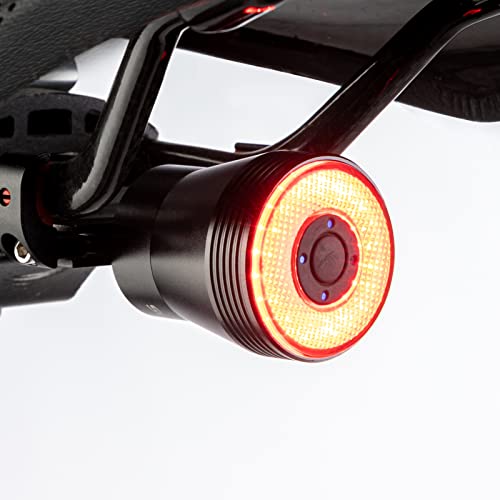
ROCKBROS Bike Tail Light Smart,Brake Bicycle Rear Lights
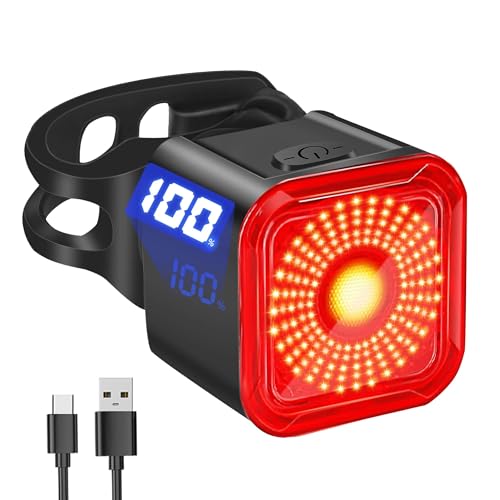
DARKBEAM Bike Tail Light with LED Display Screen

Planet Bike Superflash Turbo Bike rear light

BLITZU Bike Front/Tail Light, Bright USB-C Rechargeable
More Details On Our Top Picks
Planet Bike keeps this one straightforward, which works well for commuters who want a rear light they can set and forget. The 28 LED microchips help explain the clean, bright output, and the reflector function matters on rides where the light is off but passive visibility still helps.
The runtime spread is the real story here, especially the long flash setting that stretches far beyond a short evening loop. Compared with heavier feature sets like MagicShine SEEMEE 300/400 or WSDCAM’s turn-signal setup, this feels calmer and easier to live with.
Strong Points
- Long runtime options suit routine commuting without constant charging.
- The reflector function adds a second layer of rear visibility.
- Three modes keep the setup simple for everyday use.
- Compact, no-fuss design fits most seatpost mounts cleanly.
Things To Consider
- The 13-lumen output is modest beside brighter premium models.
- It stays focused on basics, so you do not get smart sensing or remote controls.
- Riders covering unlit rural roads may want more output.
Feature Snapshot
Who It Suits Best
You get the most from this light on daily city routes, mixed bike-lane travel, and low-drama rides where reliability matters more than extra controls.
Where A Sibling Pick Shines
Planet Bike Superflash Turbo fits better for riders who want a sharper flash pattern and a leaner, more attention-grabbing rear signal.
MagicShine leans hard into visibility, and that shows in the dual-LED layout and the high claimed output. The smart brake sensor is the headline feature, because it adds a more reactive rear signal for traffic-heavy streets and fast starts after stoplights.
Compared with Planet Bike Grateful Red, this is the more advanced, more assertive option, though that extra capability usually comes with a busier setup. Riders on darker urban routes or fast evening commutes will likely value the 360-degree visibility concept most.
What We Like
- Two LEDs give the rear light a strong, layered beam.
- Brake sensing helps the light respond to quick slowing.
- High output suits city riders who want stronger rear presence.
- The wider-angle lens design supports visibility from more than one direction.
Room For Improvement
- The more complex feature set takes more attention during setup.
- Bright output can feel like overkill for quiet neighborhood rides.
- Riders who prefer a simple on-and-go light may find it more involved than needed.
Core Details
Who Will Love This
You get the best fit here on faster city routes, winter commutes, and any ride where you want a more forceful rear signal.
Look Elsewhere When
Planet Bike Grateful Red suits you better for simpler use, while WSDCAM makes more sense for cargo bikes that need rack mounting and turn signals.
NiteRider keeps the Solas tight and practical, which is exactly why commuters tend to like this style of light. The 250-lumen output sits in a useful middle ground, strong enough for a serious rear signal without pulling the setup into overbuilt territory.
The compact package dimensions also suggest an easy fit on bikes where space around the seatpost is limited. Compared with the more loaded MagicShine and WSDCAM picks, this one is the calmer choice for riders who want visibility without extra menu handling.
Positives
- 250 lumens gives the rear light real presence in traffic.
- The compact shape should tuck in neatly behind the saddle.
- USB charging suits routine use for commuters and short-haul riders.
- Daylight visibility focus helps on early starts and late finishes.
Small Caveats
- The light stays focused on core rear illumination, so it lacks smart extras.
- The listing gives size data, but not deeper mounting detail in the source set.
Technical Sheet
Whose Shelf It Belongs On
You should look here for daily riders, city commuters, and anyone who wants a dependable rear light without a pile of extra features.
Skip It When
MagicShine SEEMEE 300/400 fits better for riders who want a smarter brake sensor and a brighter, more aggressive rear signature.
This WSDCAM unit clearly targets utility bikes, because the rack mount and turn signals make the most sense on cargo setups, school runs, and delivery-style rides. Auto on and off is the kind of convenience feature that starts to matter once your bike lives in real daily use rather than weekend-only storage.
The brake-light behavior and included wireless remote push it well beyond the basic rear-light lane. Compared with the simpler Planet Bike and NiteRider models, this one asks for a little more setup, but it also covers more riding scenarios in one unit.
Highlights
- Rack-mount design suits cargo and utility bikes naturally.
- Turn signals add clearer handoff cues in traffic.
- Brake-light function gives the rear signal more meaning at stops.
- Wireless remote keeps the controls within easy reach.
- Auto on and off helps reduce routine handling.
Areas To Watch
- The feature stack can feel busy on a simple road bike.
- Rack mounting narrows the fit compared with seatpost-only lights.
- More moving parts usually mean more attention to installation and alignment.
Details At A Glance
Built With In Mind
You get the best fit here on cargo bikes, family transport setups, and utility riders who need clear rear communication more than a bare-bones light.
Another Choice May Suit
Planet Bike Grateful Red is the cleaner pick for standard commuting, while ROCKBROS suits riders who want a simpler smart brake-light approach.
ROCKBROS keeps the formula familiar but useful, especially for riders who want a brake-aware rear light without moving into a full utility-system setup. The Type-C charging port is a practical touch, since many commuters now prefer one cable standard across multiple devices.
The dual-bracket note matters too, because it gives you a better shot at fitting different seatpost or saddle-area layouts. Compared with the feature-heavy WSDCAM, this feels cleaner and easier to slot into a standard road or city bike.
Best Bits
- Brake-reactive behavior adds a useful cue in stop-and-go traffic.
- Type-C charging keeps day-to-day power handling simple.
- Dual bracket mounting widens fit options.
- IPX6 water resistance suits wet commutes and changeable weather.
Points To Note
- The listing focuses on core functions, so you do not get cargo-bike extras.
- Mounting choices are useful, though the right fit still depends on your frame space.
- Riders chasing the brightest possible rear output will want to compare it with MagicShine.
Quick Facts
Right Fit For
You should look here for regular road riders and commuters who want a tidy brake-light upgrade without extra controls or cargo-bike hardware.
Where A Sibling Pick Shines
WSDCAM fits better for utility riders who want turn signals and rack mounting, while Planet Bike Grateful Red suits purists who want a simpler rear light.
DARKBEAM stands out because the display screen and mode memory push the experience toward convenience rather than raw brightness alone. The six light modes cover a lot of riding styles, and the memory function saves you from stepping through the same sequence every time you head out.
That sleep behavior is a nice touch for commuters who stop often, because the light can settle down and wake with vibration instead of sitting active the whole time. Compared with ROCKBROS and Planet Bike Grateful Red, this one feels more modern in daily handling, though the trade-off is a slightly more involved feature set.
Bright Spots
- LED display screen adds a clear visual interface.
- Six modes cover commuting, group rides, and darker roads.
- Mode memory makes repeat use less fiddly.
- Brake sensing and vibration wake support everyday convenience.
- USB-C charging suits current cable setups.
Minor Gripes
- The extra features make it less bare-bones than a classic rear light.
- IP55 protection is solid for routine weather, though it sits below the higher water-resistance rating on ROCKBROS.
- Some riders will prefer a simpler interface with fewer visual elements.
Feature Rundown
Perfect Match For
You get the best fit here for commuters and detail-minded riders who like having visible mode feedback and a little more control over the rear light.
Where Another Pick Suits Better
Planet Bike Grateful Red suits riders who want a simpler, longer-runtime rear light, while WSDCAM is the better match for cargo-bike signaling.
Superflash Turbo keeps the formula narrow and effective, which is exactly what some riders want from a rear light. The focused lens and flash pattern are built to catch attention fast, and the long runtime gives you plenty of room between charging sessions.
Compared with the Grateful Red model from the same brand, this one leans harder into punchy flash behavior rather than a broader mix of modes. You may find that cleaner approach ideal on fast city commutes, especially where a strong visual pulse matters more than extra lighting options.
Upsides
- Focused lens helps the flash pattern read sharply from behind.
- Long runtime supports regular commuting habits.
- Simple mode set keeps daily use uncomplicated.
- Compact build works well on stripped-down bike setups.
Worth Noting
- The feature list stays intentionally lean.
- Riders wanting brake sensing or smart controls need to look elsewhere.
- Its output profile is about presence, not layered system integration.
Spec Overview
Made For
You get the best fit here for riders who want a compact, attention-focused rear light with a straightforward interface.
A Better Fit Elsewhere
Planet Bike Grateful Red is better for riders who want more mode variety, while NiteRider Solas suits commuters who want a stronger 250-lumen output.
BLITZU takes a different angle by pairing a front light and rear light in the same family, which helps riders building a complete visibility setup without shopping piecemeal. The six modes and USB-C charging make it easy to work into everyday cycling, especially for short commutes and casual road rides.
Compared with the single-purpose picks above, this makes the most sense for riders who want both ends covered with one product line. The honest read is that its value depends on needing both lights, because a rear-light-only shopper may prefer the cleaner focus of Planet Bike or NiteRider.
Reasons To Buy
- Front and rear pairing helps build a matched lighting setup.
- USB-C charging keeps power management simple.
- Six modes support varied riding conditions.
- Easy installation suits quick weekend setup and casual commuters.
Softer Spots
- The dual-use concept matters most when you need both lights.
- Rear-light-only shoppers may not need the front component.
- The source data stays brief, so deeper mounting details are not provided here.
Feature Card
Who Should Grab It
You get the best fit here for casual cyclists, new commuters, and anyone setting up both front and rear visibility at the same time.
Swap It Out When
Planet Bike Grateful Red suits you better for a dedicated taillight, while DARKBEAM is the stronger choice for riders who want a display screen and mode memory.
How To Choose The Right Bike Taillights
Brightness, Beam Shape, And Real Visibility
Lumen output tells you how much light a unit can produce, but beam shape decides how that light reads from a car’s perspective. A focused beam suits fast road rides, while a wider lens can help on busier streets where side visibility matters. For most city commuters, a rear light with a clean flash pattern and a stable steady mode covers more ground than raw brightness alone.
You also want to think about how often you ride in daylight versus darkness. Daytime-visible models matter on overcast commutes and longer urban routes, while lower-output lights can still work well on neighborhood rides or in protected bike lanes. Brightness helps, but placement and flash behavior often decide whether the light feels useful or just loud.
Mounting Style And Bike Fit
Seatpost mounts suit the widest range of bikes and usually keep setup simple. Rack mounts make more sense on cargo bikes, utility bikes, and commuter bikes with rear racks already installed, because the light sits where the bike’s structure gives it room. The trade-off is flexibility, since a rack-specific unit may not suit a stripped-down road build.
Check the shape of your saddle rails, seatpost diameter, and any pannier clearance around the rear end of the bike. A compact light like NiteRider Solas usually stays easier to place than a rack-based model with turn signals. That’s why fit matters as much as output, especially on bikes with tight seat clusters or integrated accessories.
Battery, Charging, And Daily Convenience
USB charging keeps the routine simple, and USB-C is especially handy because it matches many current cables. Long runtimes help commuters who don’t want to charge every couple of days, while memory modes and auto sleep functions cut down on small daily annoyances. Those convenience touches matter most when the bike is used for transport, not just exercise.
Higher-capacity or more feature-rich units often ask for more attention during charging and setup. A plain light with long runtime can feel calmer in practice, while a smart model may reward you with brake sensing or remote control. The right call depends on how much control you want to manage before and during the ride.
A Quick Reality Check
Common Shopping Slip Ups
Many shoppers focus on brightness and ignore mount style, which leads to awkward fit once the light arrives. Another common miss is overlooking the riding environment, because a light built for city traffic can feel weak on dark rural roads. The safer move is to match the light to the route first, then to the feature list.
Battery behavior gets skipped too often. A model with strong output but short runtime may suit occasional rides, yet it becomes annoying for daily commuting. Look at charging style, mode memory, and how many steps you’ll take every time you head out.
When Paying More Pays Off
Higher-tier lights usually cost more because they add smarter sensing, broader lenses, stronger output, or more complex mounting hardware. You’re paying for clearer rear communication and less daily fiddling, not just a brighter diode. That matters most for commuting in traffic, cargo-bike use, and riders who want a light that behaves more like part of the bike than a loose accessory.
The upgrade also makes sense when your route changes often, especially between daylight, dusk, and wet weather. Basic models still do the job well for many riders, but more advanced units earn their place when you need extra cues, faster handling, or more flexible placement.
Frequently Asked Questions
How bright should a bike taillight be for commuting?
For city commuting, a light in the middle-to-strong range usually gives you enough rear presence without feeling excessive. Darker roads, faster traffic, and daytime riding push the case for stronger output.
Are flashing modes better than steady modes?
Flashing modes often draw more attention, which helps in traffic and daylight. Steady modes can feel easier on the eyes for group rides or calmer streets.
Does a brake sensor actually help?
A brake sensor adds a clear cue when you slow down, which can help traffic behind you read your movement sooner. That feature matters most on busy streets and stop-and-go routes.
What mount type works best on most bikes?
Seatpost mounts suit the widest range of bikes and are usually the easiest to place. Rack mounts make more sense for cargo bikes or utility setups with a rear rack already in place.
Is USB-C worth prioritizing?
USB-C is worth it for many riders because it matches a lot of current charging cables. That makes the light easier to keep powered in a daily routine.