

Bike tail lights do more than brighten the back of your bike. On a dawn commute, a rainy city run, or a dark trail home, you need rear visibility, simple mounting, and modes that fit the way you ride. The right light also has to survive daily handling without turning into another charge-management headache.
This roundup focuses on shape, output, runtime, mounting style, and the extra controls that matter in real use. You’ll see straightforward options for commuters, stronger lights for open roads, and smart picks for riders who want turn signals, brake sensing, or a display.
Quick Look At The Shortlist

Planet Bike Grateful Red bike tail light

Planet Bike Superflash Bike Tail Light

MagicShine SEEMEE 300/400 Bike Taillight

NiteRider Solas 250 Lumens USB Rechargeable Bike Tail Light

WSDCAM Smart Bike Tail Light for Cargo Rack
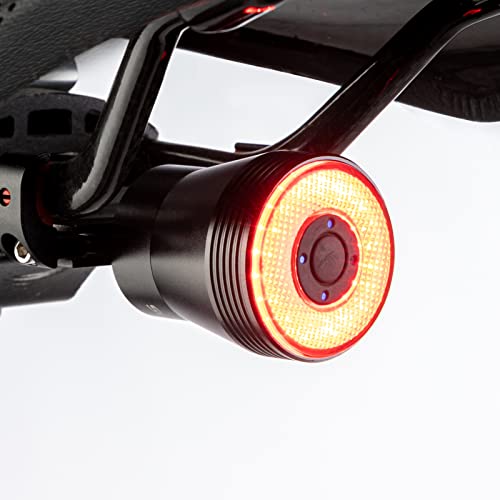
ROCKBROS Bike Tail Light Smart
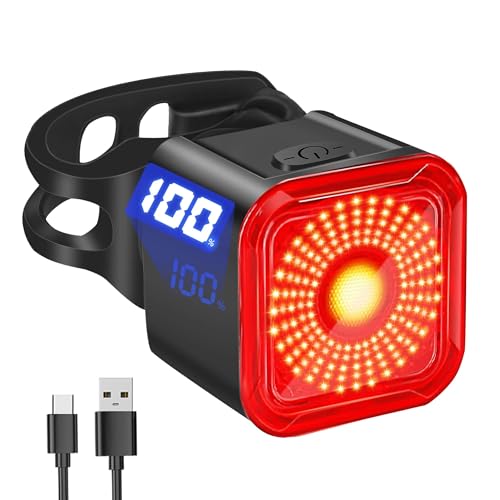
DARKBEAM Bike Tail Light with LED Display Screen
More Details On Our Top Picks
Planet Bike keeps this one straightforward, with a compact rear-light setup that leans on 28 LED microchips and a claimed 13-lumen output. For a commuter who wants a simple, no-fuss rear marker, that mix matters more than flashy extras.
The light-off reflector function is a useful fallback, since the bike still carries a visible rear marker even after the LEDs stop. The trade-off is that this is a plain rear light, so riders who want brake sensing or mount options will find the feature set modest.
What We Like
- Three modes give you a usable spread for steady riding and flash-heavy commuting.
- The 26-hour steady mode supports regular weekday trips without constant charging.
- Courtesy mode stretches runtime much farther for riders who want softer rear lighting.
- The reflector function adds passive visibility after the battery runs down.
Small Caveats
- It stays in basic-light territory, so you do not get smart sensing or remotes.
- The low-lumen design suits urban following distance more than wide-open rural routes.
Feature Snapshot
Who It Suits Best
City commuters and casual riders who want a simple rear light with reflector backup fit this model well.
Where A Sibling Pick Shines
Planet Bike Superflash Bike Tail Light suits riders who want a leaner, more basic rear light with a longer max flash runtime.
This Planet Bike option trims the feature set down to the essentials, which suits riders who want a rear light that stays easy to understand. The surface-mounted LED and two 5mm LEDs help it keep a clean, compact back-end profile.
Compared with Grateful Red, this one gives you less output but a simpler runtime story, which can be a fair trade for riders who want less fuss. It feels well matched to short commutes, campus rides, and backup use on a second bike.
Highlights
- Steady and flash modes cover the most common rear-light needs.
- The 60-hour steady runtime works well for frequent local trips.
- Up to 100 hours in flash mode gives you long service between charges or battery swaps.
- The compact LED layout keeps the rear of the bike uncluttered.
Worth Noting
- Output sits at 7 lumens, so this is more modest than higher-output smart lights.
- Riders on dark rural roads may want a stronger rear marker than this one provides.
Core Details
Who Will Love This
Commuters and casual cyclists who want a plain rear light with long runtime and minimal setup fit it best.
Another Choice May Suit
Planet Bike Grateful Red bike tail light suits riders who want a brighter output and a reflector fallback.
MagicShine pushes into a much higher-visibility lane than the Planet Bike lights above, with a two-LED main system rated up to 300 lumens. That kind of output suits dark commutes, open roads, and riders who want a stronger visual presence from behind.
The different lens angles are the detail worth noticing, because they help shape how the light spreads rather than just how bright it looks on paper. You also get a smart-brake setup here, so this model speaks to riders who want more automation and less manual mode swapping.
Bright Spots
- High output gives you a far stronger rear signature than basic commuter lights.
- Multiple lens angles help broaden visibility across a wider rear arc.
- The smart brake sensor adds an extra cue for stop-and-go riding.
- IPX6 water resistance fits wet weather and exposed road use.
- The stated 3,000-meter visibility distance points to serious long-range presence.
Areas To Watch
- The advanced feature set makes this more complex than simple turn-on-and-go lights.
- Higher output usually means you’ll want to stay on top of charging habits.
- Riders who only need a local-town rear marker may find the spec set more than necessary.
Technical Sheet
Built With In Mind
Night riders and commuters on unlit roads who want a high-output rear light with sensor-based behavior fit this model well.
A Better Fit Elsewhere
Planet Bike Superflash Bike Tail Light suits riders who want a simpler rear light with fewer functions and a lighter learning curve.
NiteRider lands in a stronger-output category than the Planet Bike lights, but it keeps the shape practical enough for road, city, and commuting use. The 250-lumen rating is the main story here, and that level suits riders who want a rear light that holds its own in traffic.
The package dimensions also hint at a more substantial body than the tiniest commuter lights, so you get the feel of a real fixture rather than a clipped-on afterthought. That does mean a little more bulk on the bike, though many riders will accept that trade for stronger visibility.
Reasons To Buy
- 250 lumens is a strong match for daylight-visible rear signaling.
- It fits road, mountain, city, and commuting use without feeling too specialized.
- The USB-rechargeable design keeps daily ownership simple.
- The size suggests a sturdier body than ultra-mini lights.
Points To Note
- The larger housing takes up more space on the seatpost or rear mount area.
- Riders who want a very small backup light may find it more substantial than needed.
Details At A Glance
Whose Shelf It Belongs On
Riders who commute through traffic and want a brighter rear light with broad bike compatibility fit this model well.
Skip It When
Planet Bike Superflash Bike Tail Light makes more sense for riders who want a much smaller, simpler rear unit.
WSDCAM moves beyond simple rear lighting and into cargo-bike control, which is exactly why it stands apart from the Planet Bike options. Turn signals, a brake light, auto on/off behavior, and a wireless remote make it useful for riders who carry kids, groceries, or larger loads.
The rack mount matters just as much as the electronics, because cargo bikes and utility bikes often need a rear light that fits a specific back end. That extra complexity is the trade-off, since a multi-function setup asks for more installation care and a little more attention during daily use.
Standout Traits
- Turn signals give you clearer left-right communication in traffic.
- The brake-light function helps add a more intentional rear cue.
- Auto on/off behavior reduces the chance of forgetting to switch the light manually.
- The wireless remote suits cargo bikes with a more upright cockpit.
- The rack-mount format works well on utility-style setups.
Minor Gripes
- The multi-part setup asks for more installation patience than a basic seatpost light.
- The extra controls can feel unnecessary on a simple commuter bike.
- Remote-based systems usually reward careful storage of the control unit.
Feature Rundown
The Right Fit
Cargo-bike owners and utility riders who want signals, brake cues, and a rack-specific mount fit this model best.
Reach For A Different Pick When
ROCKBROS Bike Tail Light Smart suits riders who want a simpler smart-light setup with a dual bracket approach.
ROCKBROS leans into mounting flexibility, and that’s the detail that makes it useful on more than one bike. The dual-bracket approach, including a saddle-rail mount, gives you a better shot at fitting different rear-end layouts without hunting for an awkward workaround.
Compared with WSDCAM, this one stays more focused on mounting versatility than on signal-heavy functions. That makes it a good fit for riders who move the same light between bikes or want a cleaner, less feature-dense setup.
Best Bits
- Dual-bracket mounting increases the chance of a clean fit.
- The saddle-rail mount opens up placement options beyond the seatpost.
- Rechargeable power keeps routine ownership simple.
- IPX6 water resistance suits wet roads and rougher weather.
Room For Improvement
- The source details emphasize mounting, so feature depth is less clearly defined than on the smart-light picks.
- Riders who want turn signals or remote control will need a more specialized model.
Core Details
Made For
Commuters and multi-bike households who want a light that can adapt to different rear layouts fit this model well.
Look Elsewhere When
DARKBEAM Bike Tail Light with LED Display Screen suits riders who want mode memory and a display-driven interface.
DARKBEAM feels the most interface-driven of the group, thanks to the LED display screen and six-mode layout. Riders who like seeing a clear mode state, rather than guessing by feel, may appreciate that extra bit of feedback on night rides.
The braking response and sleep behavior add convenience without pushing the design into the same cargo-bike lane as WSDCAM. It suits riders who want a modern rear light with sensible power management and a little more polish than a bare-bones flashing unit.
Positives
- The LED display screen makes mode status easier to track at a glance.
- Six lighting modes cover steady and patterned rear-light needs.
- Mode memory saves you from cycling through settings every time.
- Brake sensing adds a clear rear cue during sudden slowing.
- Sleep behavior helps reduce wasted power during stop-and-wait moments.
Things To Consider
- The feature-rich layout asks for a little more attention during setup and daily handling.
- Display-based lights tend to reward a quick learning period before everything feels second nature.
- Riders who want the most stripped-down rear marker may not need the extra interface.
Spec Overview
Built With In Mind
Tech-minded commuters and night riders who want a display, mode memory, and braking response fit this model well.
Swap It Out When
Planet Bike Superflash Bike Tail Light suits riders who want a simpler, lower-tech rear light with fewer controls.
How To Choose The Right Bike Tail Lights
Brightness And Beam Pattern
Brightness matters, but raw lumens alone do not tell the full story. A 7-lumen light can work fine for packed city streets, while a 250-lumen or 300-lumen rear light makes more sense on darker roads or in mixed traffic.
Beam pattern matters just as much. A wide rear spread helps side visibility at intersections, while a tighter beam may suit riders who want a more direct, focused signal behind the bike.
Runtime And Charging Habits
Runtime should match how often you ride and how often you want to think about charging. Long flash runtimes are useful for short daily commutes, while steady modes help riders who prefer one consistent rear cue.
USB-rechargeable lights are convenient, but the real question is how often you’ll remember to plug them in. Lights with memory modes or sleep behavior reduce routine friction, especially on bikes you use several times a week.
Mounting Style And Bike Fit
Seatpost lights are simple, but rack mounts and saddle-rail options can matter a lot on cargo bikes, folded bikes, or bikes with limited post space. A good mount should hold steady without awkward adjustment every time you reinstall it.
That’s where a model like ROCKBROS stands out for multi-bike households, while WSDCAM makes more sense on a utility setup with a dedicated rear rack. The honest read is that the wrong mount can make an otherwise good light feel annoying fast.
Smart Features Worth Paying For
Brake sensing, turn signals, and remote control add real convenience for some riders. They help most in traffic, on loaded bikes, or on routes where you want clearer rear communication without reaching back.
You do pay for that complexity, though, in setup time and daily habits. For pure commuting, a simpler light from Planet Bike may be enough, while tech-heavy riders will get more from MagicShine or DARKBEAM.
What To Weigh Before You Buy
Where Shoppers Go Wrong
A common mistake is buying for the highest lumen number and ignoring fit. A bright light that sits poorly on the bike or feels awkward to charge turns into a hassle quickly.
Another miss is overlooking mode memory and mounting style. Those small details matter on real commutes, because you want the light to work the same way every time you roll out.
The Upgrade Payoff
Higher-tier rear lights usually spend their extra cost on stronger output, smarter sensors, and more flexible controls. You also tend to get better housing design, clearer mode behavior, and more mounting options.
That upgrade pays off on darker routes, cargo bikes, and longer rides where rear communication matters more. For short urban trips, a simpler model can be the smarter use of money and space.
Frequently Asked Questions
How many lumens should a rear bike light have?
For daytime city riding, a modest light can be enough, especially with a flash mode. Dark roads and faster traffic usually call for a stronger rear output.
Are flash modes better than steady modes?
Flash modes stand out well in traffic and often stretch runtime. Steady modes can feel smoother for riders who want a constant rear marker.
Do I need a smart brake sensor?
You do not need one for every ride. It helps most on busy roads, cargo bikes, and routes where clearer stop cues make sense.
What mount style works best on most bikes?
Seatpost mounts are the most straightforward for standard bikes. Rack and saddle-rail mounts fit better when the frame layout or cargo setup gets in the way.
Is USB charging worth it?
USB charging suits riders who already keep a charging routine for other gear. It cuts down on battery swapping and makes regular upkeep easier.