
Cold-weather riding asks a lot from tires. You need grip on packed snow, enough casing support for rough pavement, and a tread pattern that still feels steady when slush or dirt shows up mid-route.
This roundup focuses on fat tires and mountain-bike options that make sense for winter commuting, trail use, and utility e-bikes. The trade-off is simple, wider rubber usually adds stability and float, while narrower options can feel quicker on cleared streets.
The Shortlist At A Glance

Hapleby Folding Bike Tires 26×1.95 Inch
BALINGE Fat Tire 16/20/26 x 4.0
BALINGE Fat Tire 16/20/26 x 4.0, Tube Option


MOHEGIA Ebike Fat Tire 20×4.0/26×4.0 Inch


yeesport 20×4.0 Fat Tire Ebike Tube Set

Fincci 26 x 4.0 Fat Bike Tire Tubes Schrader
More Details On Our Top Picks
That 26×1.95 size points this Hapleby set toward riders who stay on narrower mountain-bike wheels and want a straightforward replacement. The 60 TPI casing, or threads per inch, signals a denser tire body, which usually helps the ride feel more composed without turning the tire into a brick.
The included tire levers make the swap easier in a garage or apartment hallway, where simple tools matter. The honest read is that this is a better cold-season fit for mixed pavement and hardpack than for deep, soft snow, and that distinction matters more than marketing language.
Strong Points
- 26×1.95 sizing suits many common mountain-bike setups.
- Butyl rubber helps the tire hold shape well in daily use.
- Nylon cord construction adds support for rough pavement and packed paths.
- Two tire levers in the box simplify installation at home.
- The narrower profile can feel quicker on cleared streets than a fat tire like the Fincci 26 x 4.0 set.
Things To Consider
- The width is modest for deep snow, so float is limited.
- You need to confirm rim and tube compatibility before swapping.
- Wear life depends heavily on road grit, storage, and inflation habits.
Feature Snapshot
Who It Suits Best
Commuters and weekend riders with 26-inch mountain bikes get the most from this set, especially on mixed winter pavement and hardpack.
Where Another Pick Suits Better
Choose the Fincci 26 x 4.0 Fat Bike Tire Tubes Schrader for deeper snow, since its wider footprint gives fat-bike riders more surface contact.
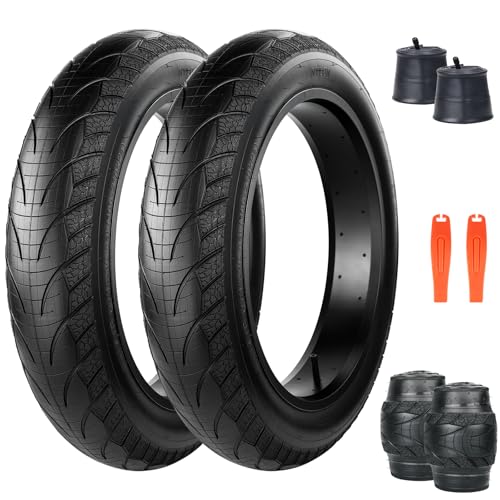
This BALINGE tire speaks to fat-bike owners who need one size family to cover different wheel setups. The 16, 20, and 26 inch versions with 4.0 width keep it squarely in the snow-bike lane, where a broad contact patch usually matters more than speed on smooth asphalt.
That broader footprint helps on loose paths, packed winter routes, and beach or dirt terrain, though the wider shape naturally asks for more room and more effort than a slimmer tire. It feels like a practical choice for riders who value stability first and don’t mind the extra bulk.
Highlights
- Multiple wheel sizes make it easier to match an existing fat-bike platform.
- 4.0 width supports better float on snow and loose ground.
- Black, brown, and white variants give you some appearance flexibility.
- Useful for e-bikes and mountain bikes that need a broad tire profile.
Worth Noting
- The width can feel heavy on hard-packed city routes.
- Storage and mounting take more space than with a 1.95-inch tire like Hapleby’s set.
Core Details
Made For
Fat-bike and e-bike owners who ride winter routes, sandy paths, or mixed trail surfaces get the clearest payoff here.
A Better Fit Elsewhere
The yeesport 20×4.0 Fat Tire Ebike Tube Set makes more sense for riders who want a tube included with the tire and prefer a ready-to-install bundle.
You get the same broad 4.0-inch footprint here, but the tube pairing changes the ownership angle. That matters for anyone who wants fewer separate parts to source, especially during winter maintenance in a cold garage.
The BK-1 tire and tube bundle gives you a cleaner replacement path than buying parts one by one. Compared with the no-frills BALINGE option above, this version is easier to think of as a maintenance shortcut.
Best Bits
- Tube inclusion reduces the chance of matching headaches.
- Wide 4.0 profile stays useful for snow and loose terrain.
- Works as a direct replacement-minded setup for fat-bike owners.
Small Caveats
- Bundle format helps convenience, but it can raise the upfront outlay versus a tire-only route.
- You still need to confirm wheel size before ordering.
Details At A Glance
Whose Shelf It Belongs On
Riders who value a simplified replacement kit over piecing together separate parts will feel most at home with this one.
Skip It When
The Hapleby 26×1.95 set is the tighter fit for riders on narrower mountain-bike rims who want a lighter, quicker tire for mostly cleared roads.
Blackburn keeps things compact here, which is useful for smaller mountain-bike wheels rather than fat-bike frames. The listed sizing targets 18-inch and 20-inch rims with a 1.75 to 2.125-inch range, so this is more about nimble winter utility than deep-snow float.
That narrower stance makes sense for city bikes, youth bikes, or smaller frame setups where a big tire would feel clumsy. It won’t give you the sandy, snowshoe-like footprint of the MOHEGIA or Fincci picks, and that’s the point.
Upsides
- Works with smaller wheel diameters that many fat tires skip.
- Width range gives some setup flexibility within a compact footprint.
- Better suited to tighter storage spaces than a 4.0-inch fat tire.
Areas To Watch
- It is not the pick for deep snow or soft beach riding.
- You need to stay within the stated size range for a proper fit.
At A Glance
The Right Fit
Smaller-wheel bikes and tighter urban setups benefit most here, especially where a lighter, narrower tire makes handling easier.
Look Elsewhere When
Choose the yeesport 20×4.0 Fat Tire Ebike Tube Set for snow, mud, and trail use that calls for a much wider contact patch.
This MOHEGIA tire leans into e-bike duty with a stated load limit of 266.6 pounds, so it suits heavier setups better than the lighter mountain-bike options above. The 20×4.0 and 26×4.0 sizing also keeps it in the broad, confident-feeling class that tends to matter on off-road winter routes.
The trade-off is plain: fat tires bring comfort and traction, but they also bring more rolling resistance than a narrower tire like Hapleby’s 26×1.95. For trail riders or utility e-bike owners, that compromise often makes sense.
Reasons To Buy
- Load rating helps it suit heavier e-bike builds.
- Two tire and two tube bundle pieces reduce separate sourcing.
- 20×4.0 and 26×4.0 sizing covers common fat-bike formats.
- Well matched to trail use and rough winter paths.
Room For Improvement
- Fat-tire heft is the price of that wider footprint.
- It takes more storage and more effort to handle than smaller tires.
Spec Overview
Best Suited To
Utility e-bike owners and trail riders who want a heavier-duty fat tire will get the most from this set.
Another Choice May Suit
The Blackburn Mountain Bike Tires work better for smaller wheels and lighter urban bikes that do not need fat-tire volume.
HEB ALLSCAPE stands out mainly because the size spread is broad, covering 16×4.0, 20×4.0, 24×4.0, 26×4.0, 20×3.0, and 26×3.0. That makes it useful in a garage with more than one e-bike or for someone replacing an odd-sized fat tire without guessing.
The design pitch is clearly all-terrain, with puncture-resistant construction aimed at hard use. Compared with the MOHEGIA set, this one is less about one load number and more about flexibility across several builds.
Bright Spots
- Wide size range covers a lot of e-bike and MTB setups.
- Puncture-resistant build suits rougher winter surfaces.
- All-terrain intent makes it useful beyond snow alone.
Softer Spots
- The variety can make ordering more detail-sensitive.
- More size choices mean more chance of picking the wrong match.
Feature Rundown
Who Should Grab It
Homes with multiple e-bikes, or one bike that uses an unusual fat size, get the most practical value here.
Reach For A Different Pick When
The Balinge 16/20/26 x 4.0 tire is the simpler route for shoppers who want a narrower choice set and a more direct fat-tire match.
yeesport packages the tire, inner tube, and tire levers together, which is exactly the kind of bundle that helps during a roadside swap or a cold-weather garage repair. The 20×4.0 size keeps it in fat-bike territory, and the AV valve tube adds a familiar setup for many e-bike owners.
The deep tread is meant to keep grip steady on snow, sand, mud, and mountain trails, so this set covers the rougher end of winter riding. Compared with the more barebones BALINGE options, it feels more ready-made out of the box.
Plus Points
- Tire, tube, and levers arrive as one kit.
- 20×4.0 width helps on loose, soft surfaces.
- Deep tread supports better control through turns and rough patches.
- Works for front or rear wheel use.
Points To Note
- The large footprint is excellent for float, but it adds bulk.
- You still need to match the 20×4.0 size to your rim.
Quick Facts
Perfect Match For
Riders who want a bundled replacement kit for a 20-inch fat bike, especially for trail or winter use, will get the most out of this set.
A Better Fit Elsewhere
The MOHEGIA Ebike Fat Tire 20×4.0/26×4.0 Inch makes more sense for heavier e-bike setups where the published load rating matters more.
Fincci gives you a 26 x 4.0 fat tire with a 30 TPI casing, a 3 mm nylon anti-puncture layer, and two Schrader inner tubes in the bundle. That combination suits riders who want grip on snow, sand, and dirt without piecing together separate parts.
The directional tread matters here because it helps the tire feel more planted on loose terrain, especially on a fat-bike rim with plenty of width to work with. The foldable construction also makes storage less awkward than a stiff-wire tire, which is handy in a crowded shed or apartment closet.
Best Bits
- 3 mm anti-puncture layer adds an extra protection step.
- Directional tread supports traction on loose winter ground.
- Two tubes in the bundle improve replacement convenience.
- Foldable design is easier to stash than a rigid tire.
- 26-inch fat-bike fit keeps it relevant for common wide-rim setups.
Honest Caveats
- It is built for wide fat-bike rims, not standard mountain-bike wheels.
- The bundle is substantial, so handling takes more room than with a narrower tire.
- Careful rim matching still matters, especially with 26-inch fat-bike hardware.
Feature Card
Who Will Love This
Fat-bike riders who split time between snow, dirt, and sand will get the strongest fit from this bundle.
Swap It Out When
The Hapleby 26×1.95 tire is a better fit for riders on a standard mountain-bike frame who want a slimmer, quicker winter option.
How To Choose The Right Bike Snow Tires
Tread, Width, And Snow Depth
Width is the first thing to sort out. A 4.0-inch fat tire like the Fincci or MOHEGIA spreads load across a larger contact area, which helps on loose snow and soft ground, while a 1.95-inch tire like Hapleby feels more at home on cleared streets and hardpack.
Tread matters just as much. Deeper, more directional patterns usually hold better on mixed winter surfaces, while a simpler tread can feel quieter and less draggy on pavement.
Wheel Size Must Match First
Wheel diameter and rim fit are not details to skim over. A 20-inch fat tire will not suit a 26-inch mountain wheel, and a standard-width tire will look lost on a fat rim.
That’s why the listed measurements matter more than the marketing language. Match the rim standard, then choose the width that suits your route.
Think About Installation And Storage
Bundle formats help here. The yeesport set includes a tube and levers, which is handy for someone who wants one kit for a cold-season repair shelf.
Foldable tires are easier to store and transport than rigid ones, which matters in a small apartment, garage, or pannier bag. The trade-off is that fat tires still take more room than narrow replacements.
Ride Style Decides The Final Call
Daily commuters on plowed routes can stay with narrower options like Hapleby or Blackburn. Trail riders, e-bike owners, and snow path explorers usually get more value from the 4.0-inch class.
Load rating, tube inclusion, and casing strength become more relevant as the bike gets heavier or the route gets rougher. The right tire is the one that matches your wheel, your terrain, and the amount of maintenance you want to deal with.
Things Worth Knowing First
Common Shopping Slip Ups
Size mix-ups cause most headaches in this category. A 26-inch tire, a 20-inch fat tire, and a smaller 18-inch option all solve different problems, so checking the wheel standard comes first.
Another easy miss is assuming every winter tire suits deep snow. Narrower options handle mixed pavement better, while wider fat tires are the better lane for soft terrain.
What The Higher Tier Buys
More money usually goes into width, casing, bundled accessories, and puncture-focused layers. That shows up in sets like Fincci, where the tire, tubes, and anti-puncture build all work together.
Upgraded options also tend to fit more specific use cases, such as heavier e-bikes or riders who want a ready-to-install package. Paying more makes sense when you want less guesswork and more winter stability.
Frequently Asked Questions
Are fat tires better for snow riding?
Fat tires usually give you more surface contact, which helps on loose or packed snow. Narrower tires can still work on cleared streets and hardpack.
What does TPI mean on a bike tire?
TPI means threads per inch, a way to describe casing density. Higher numbers often point to a more supple feel, while lower numbers can mean a sturdier build.
Do I need tubes with every replacement tire?
Some listings include tubes and some do not. A bundled set makes the swap simpler, especially during winter maintenance.
Can a fat tire fit any mountain bike?
No, the rim and frame must match the tire size. A 4.0-inch fat tire needs a bike built for that width.
Which tire style works best for mixed winter commuting?
A narrower option like Hapleby often feels better on plowed streets and hardpack. A wider fat tire works better when snow, slush, or loose ground is part of the route.