
Roof-mounted bike carriers solve a simple problem, keeping your cabin clear while giving your bike a stable place on top of the vehicle. That matters on weekend rides, road trips, and daily commuting routines where quick loading and predictable fit matter more than flashy extras.
This roundup focuses on fork-mount and upright roof carriers with different strengths, from stripped-down utility to easier one-handed handling. You’ll also see where the trade-offs show up, because the right choice depends on your roof system, bike style, and how often you load and unload.
Quick Look At The Shortlist

Yakima FrontLoader Rooftop Bike Rack
Swagman Standard Fork Mount Roof Bike Rack

Thule UpRide Roof Bike Rack

Thule ProRide XT Roof Bike Rack

Quick Release Fork Mount, Bike Car Roof Mount Rack

Roof Bike Rack, Upright Dual-Arm Rooftop Bike Carrier

TOOENJOY Rooftop Bike Rack for Car SUV

Fancyes Bike Fork Mount Car Roof Rack Support Bike Stand
More Details On Our Top Picks
Yakima’s FrontLoader sits in the friendly middle ground between bare-bones fork mounts and more complicated upright systems. For someone loading a bike alone before a dawn drive, that matters more than styling, because the roof carrier has to feel predictable from the first lift.
Compared with the Swagman and the simpler fork-mount entries, this pick leans toward a cleaner, more polished road-trip setup. The trade-off is obvious, it rewards a roof system you already trust, so your crossbars and bike fit need to be sorted before you rely on it every week.
Strong Points
- Roof-mounted design keeps the cabin open for passengers and cargo.
- Works well for routine solo loading on trips and weekend rides.
- Cleaner fit than basic fork-only mounts for many vehicles.
- Solid match for commuters who want a dedicated roof carrier.
Things To Consider
- Roof loading asks more of your lift height than hitch-based transport.
- Your bars and bike geometry still need to line up well.
- Regular cleaning around the clamps and contact points helps long-term use.
Feature Snapshot
Who It Suits Best
Commuters and weekend riders who want a straightforward roof carrier with a known brand profile fit this best.
A Better Fit Elsewhere
Thule UpRide Roof Bike Rack suits you better if you want a more frame-flexible roof carrier for mixed bike styles.
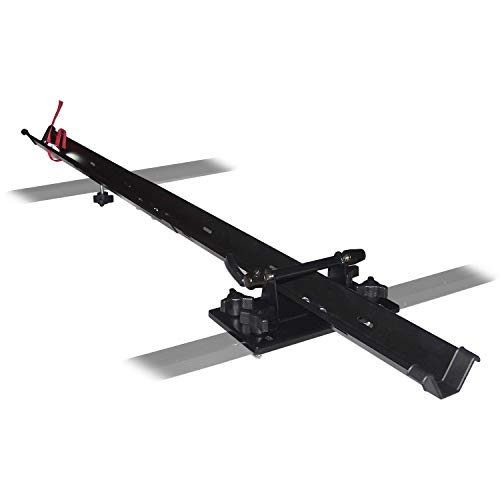
This Swagman is the most focused option in the group, because it stays close to classic fork-mount simplicity. A 9mm quick-release bike fits that lane neatly, and that narrow compatibility can be a strength when you want less complexity on the roof.
Compared with Yakima’s more general-feeling FrontLoader, this one asks you to know your bike hardware before you commit. The honest read is that it suits a tidy, conventional road-bike setup far better than a mixed garage of frames and axle styles.
Positives
- Clear fork-mount structure keeps the mounting process easy to understand.
- Best suited to 9mm quick-release bikes, which narrows guesswork.
- Compact roof presence helps keep the vehicle profile orderly.
- Good match for riders who already know their fork standard.
- Less visual bulk than many upright carriers.
Worth Noting
- That 9mm quick-release focus limits flexibility for other axle styles.
- Fork-mount setup means your front wheel handling is part of the routine.
- Regular inspection of the contact points makes sense for repeated road use.
At A Glance
Right Fit For
You get the most from this rack when your bike already uses a 9mm quick-release fork and your roof setup stays conventional.
Another Choice May Suit
Fancyes Bike Fork Mount Car Roof Rack Support Bike Stand makes more sense if you want a compact fork mount with a more universal vehicle fit.
Thule’s UpRide is the kind of roof carrier that makes sense for riders who hate frame contact. That no-frame approach helps in mixed-bike households, because it avoids the “does this frame shape fit the same way?” headache that shows up with simpler mounts.
Compared with the Swagman, it gives you more flexibility, while still staying in the roof-rack lane rather than moving to a hitch system. One thing worth considering, though, is that higher flexibility usually comes with more parts and a little more setup care.
Bright Spots
- No-frame contact layout suits bikes with unusual or delicate frame shapes.
- Useful for households that rotate between more than one bike style.
- Roof placement keeps the rear of the vehicle open for cargo.
- Feels well matched to riders who value adaptability over simplicity.
Points To Note
- More adaptable systems usually call for more attention during setup.
- Roof loading still asks for a confident lift and stable footing.
- Keeping hardware clean after wet travel helps the mechanism stay tidy.
Core Details
Built With In Mind
Riders with different frame shapes and a need for flexible roof transport get the most from this pick.
Where A Sibling Pick Shines
Thule ProRide XT Roof Bike Rack suits you better if you want a premium upright carrier with a more classic support feel.
The ProRide XT feels like the more polished sibling in this Thule pair, with an upright layout that suits frequent use and a cleaner visual footprint than bulkier dual-arm options. For someone who loads a bike often before work or after trail rides, that steadier handling rhythm matters.
Compared with UpRide, this one leans more toward traditional bike-rack logic than broad frame flexibility. The trade-off is straightforward, you get a more streamlined feel, but you should expect a little more attention to the bike’s position during each mount.
Upsides
- Upright carrier format works well for repeat roof loading.
- Clean, restrained profile looks at home on many vehicles.
- Good match for riders who value a more settled mounting routine.
- Pairs naturally with crossbar setups used for other rooftop cargo.
Room For Improvement
- Upright loading can take a little more care than simple fork-only setups.
- Regular hardware checks make sense on a rack used every week.
- Less broadly adaptable than a no-frame-contact design.
Details At A Glance
Who Will Love This
Daily riders and frequent trip takers who want a tidy upright carrier will get the most from this model.
Skip It When
Thule UpRide Roof Bike Rack makes more sense for bikes with unusual frames or for households that share one rack across mixed styles.
This MUQZI fork mount is built around a more adaptable fork-holder concept, and the 2023 update adds a raised shape so the quick-release lever has room to move during installation. That small geometry tweak matters in real use, because crowded contact points are where roof hardware often gets annoying.
Compared with the Swagman, this one leans harder into adapter support and a more flexible install story. The trade-off is that a more adaptable mount usually rewards a careful first setup, especially on bikes that shift between fork standards.
Best Bits
- Raised holder shape gives the quick-release lever more clearance.
- Adapter support makes the mount more adaptable for mixed setups.
- Rubber-retained hardware helps parts stay seated after installation.
- Works well for riders who manage more than one fork standard.
Small Caveats
- Adapter-based mounting asks for careful matching before you head out.
- Fork mounts still place some of the loading burden on front-wheel handling.
- Keeping small parts organized during storage prevents annoying missing-piece searches.
Feature Card
Whose Shelf It Belongs On
You suit this rack best when your bikes use different fork styles and you want one compact mount to handle them.
Look Elsewhere When
Yakima FrontLoader Rooftop Bike Rack fits better for riders who want a more established, brand-forward roof solution with less tinkering.
GATHERSKY’s dual-arm rack is built around support, and that shows in the way the upright design spreads the bike’s hold across two arms. For SUV owners and crossover drivers, that can feel steadier than a minimalist fork mount, especially on longer drives with more highway time.
Compared with the Thule pair, this model sounds more focused on simple stability than premium refinement. The upside is easy to understand, and the small catch is equally clear, dual-arm support can take up more visual and physical space on the roof.
What We Like
- Dual-arm layout gives the bike a steadier upright hold.
- Fits removable roof crossbars, which helps certain vehicle setups.
- One-handed operation is useful when you’re working around a tall vehicle.
- Good fit for drivers who want a clear, direct loading routine.
Areas To Watch
- Dual arms add bulk compared with slimmer fork-mount racks.
- Roof height still matters, so tall vehicles need more reach planning.
- Crossbar fit needs to be lined up cleanly before repeated use.
Spec Overview
The Right Fit
You get the best match here when you drive an SUV or car with removable crossbars and want a stable upright carrier.
Swap It Out When
Thule ProRide XT Roof Bike Rack suits you better if you want a more polished upright option for frequent roof use.
TOOENJOY takes the upright idea and stretches it into a two-bike setup, which changes the equation for families or ride groups. That extra capacity is useful on road-trip mornings, because one roof system can handle more than a solo rider’s schedule.
Compared with the single-bike GATHERSKY rack, this one makes more sense when the vehicle and crossbar layout need to support a pair of bikes. The trade-off is the obvious one, more capacity usually means more roof space and a bit more planning around load balance.
Reasons To Buy
- Two-bike layout works for households that travel together.
- Upright format keeps the transport process familiar and straightforward.
- Movable crossbar compatibility helps on vehicles with that setup.
- Good choice for weekend departures with multiple bikes to move.
Honest Caveats
- Two-bike transport takes more roof room than a single carrier.
- Load balance matters more once both bikes are mounted.
- More exposed hardware usually means more cleaning after dirty rides.
Core Details
Perfect Match For
Couples and families who need to carry two bikes on a movable crossbar roof setup will get the most from this rack.
Reach For A Different Pick When
Swagman Standard Fork Mount Roof Bike Rack suits you better if you only need one bike and want a simpler fork-mount setup.
Fancyes keeps things lean, and the universal-vehicle note makes it feel more adaptable for mixed road-trip setups. That kind of compact fork mount is useful when you want a simpler base for camping weekends or a car that occasionally carries a bike rather than doing it every day.
Compared with MUQZI’s more adapter-minded fork mount, this one reads as the more stripped-down choice. The honest read is that its appeal lies in simplicity and vehicle flexibility, not in extra hardware or a premium visual finish.
Highlights
- Compact fork-mount base keeps the roof setup tidy.
- Universal vehicle fit note broadens its practical use case.
- Aluminum alloy construction suggests a light, no-nonsense build.
- Good for occasional transport on trips and camping runs.
Minor Gripes
- Simple fork mounts still require the right front-end compatibility.
- Smaller hardware can be easier to misplace during storage.
- Regular wipe-downs help keep the rack looking clean after road use.
Technical Sheet
Who Should Grab It
Occasional travelers who want a compact fork mount for different vehicle types are the clearest fit here.
Where Shoppers Go Wrong
Thule UpRide Roof Bike Rack suits you better if you want broader bike-frame flexibility than a basic fork mount can offer.
How To Choose The Right Bike Roof Holders
Mount Style Comes First
Start with how the bike attaches to the rack, because that choice drives everything else. Fork mounts remove the front wheel and usually feel compact, while upright carriers leave the bike more assembled and can be easier for quick stops in a busy garage.
That difference matters on a Tuesday night after work, not just on a weekend trip. A fork mount rewards a tidy, routine setup, while an upright rack can be friendlier when you want less disassembly before the drive.
Match The Rack To Your Bike
Quick-release road bikes, thru-axle bikes, and mixed-frame setups all ask for different hardware paths. A model like Swagman Standard Fork Mount Roof Bike Rack makes sense for a narrower bike profile, while Thule UpRide Roof Bike Rack gives you more flexibility when the frame shape changes from one ride to the next.
That fit question is more important than rack styling. A clean match means fewer installation surprises, and fewer surprises usually means less time spent adjusting straps, adapters, or fork hardware at the curb.
Roof Height And Handling Matter
Your vehicle’s roof height changes the experience more than many shoppers expect. On a tall SUV, lifting a bike overhead takes more reach and better footing, which is where stable support arms and a clear mounting routine start to earn their keep.
Roof carriers also add a little drag and a lot of vertical bulk, so parking garages and low branches become part of the equation. For that reason, drivers who regularly move through tight urban spaces may prefer the most compact option that still fits the bike correctly.
Think About Frequency And Maintenance
Everyday riders need hardware that stays calm under repeat use. That means easy cleaning, straightforward inspection points, and a shape that does not collect road grit in awkward corners after wet weather or dusty highways.
Higher-frequency use also justifies better materials and smoother adjustments. The upgrade is worth it when you load bikes often, share the rack across different bikes, or want less fiddling before each departure.
A Quick Reality Check Before You Choose
Common Shopping Slip Ups
Plenty of roof-rack mistakes start with bike compatibility, not price or brand. A 9mm quick-release fork mount sounds simple until a thru-axle bike shows up in the garage, and that’s where frustration usually starts.
Another common miss is roof height. Tall vehicles make loading harder, so a rack that seems fine on paper can feel awkward in daily use.
What The Higher Tier Buys
More expensive roof carriers usually pay for stronger adjustment hardware, better finish quality, and smarter bike interfaces. You’re also paying for easier repeat use, which matters when the rack comes on and off often or lives on the vehicle through the season.
The upgrade makes sense for riders who load often, share the system across different bikes, or want cleaner handling on a taller vehicle. For occasional use on a familiar bike, a simpler rack can be enough.
Frequently Asked Questions
Do Roof Bike Racks Fit Every Bike?
No, fit depends on the rack style and your bike’s axle or fork format. Quick-release, thru-axle, and frame-shape differences can change the match a lot.
Are Upright Racks Easier Than Fork Mounts?
Upright racks often keep the bike more assembled, so they can feel faster to use. Fork mounts usually feel simpler and more compact once you know your bike standard.
Do You Need Crossbars For These Racks?
Yes, these roof carriers rely on compatible crossbars or roof bars. The rack still needs the right vehicle roof setup before it can do its job.
What Matters Most On A Tall SUV?
Stability and reach matter most, because loading gets harder as roof height increases. A rack with easier handling can make daily use far less awkward.
Which Option Fits Mixed Bike Households Best?
Thule UpRide Roof Bike Rack is the clearest match for mixed-bike households in this group. Its frame-flexible approach suits more than one bike style without forcing the same setup every time.