
Road setup decisions get real fast once a wheel or tire stops matching your frame, brake type, or riding surface. This roundup focuses on parts that make sense for city commuting, training rides, travel, and older bikes that need the right spacing or valve setup. You’ll also see where carbon depth, alloy weight, and tire sizing matter in everyday use, not just on a spec sheet.
Quick Look At The Shortlist
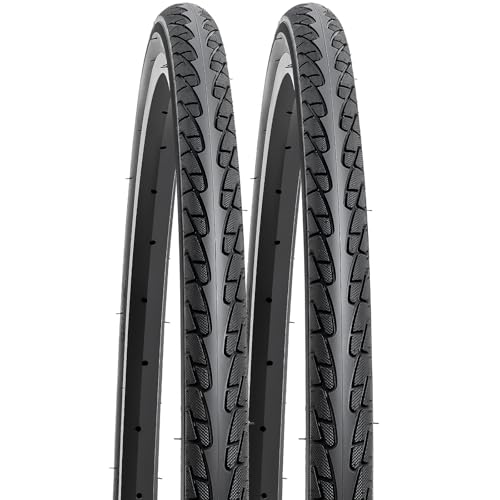
YUNSCM 26×1 3/8 (37-590) Road Bike Tires
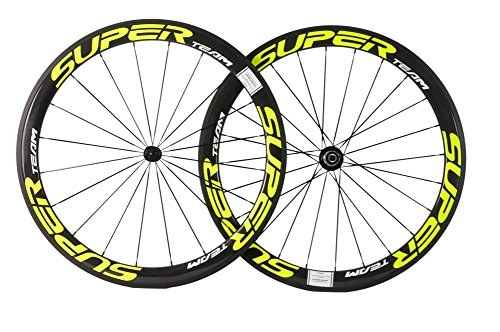
Superteam Carbon Fiber Road Bike Wheels 700C Clincher 50mm

700C Wheelset Road Bike Front Rear Bike Wheels

SUPERTEAM 38/50/60/88mm Carbon Wheelset 700c Clincher
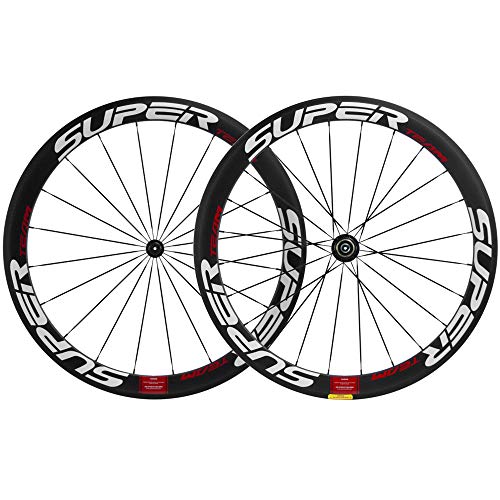
SUPERTEAM 50/23mm Carbon Clincher Wheelset 700c
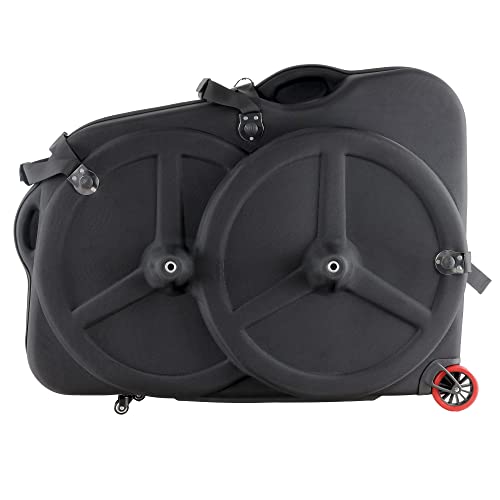
CyclingDeal Bike Travel Case with EVA Material

ELITEWHEELS Carbon Wheelset 700c Disc Brake UD Matte

WheelMaster 27 x 1-1/4 Rear Bicycle Wheel, Freewheel
More Details On Our Top Picks
Road commuters with a 37-590 setup need exact sizing, and that’s the whole story here. This folding pair is built for flat urban pavement, with a smooth tread and a butyl rubber blend that should feel more manageable than harsher, smellier compounds in a busy garage.
The trade-off is strict compatibility, so your rim and tire markings need to match before anything else. For a city bike that mostly sees sidewalks, bike lanes, and short errands, this is the kind of tire set that keeps the ride straightforward rather than fancy.
Strong Points
- Folding construction makes storage and transport simpler than rigid bead tires.
- Smooth tread suits paved routes and steady commuting.
- Butyl rubber typically offers better everyday wear than basic budget compounds.
- Two-tire pack helps refresh both ends at once.
Things To Consider
- It fits only the 37-590 size, so label checks matter.
- The 70 kg load figure keeps this firmly in light-use territory.
- Grip is tuned for pavement, not rough mixed terrain.
Feature Rundown
Who It Suits Best
City cyclists with a verified 37-590 wheel size and a simple commuting route get the most from this pair.
A Better Fit Elsewhere
YUNSCM is the narrow-specialist pick, while WheelMaster 27 x 1-1/4 Rear Bicycle Wheel, Freewheel suits older bikes that need a rear wheel replacement instead of a tire swap.
A 50 mm carbon rim changes the feel of a road bike more than a shallow alloy set, and this one is aimed squarely at that faster, more assertive ride. For long weekend routes and group pace lines, the deeper profile gives you the classic aero look without stepping into the wild end of the depth range.
The honest read is that carbon wheelsets ask for a more committed setup and budget than alloy options such as DYRABREST. That extra spend makes sense for riders who care about rim depth, stiffness feel, and a cleaner performance-focused build.
What We Like
- 50 mm depth brings a stronger aero profile than shallower training wheels.
- Clincher format keeps tire choice familiar and straightforward.
- Carbon construction suits riders building a more focused road bike.
- 23 mm width gives a modern road fit for many setups.
Softer Spots
- Carbon wheelsets usually ask for more careful handling and storage.
- The deeper shape can feel less nimble in tight city riding.
- Wheel-and-brake matching needs attention during installation.
Core Details
Who Will Love This
Road cyclists who want a deeper carbon wheelset for training rides and pace-focused weekend miles will feel at home here.
Swap It Out When
DYRABREST 700C Wheelset Road Bike Front Rear Bike Wheels is the more practical choice for commuters who want an alloy setup and quick-release convenience.
This alloy wheelset takes a very different path from the Superteam carbon options above, and that’s the point. You get a 700C front and rear pair with quick-release hardware, which makes it a sensible fit for riders who value easy removal more than deep-rim style.
The 30 mm rim height keeps the profile moderate, not flashy, and the cassette compatibility stretches across 7 through 11 speeds. For daily riding, that broad fit range helps, though the setup still depends on matching your frame spacing and brake style correctly.
Highlights
- Front and rear set arrives as a matched pair.
- Quick-release skewers make wheel removal far less fiddly.
- Aluminum alloy construction keeps maintenance simpler than carbon for many home mechanics.
- Works with a wide span of cassette speeds.
Points To Note
- Brake compatibility is limited to C/V setups.
- 130 mm rear spacing needs to match your frame.
- It focuses on practicality, so it lacks the visual punch of deeper carbon rims.
At A Glance
Built With In Mind
Commuters and home mechanics who want a straightforward replacement wheelset with quick-release convenience fit this one well.
Where A Sibling Pick Shines
Superteam Carbon Fiber Road Bike Wheels 700C Clincher 50mm suits riders who want deeper carbon rims and a more performance-led look.
This wheelset is about choice, because the rim depths run from 38 mm up to 88 mm. That range matters for riders who want to tune the bike for climbing days, flatter training routes, or a more aggressive aero look without changing brands.
Compared with the 50 mm Superteam set, this one gives you more depth options in the same family. Carbon fiber from Toray T700 keeps the pitch firmly in performance territory, though the deeper versions will ask for more careful handling in storage and transport.
Best Bits
- Multiple rim depths let you match the wheelset to different road goals.
- Toray T700 carbon is a familiar material in performance road builds.
- UD matte finish gives the set a clean, understated look.
- Deeper options suit riders chasing a stronger aero profile.
Room For Improvement
- The deeper sizes will feel like overkill for relaxed neighborhood riding.
- Carbon care is more involved than basic alloy upkeep.
Technical Sheet
The Right Fit
Road cyclists who want one carbon family with several rim-depth choices are the best match for this set.
A Better Fit Elsewhere
ELITEWHEELS Carbon Wheelset 700c Disc Brake UD Matte Carbon Fiber Road Bicycle Wheels 38/50/55/60/82mm Tubeless Clincher is the cleaner fit for disc-brake bikes that want tubeless-ready structure.
The 50 mm depth here lands in a familiar sweet spot for road riders who want speed cues without moving all the way to the deepest aero shapes. Compared with the 38/50/60/88 mm Superteam set, this one is simpler to choose because the focus stays on a single rim profile rather than a full family of options.
Weight matters too, and the listed pair weight gives you a clearer sense of the build than many vague listings do. That makes it a strong match for club riders or fitness-focused cyclists who care about a cleaner, lighter-feeling wheelset more than commuter utility.
Positives
- 50 mm profile supports a quick, road-focused setup.
- 3k matte finish keeps the appearance understated.
- 1600 g pair weight gives a concrete reference point for build planning.
- UCI approval and EN standard testing notes add useful purchase confidence.
Minor Gripes
- The deeper profile is less practical for rough daily curb hopping.
- Carbon care and transport need more attention than alloy wheels.
Details At A Glance
Who Should Grab It
Riders building a sharper-feeling road bike for training, steady group rides, or weekend fitness mileage fit this set well.
Where Another Pick Fits Better
DYRABREST 700C Wheelset Road Bike Front Rear Bike Wheels is the more direct choice for someone who wants quick-release alloy practicality instead of carbon styling.
This case sits a little outside the wheelset cluster, but it belongs in the same conversation because travel changes what counts as practical. EVA material gives the shell a structured feel, and the wheel base helps with airport movement, which matters on long-haul trips or race weekends.
The fit range reaches up to 700c road bikes and 29-inch mountain bikes, so it covers a useful span of modern bikes. That said, a hard case like this takes more storage space than a soft bag, and that trade-off is the price of better shape retention in transit.
Upsides
- Structured EVA shell helps the case hold its shape.
- Rolling transport is easier than carrying a loaded bike by hand.
- Fits both road and many mountain-bike sizes.
- Useful for riders who travel with assembled bike parts.
Areas To Watch
- Hard-shell storage needs more room at home.
- Pack-and-load steps take more planning than a simple duffel-style bag.
Feature Snapshot
Whose Shelf It Belongs On
Traveling cyclists who fly often or move a bike between events and hotels benefit most from this case.
Look Elsewhere When
YUNSCM 26×1 3/8 (37-590) Road Bike Tires is the better fit for someone who only needs a tire replacement and no transport gear.
This ELITEWHEELS set speaks to newer road bikes, especially ones running disc brakes and tubeless tires. The U-shaped profile is aimed at steadier cruising and stronger acceleration feel, so it suits riders who want a more modern wheel shape than the simpler alloy option from DYRABREST.
The 1000-day support note stands out in a category where long-term planning matters, though it still excludes problems tied to user handling. That makes the wheelset attractive for serious road cyclists, but you’ll want to match tire width carefully, especially at the 28 mm rim size described in the listing.
Bright Spots
- Disc brake compatibility fits a large share of newer road frames.
- Tubeless clincher format opens up flexible tire setup options.
- Several rim depths let you tailor the ride to your route.
- U-shaped profile aims at steadier cruising and quicker pickup.
Worth Noting
- Disc-specific wheels are not a universal fit for older rim-brake bikes.
- Tubeless setup usually asks for more careful installation.
- Deeper rims can be less pleasant in gusty conditions.
Core Details
Best Suited To
Disc-brake road cyclists who want a modern carbon wheelset with tubeless flexibility fit this option well.
Where Shoppers Go Wrong
WheelMaster 27 x 1-1/4 Rear Bicycle Wheel, Freewheel is the better move for older bikes that need a rear replacement rather than a full modern wheelset.
Older 27-inch bikes often need a straightforward rear-wheel swap, and this one stays focused on that job. The 126 mm rear spacing, freewheel hub, and silver finish point to a practical replacement path rather than a performance upgrade, which is exactly why it belongs here.
The 36-hole spoke count and quick-release setup are useful for everyday maintenance and classic bike restorations. The catch is simple compatibility, since this wheel is built around a specific vintage-style format that won’t suit every modern frame.
Reasons To Buy
- Rear-wheel replacement is direct and easy to understand.
- Freewheel hub fits common 5, 6, and 7-speed setups.
- Quick-release design helps with routine removal.
- Stainless steel spokes support a durable everyday build.
Small Caveats
- It targets older 27 x 1-1/4 bikes, so compatibility matters.
- Single rear-wheel format means it does not refresh the full bike at once.
- Classic sizing limits how broadly it fits newer road frames.
Feature Card
Who It Suits Best
Owners of older 27-inch bikes who need a rear replacement with familiar freewheel hardware are the best match here.
Another Choice May Suit
700C Wheelset Road Bike Front Rear Bike Wheels suits riders who want a matched front-and-rear alloy upgrade for a newer frame.
How To Choose The Right Bike Road Wheels
Match The Wheel To The Frame First
Wheel size, axle spacing, and brake type matter before color or depth ever enters the picture. A 700C disc wheelset has a completely different job from a 27-inch freewheel rear wheel, and a 37-590 tire only works on the matching rim standard.
That’s why you should check the frame markings, hub spacing, and brake format together. A wrong match creates installation trouble, while a correct one keeps the bike predictable from day one.
Choose Depth For Your Route
Shallower alloy wheels usually feel simpler in traffic and on mixed surfaces, while deeper carbon rims lean toward steadier speed on open roads. A 50 mm profile, like the Superteam sets, sits in a middle zone that suits many road riders, but deeper 88 mm rims lean harder into aero goals.
For hilly routes or windy commutes, moderate depth often feels easier to live with. For steady weekend miles and group pace, a deeper wheel can make more sense.
Decide How Much Maintenance You Want
Carbon wheels tend to ask for more careful handling, especially during transport and storage. Alloy wheelsets and simple replacement tires are less fussy, which is why commuters and home mechanics often gravitate toward them.
That trade-off is real: lighter or deeper performance parts usually cost you some convenience. For everyday utility, a straightforward alloy setup often keeps life calmer.
Think In Terms Of Use Case, Not Hype
A travel case belongs to riders moving bikes across airports, not to someone only replacing a rear wheel. Likewise, a folding city tire makes sense for flat urban miles, while a disc carbon wheelset fits a newer road bike that gets regular training use.
Start with the riding pattern, then narrow the material, width, and hub format. That sequence saves you from mismatched parts and keeps the upgrade aligned with how you actually ride.
What To Weigh Before You Click
Common Shopping Slip Ups
Most mistakes start with sizing. Tire standards like 37-590 and wheel standards like 27 x 1-1/4 are not interchangeable, and the wrong match can stop the job before it begins.
Brake and axle details cause just as many headaches. C/V brake wheels, disc wheels, freewheel hubs, and quick-release setups each belong to a specific frame and drivetrain format.
What The Higher Tier Buys
Carbon wheelsets cost more because the material, shaping, and depth options are aimed at performance-oriented use. You’re paying for a more specialized ride feel, not just a shinier finish.
That upgrade makes sense for riders who spend real time on open roads, train regularly, or want a deeper aero profile. For casual errands, the extra expense often brings less day-to-day value than a simple alloy wheel or replacement tire.
Frequently Asked Questions
How Do You Know A Bike Road Wheel Will Fit?
Check wheel size, axle spacing, and brake type against your frame and fork. Tire size markings also need to match exactly, especially on older bikes.
Are Carbon Wheels Worth It For Everyday Riding?
They make the most sense for riders who care about road speed, depth, and a more performance-led build. For basic commuting, alloy wheels usually keep things simpler.
What Does 700C Mean On A Wheelset?
700C is a common road-wheel size used on many modern road bikes. It matters because tire and frame fit depend on that standard.
Why Do Some Wheels Say Clincher?
Clincher means the wheel uses a standard tire and inner tube setup. That format is familiar to many road riders and usually easier to source for routine maintenance.
Which Wheel Option Makes Sense For An Older Bike?
A classic rear wheel like WheelMaster 27 x 1-1/4 Rear Bicycle Wheel, Freewheel fits older frames with the right spacing and drivetrain style. Modern carbon wheelsets are a poor match for that kind of bike.