
Bike rims shape how your wheels handle daily miles, rough pavement, trail impacts, and the small repairs that follow. The right choice depends on whether you need a simple liner, a complete wheelset, or a full replacement wheel for commuting, road speed, or motorized builds.
This roundup keeps the focus on fit, construction, brake compatibility, spoke layout, and material choice. You’ll spot the trade-offs fast, which matters more than chasing the shiniest finish.
Quick Look At The Shortlist

PSLER Bicycle Rim Liner 29inches/700C

ELITEWHEELS Road Bike Carbon Wheels 700c Clincher

Heavy Duty 12 Gauge 26 Inch x 1.25 Inch Rim Set

WheelMaster Rear 26 x 1.75/2.125 WEI-AS7X Black 36H

26/29 Aluminum Mag Wheel Bicycle Wheelset 100 x 135mm Black
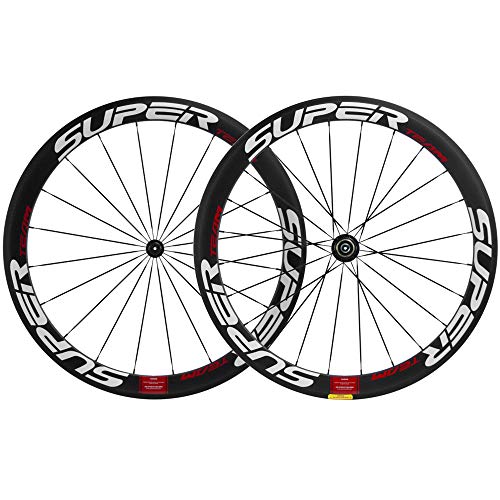
SUPERTEAM 50/23mm Carbon Clincher Wheelset 700c
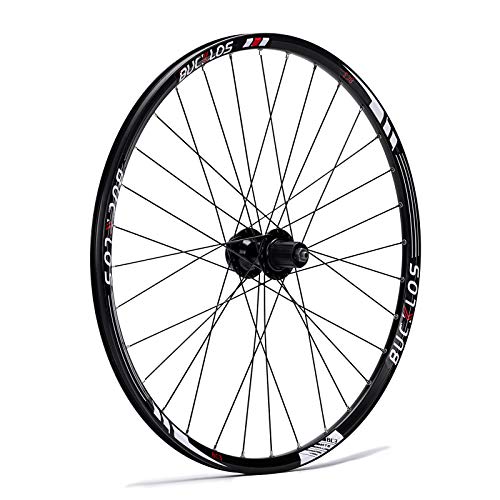
BUCKLOS MTB Wheelset 26/27.5/29 Quick Release 32H

WheelMaster Front Bicycle Wheel 26 x 1.75/2.125 ISO 559 36H
More Details On Our Top Picks
That extra strip between the rim and tube makes sense on a 700C commuting wheel, especially on older rims with burrs or rough spoke holes. PSLER’s liner is built as a protective layer, so the benefit is simple: less direct contact where punctures often start.
The trade-off is obvious, it adds one more installation step during tire work, and you’ll want to match the 29-inch or 700C sizing carefully. For daily riders and people fixing up used wheels, that’s a small tax for steadier tube protection.
Strong Points
- Creates a barrier between spoke holes and the inner tube.
- Fits 29-inch and 700C wheel use.
- Useful on worn rims with rough edges.
- Helps reduce repeat flats tied to rim damage.
Things To Consider
- Works only for the listed wheel size range.
- Install time rises a little during tube swaps.
Feature Card
Who It Suits Best
Commuters, utility riders, and anyone refreshing a wheel with rough rim channels get the most value here.
Where A Sibling Pick Shines
BUCKLOS MTB Wheelset 26/27.5/29 Quick Release 32H suits riders who need a full wheel swap rather than a liner-only fix.
Carbon road wheels change the feel of a bike in a way steel or alloy rims rarely do, and this ELITEWHEELS set leans hard into that road-first brief. The clincher format keeps it familiar for riders who prefer a standard tire setup, while the available depth options point toward different aero needs.
The tubeless-ready note matters for riders who want that setup flexibility, though it also means you should already be comfortable sorting the rest of your wheel system. For fast weekend rides and race-minded builds, this sits far above the liner-style simplicity of PSLER.
What We Like
- Carbon fiber construction keeps weight-focused road builds in mind.
- Clincher format stays familiar for standard tire use.
- Tubeless-ready support broadens setup options.
- Multiple rim depths let you match handling to terrain and pace.
- U shape profile suits modern road wheel styling.
Worth Noting
- Road-focused design leaves little room for casual mixed-surface use.
- Higher-spec wheelsets usually ask for more careful setup.
- Depth choice affects how the bike feels in crosswinds.
Core Details
Who Should Grab It
Road cyclists building a performance-oriented bike, especially those choosing between depth profiles, fit this set well.
Another Choice May Suit
SUPERTEAM 50/23mm Carbon Clincher Wheelset 700c fits riders who want a narrower carbon road option with published weight data.
Thick 12-gauge steel shifts this rim set toward durability rather than lightness, which makes sense for everyday use on bikes that see harder knocks. The brake compatibility options are the real story here, because that flexibility helps you match a rebuild to a disc-brake or caliper-brake frame without starting from zero.
That heavier build does mean more mass at the wheel, so you’re trading nimbleness for toughness. For city bikes, utility machines, and older 26-inch frames, that trade feels reasonable, and unlike the carbon ELITEWHEELS set, this one is about surviving abuse more than chasing speed.
Highlights
- 12-gauge steel gives the rim a tough, workhorse feel.
- Brake-ready variants make fitment easier across build styles.
- Good match for bikes that see daily wear.
- Useful for owners who want a sturdy replacement rather than a flashy upgrade.
Points To Note
- Steel adds weight compared with lighter alloy or carbon options.
- Brake setup must match the chosen configuration.
Technical Sheet
Made For
Riders maintaining older utility bikes, city bikes, or hard-used frames get the most from this rim set.
Look Elsewhere When
WheelMaster Rear 26 x 1.75/2.125 WEI-AS7X Black 36H suits anyone rebuilding a rear wheel around a coaster-brake hub.
This rear wheel leans classic, with a Weinmann 519 rim, KT coaster brake hub, and 36-hole drilling that suits straightforward city and comfort-bike rebuilds. Compared with the heavier BBR Tuning set, it feels more specific to a rear-wheel replacement that needs a coaster-brake hub built in.
That kind of integration saves you from piecing together separate hub and rim parts, which is handy in a garage rebuild. The honest read is that it fits best where simple compatibility matters more than modern braking options.
Bright Spots
- Rear wheel comes with a coaster brake hub already paired.
- 36 spokes support a familiar serviceable layout.
- Black finish keeps the look understated.
- Strong fit for older or comfort-style bike refreshes.
Areas To Watch
- Rear-wheel only, so it’s not a full wheelset.
- Best suited to bikes that already use a coaster-brake pattern.
Spec Overview
Whose Shelf It Belongs On
Owners of coaster-brake cruisers and basic city bikes get the cleanest fit here.
A Better Fit Elsewhere
WheelMaster Front Bicycle Wheel 26 x 1.75/2.125 ISO 559 36H suits a rider who only needs the front side of a similar rebuild.
Mag-style wheels are a different animal from the spoked sets above, and this CDHPOWER option is aimed mainly at motorized bicycle builds. The 100 x 135 mm width, disc-brake hole spacing, and threaded wheel details tell you this is about fitment first, not casual commuter simplicity.
There’s also some maintenance detail baked in, because the thread area needs grease or oil to help protect the threads during use. For custom gas-powered builds, that kind of specificity helps, but it also means you need to match parts more carefully than you would with a basic city wheel.
Reasons To Buy
- Built around motorized-bike use rather than general road riding.
- Front and rear width is clearly stated for easier planning.
- Thread and brake-hole details help with custom builds.
- Mag wheel format cuts down on spoke maintenance.
Softer Spots
- Best suited to narrow use cases, not general-purpose bikes.
- Thread care adds a little upkeep.
- Parts matching matters more here than on simpler wheelsets.
Feature Rundown
Right Fit For
Custom motorized-bike builders who know their spacing and thread requirements get the most value from this wheelset.
Skip It When
BUCKLOS MTB Wheelset 26/27.5/29 Quick Release 32H makes more sense for a standard mountain bike with conventional quick-release hardware.
SUPERTEAM keeps the road-race formula tighter than the deeper ELITEWHEELS set, with a 50/23 mm carbon clincher profile, Toray T700 fiber, and a listed pair weight of 1600 g plus or minus 30 g. The matte 3k finish is subdued, which suits riders who want function first and a clean visual finish second.
The UCI note and EN quality standard reference make this feel purpose-built for riders who care about formal race-side expectations, though that also puts it squarely in performance territory. For road riders stepping up from alloy, this is the kind of wheelset that marks a clear upgrade path.
Positives
- Toray T700 carbon points to a performance-focused build.
- 1600 g pair weight gives a clear reference point for planning.
- 50 mm depth suits faster road setups.
- Matte finish keeps the look restrained.
- UCI and EN references add confidence for spec-minded riders.
Small Caveats
- Race-leaning design leaves less room for casual use.
- Deeper rims can feel more sensitive in stronger wind.
Details At A Glance
Best Suited To
Road riders who already know they want a carbon wheel upgrade and care about published weight figures fit this set well.
Where Another Pick Shines
ELITEWHEELS Road Bike Carbon Wheels 700c Clincher suits you better when multiple depth options matter more than a single race-leaning profile.
BUCKLOS covers a wide mountain-bike fit range, and that’s the main reason it stands out beside the single-size rim options above. The 26, 27.5, and 29 inch compatibility, quick-release spacing, 32 holes, and 6-bolt disc setup make it the kind of wheelset that can slot into a lot of common trail or hardtail builds.
The sealed-bearing layout is worth attention too, because the front and rear use a 2-and-2 bearing arrangement that aims to keep rolling resistance smoother on long rides. For mixed-terrain riders and home mechanics, the trade-off is that you still need to line up cassette, axle, and brake expectations carefully.
Upsides
- Multiple wheel sizes widen compatibility.
- Quick-release axle dimensions are spelled out clearly.
- 32-hole drilling supports a familiar MTB build style.
- Double-wall aluminum alloy rim adds structure without going to steel.
- Sealed-bearing layout suits riders who log longer distances.
Room For Improvement
- Mounting parts still need to match your frame and drivetrain.
- Weight is not the lightest path for racing-focused builds.
Core Details
The Right Fit
Trail riders and home mechanics rebuilding a common hardtail or XC-style bike get strong value here.
Reach For A Different Pick When
WheelMaster Front Bicycle Wheel 26 x 1.75/2.125 ISO 559 36H suits a simpler front-wheel-only repair.
This front wheel keeps things straightforward, which is exactly the point for a basic replacement. The steel rim, bolt-on setup, 36 spokes, and 3/8 axle make it suited to simple bikes that need a no-drama front end rather than a light or highly tuned wheel.
Compared with the rear WheelMaster pick, this one is easier to think about because it handles only the front side of the job. For budget-conscious rebuilds, that simplicity is the appeal, though the steel build means you’re not shopping for low weight.
Best Bits
- Front-wheel format keeps the replacement job simple.
- Steel build supports a practical, durable feel.
- 36-hole drilling fits a familiar service profile.
- Bolt-on installation suits basic bike frames.
Honest Caveats
- Single-wheel format means it won’t solve a full wheelset swap.
- Steel adds weight compared with lighter materials.
Core Details
Built With In Mind
Casual riders, repair projects, and older bikes that need a direct front-wheel replacement fit this wheel best.
Swap It Out When
WheelMaster Rear 26 x 1.75/2.125 WEI-AS7X Black 36H suits a rebuild that also needs the rear coaster hub.
How To Choose The Right Bike Rims
Match The Wheel To The Job
Wheel choice starts with use case. A 700C carbon road set suits fast pavement, a 26-inch steel wheel suits older city bikes, and a liner only makes sense when your current rim still works but needs tube protection.
That’s the first filter, because buying the wrong wheel size or format wastes time before the first ride. Check frame spacing, brake style, axle type, and tire range before anything else.
Material Changes The Ride
Carbon usually serves riders chasing lower weight and a sharper road feel. Aluminum stays common because it balances cost, strength, and ease of ownership, while steel leans toward durability and a heavier ride feel.
Mag-style wheels serve a narrower purpose, especially on motorized builds. They cut spoke maintenance out of the picture, but they ask for very specific fitment and part matching.
Brake And Hub Compatibility Matter More Than Looks
Rim appearance is easy to notice, yet brake interface is what decides whether the wheel works. Disc, caliper, coaster, bolt-on, quick release, and hub spacing all change the answer.
For a garage rebuild, that means the product page has to match the frame, fork, and drivetrain already on hand. A beautiful rim that misses one mounting detail is just a costly paperweight.
Think About Ownership, Not Just Installation
Some picks need little attention after fitting, while others ask for periodic care. Threaded mag wheels may need lubrication on the thread area, and heavier steel wheels can be easier to live with but slower to move.
Pay attention to spoke count, hub type, and wheel size because those details shape service life and future repairs. A well-matched wheel usually feels less dramatic to own, which is exactly the point.
What To Weigh Before You Click Through
Wrong Turns To Avoid
Many mismatches come from size confusion. A 26-inch wheel, a 700C road wheel, and a liner for 29-inch or 700C use are not interchangeable, no matter how similar the listing language sounds.
Brake type is the other common miss. Disc-ready, coaster-brake, caliper-ready, quick-release, and bolt-on setups all solve different problems, so the frame has to lead the decision.
The Upgrade Payoff
Higher-tier wheels cost more because the materials and construction ask for it. Carbon layup, deeper road profiles, sealed bearings, and tighter compatibility details usually raise the price of entry.
That extra spend makes sense for riders who care about weight, speed, or a cleaner ride feel over rough pavement. For everyday commuting and casual riding, simpler aluminum or steel choices often leave more value on the table.
Frequently Asked Questions
What size bike wheel should you choose?
Your frame and fork decide the real answer, not the label alone. 26-inch, 29-inch, and 700C wheel families serve different bikes and should be matched carefully.
Are carbon wheels worth it for road riding?
Carbon makes the most sense for riders who want a lighter, more performance-focused road setup. It asks for a higher commitment to fit and setup than a basic alloy wheel.
Do you need disc brake compatibility on a new rim?
Only the brake style your bike uses matters. A disc-brake frame needs a wheel that supports that interface, while coaster or caliper setups need their own match.
What does spoke count change?
Spoke count affects the wheel’s structure and service profile. A 32-hole or 36-hole layout is common on practical wheels and usually easier to understand during replacement work.
Are rim liners useful on older wheels?
They help when the rim bed has rough edges or spoke holes that can threaten the tube. They do not replace a damaged wheel, but they can be a smart add-on during a rebuild.