
Bike-mounted radar gear makes more sense once you ride beside traffic, not just around it. You get a clearer picture of what’s closing in from behind, and the right setup can reduce the guesswork that comes with shoulder checks in a busy lane. This roundup focuses on rear radar lights, radar-only units, one mounting kit, and a front light that fits the same ecosystem.
Quick Look At The Shortlist

Bryton GARDIA R300L Cycling/Bike Radar with Tail Light
ROCKBROS Bike Tail Light Smart,Brake Bicycle Rear Lights

TUSITA Seat Rail Mount Kit Compatible with Garmin Varia RCT715

Garmin Varia RVR315 Cycling Rearview Radar

Magene L508 Bike Radar Tail Light

Garmin 010-01509-00 Varia Rearview Radar Tail Light
Garmin Varia RCT715 Rearview Radar with Camera

RAVEMEN FR1100 SE/FR500 Bike Headlight Compatible with Garmin/Wahoo
More Details On Our Top Picks
The Bryton GARDIA R300L is built for long road stretches where you want radar feedback and rear lighting in one unit. Its stated 207-yard vehicle detection range gives you more breathing room than shorter-range units farther down this list, and the 220-degree viewing angle helps the light stay visible from a wide rear spread.
The trade-off is typical of a combined unit, since you’re depending on one device for both warning and visibility. IPX7 water protection is a useful detail for wet commutes, and app display support adds flexibility for riders who like a phone-based setup rather than a fully closed ecosystem.
Strong Points
- Radar and tail light in a single rear unit.
- 207-yard detection gives more reaction space on open roads.
- 220-degree visibility helps from angled traffic approaches.
- IPX7 sealing suits wet-weather commuting.
- App display support broadens setup options.
Things To Consider
- Combined functionality can mean more dependency on one device.
- App-based use adds another layer of setup for some cyclists.
- Rear mounting space matters on compact seatpost layouts.
Feature Snapshot
Who It Suits Best
Road cyclists who want a single rear unit with radar alerts and a visible taillight get the clearest fit here.
Where A Sibling Pick Shines
Garmin Varia RVR315 suits riders who want radar feedback without the light function, especially on cleaner cockpit builds.
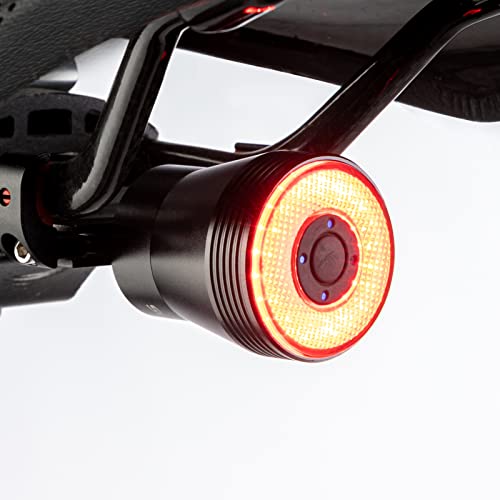
Compared with the radar-heavy picks above, this ROCKBROS unit stays focused on rear lighting rather than distance detection. The smart brake-light behavior and dual bracket mount point it toward riders who want a straightforward visibility upgrade for city riding, short commutes, or a second bike.
Type-C charging is a practical touch because it fits the same cable many households already keep around, though that convenience depends on your setup. The honest read is that this makes more sense as a rear light with a few extra tricks than as a full radar solution.
What We Like
- Brake response adds a clearer signal for traffic behind you.
- Dual bracket mounting gives you more installation flexibility.
- Type-C charging is easy to live with day to day.
- IPX6 protection supports damp commutes and splash exposure.
Small Caveats
- No radar function, so it does not replace warning-focused models.
- Light-oriented setups may need more frequent charging than radar-only units.
- Mounting choice still depends on your seatpost and rail layout.
At A Glance
Who Will Love This
Urban cyclists and commuters who want a rear light with smart brake signaling should find the fit strongest here.
Skip It When
Garmin Varia RVR315 is the better match for riders who want radar awareness rather than just rear illumination.
This TUSITA kit exists for one simple job, keeping a compatible radar unit anchored to the seat rails instead of improvising with the wrong hardware. That matters on bikes where a tidy, stable rear mount can make the difference between a setup that feels dialed in and one that rattles around.
It’s more of a support piece than a headline product, which is why it sits after the full radar and light options. Riders with the matching Garmin units will appreciate the cleaner fit, while anyone shopping from scratch may want to pair it with an actual radar first.
Highlights
- Built around a specific Garmin Varia radar fit.
- Seat-rail placement keeps the rear end tidy.
- Useful replacement part for worn or missing mounts.
Areas To Watch
- Compatibility is narrow, so match your device before ordering.
- Mount hardware alone does not add radar or lighting features.
- Fit depends on your saddle rail shape and rear setup.
Core Details
The Right Fit
Riders replacing a missing or tired seat-rail bracket for a compatible Garmin unit get the clearest use case here.
A Better Fit Elsewhere
Garmin Varia RCT715 makes more sense for cyclists who want the radar and camera hardware, not just the mounting piece.
The RVR315 keeps things lean by focusing on radar feedback rather than combining radar with a taillight. That narrower design suits riders who already run their own rear light and just want a cleaner way to track approaching traffic up to 153 yards away.
Compared with the Bryton GARDIA R300L, it gives up the integrated light but stays appealing for cockpit minimalists. For regular road miles, that split can be a strength because it lets you choose the light you already trust and keep the radar job separate.
Best Bits
- Radar-only layout keeps the rear setup uncluttered.
- Visual and audible alerts help keep attention on traffic.
- 153-yard detection suits most everyday road rides.
- Pairs well with an existing rear light.
Worth Noting
- You’ll need a separate taillight if your bike setup lacks one.
- Radar range is shorter than the Bryton GARDIA R300L.
- Mounting and pairing still take some initial setup time.
Details At A Glance
Best Suited To
Road cyclists who already own a strong rear light and want radar awareness without extra clutter get the best fit here.
Another Choice May Suit
Bryton GARDIA R300L suits riders who want one rear unit to handle both warning and visibility.
The L508 sits in the middle ground between simple tail light and full radar system, which makes it appealing for cyclists who like app-based controls. The support for Magene Utility app display gives you another route for checking activity, and that can be useful on rides where your computer or watch setup already does part of the job.
It is a sensible match for mixed-device riders, though compatibility details matter more here than they do with the Garmin units above. That’s the trade-off with a more flexible ecosystem, you gain options, but you need to confirm the rest of your gear before you commit.
Upsides
- Radar and tail-light functions meet in one rear unit.
- Magene Utility app support adds setup flexibility.
- Works well for riders who split data between devices.
- Fits a tech-forward cockpit without much visual bulk.
Points To Note
- Compatibility with other bike computers and watches needs checking first.
- App reliance can be more involved than a plain light.
- Rear hardware still needs regular cleaning after wet rides.
Spec Overview
Whose Shelf It Belongs On
Tech-heavy riders who want a rear radar light and already use mixed cycling devices get the strongest match here.
Where A Sibling Pick Shines
Garmin Varia RVR315 is easier to place for cyclists who want a simpler radar-only routine.
This Garmin Varia model is the classic radar-and-light formula that many road cyclists still gravitate toward. It fits riders who want a familiar rear system with setup help available, including support for connectivity and troubleshooting, which matters more than it sounds on a first install.
Compared with the RVR315, this one adds the taillight layer, so you’re getting more from a single rear mount. The honest read is that it stays attractive because it keeps the package straightforward, not because it tries to do too much.
Standout Traits
- Radar and tail light in one compact rear unit.
- Support for setup and connectivity questions adds peace of mind.
- Good fit for riders who prefer a single rear device.
- Works cleanly for road riding and commuter use.
Minor Gripes
- Combined design leaves less room for customization than separate units.
- Owners commonly keep the mount clean so road grime does not build up.
- First-time pairing can take patience depending on the rest of your gear.
Quick Facts
Made For
Road cyclists who want a dependable radar-light combo with a familiar Garmin setup will feel most at home here.
Look Elsewhere When
Bryton GARDIA R300L is the better fit for riders who want a wider stated detection reach from a similar all-in-one rear design.
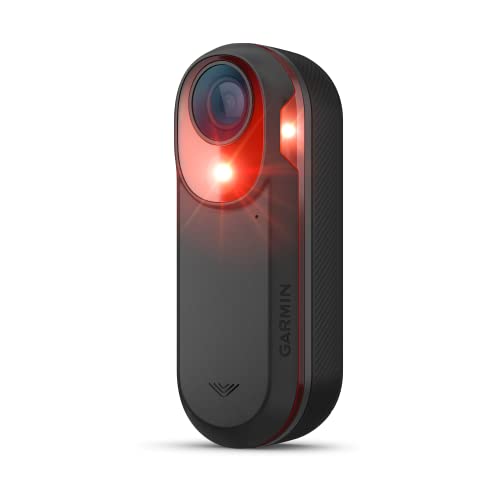
The RCT715 is the most layered rear option in this group because it adds a built-in camera to radar and tail-light hardware. That extra recording function changes the use case fast, especially for commuters and long road rides where having more than one rear-facing tool can feel worthwhile.
Of course, more hardware means more to think about, from mounting to day-to-day management. Compared with the simpler Garmin Varia tail-light models, this one makes the most sense for riders who want the broadest rear setup and don’t mind the extra attention it asks for.
Bright Spots
- Radar, camera, and tail light sit in one rear device.
- Useful for riders who want more than a warning signal.
- Fits commute-heavy use where rear coverage matters.
- Works for cyclists who prefer an expanded rear toolkit.
Honest Caveats
- Camera hardware adds more setup and management than plain radar units.
- Mounting and storage are less simple than on lighter rear lights.
- Depending on your routine, the extra functions may be more than you need.
Feature Card
Built With In Mind
Commuters and long-distance road cyclists who want camera-backed rear coverage get the clearest reason to choose this model.
Where A Sibling Pick Shines
Garmin 010-01509-00 Varia Rearview Radar Tail Light suits riders who want the simpler radar-light format without the camera layer.
This RAVEMEN front light stands apart because it speaks the same language as Garmin and Wahoo computer users. The 270-degree beam spread is aimed at visibility from the front and sides, which helps for urban riding where intersections, parked cars, and side streets all crowd the picture.
Auto on and off plus six lighting modes make it more adaptable than a plain single-mode lamp, though that also means more choices to manage. It’s the outlier in this roundup, but for riders building a coordinated cockpit, that’s exactly why it earns a spot.
Positives
- Garmin and Wahoo compatibility fits integrated cockpit setups.
- 270-degree spread improves front and side visibility.
- Auto on and off reduces routine button handling.
- Six modes give you more control over daytime and night use.
Small Caveats
- It is a front light, so it does not replace rear radar gear.
- Mode selection can feel busy for riders who want a simple setup.
- Mounting around a computer head unit takes a tidy cockpit layout.
Core Details
Right Fit For
Road and urban cyclists building a cockpit around Garmin or Wahoo computers will get the strongest value from this light.
Not Your Match When
Garmin Varia RVR315 is the better call for cyclists who want rear traffic awareness rather than a front-facing lighting tool.
How To Choose The Right Bike Radars
Start With The Warning Style
Radar-only units suit you when the rear light is already sorted and the main goal is traffic awareness. Radar-plus-light models make more sense on bikes that need one compact rear package, especially for commuters who prefer fewer separate parts.
Camera-equipped versions sit at the premium end because they add a second layer of rear-facing information. That extra layer matters most on longer rides or crowded roads, where a simple alert is useful but not always enough.
Match Range To Your Roads
Detection distance affects how early you get a heads-up, and that’s not trivial on fast roads. The Bryton GARDIA R300L lists a longer range than the Garmin Varia RVR315, which gives you a broader warning window for open stretches.
Shorter-range units still work well in town, where traffic speeds are lower and intersections break up the rhythm. The better fit depends on how much space you usually have behind you, not just the number printed on the box.
Check Mounting And Compatibility
Seatpost shape, saddle rail space, and computer compatibility can all decide whether a setup feels clean or clumsy. A mount kit like the TUSITA piece matters because even a strong radar unit performs better when it sits securely and in the right spot.
App support also deserves attention, since some models lean on phone display while others work with bike computers or watches. Riders with mixed gear often appreciate flexibility, while minimalists usually prefer the simplest possible pairing path.
Think About Daily Use, Not Just Features
Water resistance, charging method, and how easy the unit is to clean after wet rides all affect ownership more than people expect. A tail light with Type-C charging is convenient, but a radar unit with a broader seal rating may suit rougher weather better.
For regular commuting, a lighter model that mounts quickly and stays out of the way can be the smarter call. For long road training, the extra confidence from wider detection or camera support often earns its keep.
Before You Click Buy
Common Shopping Slip Ups
One common mistake is assuming every rear unit does the same job. A radar-only model, a radar-light combo, and a mount kit solve different problems, so the product type matters before anything else.
Another miss is ignoring how the unit connects to your existing gear. Compatibility with bike computers, watches, or app display can save a lot of setup friction later.
What The Higher Tier Buys
More expensive models usually add a camera, a wider function set, or a tighter ecosystem around setup and alerts. That extra cost tends to come from parts count and software support, not just branding.
The upgrade makes sense for riders who spend real time on busy roads or long commutes. For shorter rides in calmer traffic, a simpler radar-light unit often covers the need without extra complexity.
Frequently Asked Questions
What does bike radar actually do?
Bike radar looks for approaching vehicles from behind and sends you an alert through a compatible display or sound. It helps you keep track of traffic without turning around every few seconds.
Do you still need a rear light with radar?
Radar helps you know what is behind you, but it does not replace visibility. A rear light still matters because traffic needs to see you as well as you needing to sense traffic.
Are radar-only units better than combo units?
Radar-only units suit cyclists who already like their own taillight and want a tidy setup. Combo units suit riders who prefer one device to cover both warning and visibility.
What matters more, range or alert type?
Range matters more on open roads with faster traffic, while alert type matters more on busy rides where you need quick recognition. Visual and audible alerts together can make a real difference in that kind of traffic mix.
Do front lights belong in a Bike Radars roundup?
Only when they fit the same riding ecosystem, like a cockpit built around Garmin or Wahoo hardware. They solve a different problem, so they make the most sense as a supporting pick rather than a radar substitute.