
Bike transport gets tricky fast once you move past a single lightweight frame. You need the right mix of hitch size, carry count, tilt access, and stability, especially for e-bikes, fat tires, family weekends, or a crowded garage routine.
This roundup keeps the focus on real ownership fit, not flashy claims. You’ll see which racks suit heavier electric bikes, which ones handle four-bike family duty, and which options make more sense for smaller vehicles or simpler storage.
Quick Look At The Shortlist
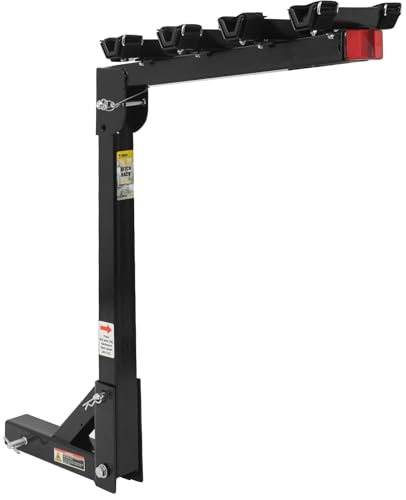
MaxxHaul Hitch Mount 4 Bike Rack 150 lb Capacity
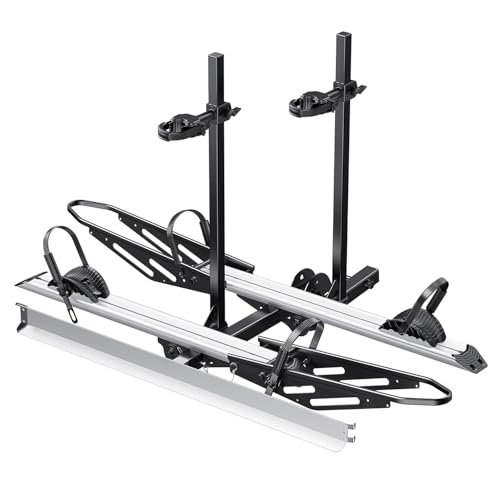
Young Hitch Mount Bike Rack with Ramp 200 lbs

Bike Racks for Ebikes Fat Tire Bike Rack 2-Bike 160 lbs

Young Electric Ebike Rack with Ramp 200 lbs

Hitch-Mount Bike Rack for Ebike Heavy-Duty
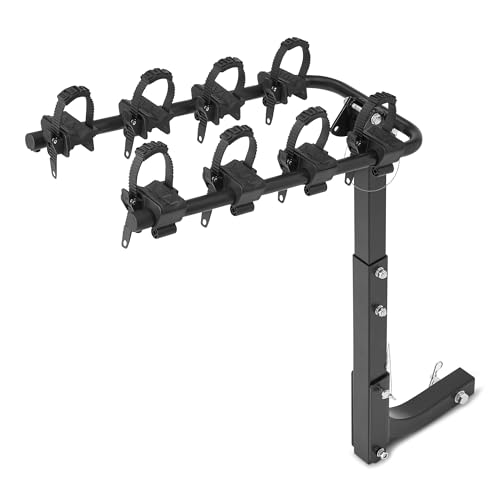
Amazon Basics 4-Bike Hitch Rack 132-Pound Capacity

2-Bike Rack Hitch Mount 160lbs Tilting Platform Rack

Thule Outpace 2 Bike Hitch Rack 110lb Capacity
More Details On Our Top Picks
A four-bike hitch rack like this makes sense for family weekends, carpools to the trailhead, or a garage that needs one carrier to handle several frames. The swing-down layout matters because rear access stays more practical than on fixed carriers, which is a real convenience in a busy driveway.
The 150 lb capacity places it in the mixed-use lane rather than the heavy e-bike lane. That trade-off is fine for standard bikes and lighter setups, though you’ll want to pay close attention to load distribution and the receiver fit on your vehicle.
Strong Points
- Four-bike capacity covers family outings and shared rides.
- Swing-down design keeps hatch or tailgate access more usable.
- Fits cars, trucks, SUVs, and minivans, which broadens vehicle compatibility.
- Safety reflector adds a visible cue in low light.
Things To Consider
- 150 lb total capacity is better suited to standard bikes than heavier electric models.
- The larger layout takes more space in storage and parking areas.
- Assembly and periodic tightening matter more on a four-bike carrier, especially on longer drives.
Feature Snapshot
Who It Suits Best
You need a multi-bike carrier for standard bikes and want rear access to stay practical in day-to-day use.
A Better Fit Elsewhere
The Young Hitch Mount Bike Rack with Ramp 200 lbs suits heavier e-bike hauling more cleanly, especially for anyone loading alone.
Loading a heavy electric bike by hand can feel awkward, so the included ramp is the detail that changes the day-to-day experience here. That matters most for solo riders, taller frames, and anyone who doesn’t want to muscle a 70-plus-pound bike onto a platform.
The 200 lb capacity pushes it into serious-duty territory, and the 2-bike format keeps the rack focused rather than sprawling. Compared with the MaxxHaul four-bike unit, this one gives up group capacity in exchange for a much better fit for heavier bikes and easier handling.
What We Like
- Ramp support makes loading less awkward for heavy bikes.
- 200 lb capacity gives more headroom for two e-bikes.
- Works with fat tire and standard bikes, so it covers mixed garage setups.
- Fits cars, SUVs, RVs, and trailers with a 2 inch receiver.
- Two-bike format keeps installation and storage simpler than larger carriers.
Small Caveats
- Two-bike capacity is the trade-off for the stronger load rating.
- The ramp adds another part to store and keep track of.
- Vehicle clearance and loading angle matter more with longer wheelbase e-bikes.
Core Details
Right Fit For
You haul two heavy e-bikes, want a ramp, and care more about loading ease than carrying a full family set.
Where A Sibling Pick Shines
The MaxxHaul Hitch Mount 4 Bike Rack 150 lb Capacity suits bigger family trips better, since it handles twice the number of bikes.
This rack leans hard into stability, and that is usually the right direction for heavier e-bikes. The wobble-free framing and tilting design point toward quieter highway use and easier access at the back of the vehicle, which matters on weekly rides or camping weekends.
At 160 lbs total capacity, it sits between the lighter family racks and the 200 lb ramp model above. The honest read is that it suits two-bike hauling with a bit more confidence than basic units, though it still asks you to stay within the 2 inch receiver format.
Highlights
- 160 lb capacity fits a pair of heavier bikes with room to spare.
- Wobble-resistant design helps the rack feel steadier on rougher roads.
- Tilting function improves access to the rear of the vehicle.
- Works with fat tire and standard bikes, which keeps it versatile.
Areas To Watch
- Two-bike format keeps it focused but less flexible for group transport.
- Heavy-duty parts usually mean a bit more lift during setup and removal.
- As with most platform racks, straps and contact points need regular checking.
Details At A Glance
Best Suited To
You want a steady two-bike platform for e-bikes or fat tires and you value road stability over maximum carrying count.
Swap It Out When
The Young Hitch Mount Bike Rack with Ramp 200 lbs fits better for solo loaders who need help lifting onto the carrier.
Ramp-equipped racks tend to make e-bike ownership feel less like a lifting chore, and that’s the point here. The foldable design helps when the rack lives on the vehicle part of the week and in a garage the rest of the time, which is a common pattern for suburban households.
Compared with the Young Hitch Mount model, this version keeps the same 200 lb, two-bike direction but adds foldability for tighter storage habits. That extra convenience is helpful, though it also means you’ll be dealing with a rack that has more moving parts than a basic platform carrier.
Upsides
- Ramp helps reduce lifting strain during loading.
- 200 lb capacity supports heavier e-bikes with confidence.
- Foldable layout makes storage and garage parking easier.
- Two-bike format stays simpler than larger family racks.
- Fits 5 inch fat tires, which widens compatibility.
Worth Noting
- Foldable parts can add a little more upkeep over time.
- Two-bike capacity is the ceiling, so it is not built for larger groups.
- Ramp use needs enough clear space behind the vehicle.
Technical Sheet
Who Should Grab It
You want a two-bike e-bike carrier with a ramp and folding convenience for tighter garage storage.
Another Choice May Suit
The MaxxHaul Hitch Mount 4 Bike Rack 150 lb Capacity fits better for households that need to move four standard bikes at once.
This is the stripped-back option in the group, and that can be a strength for people who want fewer moving parts. It fits two electric or fat-tire bikes into a 2 inch receiver setup, which makes it a straightforward match for trucks, SUVs, RVs, and minivans.
Nothing flashy, just a useful shape for everyday hauling. Compared with the foldable Young Electric rack, this one looks more focused on basic heavy-duty duty rather than extra storage convenience, which is fine for a vehicle that stays set up most of the time.
Best Bits
- Two-bike capacity keeps the rack manageable.
- Heavy-duty construction suits electric and fat-tire bikes.
- 2 inch receiver compatibility covers common tow setups.
- Works across cars, SUVs, trucks, RVs, and minivans.
Points To Note
- The simpler design gives up the ramp convenience seen on some rivals.
- Two-bike setup is best for compact hauling, not larger group trips.
- Basic layouts can require more care with securing straps and contact points.
Core Details
The Right Fit
You want a simple two-bike heavy-duty rack and you do not need a loading ramp or extra folding hardware.
Where A Sibling Pick Shines
The Young Electric Ebike Rack with Ramp 200 lbs suits you better when garage storage and ramp-assisted loading matter more.
This rack is aimed at people who want a familiar four-bike format without moving into heavy electric-bike territory. The heavy-duty steel frame and anti-rattle stability point toward a calmer ride feel, which is exactly what matters on bumpy roads or long weekend drives.
The 132-pound capacity is lower than the MaxxHaul four-bike model, so the trade-off is clear: you gain a simpler mainstream build but lose some weight headroom. For standard bikes, that is often enough, though mixed setups with heavier frames need a closer look.
Bright Spots
- Four-bike layout handles family rides and casual group transport.
- Steel frame adds a sturdy feel for repeated use.
- Foldable design helps with garage storage.
- Anti-rattle stability is useful on rougher pavement and longer drives.
Room For Improvement
- 132 lb capacity leaves less room for heavier bike setups.
- Four-bike carriers can be bulky to lift and store.
- Regular strap checks matter, especially with a fully loaded platform.
Feature Card
Whose Shelf It Belongs On
You want a basic four-bike hitch rack for standard bicycles and prefer a familiar, functional layout.
A Better Fit Elsewhere
The MaxxHaul Hitch Mount 4 Bike Rack 150 lb Capacity is the stronger match for families that need more load headroom.
Tilting platform racks are useful in tight garages because they stay more manageable around storage bins, car doors, and everyday parking. This one also stretches to 5 inch fat tires, so you’re not boxed into only slim commuter bikes.
At 160 lbs, it has enough headroom for heavier two-bike hauling without becoming a giant family carrier. Compared with the XtraEzzy rack, this option looks better suited to people who want a compact platform feel with a little more versatility in tire width.
Standout Traits
- Tilting design helps with rear access and tighter parking spaces.
- 160 lb capacity supports a pair of heavier bikes.
- Fits fat tires up to 5 inches, which widens compatibility.
- Two-bike format keeps handling simpler than larger racks.
Softer Spots
- Two-bike capacity limits it to smaller transport jobs.
- Tilt hardware usually benefits from occasional attention and cleaning.
- Platform racks can still feel bulky on compact vehicles.
Quick Facts
Built With In Mind
You want a compact two-bike rack that can still handle fat tires and heavier frames.
Consider Something Else When
The Amazon Basics 4-Bike Hitch Rack 132-Pound Capacity fits better for bigger family transport needs.
Dual-hitch compatibility is the standout detail here, because it broadens the number of vehicles that can use the rack without additional adapters. In everyday ownership, that flexibility matters more than flashy extras, especially for households that swap between different cars.
The 110 lb capacity keeps the rack in the lighter two-bike lane, so it fits best with standard bikes rather than heavy electric builds. Compared with the heavier-duty picks above, this one is the cleanest fit for mixed hitch setups and moderate hauling needs.
Reasons To Buy
- Works with both 2 inch and 1.25 inch hitches.
- Two-bike format stays simple for routine transport.
- 110 lb capacity suits lighter bike combinations.
- Brand design tends to appeal to shoppers who want a tidier, more polished carrier.
Minor Gripes
- Lower capacity makes it less suited to heavier e-bike pairs.
- Two-bike layout is the right size for some households, not all.
- Dual-hitch flexibility helps most when vehicle setup changes often.
Feature Rundown
Best Suited To
You switch between vehicles and want a tidy two-bike rack that fits either common hitch size.
Look Elsewhere When
The Young Hitch Mount Bike Rack with Ramp 200 lbs makes more sense for heavy e-bike hauling and easier solo loading.
How To Choose The Right Bike Racks With Hitch
Match Capacity To The Bikes You Actually Own
Start with total load limit, then map it to the heaviest bikes in the garage. Electric bikes and fat-tire models often weigh enough to push a basic rack past its comfortable range, while standard hybrid or road bikes usually fit more easily.
Bike count matters just as much as capacity. A four-bike carrier works well for family weekends, but a two-bike platform often gives you stronger support, easier storage, and less hassle at the curb.
Receiver Size Sets The First Filter
Most of the racks here use a 2 inch receiver, which is the common heavy-duty setup for SUVs, trucks, and tow-ready crossovers. The Thule Outpace adds 1.25 inch compatibility, and that extra flexibility matters for households with more than one vehicle.
Measure the hitch before shopping, then confirm whether you need a platform rack, a hanging rack, or a model with a ramp. That simple step prevents the most annoying mismatch, which is discovering the rack and vehicle speak different size languages.
Think About Loading, Not Just Carrying
A ramp helps more than many shoppers expect, especially with e-bikes that are awkward to lift chest-high. Tilting designs also pay off in day-to-day use because you can reach the rear cargo area without uninstalling the rack.
Those features add convenience, but they also add parts, pivots, and occasional maintenance. For a vehicle that stays loaded often, a simpler carrier may be the calmer long-term choice.
Plan For Storage And Regular Use
Foldable racks, anti-rattle hardware, and compact two-bike frames make sense when garage space is tight or the rack comes off the vehicle often. Larger four-bike units are better suited to households that keep one carrier in regular rotation.
Cleaning straps, checking bolts, and keeping moving joints free of grit are part of ownership, not chores to ignore. A rack that feels easy to live with on day one usually stays easier to live with six months later.
What To Weigh Before You Click
Mistakes Worth Dodging
Many shoppers focus on bike count first and capacity second, which is backwards for e-bikes. A two-bike rack with the right weight headroom often serves better than a larger carrier that runs close to its limit.
Another common miss is ignoring hitch size. A rack can look right in the listing and still be wrong for your vehicle, so the receiver measurement deserves a quick check before anything else.
Where The Extra Money Goes
Higher-tier racks usually spend their budget on stronger frames, better stability control, and easier loading features such as ramps or tilt functions. Those details matter most for heavier bikes, regular road travel, and households that use the rack year-round.
You also tend to gain a cleaner ownership experience, with better folding behavior, sturdier contact points, and fewer annoying wiggles at the hitch. That upgrade makes sense when your bikes are expensive, heavy, or used often enough that convenience starts to matter.
Frequently Asked Questions
What hitch size do these bike racks usually need?
Most of the heavier racks here use a 2 inch receiver, which is common on trucks, SUVs, and many tow-rated vehicles. The Thule Outpace also works with 1.25 inch hitches, which broadens fitment.
Are ramp-equipped racks worth it for e-bikes?
They are a practical choice for heavy frames, especially when you load the bikes alone. The ramp reduces awkward lifting, though it also adds another piece to store and manage.
Is a four-bike rack better than a two-bike rack?
Only when you regularly move several standard bikes at once. Two-bike racks often make more sense for e-bikes because the stronger build and simpler handling usually matter more than raw capacity.
What is anti-rattle stability?
It refers to hardware or design features that reduce movement where the rack meets the hitch. Less movement usually means a steadier feel on rough roads and fewer small annoyances during longer drives.
Should you choose a foldable rack?
Foldable designs help when garage space is tight or the rack comes off the vehicle often. The trade-off is extra joints and moving parts, which can mean a bit more attention over time.