
Bike racks hitch setups matter most when your bikes are awkwardly shaped, heavy, or too many for a roof solution. The right rack saves trunk space, makes loading easier at ground level, and keeps weekend rides from turning into a wrestling match in the driveway.
This roundup focuses on 2-inch receiver options and a few broader-carry designs that suit family outings, e-bike hauling, and regular road use. You get a clean split between lighter-duty choices and sturdier platform racks, so you can match the rack to your bikes, your vehicle, and your patience.
The Shortlist At A Glance
MaxxHaul Hitch Mount 4 Bike Rack 150 lb Capacity Heavy-Duty Swing Down Design (70210)
Young Hitch Mount Bike Rack with Ramp, 200 lbs. Capacity for 2 E-Bikes

TANX 2-Bike E-Bike Rack, 160 lbs Capacity

Young Electric Ebike Rack with Ramp 200 lbs 2-Bike Rack Hitch Mount
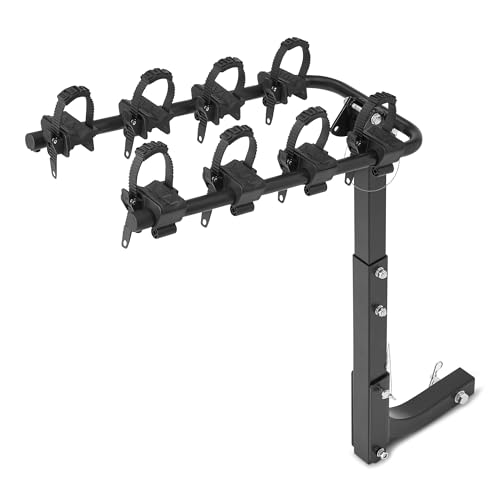
Amazon Basics 4-Bike Hitch Rack, 2-inch Hitch, 132-Pound Capacity

TRAILXPERT 2-Bike Rack Hitch Mount, 160lbs Tilting Platform Rack

FORWODE Bike Rack Hitch for Car, 200 LB 2-Bike Racks with Coded Lock
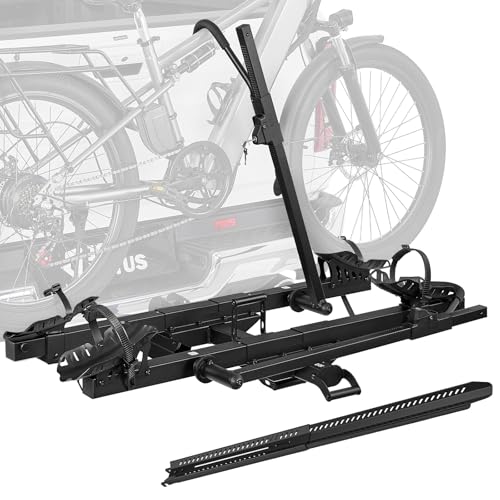
JOYTUTUS Hitch Ebike Rack with Ramp, 200 LBS Capacity for 2 E-Bikes
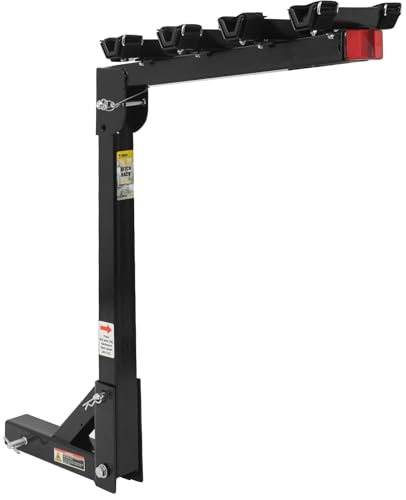
MaxxHaul keeps things straightforward: a four-bike layout, a swing-down design, and a 150-pound load rating for everyday family transport. The steel build and safety reflector suit driveway loading and evening curbside stops, though the rack makes more sense for standard bikes than for oversized e-bikes.
Compared with the ramp-equipped Young Electric picks, this one asks less of the hardware and more of your lifting routine. For weekend rides, carpool-style bike hauling, or minivan trips, that trade-off is easy to live with, and the simple setup should suit shoppers who want less fuss.
Strong Points
- Four-bike carry lets you move a whole family’s set without splitting the load across vehicles.
- Swing-down access helps you reach the rear hatch without removing the rack, which matters during errands.
- The 150-pound capacity gives you a practical ceiling for lighter bikes and mixed household use.
- Safety reflector adds a visible cue for roadside parking or dim trailhead lots.
Things To Consider
- Heavy e-bikes push past the comfort zone of this kind of four-bike platform.
- More bikes mean more strap checks, so routine tightening becomes part of ownership.
- The broad frame is handy, but it does take more storage space than a compact two-bike unit.
Feature Snapshot
Who It Suits Best
Family crews and casual riders who use lighter bikes and want one rack for several people fit this setup well.
Where A Sibling Pick Shines
Young Electric Hitch Mount Bike Rack with Ramp is the better match for e-bike owners who want help rolling heavier frames into place.
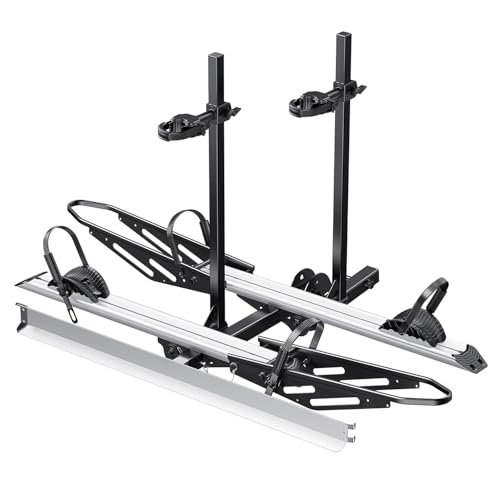
That ramp changes the experience more than a plain capacity number does, especially for heavier e-bikes that don’t belong on your shoulder. Young Electric pairs that loading aid with a 200-pound rating and room for two bikes, so the rack suits RV stops, pickup tails, and garage-to-road routines.
The 2-inch receiver fit keeps it in the common hitch category, but the ramp and added structure make it a bulkier piece of gear than the simpler MaxxHaul option. You may find the extra size worth it the first time you roll a heavy frame instead of deadlifting it, which is a small mercy on long ride days.
What We Like
- Ramp-assisted loading reduces awkward lifting for heavier bikes and tighter backs.
- Two-bike capacity keeps the rack focused on weight-bearing strength instead of higher count.
- Fat tire support broadens the fit for common e-bike setups.
- The 200-pound rating gives you more headroom than lighter family racks.
- Works across cars, SUVs, RVs, and trailers with a 2-inch receiver, so travel use stays flexible.
Small Caveats
- The ramp adds length and takes a bit more staging space behind the vehicle.
- Fewer bikes than a four-slot rack may matter for larger households.
- More moving pieces usually mean more parts to keep clean and aligned.
Core Details
Who Will Love This
E-bike owners and RV travelers who want easier loading and stronger support should feel right at home here.
Another Choice May Suit
MaxxHaul Hitch Mount 4 Bike Rack 150 lb Capacity works better for families that need to carry more bikes and can live without a ramp.
TANX leans into the parts that matter for heavier electric bikes, with a 160-pound capacity, a wobble-free setup, and a smart tilting frame. The tilt function helps you reach the back of the vehicle without dismantling the rack, which is useful in crowded parking lots or after a muddy trail ride.
Compared with the Young Electric ramp racks, this one skips the loading ramp and puts more emphasis on stable transport. That makes it a strong fit for shoppers who already manage bike lifting well enough, but still want a rack that stays composed once the road gets rough.
Upsides
- Wobble control helps the rack feel steadier on uneven roads and driveways.
- Tilting design gives you access to the rear cargo area without a full reset.
- Fat tire support makes it relevant for many e-bike and trail-bike setups.
- 160-pound capacity lands in a useful middle zone for two-bike hauling.
Worth Noting
- No ramp means heavier bikes still depend on your own lifting technique.
- The folding hardware brings convenience, but it also adds parts to keep track of.
Feature Rundown
Built With In Mind
Two-bike households with heavier electric frames and a need for steady road behavior fit this rack well.
Look Elsewhere When
Young Hitch Mount Bike Rack with Ramp suits you better when rolling the bikes on matters more than pure rack stability.
This Young Electric rack pushes the same basic e-bike idea as item 2, but it adds a foldable layout that helps reduce the footprint between trips. The 200-pound rating and 5-inch fat tire support make it a sensible match for heavier bikes that need more structure than a standard hanging carrier.
For garage storage, road trips, or a truck bed that already feels crowded, the foldable frame is the detail that earns its keep. The honest read is that you are paying for convenience as much as capacity, and that combination suits frequent users more than occasional haulers.
Bright Spots
- Ramp loading takes strain out of moving heavier bikes into place.
- Foldable form helps the rack live more neatly when stored.
- Two-bike design keeps the frame focused on sturdier transport.
- 5-inch fat tire support broadens compatibility for modern e-bike setups.
- 200-pound capacity leaves room for substantial bikes and hardware.
Points To Note
- The combination of ramp and folding parts adds setup steps compared with simpler racks.
- Two-bike capacity is enough for many households, though not for larger groups.
- Regular cleaning makes sense around the hinge points after wet or dusty rides.
Details At A Glance
Perfect Match For
Frequent e-bike users who want a ramp and a tidier stored shape should find the fit convincing.
Skip It When
Amazon Basics 4-Bike Hitch Rack fits better for mixed family transport where count matters more than e-bike loading help.
The Amazon Basics rack keeps the formula plain, which is usually the right move for a four-bike carrier aimed at regular trips and household errands. A heavy-duty steel frame, foldable layout, and anti-rattle stability all point toward a rack that is built for common use rather than fancy extras.
Compared with MaxxHaul’s swing-down design, this one puts more attention on simple structure and stability than rear access tricks. For car, SUV, and truck owners who want a no-nonsense carrier, that straightforward shape is a practical place to start.
Highlights
- Four-bike capacity works well for family outings and mixed ride groups.
- Steel frame gives the rack a sturdier feel than lighter tubing designs.
- Anti-rattle stability helps cut down the clunking that can bother daily drivers.
- Foldable construction makes garage storage easier than a fixed-frame carrier.
Areas To Watch
- 132-pound capacity sits below several e-bike-focused picks in this roundup.
- The basic layout is useful, though it lacks the loading aids found on ramp models.
- Steel needs routine care after wet trips so grime and surface wear do not build up.
Spec Overview
Whose Shelf It Belongs On
Families and casual cyclists who want a basic four-bike carrier with less fuss should land here.
Reach For A Different Pick When
FORWODE Bike Rack Hitch for Car suits you better when lock hardware and extra hitch security matter more.
TRAILXPERT sits in a useful middle lane, with two-bike capacity, a 160-pound load limit, and tilting platform geometry that works well for mixed bike sets. Fat tire support up to 5 inches broadens the fit, so the rack can handle both standard bikes and heavier electric models without feeling overly specialized.
Compared with the ramp-first Young Electric options, this one is simpler and a bit less involved to store. That makes it appealing for owners who want a heavier-duty platform without turning every loading session into a larger project.
Best Bits
- Tilting platform helps keep rear access practical after the bikes are mounted.
- 160-pound capacity works for many heavier two-bike setups.
- Up to 5-inch fat tire fit opens the door to wider bike types.
- Cars, SUVs, and trucks with a 2-inch receiver can make use of it.
Room For Improvement
- No ramp means heavier frames still call for a good lift.
- The platform style asks for careful strap placement so contact points stay consistent.
Core Details
Who Should Grab It
Mixed bike households that want a simpler heavy-duty two-bike carrier should be comfortable with this one.
Where A Sibling Pick Shines
Young Hitch Mount Bike Rack with Ramp is the better fit for heavier e-bike owners who prefer rolling the bikes into place.
FORWODE stands out through its coded lock and wobble-free tilting design, which make it feel better prepared for parking-lot stops and overnight gear stays. The 200-pound rating and 5-inch fat tire support place it in the same heavy-carry zone as the Young Electric racks, but the security angle gives it a different personality.
In day-to-day use, that lock hardware changes the conversation from simple transport to added peace of mind around the hitch area. For commuters who stop at trailheads or shops before and after work rides, that extra control is the detail that tends to matter most.
Positives
- Coded lock gives the rack a security-focused edge for public parking situations.
- Tilting motion keeps rear access available without unloading the bikes.
- 200-pound capacity suits heavier two-bike transport.
- Up to 5-inch fat tire fit keeps it relevant for e-bike setups.
- Wobble-free design aims to reduce movement at the hitch connection.
Minor Gripes
- Lock hardware adds another part to manage during storage and setup.
- Two-bike capacity is focused, so larger households may need a different layout.
- The more feature-rich frame can mean a busier install than simpler racks.
Feature Card
The Right Fit
Security-minded e-bike owners who park in busy places should find this rack especially useful.
Swap It Out When
MaxxHaul Hitch Mount 4 Bike Rack 150 lb Capacity suits larger families better because it carries more bikes at once.
JOYTUTUS puts a lot of thought into the loading sequence, starting with a ramp, then adding a pin-free tilt and fold layout. That combination matters for heavier e-bikes, because the rack is trying to reduce awkward steps before the bikes ever leave the ground.
It has the same 200-pound class as the Young Electric ramp picks, but the dual keyed locks and pin-free setup give it a more polished feel for regular use. For riders who move expensive e-bikes often, that kind of structure can feel like a sensible upgrade rather than a luxury.
Reasons To Buy
- Ramp loading eases the process of getting heavier bikes onto the carrier.
- Pin-free tilt and fold design keeps operation cleaner and more streamlined.
- Dual keyed locks add another layer of control at the rack itself.
- 200-pound capacity suits heavier two-bike transport.
- Fits 5-inch fat tires, so wider e-bike setups stay in play.
Softer Spots
- All that hardware brings more pieces to store and keep organized.
- The ramp setup is helpful, though it does ask for extra space behind the vehicle.
- Two-bike capacity is focused, so larger groups will need another solution.
Details At A Glance
Built With In Mind
Heavy e-bike owners who want ramp support, locks, and tidy fold behavior should be comfortable here.
Another Choice May Suit
FORWODE Bike Rack Hitch for Car makes more sense for you when the coded lock system feels more useful than the JOYTUTUS setup.
How To Choose The Right Bike Racks Hitches
Match The Rack To The Bikes You Own
Start with bike weight, tire width, and frame style, because those three details decide whether a rack feels easy or awkward in daily use. Standard bikes are far less demanding than cargo-style or electric models, and fat tires need extra clearance that basic racks do not always provide.
Two-bike platform racks usually suit heavier setups better, while four-bike carriers make more sense for lighter family bikes. The trade-off is simple: more capacity often means more bulk, and heavier bikes often need stronger hardware than a basic hanging frame.
Pay Attention To Receiver Size And Vehicle Shape
Most of the racks here use a 2-inch receiver, which is common on SUVs, trucks, vans, and many crossovers. That said, vehicle rear doors, tailgates, and liftgates change the way a rack behaves once it is mounted.
Swing-down or tilting designs help preserve rear access, which matters a lot on grocery runs or overnight road trips. A fixed rack can still work, but you give up some convenience every time you need the cargo area.
Think About Loading Style Before You Choose
Ramp-equipped racks make sense for heavy e-bikes because rolling beats lifting in most driveway situations. Plain platform racks stay simpler and lighter, but they ask more of your back and your balance.
Security hardware, foldability, and anti-rattle features all improve day-to-day ownership in different ways. The right mix depends on whether you value storage, parking-lot peace of mind, or a steadier ride behind the vehicle.
Choose Capacity With Real Trips In Mind
Capacity is not just a number on the page, it’s the line between a rack that feels calm and one that feels overloaded. A family of riders with lighter bikes can live happily with a four-bike design, while two heavy e-bikes often fit better on a sturdier two-bike platform.
Think about the kind of outing you do most often, not the rare exception. Weekend trailheads, RV travel, and commuter stops each push the rack a little differently, so the best match is the one that fits your routine without constant compromise.
Things Worth Knowing First
Mistakes Worth Dodging
Many shoppers focus on the number of bikes and overlook the real weight of the bikes themselves. That is where trouble starts, because a rack that suits four light frames can feel stretched thin with two heavy electric ones.
Receiver fit matters too, along with rear-door access and the space needed to fold or tilt the rack. A small planning step now saves a lot of annoyance later in the driveway.
The Upgrade Payoff
Higher-tier racks usually cost more because they add ramps, locks, fold joints, stronger steel, and better hitch stability. Those parts improve convenience and confidence, but they also add complexity and more surfaces to maintain.
The upgrade is worth it for frequent e-bike users, road-trippers, and anyone who wants easier loading after a long ride. For occasional riders with lighter bikes, a simpler rack often does the job with less hardware to manage.
Frequently Asked Questions
What size hitch do these racks usually need?
Most of the racks in this roundup use a 2-inch receiver. That size is common on larger vehicles and many tow-ready setups.
Are ramp racks worth the extra hardware?
Ramp racks make the most sense for heavier electric bikes because they reduce lifting. They are less useful for lighter bikes that are easy to place by hand.
Can a four-bike rack handle e-bikes?
Only some can, and weight capacity matters more than bike count alone. A four-bike frame is usually better for lighter bicycles than for heavy electric models.
Why do some racks tilt or swing down?
Those designs help you reach the back of the vehicle without unloading the bikes first. That convenience matters during errands, fuel stops, and travel days.
What should you clean most often on hitch racks?
Focus on moving parts, straps, and hitch contact points after wet or dusty rides. Regular wipe-downs help keep the rack easier to fold, tilt, and store.