

Mountain bikes ask a lot from storage and transport gear. Wider frames, heavier builds, and awkward shapes make a plain rack feel cramped fast, whether you’re loading up for trail days, commuting across town, or clearing space in a garage.
This roundup focuses on racks that fit different real-life jobs, from hitch carriers and floor stands to rear cargo setups. You’ll see where each pick fits cleanly, where it asks for compromise, and which rider profile gets the most value from it.
The Shortlist At A Glance
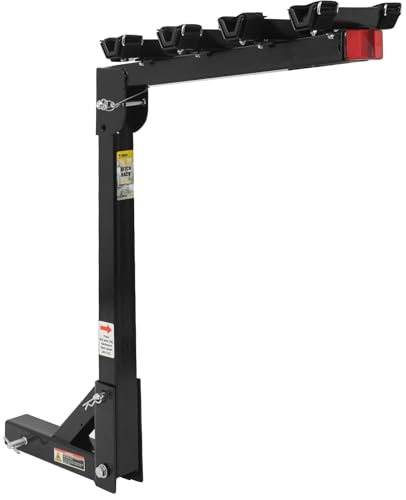
MaxxHaul Hitch Mount 4 Bike Rack (70210)

CHEPARK Bike Floor Stand Rack
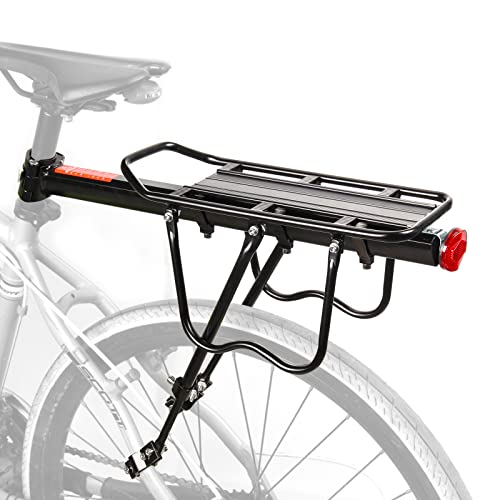
HOMEE Rear Bike Rack for 26″-29″ Frames

ROCKBROS Rear Bike Rack Quick Release

YONTUO Rear Bike Rack with Fender

CXWXC Rear Bike Rack for Disc Brake Mount

CXWXC Rear Bike Rack with Basket

Schwinn Rear Bike Rack, 26 lb Capacity
More Details On Our Top Picks
A hitch rack like this makes sense for mountain bikes that travel in pairs or more, especially for family trail days or shuttle runs. The swing-down layout matters because it gives you rear access without fully removing the rack, which is a real convenience in a busy parking lot.
The trade-off is size and weight, so this is more serious hardware than a garage stand. For SUVs, trucks, and minivans, that extra structure can be exactly what you want, though smaller vehicles may need a closer look at hitch fit and tailgate clearance.
Strong Points
- Four-bike carrying capacity suits group outings and household transport.
- Swing-down design keeps the rear hatch more usable than fixed racks.
- 150 lb load rating gives it a sturdy, workhorse profile.
- The safety reflector adds a visible touch for road-side parking.
- Works across cars, trucks, SUVs, and minivans, so it covers a wide vehicle mix.
Things To Consider
- Hitch-mounted gear needs proper vehicle compatibility, which adds a setup step.
- Storage takes more room than a folding indoor stand.
- The heavier frame can feel like overkill for solo riders.
Feature Snapshot
Who It Suits Best
You get the most value here as a household rider, trail group organizer, or anyone moving several bikes with one vehicle.
A Better Fit Elsewhere
CHEPARK Bike Floor Stand Rack suits apartment garages and single-bike storage far better, especially for riders who care more about parking a bike cleanly than hauling one by car.
Garage storage changes the equation, and this floor stand keeps it simple. Rather than hanging a mountain bike or threading it onto a wall system, you roll the wheel into a stable parking spot, which is easier for daily drop-off and take-out use.
The fit range from 20 to 29 inches covers a lot of adult and youth bikes, so mixed households may find it especially practical. That said, it’s a single-bike solution, so riders with multiple trail bikes will need more floor space or several stands.
What We Like
- Indoor floor parking feels straightforward for quick storage.
- Fits 20 to 29 inch wheel sizes, which broadens compatibility.
- Good for keeping a single mountain bike upright in a garage or home entry.
- No wall mounting means less commitment to one permanent spot.
Room For Improvement
- One-bike capacity keeps it focused, not a group-storage solution.
- Floor placement means it still claims visible room in tight garages.
- Indoor use is the natural fit, so it doesn’t replace a vehicle carrier.
Core Details
Who Will Love This
You get the most from this stand in a garage, mudroom, or apartment storage corner where one bike needs a clean home.
Another Choice May Suit
MaxxHaul Hitch Mount 4 Bike Rack 70210 fits families and group riders far better, since it carries several bikes outside the house instead of parking one indoors.
Rear cargo racks live or die on fit, and this one’s adjustable aluminum-alloy build gives it a more adaptable feel than the simpler indoor-only CHEPARK stand. For commutes, light touring, or errands with a pannier bag, that matters more than flashy extras.
The frame range of 26 to 29 inches keeps it aimed at larger adult bikes, so smaller frames are outside its comfort zone. The included tools and reflector make the package feel complete, though the exact install path still depends on your bike’s rear setup.
Upsides
- Aluminum alloy construction keeps weight down while staying practical for cargo use.
- Adjustable hardware helps it suit more frame positions.
- Works well for panniers, light luggage, and everyday utility tasks.
- The reflector adds visibility at the back of the bike.
- Tools in the box reduce the need for extra parts at the start.
Points To Note
- It’s built for 26 to 29 inch frames, so fit is not universal.
- Rear-rack mounting asks for a bit more patience than a floor stand.
- Weather exposure means routine wipe-downs are a normal part of ownership.
At A Glance
Best Suited To
You suit this rack best when your bike is a full-size adult frame and your week includes errands, commuting, or touring-style cargo.
Reach For A Different Pick When
ROCKBROS Rear Bike Rack Quick Release works better for riders who want faster removal and a more commuter-focused setup.
Quick-release hardware changes how pleasant a rear rack feels to live with, especially for commuters who remove gear often. Compared with the HOMEE rack, this one leans harder into convenience and daily use, with a steel build and side protection that make the shape feel purpose-built.
The 55 lb capacity is substantial for a rear carrier, so groceries, panniers, and light trip luggage fit its profile well. The honest read is that installation still matters, since a rack like this rewards careful setup more than rushed assembly.
Best Bits
- Quick release makes removal and reattachment more convenient.
- Heavy-duty steel gives it a sturdier, more planted feel.
- 55 lb capacity handles everyday hauling with room to spare.
- Side protection helps keep bags and cargo more contained.
- Red reflector supports visibility at the rear of the bike.
Small Caveats
- Steel adds weight compared with lighter alloy options.
- Installed parts need occasional checking after regular riding.
- Directions matter here, so setup deserves a careful read-through.
Spec Overview
Whose Shelf It Belongs On
You suit this rack best as a commuter, grocery runner, or utility rider who wants a rear carrier with less fuss at the end of the day.
Look Elsewhere When
Schwinn Rear Bike Rack, 26 lb Capacity fits lighter-duty riders better, especially when compact weight matters more than heavy cargo support.
This YONTUO rack leans into utility extras, which is useful on wet commutes and longer errands. Compared with the ROCKBROS rack, it feels more accessory-forward, with a fender and large reflective surface shaping the value story.
That combination helps it make sense for riders who want a more complete rear setup without piecing together separate add-ons. Storage and maintenance still follow the usual rear-rack pattern, so keeping bolts checked and surfaces clean remains part of the package.
Bright Spots
- Fender support helps with splash control on damp roads.
- Large reflective detail improves rear visibility in a practical way.
- Quick-release design keeps the rack easy to work with.
- Universal framing makes it more adaptable for general bike use.
Areas To Watch
- Accessory-heavy designs can add parts to keep track of.
- Rear-mounted hardware still needs proper tightening and routine checks.
- Best value shows up for riders who’ll use the added features often.
Details At A Glance
Perfect Match For
You suit this rack best when your commute includes wet pavement, variable weather, or a steady need for rear cargo and visibility.
Where A Sibling Pick Shines
CXWXC Rear Bike Rack for Disc Brake Mount is the cleaner choice for riders who want simpler hardware and less accessory clutter.
Compatibility is the headline here, and that matters in homes where one bike has disc brakes and another does not. Compared with the YONTUO rack, this CXWXC option keeps the focus narrower and cleaner, which can be a plus for riders who want straightforward rear cargo support.
The 26 to 29 inch and 700c fit range covers a useful slice of adult bikes, so touring setups and many mountain bikes fall into its lane. You may find the appeal strongest when your priority is matching the rack to the bike rather than chasing extra accessories.
Positives
- Works with both disc brake and non-disc brake mounts.
- Fits 26 to 29 inch bikes and 700c wheels, which keeps it broadly useful.
- Rear pannier and touring use feel well aligned with its design.
- Simple rack style suits riders who want fewer moving parts.
Worth Noting
- Fit depends on your frame and brake setup, so checking compatibility matters.
- It doesn’t lean into accessories, which some riders may prefer elsewhere.
- Rear cargo hardware still benefits from periodic tightening.
Feature Rundown
The Right Fit
You suit this rack best as a rider with multiple bike types at home or a touring setup that needs reliable rear cargo support.
Swap It Out When
Schwinn Rear Bike Rack, 26 lb Capacity makes more sense for lighter errands and a simpler seatpost-style install.
The basket changes the whole rhythm of this rack, because loose items stop feeling like an afterthought. Compared with the plain CXWXC carrier above, this version is the more useful choice for people carrying irregular cargo, from work gear to small bags that don’t want to sit inside panniers.
That extra utility does add bulk, so it suits riders who value function over a stripped-down profile. In most garages, it’s still easy enough to live with, though the basket means you’ll want to think about bike width and parking space a little more carefully.
Reasons To Buy
- Built-in basket gives it a clear cargo advantage.
- Works across disc brake and non-disc brake mounts.
- Good for bagged errands, commuter items, and awkward-shaped carry-ons.
- The touring-rack base keeps it grounded in real bike utility.
Minor Gripes
- The basket adds visual bulk compared with a plain rack.
- More structure means more to clean after wet rides.
- Bike parking space becomes a little more important.
Quick Facts
Built With In Mind
You suit this rack best as a commuter, neighborhood errand runner, or touring rider who wants one place for loose cargo.
Where Shoppers Go Wrong
CHEPARK Bike Floor Stand Rack is the cleaner option for storage-only needs, especially when your bike should stay parked indoors rather than carry cargo.
Schwinn takes a lighter, more familiar route than the cargo-heavy ROCKBROS and MaxxHaul options. Mounting at the seat post with included hardware keeps the setup approachable, and the adjustable fit for center, side, or no mounting points broadens the frame compatibility story.
The 26 lb capacity tells you exactly what kind of job it wants, everyday hauling rather than serious expedition load work. For commuting, a small basket, or a backpack setup, that restraint is part of the appeal, not a flaw.
Highlights
- Lightweight build keeps the rack unobtrusive on the bike.
- 26 lb capacity suits routine cargo without encouraging overpacking.
- Seatpost mounting can simplify installation on many adult frames.
- Works with center, side, or no mounting points, which helps with fit.
- Included hardware reduces the odds of extra shopping for parts.
Softer Spots
- Lower capacity makes it less suitable for heavier hauling jobs.
- Seatpost-based mounting may not suit every frame shape equally well.
- It’s more about daily convenience than rugged cargo transport.
Feature Card
Who Should Grab It
You suit this rack best as a commuter or weekend rider who wants light cargo support without a bulky rear carrier.
Skip It When
MaxxHaul Hitch Mount 4 Bike Rack 70210 fits stronger family transport needs better, especially when several mountain bikes need to travel together.
How To Choose The Right Bike Racks For Mountain Bikes
Match The Rack To The Job
Start with the job you actually need done. A hitch carrier handles transport, a floor stand handles indoor storage, and a rear cargo rack handles daily carry, so the wrong style feels awkward before you even load it.
Mountain bikes usually bring wider frames, heavier wheels, and more complex shapes than casual bikes. That means fit matters more than flashy features, especially around rear clearance, wheel size, and how the rack connects to the frame or vehicle.
Check Fit Before Add-Ons
Mount style should come before extras. A seat post rack, disc brake compatible rack, or hitch mount each solves a different problem, and that base choice determines whether the rest of the purchase makes sense.
Wheel range and frame range deserve the same attention. The CHEPARK floor stand works because it accepts 20 to 29 inch bikes, while CXWXC’s rear racks make more sense for 26 to 29 inch frames and 700c setups.
Think About Weight And Use Pattern
Capacity tells you what kind of riding life the rack can handle. A 26 lb rear rack suits backpacks and lighter cargo, while a 55 lb or 150 lb setup belongs with heavier transport and broader load demands.
That number also hints at trade-offs, since stronger racks often weigh more and take more room. For a short commute, that’s manageable; for a bike you lift often, a lighter carrier can feel smarter.
Look At Setup And Maintenance Reality
Installation effort changes ownership more than most shoppers expect. Quick-release hardware, included tools, and simpler mounting points save time, while more complex rear carriers reward careful assembly and periodic checks.
Cleanability matters too, especially for mountain bikes that see dust, wet roads, or trail grit. A plain stand is easy to wipe down, but racks with baskets, reflectors, side guards, or fenders ask for a little more attention.
What To Weigh Before You Buy
Common Shopping Slip Ups
Many people start with load capacity and stop there. Frame fit, brake type, vehicle type, and storage space matter just as much, and skipping them can turn a decent rack into a frustrating one.
Another easy miss is overbuying for the job. A 4-bike hitch carrier makes sense for family transport, but it’s excessive for solo errands or a single mountain bike that only needs indoor parking.
What The Higher Tier Buys
More expensive racks usually bring stronger materials, better fit ranges, or easier hardware. That can mean aluminum alloy instead of heavier steel, more adaptable mounting, or extras like quick release systems and baskets.
The upgrade is worth it when your use is regular and the rack stays in rotation. For occasional storage, a simpler stand often makes more sense than paying for hardware you won’t use often.
Frequently Asked Questions
Can A Mountain Bike Use A Regular Rear Rack?
Yes, as long as the frame, brake type, and wheel size match the rack’s fit range. Checking those details matters more than the bike label itself.
Do Hitch Racks Work Better Than Rear Frame Racks?
Hitch racks suit vehicle transport, especially when you need to move several bikes at once. Rear frame racks are better for carrying cargo while riding.
Are Floor Stands A Good Choice For Small Garages?
They work well when you want upright parking without wall mounting. The trade-off is that each bike still occupies floor space.
What Capacity Do You Need For Everyday Cargo?
Light commuting often fits within lower-capacity racks around the 26 lb range. Heavier groceries, panniers, or multi-bike transport call for a stronger setup.
What Makes A Rear Rack Easier To Live With?
Quick release hardware, included installation parts, and a straightforward shape all help. Less fuss during removal and cleanup usually makes the rack feel more manageable over time.