
Triathlon setups reward clean transfers, steady foot placement, and gear that matches how you actually ride. You need pedals that fit your shoes, your bike, and the pace you keep from training days to race prep. This roundup focuses on clipless road options, strap-based picks, and a flat-to-clip combo that suits mixed riding habits. The trade-offs are real, so you can match the right pedal style to your position, entry routine, and maintenance tolerance.
Quick Shortlist For Triathlon Pedal Shoppers
Newsty Bike Pedals with Clips and Straps

LOOK Cycle KEO 2 Max Road Bicycle Pedals
ONIPAX Bike Pedal Straps Adjustable 3 Layer Toe Clips
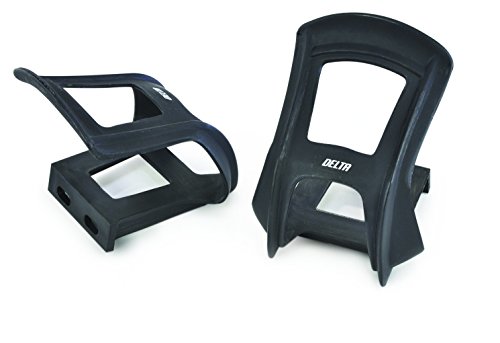
Delta Cycle & Home Bike Strapless Toe Clips
ZERAY Carbon Road Bike Pedals

BUCKLOS Mountain Bike Pedals PD-M680
More Details On Our Top Picks
Newsty goes after riders who want a simple platform with straps and clips rather than a more race-only setup. The resin and alloy build points to everyday toughness, which matters in a busy garage or on a trainer that sees constant shoe changes.
The 9/16-inch spindle is the useful detail here, since that size is common on many adult bikes. Compared with LOOK Cycle’s more stripped-back road focus, this one leans into versatility, and that usually suits commuters, casual riders, and indoor users better.
What We Like
- Clip and strap format gives you a secure foot hold.
- Resin and alloy construction fits regular use well.
- Works for outdoor riding and stationary training setups.
- 9/16-inch spindle suits many standard bikes.
Things To Consider
- Clip-and-strap pedals take more setup than a pure road clipless pair.
- The finish and hardware may need routine checking after repeated use.
Feature Snapshot
Who It Suits Best
Riders who want a straightforward strap-and-clip pedal for training, commuting, or indoor sessions will get the most from it.
A Better Fit Elsewhere
LOOK Cycle KEO 2 Max suits triathletes who want a dedicated clipless road feel and a more performance-led pedal platform.
LOOK’s KEO 2 Max is the clearest road-first choice in this group, and that large 500 mm² contact area is the detail that matters most. In plain terms, contact area is the surface between shoe and pedal, and more of it can give you a steadier platform through hard pedaling.
The stainless steel surface adds durability where shoe contact is highest, while adjustable tension lets you tune how firmly the cleat locks in. That makes it a sharper fit for triathletes who care about a crisp road feel, though the clipless setup asks more from your shoes and cleats than the strap-based Newsty pair.
Highlights
- 500 mm² contact area supports a stable pedal stroke.
- Stainless steel surface adds hard-wearing touch points.
- Adjustable tension helps you tune entry and release feel.
- Ultra-light build suits performance-oriented road bikes.
Points To Note
- Clipless road pedals need compatible shoes and cleats.
- That performance focus leaves less flexibility than strap or combo styles.
At A Glance
Built With In Mind
You get the most from this pedal on a road bike or tri bike where clean power transfer matters more than casual stepping in and out.
Skip It When
ONIPAX Bike Pedal Straps fit better for riders who want a simpler foot-retention setup without moving fully into clipless road hardware.
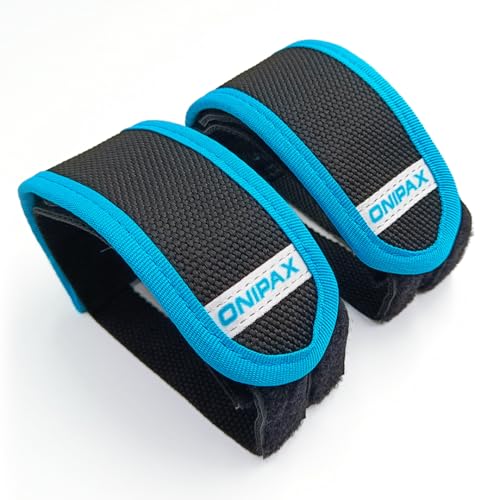
ONIPAX sits in the middle ground between old-school toe clips and full clipless pedals, and that can be exactly the right balance for mixed training. The triple-layer nylon build is the important part, because layered nylon is meant to handle repeated pulling and daily wear without feeling flimsy.
The hook-and-loop strap setup makes fit changes quick, which helps during garage bike sessions or when a single pair gets shared across different shoes. Compared with Delta’s strapless toe clips, this one gives you more control over foot retention, though it also asks for a little more setup time.
Bright Spots
- Three-layer nylon construction aims at better long-term wear.
- Adjustable straps help you dial in shoe fit.
- Two-pack format covers more than one bike or rider setup.
- Works across fixed gear, road, and BMX use cases.
Areas To Watch
- Straps take more adjustment than a pedal with no retention hardware.
- Shared use means you may need to recheck tension often.
Core Details
Whose Shelf It Belongs On
Riders who want strap-based control without moving to a full road clipless system will feel at home here.
Where A Sibling Pick Shines
LOOK Cycle KEO 2 Max suits riders chasing a cleaner road-race pedal feel and a larger shoe contact zone.
Delta keeps things stripped down with strapless toe clips, which makes this a low-fuss option for riders who want some foot guidance without straps getting in the way. The honest read is that this style asks less from your setup, but it also gives you less locked-in control than a clipless pedal.
That trade-off can work well on a commuter bike or a trainer where quick foot placement matters more than aggressive sprinting. Compared with ONIPAX, this is the simpler route, and that simplicity can be a relief in a small workshop or shared bike space.
Best Bits
- Strapless layout keeps the pedal area cleaner and simpler.
- Low-profile design suits bikes with a pared-down setup.
- Easy to understand for riders new to toe clips.
Softer Spots
- Foot hold is less secure than strapped or clipless options.
- You may prefer a more adjustable system for longer rides.
Details At A Glance
Right Fit For
Casual cyclists who want a clean, simple toe-clip feel without extra hardware will appreciate this most.
Another Choice May Suit
Newsty Bike Pedals with Clips and Straps suit you better when you want more hold for indoor training and outdoor miles alike.
ZERAY leans into lighter road use, with a carbon composite body and a chromoly steel axle under it. Carbon composite blends carbon fiber with a polymer base, so you get a lighter shell than many metal-heavy pedals, while the steel axle handles the load-bearing job.
That mix makes sense for training days and steady road miles, especially for riders already committed to a Keo-style cleat setup. Compared with LOOK’s KEO 2 Max, this one emphasizes material savings and compatibility, while giving up some of the name-recognition and broader platform feel.
Reasons To Buy
- Light average weight supports a nimble road feel.
- Carbon composite body keeps mass down.
- Chromoly steel axle adds a durable load-bearing element.
- Compatible with Keo and Keo Grip cleats.
Worth Noting
- Clipless road pedals still need matching shoes and cleats.
- Compatibility matters, so Keo-style setups get the best fit.
Feature Card
Built For In Mind
Road cyclists who already know they want a clipless setup and care about reducing pedal weight will fit this model well.
Look Elsewhere When
BUCKLOS Mountain Bike Pedals PD-M680 fit better for mixed riding, especially when you want a dual-sided platform instead of a road-only pedal.
BUCKLOS brings a dual-sided combo approach, which makes sense for riders who split time between different bikes or surfaces. Sealed bearings, the parts that let the pedal spin around the axle more smoothly while keeping grime out, are a useful sign for wet commutes, gravel stretches, and sweaty indoor sessions.
The combo format is broader than the more focused LOOK and ZERAY road pedals, so you gain flexibility at the cost of pure triathlon specialization. That can be the right trade, especially for an e-bike, spin bike, or gravel setup that needs one pedal to cover several roles.
Positives
- Dual-sided layout helps with quicker engagement on mixed rides.
- Sealed bearing design suits rougher conditions better than basic open setups.
- Works across road, gravel, spin, stationary, and e-bike use.
- Broad compatibility makes it a practical multi-bike option.
Minor Gripes
- The all-purpose design gives up some road-race focus.
- Combo pedals can feel less streamlined than a dedicated tri pedal.
Technical Sheet
The Right Fit
You get the most out of this pedal on mixed-use bikes, indoor trainers, and e-bikes where flexibility matters more than race-day specialization.
Reach For A Different Pick When
LOOK Cycle KEO 2 Max suits you better for a narrower triathlon-focused road setup with a more direct performance bias.
How To Choose The Right Bike Pedals For Triathlon
Match The Pedal Style To Your Race Routine
Triathlon transitions reward pedals that suit your shoes and your habits. Clipless road pedals give a clean, locked-in feel for hard efforts, while strap-based options make more sense for general training or mixed riding. Strapless toe clips sit in between, which can feel simple but less controlled.
Your shoe setup matters just as much as the pedal body. A clipless pedal only pays off when your cleats, shoes, and release tension all line up with how you ride through transitions.
Weight, Surface Area, And Stability
Light pedals matter, but not in isolation. LOOK’s 500 mm² contact area shows why platform size can be as important as grams, because a broader shoe interface often feels more planted during stronger strokes. ZERAY leans lighter with a carbon composite shell, so it suits riders who want lower mass without moving away from a road clipless style.
The trade-off shows up in comfort and confidence under load. A larger contact zone can feel steadier, while an ultra-light pedal can feel less substantial to riders who prefer a firmer stance.
Retention, Release, And Ease Of Use
Retention is the hold between shoe and pedal, and it should match your transition speed. Adjustable tension, like the LOOK KEO 2 Max offers, helps you fine-tune entry and release, which matters for triathletes who want fast starts without a fight at dismount.
Strap systems are easier to understand at a glance, yet they usually ask for more setup and more routine adjustment. That makes them solid for training, less so for racers chasing the cleanest possible changeover.
Durability And Daily Maintenance
Materials tell you a lot about long-term ownership. Resin and alloy can suit everyday use, chromoly steel adds strength where load builds up, and sealed bearings are a smart touch for wet roads or sweat-heavy indoor sessions.
Cleaning should stay simple, but hardware still needs checks after repeated rides. Loose straps, worn cleats, or gritty bearings can change how a pedal feels, so the best choice is the one you’ll keep up with easily.
Before You Click Through
Mistakes Worth Dodging
Many shoppers focus on pedal shape and ignore cleat compatibility. That creates the classic mismatch, especially with road clipless setups that need the right shoes and cleats to make sense.
Another common miss is choosing a pedal for racing use and then expecting it to feel relaxed on a commuter bike. A triathlon pedal can be crisp and efficient, yet that same trait may feel fussy in everyday stop-and-go riding.
Where The Extra Money Goes
Higher-tier pedals usually spend the money on lighter bodies, better contact surfaces, and more refined hardware. That’s why carbon composite shells, stainless steel wear zones, and sealed bearing systems show up in pricier options.
The upgrade makes sense when you ride often, care about transition speed, or want a more locked-in road feel. For casual training, simpler strap or toe-clip designs can be enough and easier to live with.
Frequently Asked Questions
Are clipless pedals better for triathlon?
Clipless pedals usually suit triathlon better because they give a direct, efficient connection to the bike. They also need the right shoes and cleats, so they fit riders who want a more committed setup.
Do pedal straps still make sense for training?
Yes, pedal straps still make sense for steady training, indoor sessions, and mixed use. They offer more foot retention than open toe clips without moving fully into a road-race setup.
What spindle size should you check first?
The thread size has to match your crank, and 9/16-inch is a common adult-bike standard. A mismatch stops the installation before you even think about ride feel.
Why does pedal contact area matter?
Contact area is the part of the pedal your shoe actually presses against. A larger zone can feel steadier during strong efforts, which helps on longer road sessions.
Can one pedal work for road, gravel, and indoor training?
A combo pedal can cover several use cases, especially for riders who switch between bike types. Dedicated road clipless pedals usually feel more focused, so they suit triathlon-specific riding more closely.