
Bike setup gets easier fast once the pedals match the rider and the bike. That matters for small feet, first trail bikes, balance-bike conversions, and the daily commuter who just wants solid footing without fuss. The seven picks below span flat platforms, kid-sized resin pedals, strap-based support, and conversion kits, so you can match the part to the stage of riding. The right choice feels plain in the best way, like a hinge that just keeps working.
Quick Look At The Shortlist

BUCKLOS Mountain Bike Pedals MTB Pedals Large Flat

Strider 14x Easy-Ride Pedal Kit

Kid’s Bike Pedal 1/2-Inch Bike Pedals 1 Pair
Kids Bike Pedals Upgraded Resin 1 Pair 16‘’ 18‘’

Outus Kids Pedal Straps for Bike, 2 Pairs
AVASTA Durable Polypropylene Bicycle Pedals
MEGHNA Bike Pedals Non-Slip Bicycle Aluminium Alloy
Wide flat pedals make sense for a first adult setup because they give your shoes a larger landing zone. BUCKLOS keeps the design simple with a nylon body and a 9/16-inch thread, which is the common spindle size on many full-size bikes.
That shape suits gravel bikes, hybrid commuters, beach cruisers, folding bikes, and BMX-style rides that need predictable footing. The trade-off is straightforward, flat nylon pedals are practical rather than flashy, so you get function first and little in the way of premium refinement.
What We Like
- Large platform area gives you more foot room on casual rides.
- Nylon construction keeps the pedal light and easy to live with.
- Works across several bike styles, so it fits mixed garages well.
- Plain black finish blends in on commuter and recreational builds.
Points To Note
- Flat nylon pedals do not bring the planted feel of metal versions.
- There is no built-in strap or cage support for aggressive pedaling.
- Platform pedals collect dirt like any open-faced design, so cleaning is regular work.
Feature Snapshot
Who Will Love This
Adult commuters and casual trail riders who want a broad, no-fuss pedal will get the most from this BUCKLOS set.
A Better Fit Elsewhere
MEGHNA Bike Pedals Non-Slip Bicycle Aluminium Alloy Pedals suit you better when you want a metal body and a firmer feel under harder use.
This kit matters because it turns a Strider 14x balance bike into a pedal bike without forcing a full equipment swap. The included cranks, chain, narrow pedals, and wrench make it a targeted conversion rather than a generic accessory.
For a child moving from balance skills to pedaling, that focused design keeps the transition tidy. The honest read is that it only makes sense for the matching 14x platform, but within that lane it solves a very specific problem neatly.
Highlights
- Built for the 14x frame, so fit is the main selling point.
- Includes the main parts needed for the conversion.
- The supplied wrench simplifies the install for home assembly.
- Narrow pedals suit small riders who are still learning pedal placement.
- Moves the child from balance mode to pedaling with one setup change.
Room For Improvement
- It only serves one specific bike, so it has no broad compatibility.
- Chain and crank parts need basic upkeep like any drive-related kit.
- Assembly still asks for a bit of patience even with the wrench included.
Core Details
Made For
Families using a Strider 14x who want a clean path from balance bike riding to pedaling will get the clearest use from this kit.
Look Elsewhere When
Outus Kids Pedal Straps for Bike suit a child who still needs extra foot retention on a balance-style setup.
Small kids bikes need small pedals, and this pair is shaped around 12-inch and 14-inch youth frames. The resin build keeps things light, which matters on little bikes where every part affects how easy the bike feels to manage.
Pink and blue versions give you a bit of color without changing the job they do. Compared with the Strider conversion kit, this is the simpler route, a direct replacement for a child bike rather than a full drivetrain swap.
Bright Spots
- Sized for 12-inch and 14-inch bikes, so fit is the key advantage.
- Resin construction keeps the pedals easy to handle and install.
- Works as a straightforward replacement on many starter bikes.
- Color choices help you match the bike without much effort.
Minor Gripes
- Resin is lighter than metal, but it does not feel as dense.
- Compatibility stays narrow, so checking the bike size is essential.
- Basic replacement pedals need occasional cleaning around the spindle area.
Technical Sheet
Whose Shelf It Belongs On
Parents replacing worn pedals on a 12-inch or 14-inch kid bike will find the fit logic here easy to follow.
Where A Sibling Pick Shines
N3od3er Kids Bike Pedals Upgraded Resin 1 Pair 16‘’ 18‘’ fit better for larger child bikes that have already moved beyond the smallest wheel sizes.
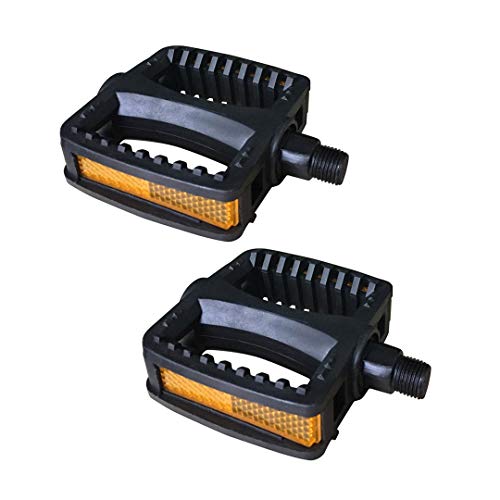
This set follows the same simple logic as the smaller N3od3er pedals, then scales it for 16-inch and 18-inch bikes. That makes it a sensible replacement for a child who has already outgrown the tiniest frames and needs a pedal size that matches the bike better.
Resin keeps the build light and straightforward, which suits neighborhood rides and everyday school-day use. The trade-off is that it stays in the basic replacement category, so you are choosing size fit and simplicity rather than extra hardware.
Best Bits
- Built for 16-inch and 18-inch youth bikes.
- Light resin body is easy on smaller bike setups.
- Simple one-pair replacement keeps installation uncomplicated.
- Fits the role of a routine refresh on a growing kid bike.
Softer Spots
- No extra features appear in the listing, so it stays plain by design.
- Correct wheel size matters more here than cosmetic preference.
- Like most resin pedals, the surface benefits from regular wipe-downs.
Details At A Glance
Right Fit For
Families replacing worn pedals on a 16-inch or 18-inch child’s bike will get the clearest match from this pair.
Not Your Match When
Kid’s Bike Pedal 1/2-Inch Bike Pedals 1 Pair is the better fit for 12-inch and 14-inch youth bikes.
Pedal straps solve a different problem from the pedal sets above, they help a child keep feet in place instead of replacing the pedal body itself. Outus uses adjustable hook-and-loop fastening with nylon webbing, which keeps the idea simple and familiar for parents managing a toddler bike or balance bike.
Two pairs in the package give you a little room for setup changes, spare use, or different bikes in the house. The soft trade-off is that straps add one more thing to adjust, so they suit patient, hands-on setup more than grab-and-go riding.
Strong Points
- Adjustable strap length helps match different shoes and foot sizes.
- Nylon webbing gives the set a straightforward, durable feel.
- Works well for toddlers learning steadier foot placement.
- Two pairs in the package create practical setup flexibility.
Areas To Watch
- Straps need setup care so they sit evenly on both pedals.
- They add an extra adjustment step before riding starts.
- Regular checking keeps the hook-and-loop closure aligned.
Spec Overview
Built With In Mind
Toddler setups and balance bikes benefit most from this kind of foot-retention support.
Another Choice May Suit
Strider 14x Easy-Ride Pedal Kit is the better route when you want a full move from balance bike to pedaled riding on the matching frame.
AVASTA takes a broader approach than the kid-focused picks above, using polypropylene, reflectors, and two thread sizes so the same pedal line can work across more bikes. That versatility is the point, especially in a household where road, mountain, or commuter bikes may share repair parts.
The anti-slip nails on both sides give you a more planted feel on rough paths, muddy stretches, or shoes with smoother soles. The practical compromise is that the raised grip points need attention during cleaning, but that is normal for a pedal built around traction.
Upsides
- Two thread sizes widen compatibility across different bikes.
- Reflectors add visible hardware without changing the pedal shape.
- Grip points on both sides help keep feet more stable.
- Polypropylene body keeps the design light and easy to swap.
- Fits mixed-bike homes that do not want separate pedal styles for every frame.
Small Caveats
- Raised grip points need routine cleaning after dirty rides.
- The traction-focused design feels more active underfoot than smooth pedals.
- Thread size still matters, so matching the crank is essential.
Feature Card
The Right Fit
Households that maintain several bike types and want one pedal style with broad threading flexibility will get the most from AVASTA.
Swap It Out When
BUCKLOS Mountain Bike Pedals MTB Pedals Large Flat suit you better when you want a larger platform shape instead of a grip-pin style body.
Aluminium alloy changes the feel right away compared with the resin and polypropylene picks above, it gives the pedal a more substantial structure. MEGHNA also keeps the threading flexible with both 1/2 inch and 9/16 inch sizes, which helps in homes with different bike types.
The non-slip surface suits mountain bikes, BMX bikes, beach cruisers, and kid bikes that see more energetic riding. One thing worth considering is that metal pedals can feel less forgiving against shins than lighter plastic styles, but that same firmness is part of their appeal.
Reasons To Buy
- Aluminium alloy brings a sturdier feel than the resin options.
- Dual thread sizes help with broader bike compatibility.
- Non-slip surface supports more confident pedaling on active rides.
- Works across mountain, BMX, cruiser, and kid bike setups.
Honest Caveats
- Metal pedals can feel less forgiving around tight storage or garage work.
- Grip surfaces need periodic cleaning to stay effective.
- The firmer body may be more than some casual riders want.
Core Details
Perfect Match For
Riders who want a sturdier pedal for mixed-use bikes and do not mind a firmer feel will get strong value from this MEGHNA set.
Reach For A Different Pick When
N3od3er Kids Bike Pedal 1/2-Inch Bike Pedals 1 Pair is the softer fit for very small 12-inch and 14-inch children’s bikes.
How To Choose The Right Bike Pedals For Beginners
Match The Pedal To The Bike Size
Thread size is the first check, because 1/2 inch and 9/16 inch are not interchangeable on every crank. That detail decides whether a pedal fits your bike at all, especially on kid bikes and mixed home garages.
Wheel size matters just as much for youth bikes. A 12-inch or 14-inch bike needs a smaller pedal profile than a 16-inch or adult-sized setup, or the bike can feel clumsy under small feet.
Choose Grip Based On The Riding Job
Flat platforms give you room to place a shoe and are easier for casual riding, commuting, and early balance work. Grip pins, reflectors, straps, and narrow kid pedals each solve a different problem, so the right answer depends on foot stability, not just appearance.
For smooth neighborhood riding, a simple flat body often makes sense. For rougher paths or more active pedaling, a more textured surface or a strap system can feel steadier.
Think About Material And Maintenance
Nylon, resin, polypropylene, and aluminium alloy each bring a different feel. Plastic-style pedals usually stay lighter and are easier to live with, while metal usually feels firmer and more durable under harder use.
Cleaning is part of ownership either way, but raised grip surfaces and open platform shapes collect dirt more quickly. That means a quick wipe-down and regular check of the threads is worth doing, especially after wet rides or muddy routes.
Pick For The Rider’s Current Stage
A child moving from a balance bike needs a different setup than an adult commuter or a teen on a BMX. Conversion kits help with staged learning, while simple replacement pedals suit riders who already know how to pedal and just need the right size.
That distinction keeps you from overbuying. The right pedal is the one that matches the rider’s current bike, skill level, and the kind of ground they actually ride.
What To Weigh Before You Shop
Mistakes Worth Dodging
Thread mismatch causes the most avoidable headache in this category. Check crank size before anything else, then confirm wheel size for youth bikes and the type of pedal body you actually need.
Another common miss is choosing a pedal with too much hardware for the rider’s stage. A beginner on a neighborhood bike usually benefits more from simple footing than from extra grip points or parts that need extra setup.
The Case For Spending Up
Higher-tier pedals usually cost more because of the material and the hardware around the body. Aluminium alloy, reflectors, cranks, chains, and conversion parts all add complexity, and that usually shows up in the build.
The upgrade pays off when the bike sees harder use, shared use, or repeated growth changes. A sturdier pedal or a purpose-built conversion kit makes more sense than a basic replacement once the bike and rider have specific demands.
Frequently Asked Questions
What thread size should you check first?
Check the crank thread before anything else, because 1/2 inch and 9/16 inch pedals serve different bike setups. That single detail decides whether the pedal fits the bike.
Are flat pedals better for new riders?
Flat pedals usually feel easier to learn on because they give a broad standing surface. They also work well for casual riding and commuting.
Do kids need strap pedals?
Straps help children keep feet in place during early riding. They make the most sense on toddler bikes and balance-style setups.
Which material is easiest to live with?
Resin, nylon, and polypropylene stay light and simple for everyday use. Aluminium alloy feels sturdier, but it usually brings a firmer ride feel.
Should you replace pedals or convert the whole bike?
Replace the pedals when the bike already fits the rider and just needs a fresh part. Use a conversion kit when the bike is changing stages, like a balance bike moving into pedal use.