
Bike mitts solve a simple problem that shows up fast on rough pavement, cold commutes, and long weekend miles: your hands take the hit first. Some riders want palm padding and airy half-finger freedom, others need wind blocking, touchscreen use, or a handlebar cover that turns a winter bike into something much easier to live with. This roundup covers that whole spread, so your hands stay comfortable without guessing at the trade-offs.
The Shortlist At A Glance

Giro Jag Road Cycling Gloves Men’s White Large

Winter Gloves Women Men Cold Weather Touch Screen 3-Layers Liner Glove
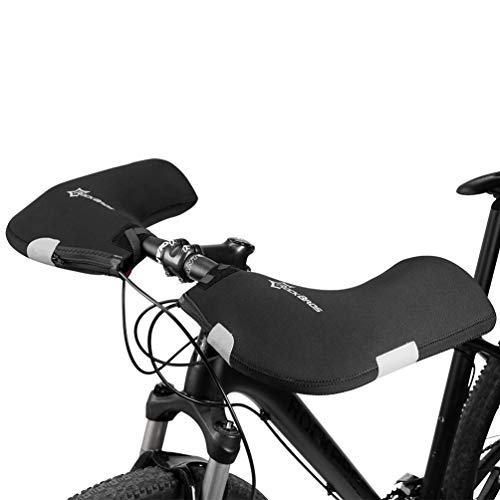
ROCKBROS Bike Pogies Windproof Neoprene Handlebar Mitts

Gore WEAR Thermo Split Gloves Gore-TEX INFINIUM

Souke Sports Bike Gloves Half Finger Padded Cycling Gloves

Lamicall Bike Gloves Anti-Slip Shock-Absorbing Pad
Lamicall Bike Gloves Anti-Slip Shock-Absorbing Pad
More Details On Our Top Picks
Road riders who want a simple, low-bulk mitt usually land in this lane fast. The half-finger layout keeps your hands freer than a full glove, and the EVA palm padding helps soften chatter from rough pavement, which matters on daily commutes and longer weekend spins.
The honest read is that this style gives you less weather coverage than the winter options later in the list, so it fits warm or mild conditions best. You may also prefer a snug road feel over a plush, bulky build, especially on drop bars.
What We Like
- Light palm cushioning takes the edge off broken pavement.
- Half-finger design keeps dexterity high for shifting and braking.
- Low bulk works well on warm-weather rides.
- Simple construction tends to stay easy to clean and store.
Things To Consider
- Open fingers leave more skin exposed than full-coverage styles.
- Padding helps with road buzz, but it does not turn harsh roads into smooth ones.
- Warmth is limited, so this is not the match for cold mornings.
Feature Snapshot
Who It Suits Best
Commuters and road riders who want a straightforward glove for mild weather will get the most from this pair.
Where A Sibling Pick Shines
ROCKBROS Bike Pogies suits winter commuters who need much stronger wind shielding than the Giro Jag Road Cycling Gloves Men’s White Large can provide.
Cold-weather commuters usually want more than a light liner, and this glove is built around that need. The three-layer construction gives you a warmer feel than Giro’s half-finger setup, while touchscreen support keeps phone use simpler during stops or route checks.
The trade-off is clear enough, though: a layered glove can feel less airy, so it suits chilly mornings better than spring training rides. The size choices also make this one more useful for households that need a practical shared option across running, biking, and driving.
Highlights
- Three-layer build should feel warmer than a basic liner.
- Touchscreen compatibility helps with maps and calls on the go.
- Broad activity range makes it handy beyond cycling.
- Simple winter use case suits commuting and errands.
Small Caveats
- More fabric usually means less breathability than a summer glove.
- Fit matters more here, so sizing deserves a close look.
- Layered gloves can take longer to dry after damp use.
Core Details
Who Will Love This
Daily commuters and mixed-activity shoppers who want one glove for cold walks, bike trips, and driving will get strong value from this design.
Another Choice May Suit
Gore WEAR Thermo Split Gloves makes more sense for cyclists who want a more purpose-built riding feel than the Aerynx Winter Gloves Women Men Cold Weather Touch Screen 3-Layers Liner Glove.
For deep winter riding, handlebar mitts like these change the feel of a cold commute in a very practical way. The 6 mm neoprene build, meaning a dense synthetic foam rubber layer, blocks wind far better than a bare glove, and the water-resistant setup helps in rain, slush, and snow.
Compared with the Aerynx glove above, these stay on the bike instead of your hands, so they suit riders who want more enclosed protection. The catch is storage and installation, since handlebar pogies are a bike accessory rather than an everyday wearable.
Bright Spots
- Handlebar coverage shields the hands from direct wind.
- 6 mm neoprene brings a substantial cold-weather barrier.
- Water resistance helps on wet winter routes.
- Reflective details add a useful visibility touch.
- Velcro setup keeps installation straightforward for most bikes.
Areas To Watch
- These take up space on the bars even when you are not riding.
- They work best for winter use, not year-round wear.
- The bike-mounted format means setup matters more than with a glove.
- Bulk can feel unfamiliar at first on crowded handlebars.
Details At A Glance
Built With In Mind
Winter commuters, fat-bike riders, and anyone spending long stretches on exposed roads will get the most from these mitts.
Skip It When
Souke Sports Bike Gloves Half Finger Padded Cycling Gloves suits warm-weather riders who want handheld comfort rather than a bar-mounted winter shell.
This pair sits in the middle ground between lightweight road gloves and full winter bulk. The split-glove layout helps with finger movement, so riders who hate stiff winter gear may appreciate the balance of control and warmth.
Compared with the ROCKBROS pogies, these remain a wearable glove instead of a handlebar attachment, which makes them easier for mixed use off the bike. The trade-off is that you get less enclosed wind shelter than the mitt-style options above.
Reasons To Buy
- Thermal construction suits brisk rides without feeling oversized.
- Split-finger design keeps some dexterity while riding.
- More bike-specific feel than a general winter glove.
- Good match for steady pace rides in cool weather.
Room For Improvement
- Less protective than handlebar pogies in harsh wind.
- Not as open and airy as a summer half-finger glove.
- Fits a narrower use case than the more general Aerynx option.
Feature Card
Right Fit For
Riders who want a more technical winter glove for cool-weather training and weekday miles should look here first.
Look Elsewhere When
Giro Jag Road Cycling Gloves Men’s White Large is a simpler option for riders who want much less insulation and more summer-friendly ventilation.
Souke Sports keeps the formula familiar, which is part of the appeal. You get half-finger coverage, padded palms, anti-slip grip, and breathable mesh, so this is aimed at riders who want a straightforward glove for road bikes, mountain bikes, and casual rides.
Compared with the Giro Jag, this option leans more toward broad everyday usefulness than a road-specific feel. The honest read is that it fits best as a practical all-rounder, not a specialized cold-weather glove.
Plus Points
- Padded palms help reduce hand fatigue on rougher routes.
- Anti-slip grip supports steadier bar control.
- Breathable mesh is useful for warm rides and sweaty commutes.
- Half-finger layout leaves your fingertips freer for small tasks.
- Versatile enough for road, MTB, and casual cycling.
Points To Note
- Open fingers make this a poor match for cold mornings.
- Mesh and padding can wear differently depending on use habits.
- The feel is practical rather than especially plush.
Spec Overview
The Right Fit
Riders who want one glove for commuting, casual training, and summer trail days will find this an easy place to start.
A Better Fit Elsewhere
Lamicall Bike Gloves Anti-Slip Shock-Absorbing Pad suits shoppers who want a broader cross-sport option with a more general workout focus.
Lamicall leans into cross-training usefulness, so this pair speaks to people who move between the bike, gym, and outdoor routines. The anti-slip pad and breathable materials make it a sensible all-purpose glove, especially for riders who want one set that also works away from the saddle.
Unlike Souke Sports, this option is framed more like a workout glove that also rides well, not a cycling-only specialist. That makes it appealing for general training, though dedicated road riders may still prefer a more bike-focused shape.
Standout Traits
- Shock-absorbing padding helps on bars, weights, and rough paths.
- Breathable build supports longer sessions with less stuffiness.
- Anti-slip surface gives a steadier feel during movement.
- Versatile enough for cycling, gym work, hiking, and more.
Softer Spots
- General-purpose design may feel less specialized for serious road use.
- Cross-sport builds can trade a little bike-specific precision.
- Shared use means wear may show sooner in heavily used palms.
Technical Sheet
Made For
Active shoppers who want one glove for commuting, workouts, and weekend movement will find this one easy to justify.
Where A Sibling Pick Shines
Giro Jag Road Cycling Gloves Men’s White Large is the cleaner match for riders who care more about road-specific feel than cross-training flexibility.
This second Lamicall listing sits right beside the prior model, and the real difference is how you frame the purchase. The spec set is the same style of anti-slip, shock-absorbing, breathable glove, so the appeal is a dependable all-around pair for cycling and other training tasks.
Because it overlaps so closely with the B0GL1XFKG5 version, the better choice often comes down to listing preference and the exact fit details you want to verify. That’s useful for shoppers who want a backup pair, a shared household option, or a flexible glove for mixed routines.
Best Bits
- Same broad-use comfort profile as the other Lamicall pick.
- Anti-slip padding helps steady your grip on bars and gear.
- Breathable build suits longer sessions and warmer conditions.
- Works well across cycling, gym work, and outdoor training.
Minor Gripes
- It closely overlaps with another list item, so differentiation is thin.
- General-purpose design may not satisfy riders wanting a tuned race fit.
- Shared-use gloves usually need a bit more care to keep palms clean.
Core Details
Whose Shelf It Belongs On
People who want a dependable multi-use glove for general training and everyday riding will get the best fit here.
Swap It Out When
Souke Sports Bike Gloves Half Finger Padded Cycling Gloves is the better choice for riders who want a cycling-first shape with half-finger ventilation.
How To Choose The Right Bike Mitts
Match Coverage To Your Riding Weather
Half-finger mitts make sense for warm roads, long climbs, and summer commutes because they keep your fingertips open while still adding palm support. Full gloves and handlebar pogies matter more once wind and cold become the real problem, since extra coverage changes comfort much faster than padding alone.
A thin glove can feel perfect on a mild afternoon, then too airy before sunrise. That’s why your usual riding hour matters as much as the forecast.
Look Closely At Palm Support And Grip
Palm padding helps reduce pressure from rough pavement, but thicker cushioning is not always better. Dense pads can dull handlebar feel, while lighter EVA or shock-absorbing inserts often give a nicer balance for road use and mixed commutes.
Grip texture matters too, especially on sweatier rides or wet grips. Anti-slip surfaces help your hands stay planted without squeezing harder, which is useful on longer sessions.
Think About Fit, Flex, And Real Use
A close fit matters more than many people expect, because loose material can bunch during braking or shifting. Touchscreen fingertips, split fingers, and flexible mesh each solve a different problem, so the right choice depends on how often you stop, type, or move between bike and non-bike tasks.
Handlebar pogies are a different kind of decision altogether. They stay on the bike, which makes them excellent for winter, but less convenient for riders who want one glove to do everything.
Choose By Maintenance And Storage
Gloves are easy to toss in a bag, but they also take on sweat and road grit fast. Simple constructions tend to clean more easily, while layered winter pieces and bike-mounted mitts may need more drying space and a little more care.
That trade-off is worth it for the right rider. A commuter in wet weather usually benefits from sturdier materials, while a casual rider may prefer something lighter and simpler to keep in rotation.
A Quick Reality Check
Common Shopping Slip Ups
A lot of shoppers focus on warmth and forget mobility, which leads to gloves that feel clumsy on the bars. Others choose open-finger styles for winter because they look lighter, then discover that exposed fingertips make cold rides uncomfortable fast.
Sizing gets overlooked too. A glove that fits loosely can shift around during braking, and that gets annoying on daily rides.
What The Higher Tier Buys
Higher-end bike mitts usually spend more on material quality, fit shaping, and weather control. In this category, that can mean tougher neoprene, more thoughtful insulation, or a cut that feels better during long, repetitive hand positions.
The upgrade makes sense for frequent commuters, winter riders, and people who stay on the bike for long stretches. Casual weekend riding often needs less.
Frequently Asked Questions
Are Bike Mitts And Cycling Gloves The Same Thing?
Not exactly. Bike mitts usually means gloves or handlebar covers made for cycling, but the term can cover both half-finger gloves and winter pogies.
Do Half-Finger Gloves Work For Long Rides?
Yes, plenty of riders use them on long rides in mild weather. The open design helps with airflow, though you give up cold protection.
What Makes Handlebar Pogies Different From Regular Gloves?
Pogies stay attached to the handlebars and surround your hands from the outside. That setup blocks wind better than a standard glove.
Are Touchscreen Fingertips Worth Having?
They are useful for maps, calls, and quick stops. The feature matters most for commuters who check a phone often during a ride.
Which Bike Mitts Fit Mixed Use Best?
A general glove with breathable materials and palm padding usually works best for mixed use. Lamicall Bike Gloves Anti-Slip Shock-Absorbing Pad and Souke Sports Bike Gloves Half Finger Padded Cycling Gloves are the easiest examples here.
Final Thoughts
The right bike mitts depend on the kind of miles you ride most. Warm-weather riders usually get along with half-finger padding, while cold commuters need more coverage or even handlebar pogies for real wind shelter. The useful trick is to match the mitt to your route, your season, and how much hand movement you want to keep. Do that, and the ride feels cleaner from the first mile to the last.