
Bike commuting, weekend miles, and damp shoulder-season rides all ask for different outer layers. Some days you need a wind-blocking softshell that still breathes, and other days you just need a light shell that packs down without hogging space in your bag. This roundup keeps those use cases separate so you can match the jacket to your rides, not the other way around.
The Shortlist At A Glance

baleaf Men’s Cycling Winter Jacket Windproof Thermal Softshell

baleaf Men’s Cycling Winter Jacket Windproof Thermal Softshell

baleaf Men’s Cycling Winter Jacket Windproof Thermal Softshell

Milwaukee Leather Streetguard Riding Hoodie Large Black

Milwaukee Leather Streetguard Riding Hoodie

Bikewa Men’s Cycling Rain Jacket Hooded Windbreaker
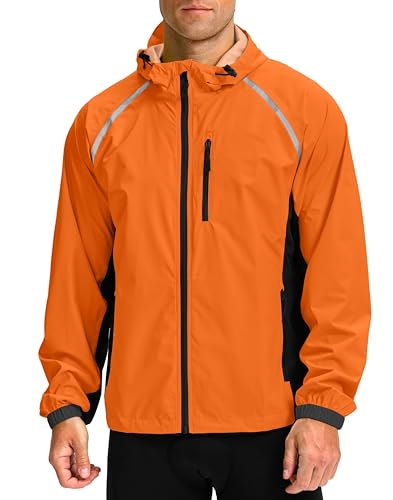
Bikewa Men’s Cycling Rain Jacket Hooded Windbreaker

Bikewa Men’s Cycling Rain Jacket Hooded Windbreaker
More Details On Our Top Picks
This baleaf softshell makes the most sense for cold morning miles, especially when you want warmth without turning your ride into a sweat session. The windproof outer layer and thermal focus point it toward shoulder-season commuting, while the pocket layout helps keep small essentials from rattling around. It sits in that middle ground between a full winter parka and a thin shell, which suits many city riders well.
The honest read is that you’re choosing it for balance, not bulk. Compared with the rain shells later in this list, this one is clearly built for chill and wind first, so riders who spend more time in dry cold than steady rain will likely appreciate it most.
Strong Points
- Wind-blocking outer fabric suits exposed roads and open bike paths.
- Thermal construction gives you more comfort on frosty starts.
- Multiple pockets make it easier to carry keys, cards, or a snack without a separate bag.
- Breathable feel helps during climbs or stop-and-go commuting.
Points To Note
- It leans toward cool-weather use, so it’s less convincing for steady rain.
- Softshell fabric usually asks for a bit more care than a simple throw-on shell, especially after road grime.
- The warmer build can feel like too much on mild afternoons.
Feature Rundown
Who It Suits Best
You’ll get the most from this jacket if you commute or train in cold, dry weather and want one layer that feels more polished than a basic windbreaker.
Where A Sibling Pick Shines
Bikewa Men’s Cycling Rain Jacket Hooded Windbreaker makes more sense for riders who deal with drizzle or sudden showers more often than cold wind.
Compared with the first baleaf jacket, this one lands in the same cold-weather lane, so the choice is mostly about which listing fits your size or color preference better. That matters more than it sounds, because a winter cycling layer only works well when you actually reach for it often. The softshell format still keeps it practical for commutes, errands, and evening rides after work.
For most urban riders, the appeal is straightforward: familiar construction, pocket convenience, and a shape that sounds comfortable on a bike without feeling like ski gear. It’s a steady pick rather than a flashy one, which is often exactly what you want from a daily jacket.
What We Like
- Windproof softshell design helps cut the sting on exposed rides.
- Thermal warmth supports early departures and winter errands.
- Multiple pockets add everyday convenience for commuting.
- Works for cycling, running, and mountain biking, so it carries more versatility than a single-sport layer.
Room For Improvement
- Its strongest use case is still cold, dry weather rather than wet storms.
- Softshell layers can take a little more drying and storage attention than a lightweight shell.
- The warmth-focused build may feel unnecessary once temperatures climb.
Core Details
Whose Shelf It Belongs On
You’re a good fit for this jacket if you want one cold-weather layer that can pull double duty for biking and casual outdoor wear.
Swap It Out When
Bikewa Men’s Cycling Rain Jacket Hooded Windbreaker fits better for wet-weather riders who want something lighter and easier to pack.
This baleaf option keeps the same cold-weather softshell idea but trims the story down a little, which can be a smart move for riders who want the basics without extra fuss. The practicality shows up in everyday use, from quick supermarket trips to longer winter training loops. It’s the sort of jacket that can quietly earn a permanent spot by the door.
Compared with the first two baleaf picks, this one feels like the cleaner, more straightforward branch of the family. That simpler profile suits you best when the goal is dependable warmth and wind protection rather than a feature-heavy layout.
Upsides
- Windproof softshell setup works well for brisk rides.
- Thermal warmth helps keep cold air from biting through the day.
- Simple build makes it easy to reach for before leaving home.
- Useful for cycling and running, so it doesn’t stay stuck in one narrow use case.
Softer Spots
- It still belongs more to cold, dry conditions than steady rain.
- A softshell finish can need a little more careful cleaning than a plain casual layer.
- Those who overheat easily may find the thermal build a touch warm on milder days.
Technical Sheet
Built With In Mind
You’ll appreciate this one most if you want a straightforward cycling jacket for cold mornings and don’t need a lot of extras.
Look Elsewhere When
Milwaukee Leather Streetguard Riding Hoodie Large Black makes more sense for riders who want motorcycle-focused protection rather than a cycling-first layer.
Once you move from cycling layers into riding gear, the priorities change fast, and this Milwaukee Leather hoodie reflects that shift clearly. Aramid reinforcement gives the fabric a tougher feel, and the CE shoulder and elbow armor points it toward street riding rather than casual commuting. It can work well for short city hops or regular motorcycle use where you want a hoodie shape with a more serious build beneath it.
The trade-off is plain enough, this is not the lightest or simplest layer in the roundup. You’re getting protection-focused design first, so riders who spend more time on motorcycles than bicycles will get the most out of it.
Highlights
- Aramid reinforcement adds a tougher outer feel than a standard hoodie.
- CE shoulder and elbow armor support motorcycle use.
- Hoodie styling keeps the look casual enough for everyday street wear.
- Large sizing on this listing helps you narrow the fit more easily.
Areas To Watch
- Heavier protection usually means less of the breezy feel you get from a cycling shell.
- Motorcycle-oriented construction can feel like too much for pure bike commuting.
- Riding gear often benefits from careful storage so the armored areas stay in good shape.
At A Glance
Who Should Grab It
You’re the best match for this hoodie if you ride a motorcycle in the city and want casual styling without giving up built-in armor points.
Another Choice May Suit
baleaf Men’s Cycling Winter Jacket Windproof Thermal Softshell fits better for bicycle commuters who want a lighter, more pedal-friendly layer.
This version keeps the Streetguard idea but drops the color callout, so it reads a little more broadly for riders who care more about function than a specific shade. The aramid reinforcement and CE armor placement still point to the same street-riding purpose, which makes the family resemblance obvious. It’s a sensible fit for urban riders who want a hoodie profile with more structure under the surface.
Compared with the large black listing, this one gives you the same general protection direction without tying you to that size-and-color combination. The honest read is that this is a practical choice for people who want the gear style first and the fashion detail second.
Reasons To Buy
- Aramid reinforcement adds confidence for regular street use.
- CE shoulder and elbow armor keep the focus on riding protection.
- Hoodie form feels more relaxed than many traditional motorcycle layers.
- Broad listing style makes it easier to compare against other sizes or colors.
Small Caveats
- It still leans motorcycle-first, so it’s not the lightest cycling option here.
- Armor and reinforced fabric can feel bulky compared with the Baleaf softshells.
Details At A Glance
The Right Fit
This works well for city motorcycle riders who want a more casual look but still want protective features built into the garment.
Reach For A Different Pick When
Bikewa Men’s Cycling Rain Jacket Hooded Windbreaker is the better match for cyclists who want light weather protection instead of armor-focused construction.
The first Bikewa rain jacket in this roundup is built for the kind of day that changes its mind halfway through your commute. A waterproof shell and hood make it the natural pick for wet pavement, and the lightweight, packable approach means it won’t dominate your backpack or pannier. That combination matters on mixed-weather routes, where you want a jacket that disappears until the sky turns gray.
Compared with the Baleaf softshells, this one trades warmth for rain coverage and easy carry. You may find that trade useful if your rides cross between office, train platform, and bike lane in the same day.
Bright Spots
- Waterproof construction suits rainy commutes and damp trail days.
- Lightweight feel makes it easier to keep with you all day.
- Packable design helps when storage space is tight.
- Hood adds an extra layer of coverage for messy weather.
Honest Caveats
- It gives up the warmth you get from the Baleaf winter options.
- Very light shells can flap more than heavier jackets in strong wind.
- Waterproof outerwear usually needs proper drying before being stuffed away.
Feature Card
Made For
You’ll like this jacket most if you need a compact rain layer that can travel with you without taking over your bag.
Where Another Pick Suits Better
baleaf Men’s Cycling Winter Jacket Windproof Thermal Softshell is the better fit for riders who care more about warmth than packability.
Compared with the first Bikewa rain layer, this one sits in the same lightweight, packable lane, so the practical question is less about category and more about which listing best matches your wardrobe or size needs. That matters for commuters, because rain protection works best when it’s easy to keep on hand. The hooded design keeps the weather logic simple and useful.
For riders who value a jacket that can tuck away cleanly, the compact angle is the selling point. It won’t replace a thermal winter layer, but it fills that useful gap between dry-bag backup and daily wear.
Best Bits
- Light shell design makes it easy to carry around town.
- Packable form is useful for rides that begin dry and end damp.
- Waterproof build helps with sudden showers.
- Hood adds practical weather coverage without much extra weight.
Worth Noting
- Lightweight rain jackets are not the warmest option in this roundup.
- They work best as a quick outer layer rather than a long cold-weather solution.
Spec Overview
Who Will Love This
You’ll like this version most if you want a rain jacket that stays out of the way until weather turns.
Skip It When
baleaf Men’s Cycling Winter Jacket Windproof Thermal Softshell is the smarter choice for cold, windy routes where warmth matters more than packability.
This Bikewa listing rounds out the rain-jacket group with the same lightweight, hooded logic as the others, which makes it useful for riders who want a simple outer layer for unpredictable days. The shape works for both cycling and running, so it has a broader everyday feel than the motorcycle-focused Milwaukee Leather picks. For mixed-use wardrobes, that flexibility carries real value.
Compared with the earlier Bikewa options, this one reads as the most all-purpose of the rain trio. You may prefer it if you want one shell to cover bike rides, jogs, and quick errands without overthinking the lineup.
Plus Points
- Waterproof shell suits sudden weather changes.
- Lightweight construction makes it easy to keep nearby.
- Packable format helps with commuting and travel days.
- Runs and rides alike, so it works across more routines.
Minor Gripes
- It still lacks the warmth of the Baleaf winter softshells.
- Light shells are better for weather protection than insulation.
Key Specs
Perfect Match For
You’re a strong match for this jacket if your week mixes bike rides, runs, and weather that changes without much warning.
A Better Fit Elsewhere
Milwaukee Leather Streetguard Riding Hoodie Large Black is the better call for motorcycle riders who want armor and reinforced fabric.
How To Choose The Right Bike Jackets For Men
Match The Jacket To The Weather You Ride In
Cold, dry rides call for wind-blocking layers with thermal backing, and that’s where the Baleaf softshells make the most sense. Wet commutes ask for a waterproof shell with a hood, which is why the Bikewa jackets sit in a different lane.
Motorcycle street use changes the brief again, because reinforcement and armor matter more than light packability. Start with the weather pattern you see most often, then work outward from there.
Fit, Layering, And Movement Matter More Than Hype
A cycling jacket needs room for a base layer without feeling baggy at the hem or wrists. Softshell models usually move better on the bike, while heavier riding hoodies can feel more planted but less airy.
Think about shoulder reach, pocket access, and whether you stay in a tucked position or sit upright. A jacket that feels fine standing in the hallway can still bunch up once you lean into the bars.
Look Closely At The Surface Material
Softshell fabric gives you a blend of stretch, wind resistance, and warmth, which suits commuters who want one jacket for early mornings and evening returns. Waterproof shells focus on keeping rain out, and they usually pack smaller.
Aramid-reinforced layers sit in a tougher category, and they make the most sense for motorcycling rather than casual riding. The trade-off is usually extra weight or less casual comfort, so the upgrade only pays off in the right use case.
Storage, Care, And Everyday Convenience
Multiple pockets sound like a small detail, but they matter a lot when you’re carrying keys, cards, or a phone on a ride. Packable shells also help when your day starts clear and ends in weather that turns ugly.
Care matters too, especially with softshell and waterproof fabrics. A quick clean and proper drying routine keeps the jacket more pleasant to wear and helps it stay ready for the next commute.
What To Weigh Before You Decide
Common Shopping Slip Ups
Many people focus on the word “cycling” and miss the real weather story. A windproof winter layer can feel too warm in mild rain, while a light shell can leave you chilled on a frosty morning.
Another common mistake is ignoring how the jacket fits on the bike. You want enough room for movement, but not so much fabric that it billows or gets in the way of your hands and hips.
What The Higher Tier Buys
More expensive jackets usually spend that extra cost on tougher fabric, better shaping, and more purposeful construction. In this category, that can mean aramid reinforcement, armor placement, or a more refined softshell build.
The upgrade makes the most sense when your rides are frequent, your weather is rough, or your commute depends on one jacket doing a lot of work. For occasional fair-weather use, a simpler shell often covers the need without extra bulk.
Frequently Asked Questions
What type of jacket works best for winter bike commuting?
A windproof softshell with thermal backing is the most practical starting point for cold, dry commutes. It gives you more warmth than a thin shell without feeling as heavy as a bulky coat.
Are rain jackets enough for cold rides?
Rain protection and warmth are different jobs, so a waterproof shell alone usually won’t feel cozy in winter. A layered setup, or a thermal softshell, handles that job more naturally.
Do riding hoodies make sense for bicycle use?
They can, but the fit and weight matter a lot more than the casual look. A motorcycle hoodie with armor is usually better suited to street riding than to pure pedal use.
Is a packable jacket useful for daily commuting?
Yes, especially in changeable weather where the ride home may be wetter than the ride out. Packable shells earn their place because they’re easy to keep close without crowding your bag.
Which jacket style is easiest to wear every day?
A balanced softshell usually feels easiest for daily use because it covers wind and moderate cold without much fuss. That middle ground is why the Baleaf options stand out for commuters.
Closing Remarks
Your best jacket depends on the weather you actually ride through, not the one you hope to avoid. Baleaf’s softshells make the strongest case for cold, windy commutes, while the Bikewa shells are the smarter way to stay ready for rain without carrying much extra weight. Milwaukee Leather’s Streetguard hoodies serve a different purpose, with motorcycle protection taking priority over bike-first comfort. Choose the layer that matches your routine, and the rest gets easier.