
Picking a helmet for a 1-year-old starts with fit, not flair. At this age, head shape changes quickly, and a shell that sits level, stays snug, and feels light enough for short rides matters far more than flashy graphics.
This roundup focuses on toddler-friendly options that make sense for balance bikes, scooter strolls, and the occasional ride in a seat or trailer. You’ll see where each pick makes sense, where the compromises show up, and which models suit families who want room to grow.
The Shortlist At A Glance

Retrospec Scout Toddler Bike Helmet

Retrospec Remi Youth Kids Bike Helmet

Bienbee Kids Bike Helmet, Adjustable Multi-Sport

Toddler Helmet, Adjustable Kids Bike Helmet for Ages 1-3-8

Toddler Helmet, Adjustable Kids Bike Helmet for Ages 1-3-8
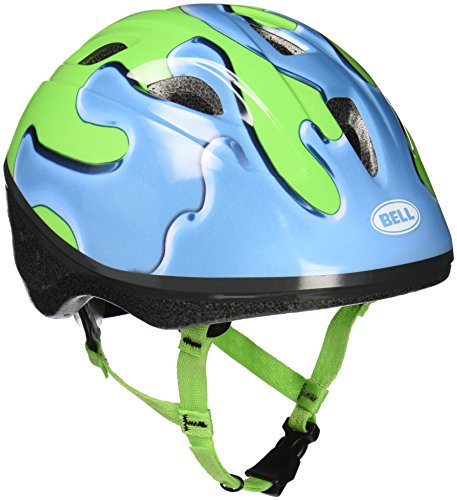
Bell Infant Sprout Bike Helmet
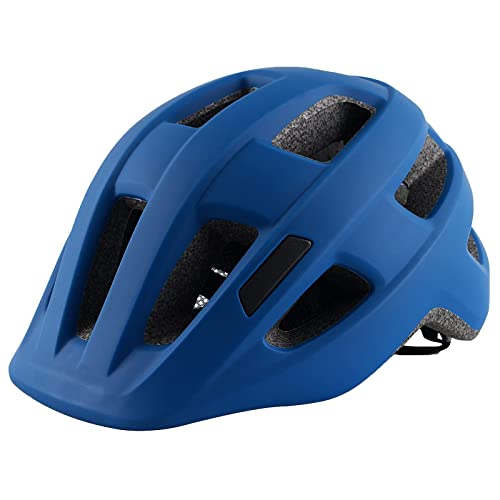
Kids Bike Helmet for Ages 1-8 Years
More Details On Our Top Picks
Retrospec’s Scout gives you a toddler-sized starting point with multi-sport use in mind, so it fits the family that uses the same lid for balance-bike laps and scooter time. The 45 to 49 cm size range is the key detail here, because that narrower fit band tends to suit smaller heads better than a looser youth shell.
The honest read is that this makes more sense for a child who still needs a snug, lighter-feeling helmet than for a kid already pushing into bigger sizes. That tighter focus is helpful, and it keeps the choice from feeling too roomy or overbuilt.
Strong Points
- 45 to 49 cm sizing helps you match a smaller head more closely.
- Multi-sport use gives you one helmet for bikes, scooters, and casual play.
- Ventilation matters on warm playground days, especially during short neighborhood rides.
- Retrospec’s kid-focused design feels less bulky than many all-ages shells.
Things To Consider
- The narrow size window may feel too small as your child grows.
- You’ll still need to confirm head shape, not just age, before choosing.
Feature Snapshot
Who It Suits Best
Families looking for a snug toddler helmet for a 1-year-old or similarly small head will get the most from this shape.
A Better Fit Elsewhere
Raskullz Infant Helmets suits you better for a younger infant head, especially when style and infant sizing matter more than a broader toddler range.
Compared with the Scout, the Remi is the more general family helmet, the one that makes sense when you want a single piece for bike rides, scooter loops, and older-kid errands. That broader youth framing works well for households with more than one child, though a 1-year-old will need a careful fit check because the listing leans older than the toddler-focused picks above.
It’s a practical choice for everyday use, especially in homes where gear gets shared and stored near the door. You may find it less tailored for very small heads than the Scout or Raskullz, but that trade-off comes with more flexibility.
Highlights
- Multi-use design covers bikes, scooters, and casual neighborhood rides.
- Simple profile makes it easy to stash in a stroller basket or gear bin.
- The youth focus gives you a little more runway as your child grows.
- Retrospec’s clean layout keeps the helmet from feeling fussy.
Room For Improvement
- The youth lean may not be the tightest match for a true 1-year-old head.
- Shared-family helmets tend to need more frequent strap checks.
- Without a narrower toddler size callout, fit takes a little more care.
Core Details
Who Will Love This
Families with a child moving past the infant stage will appreciate the extra flexibility here.
Swap It Out When
Retrospec Scout Toddler Bike Helmet is the smarter match for a smaller 1-year-old head that needs a tighter toddler fit.
Bienbee pushes the comfort side a little harder than the first two picks, and the 11 vents are the standout detail for warm afternoons at the park. The soft removable lining also matters in real life, because a liner you can take out is easier to keep fresh after sticky rides and snack breaks.
The broader age range, 3 to 14, makes this a long-run option rather than a pure toddler shell, so it fits better for a family wanting more growth room. For a very small 1-year-old, though, that same range can feel too roomy unless the head measurement lands on the low end.
What We Like
- Eleven vents help move air during slower rides and sidewalk play.
- Removable lining makes cleanup easier after everyday use.
- Adjustability gives you more room to fine-tune the fit.
- The wide age span can stretch the useful life of the helmet.
- It works across bikes, scooters, and skateboard use.
Small Caveats
- The 3 to 14 age span is broad, so a 1-year-old needs careful fit checking.
- More adjustment room can also mean more setup work at the start.
Details At A Glance
Perfect Match For
Families with mixed-age kids who want one adjustable helmet for several years will get good use from this pick.
Another Choice May Suit
Retrospec Scout Toddler Bike Helmet fits better for a smaller 1-year-old who needs a more toddler-specific shape.
Raskullz leans into infant sizing in a way the earlier picks do not, and that matters for a child around age one whose head still sits in the smallest range. The note about 48 to 52 cm is the anchor here, because fit is the whole story with infant helmets and age alone won’t tell you enough.
The classic low-profile shape gives it a calm, familiar look, which suits families who want coverage without extra bulk. One thing worth considering is that the design emphasis is on fit and style, so you’re choosing this more for infant sizing than for a long growth runway.
Bright Spots
- Infant-focused sizing makes it a strong candidate for very small heads.
- 48 to 52 cm guidance gives you a useful fit reference.
- Low-profile styling keeps the shell from looking oversized.
- Good coverage can feel reassuring for everyday riding and stroller outings.
Areas To Watch
- The age guidance is narrow, so this is less future-proof than larger toddler options.
- Head measurement matters here more than a rough age guess.
Key Specs
Built With In Mind
Parents of a true infant or a very small 1-year-old will get the most useful fit target from this helmet.
Where A Sibling Pick Shines
Retrospec Scout Toddler Bike Helmet is the better fit once your child’s head moves into the smaller toddler range instead of infant sizing.
For families who want a lighter-feeling helmet that can handle balance-bike play, this Lemmeko pick lands in a useful middle spot. The 1 to 3-8 age wording suggests stretch, and that can be handy for households that expect growth spurts, though the fit still needs a careful check for a 1-year-old.
It reads as a sensible everyday option rather than a feature-heavy shell, and that can be a good thing when you want less fuss during quick outings. Compared with the more vented Bienbee, this one feels more straightforward, which some families prefer.
Positives
- Adjustable design gives you room to dial in the fit.
- Lightweight build is easier for small heads to wear for short stretches.
- Broad age wording can help the helmet stay useful beyond a single season.
- Works across balance bikes, scooters, and casual neighborhood rides.
Softer Spots
- The wide age wording still needs a real head measurement check.
- Simpler designs can feel less airy than models with more vents.
Feature Rundown
Whose Shelf It Belongs On
Households wanting a simple adjustable helmet for short rides and quick outings will appreciate this style.
Look Elsewhere When
Bienbee Kids Bike Helmet works better for you when ventilation and removable lining matter more than a simple lightweight shell.
This Lemmeko version covers the same general age wording as the previous pick, but the appeal here is straightforward utility rather than a long feature list. For a family that wants a basic spare helmet for the garage, grandparent house, or daycare bag, that simplicity can be just right.
The trade-off is that you should expect a more utilitarian feel than the better-vented or more style-driven choices. In practice, that makes it a sensible backup option, especially when you want one helmet that does not demand much thought.
Best Bits
- Adjustability helps you fit a small head with less guesswork.
- Lightweight feel suits short wear times for toddlers.
- Simple construction is easy to store and pass between locations.
Things To Consider
- The broad age wording still calls for an actual fit check.
- Straightforward designs can be less breathable on hot days.
- As a backup helmet, it’s best for occasional rather than all-day wear.
Spec Overview
Right Fit For
You want a spare, easy-to-handle helmet for a young child and prefer function over flair.
Reach For A Different Pick When
Bell Infant Sprout Bike Helmet suits you better if you want a more classic low-profile look with a familiar brand feel.
Bell’s Infant Sprout keeps things classic, and that low-profile shape is part of the appeal for parents who want less bulk around a tiny head. The design language is calm rather than flashy, which can feel like a good match for stroller rides, seat rides, and first helmet moments.
Compared with Raskullz, this pick leans more into traditional styling than infant-size guidance, so it suits families who care more about the familiar silhouette than a novelty look. The trade-off is that you are choosing a simpler visual profile, not a helmet loaded with extra talking points.
Upsides
- Classic bicycle-helmet shape feels familiar and easy to recognize.
- Low profile can look less bulky on a tiny child’s head.
- Coverage-focused styling suits short family outings and casual rides.
Minor Gripes
- The listing leans more on style than on detailed fit information.
- Families needing a very specific infant size may want a tighter fit guide.
Core Details
The Right Fit
You want a straightforward infant helmet with a familiar shape and a tidy profile.
Consider Something Else When
Raskullz Infant Helmets is the better fit for a smaller head that needs clearer infant sizing guidance.
TLAMEE goes wide with the age range, and that broad span can be useful for households that want one helmet to carry a child through multiple stages. The 48 to 54 cm fit band is the real hook for a 1-year-old, because it gives you a measurement range to check instead of relying on age alone.
The shaping feels practical rather than fancy, which is fine for neighborhood rides, scooter time, and slow cycling sessions. Compared with the Bell and Raskullz picks, this one is more about flexibility across ages than about a narrow infant-specific identity.
Reasons To Buy
- 48 to 54 cm sizing gives you a useful fit range to measure against.
- Broad 1 to 8 age span supports longer use as your child grows.
- Lightweight feel suits short rides and quick neighborhood outings.
- Works for bikes, cycling, scooter use, and other casual child play.
Honest Caveats
- The broad age window means fit depends heavily on actual head size.
- A wider size range can be less focused than a true infant shell.
Feature Card
Who Should Grab It
You want a flexible starter helmet that can stay useful beyond the first toddler stage.
Where Shoppers Go Wrong
Bienbee Kids Bike Helmet is a better fit when you want more vents and a removable liner for warmer, more active use.
How To Choose The Right Bike Helmets For 1 Year Old
Start With Head Size, Not Age Alone
Age gives you a rough starting point, but a tape measure tells you much more. For a 1-year-old, the correct shell should sit level, feel snug without pinching, and stay put when your child turns their head.
That matters because helmet sizing bands vary a lot, from infant ranges like 48 to 52 cm to broader toddler spans that can run through several years. A helmet that feels “close enough” in the product title can still sit too high or slide around in real use.
Match The Helmet To The Way You Move
Balance-bike families usually benefit from light shells, simple straps, and decent airflow, since short outdoor sessions can happen several times a day. Stroller and trailer families can lean a little more toward low-profile comfort and straightforward fit.
Multi-sport labeling is useful, but it mainly tells you the helmet can handle more than one kind of play. The real question is whether the fit and shape feel right for your child’s head, because that’s what shapes day-to-day comfort.
Think About Ventilation And Padding Together
Vents help moving air through the shell, while padding affects how the helmet feels against skin. For warm climates or active playground stops, more vents and a removable liner can make a helmet easier to live with.
Padding matters most around the forehead and crown, where pressure points show up fast on little heads. A helmet with a cleaner liner is also easier to keep fresh after snack breaks and sweaty rides.
Choose Growth Room Without Going Too Large
Some families want a helmet that lasts past one season, and that’s reasonable. The trade-off is that too much growth room often creates wobble, which makes the helmet less comfortable and less likely to stay positioned correctly.
A better approach is to pick a helmet with a small amount of adjustment room, then recheck fit often as your child grows. That steady habit beats buying oversized and hoping for the best.
Things Worth Knowing First
Common Shopping Slip Ups
One common mistake is treating age wording as a full fit guide. Head shape, circumference, and shell depth matter just as much, and a 1-year-old can sit outside the middle of an age range.
Another misstep is ignoring how the helmet will be used day to day. A helmet that feels fine for one quick ride can become annoying fast in a hot yard or on repeated errands.
When Paying More Pays Off
Higher-tier helmets often cost more because they bring better adjustment systems, softer liners, and more refined shell shaping. Those details matter most when your child wears the helmet often, or when you want fewer battles during buckle time.
Spending up also makes sense for families who need a broader use range or more comfort in warm weather. The upgrade is most valuable when the helmet sees frequent use, not just occasional weekend rides.
Frequently Asked Questions
What size should a 1-year-old helmet fit?
You want the helmet to match your child’s actual head circumference, not just the age label. It should sit level and feel snug enough that it does not slide around easily.
Can a 1-year-old wear a helmet from a broader age range?
Yes, but only when the measured head size lands inside the stated fit range. A broader age range can be useful, though it should never replace a measurement check.
Is ventilation important for a toddler helmet?
Ventilation helps a helmet feel more comfortable during warm-weather outings and active play. It matters more when your child wears the helmet often.
Do removable liners help?
They make routine cleanup easier after sweat, snack spills, and everyday mess. That convenience is handy in busy family routines.
Should you choose a multi-sport helmet for a 1-year-old?
Multi-sport labeling is useful when the helmet will be worn for bikes, scooters, or casual play. Fit still matters more than the sport label, so the shell has to suit your child first.
Final Thoughts
The right helmet for a 1-year-old starts with measurement, then shape, then comfort. Retrospec Scout Toddler Bike Helmet and Raskullz Infant Helmets make the clearest sense for smaller heads, while Bienbee and TLAMEE give you more growth room. Lemmeko and Bell sit in the middle with simpler everyday appeal. Pick the one that matches your child’s head today, not the age range you hope to grow into.