
Night riding gets a lot easier once your light matches how you actually ride, whether that means city commuting, weekend trails, or a child’s shorter route to school. The right pick also helps with being seen from the side, not just straight ahead, which matters more than many shoppers first expect. Some of these options lean compact and simple, while others bring computer mounting, runtime readouts, or heavier output for darker roads.
The Shortlist At A Glance

Kunhe USB-C Rechargeable Bike Lights Front and Rear 2or4or10or20 Packs
BlueSunshine Vintage Retro Bicycle Bike Front Light Lamp 3 LED Headlight
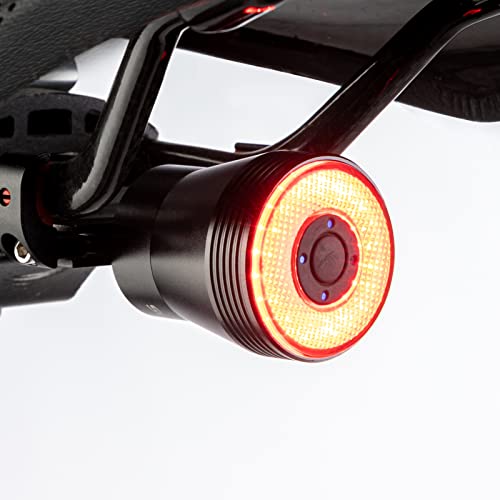
ROCKBROS Bike Tail Light Smart Brake Bicycle Rear Lights Rechargeable IPX6
NiteRider Lumina OLED Boost 1200 Bike Light
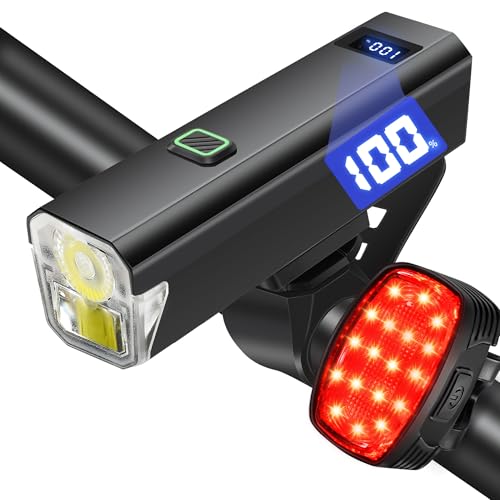
DARKBEAM 6000LM Bike Headlight USB-C Rechargeable 12 Plus 5 Modes
RAVEMEN FR1100 SE/FR500 Bike Headlight Compatible with Garmin/Wahoo Computers
Magicshine Hori 900 Compatible with Garmin/Wahoo Bike Computer Dual Mounted Bike Light
Magicshine HORI1300S Bike Headlight Compatible with Garmin/Wahoo
More Details On Our Top Picks
Kunhe takes the simplest route, and that’s useful for households that want a light set without extra fuss. The mini size makes sense for strollers, wheelchairs, scooters, and bikes, so you get one compact light family instead of several separate gadgets. USB-C means you’re not stuck with an odd charger, which matters in a busy garage or entryway.
The trade-off is that this kind of small-format light usually fits best as a visibility aid rather than a heavy-duty trail beam. Compared with the brighter, more specialized lights from NiteRider and DARKBEAM, this one leans practical and portable. It suits daily errands, kid rides, and riders who care more about being seen than about flooding a dark road.
Strong Points
- Very small body, so it slips into a pocket or bag easily.
- USB-C charging fits the charging habits many homes already use.
- The front-and-rear format helps you outfit more than one bike or mobility device.
- Lightweight build is handy for kids and casual riders who dislike bulky gear.
Things To Consider
- Its compact shape suggests a more modest beam than larger road-focused models.
- Families using several units will still need to keep track of charging across each light.
Feature Rundown
Who It Suits Best
Commuters, parents, and casual riders who want a compact light for shared use will get the most from it.
Another Choice May Suit
Riders who want stronger road illumination should look at the NiteRider Lumina OLED Boost 1200 Bike Light, which fits darker routes better.
The BlueSunshine lamp leans into a classic look, so it feels more like part of the bike than an add-on clamped in place. That matters for city bikes, vintage builds, and cruisers where style is part of the appeal. The ABS engineering-plastic body should also keep weight down, which helps on handlebars that already carry a bell, basket, or phone mount.
You do need to plan around three AAA batteries, so it suits riders who prefer simple battery swaps over charging cables. Compared with the USB-C options in this list, it’s less modern in power management but easier to understand at a glance. It works best for short neighborhood rides, display bikes, and anyone who wants a front lamp that matches a retro frame.
What We Like
- Retro shape gives a bike a finished, old-school look.
- ABS plastic keeps the housing light and straightforward.
- The included bracket simplifies mounting on a standard handlebar setup.
Room For Improvement
- AAA batteries add ongoing upkeep, especially for frequent evening riders.
- The style-forward build is less aimed at riders who want a modern cockpit.
Technical Sheet
Who Should Grab It
Style-conscious commuters and vintage-bike owners will appreciate the look most.
Where A Sibling Pick Shines
Urban riders who want less battery upkeep should look at the Kunhe USB-C Rechargeable Bike Lights Front and Rear 2or4or10or20 Packs.
ROCKBROS shifts the spotlight to the rear, which is smart because many night-riding problems start with being overlooked from behind. The brake-light behavior makes it especially useful in traffic, where the person behind you needs a quick visual cue. Dual mounting hardware also gives you more flexibility than a single fixed bracket.
That flexibility is helpful on commuters’ bikes with unusual saddles or tight seat-post space, though the rear-light category always asks for a little more setup attention than a front unit. Compared with the Kunhe kit, this one is narrower in purpose but stronger in road-traffic usefulness. It suits city riders, e-bike commuters, and anyone who wants a rear light with a more active signaling role.
Bright Spots
- Brake-responsive lighting helps add a clearer signal in stop-and-go traffic.
- IPX6 rating points to solid wet-weather tolerance for daily commuting.
- USB-C charging keeps the power routine familiar and tidy.
- Dual bracket options make fit a little easier on different bikes.
Minor Gripes
- As a rear-only light, it still needs a separate front lamp for full coverage.
- Saddle-rail placement can feel fussier on some seat setups.
Core Details
Made For
Daily commuters who want a rear light with clear visibility cues will get the best fit.
Look Elsewhere When
Riders looking for a front beam should move to the NiteRider Lumina OLED Boost 1200 Bike Light instead.
Compared with the simpler lights above, this NiteRider focuses on information as much as output. The OLED display, which is a small screen that shows data in bright, clean segments, gives you runtime feedback without guessing how much charge remains. That’s especially helpful on long commutes or rides where you need to plan a dark return trip.
Its 1200-lumen output and IP64 water resistance make it a more serious front option for road, mountain, and commuter use. The honest read is that it suits riders who like clear runtime visibility and a more polished interface, though it’s still a single front light rather than a full kit. Compared with DARKBEAM’s raw output, NiteRider feels more measured and information-rich.
Upsides
- OLED screen shows runtime information in a clear, easy-to-read format.
- 1200-lumen output is a strong fit for darker streets and mixed routes.
- USB rechargeable design keeps charging straightforward.
- Road, MTB, and commuter labeling makes its role easy to understand.
Worth Noting
- The advanced display adds cost and complexity compared with basic front lamps.
- Riders who only need simple visibility may find the interface more than they need.
Feature Card
Best Suited To
Commuters and road riders who want clear runtime feedback and a more polished front light will benefit most.
Skip It When
Riders who only want a small visibility light may be happier with the Kunhe USB-C Rechargeable Bike Lights Front and Rear 2or4or10or20 Packs.
DARKBEAM is built for riders who want far more than a basic front marker. The upgraded dual-LED setup and 6000-lumen output point to a light that’s meant for darker roads, long evening rides, and mountain paths where a stronger beam matters. The included taillight is a nice bonus, because it saves you from piecing together a separate rear setup.
The 5000mAh battery and power display add practical value for people who ride often, since you can gauge charge before leaving the house. That said, larger output usually brings a larger body and a bit more handlebar presence, so it fits riders who accept that trade-off for stronger coverage. Compared with the NiteRider, this one leans harder into raw power and battery capacity.
Highlights
- High lumen output supports darker commutes and off-road stretches.
- 12 plus 5 lighting modes give you room to match conditions.
- 5000mAh battery suits longer rides between charging sessions.
- Power display helps you check remaining charge before you roll out.
- Front and rear set means less piecing together of gear.
Softer Spots
- The larger output and battery setup can add bulk to the bar area.
- Lots of modes are handy, though some riders will use only a few of them.
Quick Facts
The Right Fit
Night riders, gravel riders, and mountain cyclists who want high output with rear-light coverage will get the most from it.
Consider Something Else When
Commuters who want a cleaner cockpit may prefer the Magicshine Hori 900 Compatible with Garmin/Wahoo Bike Computer Dual Mounted Bike Light.
RAVEMEN feels built for riders who already run a cycling computer and want the front light to sit neatly in that same setup. The Garmin and Wahoo compatibility keeps the cockpit tidier, and the 270-degree wide-angle design helps with side visibility during city riding. Auto on and off also brings a bit of convenience for daily commuters who leave at the same time every morning.
Six lighting modes give you more range than a bare-bones commuter light, though that can also make setup feel a little more technical at first. Compared with the Magicshine Hori 900, this model leans more into awareness and integration than simple output. It’s a strong match for road riders who care about a clean handlebar layout and side visibility.
Best Bits
- Compatible mounting keeps the light integrated with popular bike computers.
- 270-degree spread adds helpful side awareness in traffic.
- Auto on and off reduces small daily setup steps.
- Six modes provide more flexibility than a basic commuter lamp.
Areas To Watch
- The computer-style setup may take a little more patience than a simple clamp-on light.
- Riders without Garmin or Wahoo gear may not use the mounting advantage.
Details At A Glance
Built With In Mind
Tech-oriented commuters and road cyclists with Garmin or Wahoo hardware are the best match.
Swap It Out When
Riders who want a more traditional standalone lamp should look at the NiteRider Lumina OLED Boost 1200 Bike Light.
Magicshine’s Hori 900 is the neat-cockpit option in this group. The horizontal shape keeps the front of the bar area cleaner, which matters on bikes already carrying a computer, bell, or phone mount. The 900-lumen LED output gives it enough punch for urban and mixed riding without turning the handlebar into a crowded hardware rack.
Fast USB-C charging and IPX6 water resistance round out a package that feels well suited to frequent riders who want less clutter. Compared with RAVEMEN’s FR1100 SE/FR500, it feels a bit more streamlined and a little less about side-awareness tricks. That makes it a good fit for commuters who value tidiness as much as brightness.
Positives
- Low-profile shape helps keep the handlebar area less crowded.
- 900 lumens is enough for many urban and suburban routes.
- Dual mount design plays well with bike-computer setups.
- USB-C charging makes topping up simpler for regular use.
- IPX6 water resistance suits wet commutes and messy weather.
Small Caveats
- The compact body is tidy, though riders wanting wider-road emphasis may want more spread.
- Its strengths are strongest on organized cockpit setups, less so on bare bars.
Spec Overview
Perfect Match For
Commuters with Garmin or Wahoo gear who want a neat, integrated front setup will like this most.
Where A Sibling Pick Shines
Riders who want more beam reach should consider the Magicshine HORI1300S Bike Headlight, especially for darker routes.
The HORI1300S looks like the more mature sibling to the Hori 900, and the high and low beam layout is the reason. You get a more adaptable front light for road changes, urban transitions, and darker stretches where beam control matters. USB-C charging and Garmin or Wahoo compatibility keep it in the same tidy-cockpit lane as the earlier Magicshine pick.
This one fits riders who are ready to spend a little more attention on lighting control rather than just raw brightness. In practice, that means longer commutes, darker suburban roads, or cyclists who want a bit more reach without moving to a heavy-duty trail lamp. It’s the most rounded upgrade here for riders who want a smarter front beam, not just a brighter one.
Reasons To Buy
- High and low beam setup gives you more control over road lighting.
- 1300-lumen output provides a strong step up from smaller commuter lights.
- USB-C charging keeps the power routine familiar.
- Garmin and Wahoo compatibility helps preserve a clean cockpit.
Honest Caveats
- The more advanced beam setup makes sense most clearly for riders who use varied routes.
- People who only want a simple daytime marker may not need this much front-end capability.
Feature Snapshot
Who Will Love This
Riders who want a cleaner cockpit and stronger beam control for mixed night routes will benefit most.
A Better Fit Elsewhere
Commuters who want a slightly lighter and more compact option should look at the Magicshine Hori 900 Compatible with Garmin/Wahoo Bike Computer Dual Mounted Bike Light.
How To Choose The Right Bike Headlights
Beam Shape Matters More Than Many People Think
A bright front light is useful, but beam shape decides how that brightness lands on the road. A focused beam suits faster road riding, while a wider spread helps on city streets where you want better side awareness and a broader view of curbs, potholes, and cross traffic.
Ride style should guide the choice. Short errands and shared paths lean toward compact lights like the Kunhe, while darker routes reward more controlled output such as the NiteRider or the Magicshine HORI1300S.
Mounting Style Can Make Daily Use Easier
Handlebar room is often limited once you add a computer, bell, or phone mount. That’s why Garmin and Wahoo-compatible designs matter, they help keep the setup orderly instead of crowded and awkward.
Simple clamp-on lights are easier for first-time setup, but integrated mounts can feel cleaner once installed. Riders who swap bikes often may prefer plain mounting hardware, while commuters with a fixed bike usually benefit from a more polished layout.
Battery Routine Affects How Often You Actually Ride With Light
USB-C rechargeable lights are easier to live with for most homes, especially when several devices already use the same cable type. Battery-powered models still have a place, though, because some riders like the simplicity of swapping AAA cells instead of waiting on a charge.
Longer rides need a more careful look at runtime, battery size, and any display that shows remaining power. That’s why the OLED screen on the NiteRider and the power display on DARKBEAM stand out for commuters who leave before dawn and return after dark.
Rear Visibility Deserves Its Own Decision
A bike light setup works best as a pair, not as a single front lamp. Rear lights with brake signaling, like the ROCKBROS, help drivers and riders behind you read your movements faster in traffic.
For city riding, that added cue can matter just as much as front brightness. Riders who already own a good front lamp can often get more practical value by upgrading the rear first.
Things Worth Knowing First
Wrong Turns To Avoid
A common mistake is focusing only on lumen numbers and ignoring beam shape, mount fit, and battery routine. A huge number can still feel awkward on the road if the light throws glare or sits poorly on your bars.
Another slip-up is buying a front light and skipping the rear. In traffic, that leaves part of your visibility story unfinished.
The Upgrade Payoff
Higher-tier lights tend to cost more because you’re paying for beam control, smarter displays, stronger housings, and better integration with bike computers. Those extras matter most on longer commutes, darker roads, and riders who spend a lot of time in mixed traffic.
For short daylight rides, a basic light can be enough. Once your route gets longer or darker, the nicer beam pattern and clearer power info start to feel worth the step up.
Frequently Asked Questions
What lumen range works for city riding?
Many city routes are manageable with a moderate front light, especially when street lighting does part of the work. Riders in darker areas usually feel better with stronger output and a more controlled beam.
Do USB-C bike lights matter much?
USB-C makes charging simpler because the cable type is common across many newer devices. That convenience matters most for daily riders who recharge gear often.
Should you buy a front light or a rear light first?
A front light helps you see the road, while a rear light helps traffic notice you from behind. For everyday commuting, pairing both is the more complete setup.
Are integrated computer mounts worth it?
They are worthwhile for riders who already use Garmin or Wahoo hardware and want less clutter on the bars. If your bike setup stays simple, a standard clamp may be easier.
What kind of light suits casual weekend rides?
Compact lights with modest output work well for short, familiar routes. You usually do not need the biggest beam unless your roads are dark or your ride runs long.
Closing Thoughts
Your best choice depends less on hype and more on how your rides really look. A compact set like Kunhe fits families and shared use, while the NiteRider and Magicshine options make more sense once your routes get longer, darker, or more technical. The honest read is that the right bike light feels invisible until you need it, then it earns its place fast. Choose the one that matches your commute, your handlebar space, and how much detail you want from the beam.