
Bike Gps Systems help you stay oriented, track distance, and cut down on mid-ride guesswork. That matters on daily commutes, weekend training loops, and unfamiliar routes where a quick glance beats stopping to check your phone.
This roundup focuses on the kinds of details that change real ownership, like screen size, button control, touch response, navigation style, battery life, and cross-device compatibility. You’ll see which picks suit road riders, mountain bikers, e-bike setups, and riders who want a simple tracker instead of a full cycling computer.
Quick Look At The Shortlist

iGPSPORT BSC100S GPS Bike Computer Wireless

Garmin Edge 540 Compact GPS Cycling Computer

Garmin Edge Explore 2 GPS Cycling Navigator

GEOID CC700 Pro 2.8″ Color Touchscreen GPS Bike Computer
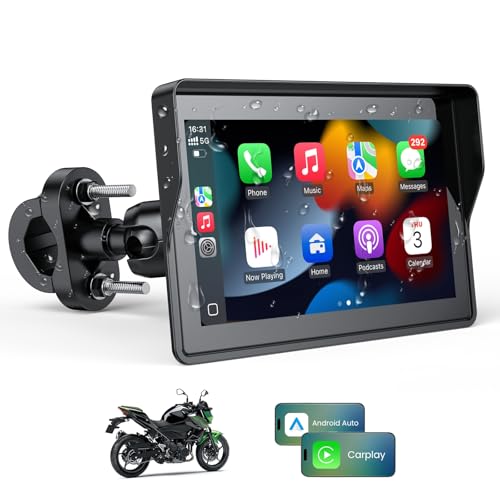
WonVon 5 Inch Motorcycle Carplay GPS Navigation System

Wireless GPS Bike Computer 2.4″ Screen

ORBIT Orbit Velo Advanced Bike Tracker
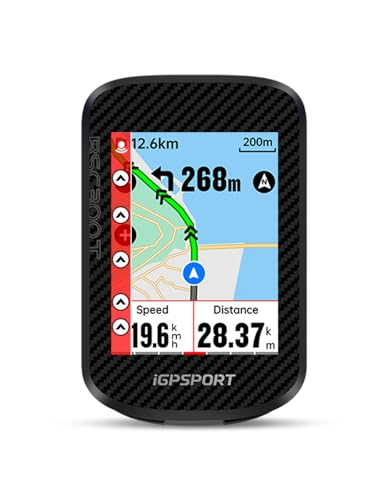
iGPSPORT BSC300T Wireless Bike Computer GPS
More Details On Our Top Picks
For daily rides, this one keeps the setup plain and readable. The 2.6-inch LCD gives you enough screen space for ride data without turning the bars into a dashboard, and the wireless build keeps cable clutter out of the way.
Its long recharge interval matters most for commuters and weekend riders who hate frequent charging. Compared with the more feature-heavy Garmin and GEOID units below, the iGPSPORT BSC100S stays focused on the basics, which is often exactly what you want.
Strong Points
- 2.6-inch LCD keeps core ride data easy to read at a glance.
- Wireless design reduces handlebar clutter and makes installation simpler.
- Rechargeable power with a long run between top-ups suits routine use.
- Bluetooth and ANT+ compatibility broadens sensor and accessory pairing options.
Room For Improvement
- The simpler layout leaves less room for advanced training features.
- Smaller-screen riders may want more map detail than this class usually offers.
- As with most compact bike computers, mounting position can affect how quickly you read it in bright light.
Feature Snapshot
Who It Suits Best
You suit this pick best if you want a straightforward cycling computer for commuting, fitness spins, or weekend rides without a steep learning curve.
Another Choice May Suit
Garmin Edge 540 suits you better if you want deeper coaching and navigation tools for structured training.
The Edge 540 feels aimed at riders who want more than distance and speed. Button controls keep it usable in rain, gloves, or rough terrain, and that matters more than touch convenience on real rides.
Compared with the iGPSPORT BSC100S, this Garmin leans harder into training support and route planning. That makes it a strong match for structured sessions, climbing days, and long routes where you want guidance, not just numbers.
What We Like
- Button control works well when your hands are wet or gloved.
- Targeted adaptive coaching adds training guidance beyond basic ride stats.
- Advanced navigation suits riders who explore new roads and longer loops.
- Compact size keeps the cockpit tidy on performance bikes.
Things To Consider
- Button navigation is dependable, but it can feel slower than touch for some menu tasks.
- The richer feature set brings a learning curve for casual riders.
- Battery life is listed up to 26 hours, so very long ride weeks still call for planning.
Core Details
Who Will Love This
You suit this Garmin best if training plans, climb management, and route tools matter more to you than a bare-bones computer.
Look Elsewhere When
GEOID CC700 Pro makes more sense for you if you want a touchscreen and WiFi syncing in a more feature-forward layout.
Some riders want guidance without feeling like they’re learning cockpit software, and that’s where the Edge Explore 2 fits neatly. The navigation-first approach suits touring days, city loops, and unfamiliar trailheads where a clear route matters more than deep training metrics.
Compared with the Edge 540, this one feels less performance-centric and more approachable. The trade-off is obvious, you gain a friendlier navigator, not a race coach, which is a solid swap for many casual riders.
Positives
- Easy-to-use design lowers the learning curve for new GPS cycling users.
- Navigation focus works well on travel rides and unfamiliar areas.
- Compact format keeps the handlebar setup clean.
- Good fit for riders who want route help without training overload.
Small Caveats
- You give up some of the coaching depth found on the Edge 540.
- Touring-friendly simplicity may feel light for riders chasing detailed training data.
- Like any navigator, map upkeep and route planning still take a little attention before longer trips.
At A Glance
Best Suited To
You suit this navigator best if you want simple route help for travel rides, weekend exploring, or everyday navigation on two wheels.
Where A Sibling Pick Shines
Garmin Edge 540 is the better fit for you if training guidance and advanced performance tracking matter more than an easy-going interface.
The CC700 Pro leans into the kind of setup that feels modern on the bars, with a 2.8-inch color touchscreen and route tools that go beyond simple tracking. Re-route planning matters in the real world, especially on city detours or trail systems where you can miss a turn and still want a clear path back.
Unlike the button-first Garmin Edge 540, this GEOID puts touch control and WiFi auto-sync in the foreground. That makes it a nice fit for riders who like fast interaction and less cable fuss, though touchscreens can feel less direct in heavy rain or with thick gloves.
Highlights
- 2.8-inch color touchscreen gives you a brighter, more visual interface.
- Re-route planning helps recover quickly after a wrong turn.
- WiFi auto-sync reduces manual transfer work after rides.
- ANT+ and Bluetooth compatibility broadens accessory pairing.
- Message notifications add a useful layer for connected riding.
Areas To Watch
- Touch control can be less convenient in wet weather or with bulky gloves.
- The richer feature mix may feel like more than a casual commuter needs.
- Indoor training support is listed as included, so riders focused only on outdoor basics may not use every feature.
Feature Rundown
Who Should Grab It
You suit this pick best if you want a touch-driven cycling computer with route recovery tools and a connected feel.
Skip It When
Garmin Edge Explore 2 is the calmer choice for you if you want navigation without as much menu complexity.
This one steps away from classic bike computers and into phone-mirroring territory. The 5-inch portable screen gives you a larger interface for navigation, while Apple CarPlay and Android Auto support make it feel closer to an in-vehicle display than a standard cycling head unit.
For riders who split time between motorcycle travel and powersports use, that broader app access can be a real plus. The honest read is that it makes less sense for pure fitness cycling, but it can suit riders who want voice help through Siri or Google Assistant and a more app-driven setup.
Reasons To Buy
- 5-inch screen gives you a generous viewing area for maps and prompts.
- Apple CarPlay and Android Auto support make app-based navigation familiar.
- Dual Bluetooth adds flexibility for connected gear.
- Siri and Google Assistant support help reduce menu tapping on the move.
Points To Note
- This is less of a traditional bike computer and more of a portable navigation screen.
- The larger interface can feel bulky on minimalist handlebar setups.
- TPMS is not included, so you should not expect tire-pressure monitoring from this package.
Details At A Glance
Who Will Love This
You suit this screen best if you want phone-style navigation on a motorcycle or powersports rig rather than a classic cycling computer.
Reach For A Different Pick When
iGPSPORT BSC300T makes more sense for you if you want a true bike computer with offline maps and off-course alerts.
This Bikevee unit speaks to riders who want useful climb and speed data without a crowded interface. The 2.4-inch screen is compact, but the inclusion of altitude, gradient, and ascent information gives hilly rides a more informed feel, especially on training routes where every climb matters.
Compared with the simpler iGPSPORT BSC100S, this model leans harder into ride analytics. You may find the smaller screen a little tight at a glance in bright light, though the auto backlight helps in early starts and late finishes.
Best Bits
- Altitude, gradient, and ascent data help you judge climbing effort.
- 2.4-inch screen keeps the unit compact on the bars.
- 650mAh battery is a practical match for routine rides.
- Auto backlight improves readability in changing light conditions.
Minor Gripes
- Smaller display space means less room for crowded data layouts.
- Riders who want full map navigation may want a more advanced navigator instead.
- Like many compact units, you’ll want a clean mount position to keep the display easy to scan.
Core Details
The Right Fit
You suit this model best if you ride rolling routes and want climb data without paying for a more complex navigator.
Another Choice May Suit
Garmin Edge Explore 2 fits you better if route guidance and a gentler interface matter more than metric-heavy ride tracking.
Not every rider needs a screen on the bars, and this tracker leans into that quieter style of ownership. It works with Apple Find My and gives you global GPS location access through Apple devices, while the secure bottle-holder mount keeps the hardware tucked away.
That makes it especially sensible for city parking, travel days, or any setup where you care more about location tracking than ride metrics. The three-year battery life is a standout trait on paper, though the trade-off is obvious, you are buying security and visibility, not cycling data.
Bright Spots
- Apple Find My support fits riders already using the Apple ecosystem.
- Global location access works across iPhone, iPad, Mac, and Apple Watch.
- Three-year battery life lowers how often you think about charging.
- Waterproof build and hidden mounting suit everyday city use.
Honest Caveats
- This is a tracker, not a cycling computer, so you do not get ride metrics.
- The secure mount is useful, though bottle-holder placement may not suit every bike layout.
- Apple-focused support makes the fit narrower for non-Apple households.
Feature Card
Whose Shelf It Belongs On
You suit this tracker best if you want discreet bike location support and already live inside the Apple device family.
Swap It Out When
iGPSPORT BSC300T is the better fit for you if you want maps, alerts, and actual riding data on the bars.
This is the most route-focused iGPSPORT in the group, and it shows in the offline map navigation and off-course warning setup. Riders who split time between road, MTB, and e-bike use tend to appreciate that kind of flexibility, especially on mixed routes where a wrong turn can happen fast.
Compared with the BSC100S, it moves much closer to a proper navigation tool rather than a simple computer. That broader scope suits you if you want more guidance and less manual route correction, though a touchscreen and map features naturally ask for more attention and setup.
Positives
- Offline map navigation helps in areas with weak signal coverage.
- Off-course warning gives you a timely nudge after missed turns.
- Touchscreen control makes map interaction more direct.
- Works across e-bike, road bike, and MTB use cases.
- Compatible with Insta 360, which helps riders building a connected setup.
Softer Spots
- More navigation features usually mean a little more setup time before the first ride.
- Touchscreen use can feel less comfortable in rain or with bulky gloves.
- Riders who only want bare-bones speed and distance data may not use the full feature set.
Spec Overview
Built With In Mind
You suit this pick best if you want a bike computer that handles routes across road, trail, and e-bike use without feeling stripped down.
Where A Sibling Pick Shines
Garmin Edge Explore 2 is the gentler option for you if you want easy navigation without as much touchscreen depth.
How To Choose The Right Bike Gps Systems
Match The Screen To Your Riding Style
Screen size matters more than many riders expect. A compact display like the iGPSPORT BSC100S or Bikevee unit keeps the cockpit tidy, while a larger screen such as the WonVon portable display helps on riders who want maps and prompts at a quick glance.
Touchscreens feel fast and visual, but button control stays easier to manage in rain, cold, or with gloves. That trade-off is why the Garmin Edge 540 still makes sense for serious training, while the GEOID CC700 Pro suits riders who value quick interaction.
Look At Navigation Versus Tracking First
Some Bike Gps Systems are navigators, others are trackers, and the difference shapes daily use. The Garmin Edge Explore 2 and iGPSPORT BSC300T lean into route guidance, while the Orbit Velo is built for location awareness instead of ride stats.
Ride profiles should drive the choice. Touring riders, commuters in unfamiliar parts of town, and gravel riders benefit from navigation tools, while cyclists who just want speed, distance, ascent, and cadence-style data usually prefer a simpler computer.
Think About Power, Mounting, And Pairing
Battery life, charging habits, and handlebar space all matter once the unit is on your bike. A long runtime reduces weekday upkeep, and secure mounting matters just as much on rough roads as on smooth ones.
Connection support also shapes ownership. Bluetooth and ANT+ help some units talk to sensors, and Apple Find My support on the Orbit Velo serves a completely different purpose from the route tools in the Garmin and iGPSPORT picks.
Choose For The Ride You Actually Do
Fast group rides call for clear data and low-friction controls. Weekend explorers usually benefit from route recovery, while commuters tend to want readable screens and a simple routine they can trust every morning.
That’s the cleanest way to narrow the list: start with your riding habit, then match the screen, controls, and navigation style to it. The right pick feels natural after the first few rides, not after a week of menu study.
Things Worth Knowing First
Wrong Turns To Avoid
Many shoppers focus on screen size and miss the control method, which is where frustration starts. A touchscreen looks modern, but button control can be a better fit for wet weather and winter gloves.
Another common miss is buying a tracker when a cycling computer is needed, or the reverse. The Orbit Velo serves location tracking, while the Garmin and iGPSPORT cycling units focus on ride information and route guidance.
The Upgrade Payoff
Higher-tier units usually cost more because they pack in better navigation logic, richer training tools, and more polished displays. The Garmin Edge 540 and GEOID CC700 Pro show how coaching, rerouting, and sync features add convenience for riders who use them often.
Spending up makes sense when your rides are long, varied, or unfamiliar. Riders who only need distance and speed can stay with a simpler computer, but riders who depend on route tools or structured training usually feel the upgrade quickly.
Frequently Asked Questions
What Is The Difference Between A Bike Computer And A Bike Tracker?
A bike computer focuses on ride data, navigation, or both. A tracker like the Orbit Velo is built around location awareness instead of performance metrics.
Do Touchscreens Work Well On Every Ride?
Touchscreens are easy to scan and quick to use in calm conditions. Button controls usually feel safer and more dependable in rain, cold, or with gloves.
Is Offline Navigation Actually Useful?
Offline maps matter on remote roads, trail networks, and places with weak signal. They reduce the risk of getting stuck without route guidance.
Which Option Works Best For Beginners?
The Garmin Edge Explore 2 and iGPSPORT BSC100S are the easiest starting points here. They keep the interface simpler than the more advanced training-focused picks.
Should You Choose A Larger Screen Every Time?
Not always, because bigger screens can add cockpit clutter. A compact unit often works better on race bikes and minimalist setups.
Closing Thoughts
Your best choice depends on how you ride, not on how many features the box can list. If you commute, a simple and readable unit can be enough. If you train, map tools and coaching become worth a closer look. If you want peace of mind more than ride stats, a tracker can make more sense than a computer. Pick the setup that matches your routes, your weather, and the amount of information you actually want in front of you.