
Bike GPS computers can turn a guess-heavy ride into something far easier to follow. You get clearer distance tracking, steadier navigation, and a cleaner way to monitor time on the bike, whether you’re commuting, training, or following unfamiliar roads on a weekend outing.
The list below focuses on compact units, longer battery life, and simpler button layouts alongside more advanced navigation tools. That gives you a useful spread, from stripped-back speedometers to fuller Garmin units that suit riders who want route guidance and ride data in one place.
Quick Look At The Shortlist
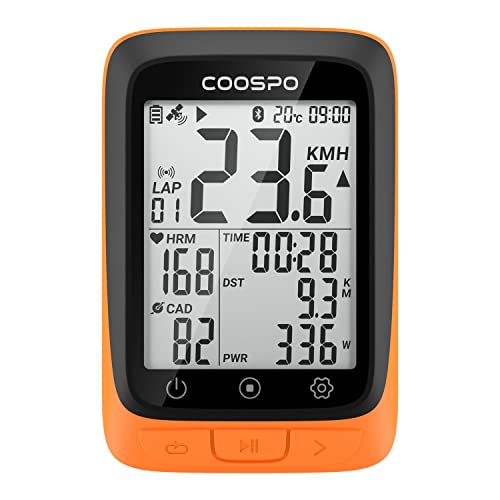
CooSpo Bike Computer Wireless GPS

iGPSPORT BSC100S GPS Bike Computer Wireless 2.6” LCD Display

CYCPLUS GPS Wireless Bike Computer M1 2.9” LCD Screen

CYCPLUS GPS Wireless Bike Computer M1 2.9” LCD Screen

Garmin Edge 540 Compact GPS Cycling Computer

Garmin Edge Explore 2 Easy-to-Use GPS Cycling Navigator

CYCPLUS GPS Wireless Bike Computer M2 2.5” LCD Screen
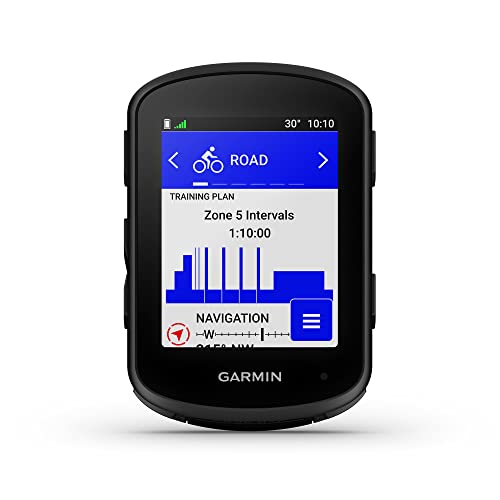
Garmin Edge 840 Compact GPS Cycling Computer
More Details On Our Top Picks
The 2.4-inch LCD display gives you a readable cockpit without taking over your handlebars, and the wireless layout keeps cable clutter out of the way. For commuters, that matters more than flashy extras, because you want speed and route data that are easy to glance at in traffic or on a stop-and-go path.
Bluetooth and ANT+ support make it a friendlier match for common sensors, and the auto backlight helps in early starts or late returns. The honest trade-off is that this feels more like a clean, straightforward tracker than a deep training hub, so riders chasing advanced coaching may want something stronger.
Strong Points
- Wireless setup keeps the bar area tidy.
- 2.4-inch screen gives you clear ride data at a glance.
- Bluetooth and ANT+ broaden sensor compatibility.
- Auto backlight helps in changing light conditions.
Things To Consider
- Less suited to riders who want deeper training tools.
- The smaller display may feel modest on busy handlebar setups.
- Like many compact units, menu depth stays fairly lean.
Feature Snapshot
Who It Suits Best
You’ll get the most from this on everyday commutes, fitness loops, and casual weekend rides where clear basics matter more than deep analytics.
A Better Fit Elsewhere
Garmin Edge 540 suits riders who want more navigation depth and structured training support, especially on longer rides with more planning.
Long rides suit this little better than the CooSpo pick, thanks to the stated 40-hour recharge time and the larger 2.6-inch LCD panel. You get a practical middle ground here, where the screen is still compact but a bit easier to live with during century rides or multi-day touring.
Bluetooth and ANT+ keep accessory support broad, and the waterproof build makes it sensible for wet commutes or mixed-weather training. One thing worth considering is that you’re still looking at a fairly lean computer, so you’re paying for endurance and simplicity more than a rich coaching package.
Highlights
- 40-hour recharge time suits long ride gaps.
- 2.6-inch screen offers a touch more room than the CooSpo unit.
- Wireless layout keeps installation cleaner.
- Waterproof build helps in damp conditions.
Room For Improvement
- Feature depth stays focused on essentials.
- Lacks the richer training emphasis of Garmin Edge 540.
- The larger battery focus can still mean a plain interface.
Core Details
Who Will Love This
Endurance riders and commuters who want a simple, dependable screen with less charging anxiety will get the most out of it.
Another Choice May Suit
CYCPLUS GPS Wireless Bike Computer M1 fits better for you when a larger display and longer stated runtime matter more than this model’s tighter frame.
This is the first pick that feels built for riders who like a bigger screen without moving into a more complex Garmin setup. The 2.9-inch LCD display gives you more room for speed and ride stats, and the 1200mAh battery is a sensible fit for longer sessions where charging every few rides gets old fast.
Four satellite positioning is the headline detail here, and the idea is simple, steadier location support during open-road riding or tree-lined paths. The trade-off is that this model still leans toward clean fundamentals, so riders wanting richer navigation coaching will likely look elsewhere, but for most training blocks, it covers the basics well.
Bright Spots
- 2.9-inch LCD screen gives you generous visibility.
- 1200mAh battery supports long ride use.
- Four satellite support can help with location steadiness.
- Bluetooth and ANT+ extend accessory pairing options.
- Strava and CYCPLUS FIT syncing suit riders who log workouts.
Softer Spots
- Advanced route coaching is still limited.
- The larger body may feel a bit fuller on very small cockpits.
- App syncing adds an extra setup step for some riders.
Spec Overview
Right Fit For
You’ll appreciate this most on long weekend rides, structured training, and mixed-terrain routes where a larger display earns its keep.
Skip It When
Garmin Edge Explore 2 is the better match for riders who want more guided navigation and less focus on workout syncing.
This second M1 listing lands in the same practical lane as the prior CYCPLUS pick, which makes the similarities hard to miss. You still get the 2.9-inch screen, IPX6 protection, 1200mAh battery, and Bluetooth/ANT+ support, so the appeal is the familiar formula rather than a new feature set.
That makes it a sensible pick for riders who want the M1 shape and interface without chasing a different brand family. The honest read is that the value comes from consistency, not novelty, and that’s enough for cyclists who want a known setup for daily rides or trainer sessions.
Best Bits
- Large 2.9-inch display keeps data easy to read.
- IPX6 build suits wet road conditions.
- Bluetooth and ANT+ support typical cycling accessories.
- Battery and app syncing fit everyday ride logging.
Points To Note
- Very close in profile to the other M1 listing.
- It still focuses on basics rather than deep coaching.
- More advanced riders may want Garmin’s route tools.
Details At A Glance
Whose Shelf It Belongs On
You’ll fit this best if you want a straightforward GPS computer for commuting, trainer miles, or weekend loops and don’t need a lot of extras.
Look Elsewhere When
Garmin Edge 540 is the stronger step up for riders who want more training structure and advanced navigation in one unit.
Button controls, targeted adaptive coaching, and advanced navigation push the Edge 540 into a more serious lane than the simpler CYCPLUS and iGPSPORT units. For riders logging structured training blocks, mixed-surface routes, or long road days, that extra control can make the cockpit feel far more intentional.
The 26-hour runtime is the other big draw, especially for riders who don’t want to worry about charging during a busy training week. The trade-off is that this model asks more from you up front, both in price tier and in learning the interface, so casual riders may find it more than they need.
Reasons To Buy
- Button controls work well with gloves or wet hands.
- Adaptive coaching suits riders following training plans.
- Advanced navigation helps on unfamiliar routes.
- 26-hour runtime supports long sessions and travel days.
- Compact body keeps handlebar clutter down.
Small Caveats
- More features usually mean a steeper setup curve.
- Casual riders may not use the coaching tools often.
- The simpler CYCPLUS picks can feel easier for basic ride logging.
Technical Sheet
Built With In Mind
You’ll get the most from this on serious road rides, gravel planning, and training blocks where coaching and routing both matter.
Where A Sibling Pick Shines
Garmin Edge Explore 2 suits you better for simpler navigation-first use, especially when training tools matter less than route guidance.
Navigation takes the lead here, and that makes the Explore 2 feel different from the training-first Garmin Edge 540 and Edge 840. The interface is meant to be approachable, which helps a lot on touring rides, city exploring, and long weekend routes where you want guidance without wrestling with a deep menu tree.
The protection details are also more generous on paper than the entry-level units, with coverage for drops, spills, cracked screens, and power surges from the start, plus malfunction coverage after the brand warranty period ends. The practical caveat is that this is still a navigator first, so riders who care most about workout structure may find the Edge 540 a better fit.
Standout Traits
- Easy interface helps reduce setup stress.
- Navigation focus suits route-heavy rides.
- Coverage details add peace of mind around damage scenarios.
- Good fit for unfamiliar cities and touring days.
Areas To Watch
- Less training-centric than the Edge 540 and Edge 840.
- Riders wanting workout guidance may outgrow it.
- The easier interface can mean fewer advanced tools.
Key Specs
The Right Fit
You’ll appreciate this most for touring, discovery rides, and city navigation where route clarity matters more than performance metrics.
Not Your Match When
Garmin Edge 840 is the better step-up choice for riders who want navigation plus a more advanced control set.
The M2 trims the screen down to 2.5 inches, which makes it a neat fit for compact handlebars or a cleaner cockpit. Yet it keeps the useful ingredients that matter on the road, including four-satellite support, Bluetooth/ANT+, auto backlight, and more than 70 hours of stated working time.
That longer runtime is the main reason this pick stands out next to the M1 and the iGPSPORT option. You give up a little screen size, but you get a more travel-friendly shape, so it suits riders who want fewer charging stops and a lighter visual footprint.
Upsides
- 2.5-inch screen keeps the unit compact.
- More than 70 hours of working time suits long-use stretches.
- Four-satellite support helps with positioning.
- Bluetooth and ANT+ support common accessories.
- Auto backlight helps with changing light on dawn rides.
Worth Noting
- Smaller display means less room for extra data.
- The compact face may feel tight for riders who want large numbers.
- Its strength lies in endurance, not a full coaching suite.
Feature Rundown
Made For
You’ll like this most for minimalist builds, long commuting stretches, and riders who want endurance without a bulky computer.
Swap It Out When
CYCPLUS GPS Wireless Bike Computer M1 fits better for you when a larger screen matters more than this model’s smaller footprint.
The Edge 840 takes the basic Garmin shape and pushes it toward riders who want more control without stepping into a bulky computer. Compared with the Edge 540, it’s the sort of choice that tends to appeal when you want a more polished command center for longer road rides, layered routes, or riders who like a little more flexibility on the bars.
The trim body keeps it compact, but the real draw is the feeling of stepping into a higher tier without sacrificing handlebar space. The trade-off is simple, more capability usually means more setup attention, so casual riders may not use all of it.
Positives
- Compact form keeps the cockpit tidy.
- Good fit for riders who want a more advanced Garmin setup.
- Works well for route-heavy and training-focused use.
- Offers a clear step up from simpler cycling computers.
Honest Caveats
- More control can mean more setup effort.
- Casual riders may not need the extra depth.
- The Edge 540 may be enough for simpler training needs.
Core Details
Best Suited To
You’ll get the most from this if you want a compact Garmin with enough depth for serious riding, navigation, and route planning.
Reach For A Different Pick When
Garmin Edge Explore 2 is the easier match for navigation-first riding, especially when you want guidance without as much training emphasis.
How To Choose The Right Bike Gps Computers
Start With Screen Size And Mount Space
Handlebar space matters more than many shoppers expect. A 2.4-inch or 2.5-inch display, like the CooSpo and CYCPLUS M2, keeps the cockpit tidy, while 2.9-inch screens give you more room for speed, distance, and navigation prompts.
The trade-off is simple, larger screens read better at a glance but take up more visual real estate. Riders with compact stems or crowded bars usually appreciate smaller units, while touring riders often prefer the larger face.
Match Battery Life To Your Rides
Battery claims tell you a lot about how often you’ll think about charging. A unit like the CYCPLUS M2, with more than 70 hours of working time, suits long gaps between charges, while Garmin’s Edge 540, with up to 26 hours, aims more at serious ride sessions than marathon unplugged use.
That difference matters for commuters, trainers, and travelers in different ways. Short daily rides can live with modest runtime, but long weekends and bikepacking-style use reward bigger batteries.
Think About Controls, Navigation, And Training Depth
Button controls, like on the Garmin Edge 540, are easier to manage with gloves and wet hands. Touch-friendly or simpler menu systems can be fine for casual use, but once you start following complex routes or structured plans, control quality becomes part of the experience.
Navigation-first riders usually do better with the Edge Explore 2, while performance-minded cyclists get more from the Edge 540 or Edge 840. Basic units from CooSpo, iGPSPORT, and CYCPLUS make more sense for riders who mainly want speed, distance, and straightforward ride logging.
Check Sensor Compatibility And Setup Effort
Bluetooth and ANT+ support matter because they widen the range of accessories you can use, from heart-rate straps to speed and cadence sensors. That kind of support is useful even for casual riders, since it keeps the computer flexible as your setup grows.
The catch is that more compatibility sometimes means more setup steps. Riders who want an easy first install often prefer simpler models, while riders building a more complete cockpit usually welcome the extra flexibility.
Things Worth Knowing First
Where Shoppers Go Wrong
Many people chase screen size and battery life but ignore how the unit fits on the bars. A larger display can be less comfortable than a smaller one on a crowded cockpit, especially for commuters or riders who already use lights and phone mounts.
Another common miss is choosing a model with more features than you’ll ever use. A basic ride logger can be the smarter call than a training-heavy unit, since simplicity often means less setup and fewer menu detours.
The Upgrade Payoff
Higher-tier units usually cost more because they add better navigation logic, richer training tools, and more polished controls. That’s clear in the jump from CYCPLUS or iGPSPORT models to the Garmin Edge 540 and Edge 840.
The upgrade makes sense when you ride unfamiliar routes, train with structure, or want a computer that feels closer to a ride command center. For casual mileage, the extra spend can be overkill, which is why the simpler picks still matter here.
Frequently Asked Questions
Do Bike GPS Computers Need Phone Pairing?
Many models use a phone during setup or syncing, especially when you want app-based ride history. After that, the computer still handles the riding information on its own.
Is A Larger Screen Always Better?
Not always, because bigger displays take up more cockpit space and can feel busy on compact bikes. A smaller screen often works better for commuters and riders with limited handlebar room.
Which Model Suits Long Rides Best?
The CYCPLUS M2 stands out for very long working time, while the iGPSPORT BSC100S also leans toward endurance-friendly use. Garmin’s Edge 540 and Edge 840 suit long rides too, especially when routing and training matter.
What Does ANT+ Do?
ANT+ is a wireless connection standard used by many cycling sensors and accessories. It helps a computer talk to gear like cadence sensors and heart-rate straps.
Which Pick Is Easiest For Navigation?
Garmin Edge Explore 2 is the clearest fit for route guidance and touring-style use. The simpler CYCPLUS and CooSpo units are easier for basic speed and distance tracking, but they do less for guided travel.
Final Thoughts
You’ve got a solid spread here, from plainspoken computers that handle speed and distance well to Garmin units that add real navigation depth. The CooSpo, iGPSPORT, and CYCPLUS picks make sense for everyday riding, while the Edge 540 and Edge 840 suit riders who want more structure and control. The Edge Explore 2 is the easiest route-first option, and the M2 is the neat fit for longer stretches between charges. Choose the one that matches how you actually ride, not the one with the busiest feature list.