
Turning a regular bike into an e-bike can change how you handle hills, errands, and longer commutes. The catch is that the right kit depends on your frame, your riding style, and how much motor character you want under you. Some kits suit casual city travel, while others are built for steeper climbs, heavier loads, or more aggressive power. This roundup helps you sort the practical choices without turning the search into a second job.
Quick Look at the Shortlist

BAFANG BBS02B BBS-HD Mid Drive Electric Bike Conversion Kit 48V/52V

Chokayaky 3000W Motor Kit 72V Go Kart Motor 4900RPM BLDC Kit

BAFANG BBS02B CAN Bus Mid Drive Kit 48V 750W with Display
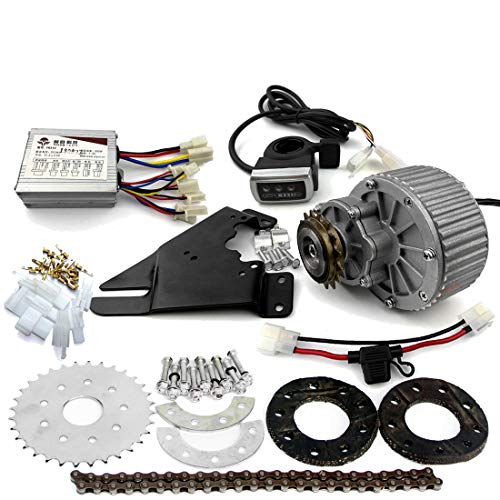
L-faster 450W Left Drive Conversion Kit for City Bike

NBPOWER 135mm Dropout e-Bike Conversion Kit 48V-72V 3000W

BAFANG 48V500W/750W Rear Hub Motor Kit for 20 to 29 Bike
More Details On Our Top Picks
Mid-drive kits place the motor near the pedals, so this BAFANG setup feels better suited to hills, mixed routes, and riders who want the bike’s gears to stay part of the equation. With 48V and 52V support, plus fitment for 68mm, 100mm, and 120mm bottom brackets, it casts a wide net for road, city, recumbent, and hybrid frames.
The honest read is that mid-drive installs usually ask for more patience than a hub system, and this one is no exception. In return, you get a layout that can feel more natural on steeper climbs than the simpler L-faster kit, while still being less extreme than the NBPOWER option.
Strong Points
- Mid-drive placement works with the bike’s gearing, which helps on climbs and stop-and-go commutes.
- The listed bracket-size range gives you a better shot at frame compatibility without guessing too much.
- 48V and 52V support gives you room to match the kit to your planned battery setup.
- It suits mixed-use bikes, so one build can cover errands, commuting, and weekend rides.
Things To Consider
- Mid-drive installs often take more time than a basic hub conversion.
- You may need to pay close attention to chainline and drivetrain wear over time.
- The more performance-focused setup can feel like overkill for short, flat neighborhood trips.
Key Specs
Who It Suits Best
You fit this kit best when your rides include hills, longer commutes, or a bike you want to keep feeling lively under load.
Where A Sibling Pick Shines
BAFANG 48V 750W Mid Drive Kit BBS02B CAN Bus suits you better when you want a slightly simpler BAFANG path with a focused 750W setup and a 44T chainwheel.
This Chokayaky kit is aimed at project builders who want a serious brushless DC motor package rather than a mild commuter upgrade. The 3000W rating, 72V setup, 4900RPM figure, and included 50A 24-MOSFET controller point toward go-kart, dirt-bike, or custom machine territory.
Compared with the BAFANG mid-drive picks, this one is far less about bicycle-like pedaling feel and far more about raw mechanical output. The trade-off is straightforward, because the non-bracket motor and separate throttle setup usually suit hobby builds better than a tidy weekend conversion.
Highlights
- The 3000W motor gives you a high-output starting point for custom builds.
- 72V support makes the kit appropriate for projects that need a stronger electrical setup.
- The included controller and throttle pieces reduce the number of separate parts you need to source.
- Reversible motor behavior adds flexibility for certain vehicle layouts.
Minor Gripes
- The non-bracket design asks for a more hands-on install and planning stage.
- For casual city riding, the output is well beyond what most people need.
- Maintenance and wiring comfort matter more here than on the simpler L-faster option.
- You may need extra time for parts matching on a custom frame.
Feature Rundown
Who Will Love This
You fit this kit best when your project is a go-kart, dirt bike, or another custom build that asks for strong output and hands-on tuning.
Another Choice May Suit
NBPOWER 135mm Dropout e-Bike Conversion Kit 48V-72V 3000W suits you better when you want a bike-oriented rear-wheel setup with a built-in alarm lock.
The CAN Bus version gives this BAFANG kit a more coordinated feel, which matters to riders who like cleaner control behavior and a more integrated setup. With 48V, 750W output, a display, and the 44T chainwheel, it sits in a sweet spot between the more flexible BBS02B family above and the heavier-duty rear hub kit at the end of the list.
For mountain bike and road bicycle conversions, that 44T chainwheel helps keep the gearing choice clear from the start. You may find it especially practical on bikes that already have a stable frame and a rider who wants a readable setup rather than a stripped-down motor-only package.
What We Like
- CAN Bus control points toward a more integrated feel than a basic open-ended motor kit.
- The included display gives you a clearer read on the ride setup.
- 750W sits in a useful middle ground for many commuting and recreation builds.
- The 44T chainwheel can help the bike feel more balanced for everyday use.
- It suits both mountain and road bike conversions, which broadens its appeal.
Areas To Watch
- Mid-drive installation can ask for more mechanical comfort than a rear hub swap.
- The display and CAN Bus integration may feel more involved than a plain motor-only setup.
- Riders looking for a stripped-back commuter build may prefer the simpler L-faster kit.
Details At A Glance
Made For
You fit this kit best when you want a BAFANG mid-drive with a more integrated control layout for a mountain bike or road bicycle conversion.
Look Elsewhere When
BAFANG 48V500W/750W Rear Hub Motor Kit for 20 to 29 Bike suits you better when you want a broader wheel-size range and a rear hub path instead of a mid-drive layout.
The L-faster kit keeps things straightforward, which is a big part of its appeal for everyday city use. At 450W with a left-drive layout that uses a spoke sprocket and chain drive, it feels like the least complicated path in this roundup for a basic bicycle conversion.
That simplicity comes with a clear trade-off, because you give up the larger power ceiling and gear-aware climbing feel of the BAFANG mid-drives. Still, for short errands, flatter streets, and a bike you want to keep feeling approachable, this is the calmest pick in the group.
Best Bits
- 450W output keeps the setup modest and easier to match to casual riding.
- The left-drive format can work for common bicycle builds without excessive complexity.
- Spoke sprocket and chain drive details give you a clearer idea of the mechanical path.
- It suits city bikes well, especially for shorter daily trips.
Small Caveats
- The lower power level will feel modest beside the 750W and 3000W options.
- Chain-driven systems need routine attention to keep wear in check.
- Riders on steep routes may want more assistance than this kit is meant to provide.
Core Details
The Right Fit
You fit this kit best when you want a plain, city-friendly conversion and you do not need high power for hills or heavy loads.
Where A Sibling Pick Shines
BAFANG BBS02B BBS-HD Mid Drive Electric Bike Conversion Kit 48V/52V suits you better when your routes include steeper climbs and you want a stronger pedal-assisted feel.
NBPOWER leans hard into high-output rear-wheel conversion territory, and the 135mm dropout note tells you it’s built around a specific frame fit. The 48V to 72V range, 3000W rating, and alarm lock suggest a setup for riders who want a stronger, more security-aware custom build than the gentler L-faster option.
The catch is that this sort of power pushes you toward careful installation and a frame that matches the dropout requirement. For people building a fast commuter or performance-focused conversion, that extra effort can make sense, though it’s not the easiest road for a first-time project.
Upsides
- The 3000W rating gives you a very strong starting point for a performance build.
- 48V to 72V support adds flexibility around how you configure the system.
- The 135mm dropout detail helps narrow compatibility before assembly begins.
- Alarm lock support adds a practical layer for parking outside or in shared spaces.
Room For Improvement
- The power level is more than most casual city riders need.
- Dropout fit must be checked carefully to avoid installation frustration.
- Higher-output systems usually ask for more attention to wear and upkeep.
Technical Sheet
Best Suited To
You fit this kit best when you are building a high-output rear-wheel conversion and your frame already matches the 135mm dropout requirement.
Skip It When
Chokayaky 3000W Motor Kit 72V Go Kart Motor 4900RPM BLDC Kit suits you better when your project is a go-kart or dirt-bike style build rather than a bicycle conversion.
This rear hub BAFANG kit stands out for range and flexibility, especially if you want a conversion that fits multiple bike sizes instead of a single narrow frame type. With support for 20-inch through 29-inch wheels, 135mm to 142mm rear dropout spacing, optional battery and display, and three riding modes, it gives you a lot of room to shape the final build.
Compared with the mid-drive BAFANG picks, this one should feel more direct to install for many riders, since the rear hub layout avoids the drivetrain complexity of a crank-based motor. The trade-off is that hub systems usually feel different on climbs, so riders chasing mountain-bike-style torque may still prefer the BBS02B family.
Positives
- The broad wheel-size support makes this kit easier to match to different bikes.
- 135mm to 142mm rear dropout support expands its practical fit range.
- Three riding modes let you shape how the motor behaves in daily use.
- Optional battery and display support gives the setup room to grow.
Softer Spots
- Rear hub feel is different from a mid-drive, especially on steep climbs.
- The broader compatibility can still require careful measurement before purchase.
- Riders who want a bike that pedals like a mountain machine may prefer a mid-drive instead.
Feature Card
Who Should Grab It
You fit this kit best when you want a rear hub conversion with broad wheel compatibility and a flexible, everyday-friendly setup.
A Better Fit Elsewhere
BAFANG BBS02B BBS-HD Mid Drive Electric Bike Conversion Kit 48V/52V suits you better when you want stronger hill feel and a mid-drive layout instead of a rear hub motor.
How To Choose The Right Bike Electric Conversion Kits
Frame Fit Comes First
Start with the bike you already own, not the motor spec sheet. Bottom bracket width, rear dropout spacing, wheel size, and brake layout shape what can actually be installed without extra parts or awkward compromises.
Mid-drive kits work better when you want to use the bike’s gears, while rear hub kits suit riders who want a more direct wheel-based swap. A mismatch here turns a promising project into a slow parts chase.
Power Should Match Your Terrain
Lower-output kits make sense for flatter streets, short commutes, and relaxed riding. Higher-output systems suit steeper hills, heavier riders, cargo use, or a more performance-minded build.
More power also means more attention to chain wear, battery planning, and overall setup. That’s why the 450W L-faster feels approachable, while the 3000W Chokayaky and NBPOWER kits live in a different lane.
Control Feel Matters More Than Most People Think
Some kits feel calm and predictable, others feel more hands-on. A display, pedal assist, throttle choice, and controller behavior all change how natural the bike feels in traffic or on a long ride.
Riders who commute daily often appreciate cleaner feedback and simpler operation. Hobby builders, on the other hand, usually care more about raw output and tuning room than about a polished, bicycle-like ride feel.
What To Weigh Before You Order
Wrong Turns To Avoid
One common mistake is choosing motor power before measuring the frame. Another is overlooking whether you want a mid-drive, rear hub, or left-drive layout, because each one changes installation effort and ride feel.
It also helps to think about where the bike will live. A garage bike, a campus commuter, and a weekend trail build all place different demands on maintenance and storage.
The Upgrade Payoff
Higher-tier kits usually cost more because they add stronger motors, broader compatibility, more control hardware, or better integration. In this category, that often means easier climbing, more flexible fitment, or a cleaner ride experience.
The upgrade makes sense when your route is hilly, your frame is particular, or your build needs to carry more weight. For flat, short trips, a simpler kit often makes more sense and keeps the project easier to live with.
Frequently Asked Questions
Can you convert almost any bike?
No, frame fit still matters a lot. Wheel size, dropout spacing, and bottom bracket width decide whether a kit belongs on your bike.
Which style suits hills better?
Mid-drive kits usually feel stronger on climbs because they work through the bike’s gears. Rear hub kits feel more direct and simple, but they do not lean on the drivetrain the same way.
Do higher wattage kits make sense for daily commuting?
They can, but only when your route is long, hilly, or load-heavy. For short flat trips, a simpler setup is often easier to live with.
What matters more, voltage or wattage?
Both matter, because they tell you different things about the system. Voltage shapes the electrical setup, while wattage points to the motor’s output level.
Should you choose a hub or mid-drive first?
Start with your terrain and how much installation work you want to handle. Mid-drive suits climbing and gear use, while hub kits suit riders who want a cleaner swap.
Closing Thoughts
The right conversion kit depends less on hype and more on fit, terrain, and how much hands-on work you want to take on. For most riders, the BAFANG mid-drive kits make the strongest everyday case, while the L-faster stays easy to understand and the NBPOWER and Chokayaky options lean into performance. Match the kit to the bike you already trust, and the upgrade feels far more satisfying. A careful choice here pays off every time you roll out.