
Mountain biking asks more from a bike computer than smooth road miles do. You want a screen you can read fast, controls that make sense with gloves, and enough toughness to handle dust, rain, and the occasional rough landing. This roundup keeps the focus on that kind of everyday trail use, from simple wired units to GPS models and a mount that helps keep everything steady.
The Shortlist At A Glance
CooSpo Wireless GPS Bike Computer


CYCPLUS GPS Wireless Bike Computer M1

Wired Bike Computer and Bicycle Odometer

Wired Bike Computer and Bicycle Odometer

Garmin Edge 540 Compact GPS Cycling Computer
Garmin Edge 840 Compact GPS Cycling Computer
More Details On Our Top Picks
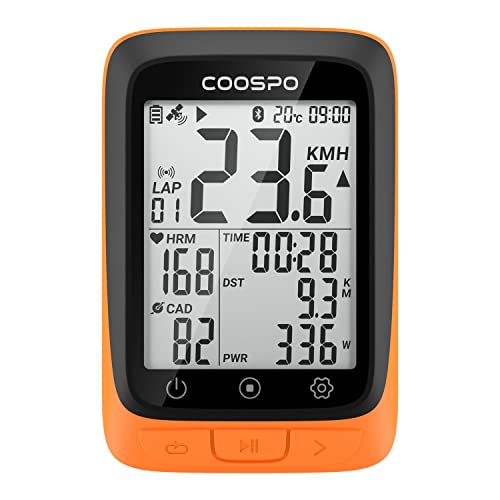
The CooSpo model suits trail riders who want GPS logging without a huge cockpit footprint. The 2.4-inch LCD gives you a clear read, and Bluetooth plus ANT+ support keeps it flexible with common sensors. For daily local laps, that mix feels easy to live with, though the smaller screen can feel modest next to the larger displays in this roundup.
The auto backlight helps during dim trail exits or late rides, and the waterproof build is a sensible fit for mixed weather. You may find it most satisfying as a straightforward training head unit rather than a feature-packed navigation hub, which is fine for plenty of mountain bikers. The honest read is that it keeps the focus on essentials, not extras.
Strong Points
- GPS tracking keeps ride data organized for looped trail sessions and repeat climbs.
- Bluetooth and ANT+ support make sensor pairing easier with common cycling gear.
- The 2.4-inch LCD stays compact on crowded bars and short-stem setups.
- Auto backlight helps the screen stay readable as light changes under tree cover.
- Waterproof construction suits damp rides and dusty trail days better than a basic dry-weather unit.
Things To Consider
- The display is smaller than the 2.6-inch iGPSPORT BSC100S and the 2.9-inch CYCPLUS M1.
- Trail riders who want turn-by-turn style depth may want a more advanced GPS option.
- Like most compact electronics, the unit benefits from regular screen cleaning after muddy rides.
Feature Snapshot
Who It Suits Best
You want a compact GPS bike computer for regular trail miles, simple stats, and easy sensor pairing.
Where A Sibling Pick Shines
The Garmin Edge 540 suits you better when advanced navigation and more serious ride planning matter more than a minimal setup.
That 2.6-inch display gives the iGPSPORT BSC100S a little more breathing room than the CooSpo, which helps on bumpy descents where you want a quicker glance. The rechargeable battery is built for long stretches, and the listed 40-hour figure will appeal to riders who split time between weekday spins and weekend dirt. It feels aimed at practical use more than flashy extras.
The waterproof casing and wireless layout make it easy to keep mounted and forget about between rides. In most setups, that matters more than a pile of unused features, especially for riders who prefer a tidy cockpit. One trade-off is that larger navigation-heavy models still offer a more advanced experience for route-heavy days.
What We Like
- The 2.6-inch LCD gives a bit more room than the CooSpo model.
- 40-hour rechargeable runtime suits riders who ride often between charges.
- Bluetooth and ANT+ support keep sensor pairing flexible.
- Waterproof construction makes it a sensible match for wet trail conditions.
- Wireless setup helps keep the handlebar area cleaner on busy mountain bikes.
Small Caveats
- Riders who want deeper map tools may still prefer the Garmin Edge 540 or Edge 840.
- The larger battery focus adds value, but it does not replace a high-end navigation suite.
- Like any bar-mounted unit, the screen benefits from occasional wipe-downs after muddy rides.
Core Details
Built With In Mind
You ride often, want a tidy wireless setup, and care more about battery stretch than map-heavy extras.
Another Choice May Suit
The CYCPLUS GPS Wireless Bike Computer M1 fits better for riders who want a larger display and very long working time.
The CYCPLUS M1 leans harder into endurance than the two smaller GPS units above it. A 2.9-inch LCD, IPX6 water resistance, and a 1200mAh battery make it feel built for longer days where you do not want to think much about charging. Its four-satellite positioning and support for the CYCPLUS FIT app and Strava also give it a more connected feel than the wired entries.
Trail riders who spend full afternoons on the bike will probably appreciate that extra staying power. The trade-off is a slightly more involved feature set than the simplest computers, so this makes more sense for someone who values data tracking and app syncing. It is a bit like carrying a larger map in your jersey pocket, except the information stays right on the bars.
Highlights
- The 2.9-inch screen gives you more room to scan speed and ride data.
- IPX6 water resistance is a sensible match for wet trail conditions.
- The 1200mAh battery and listed 60-plus-hour runtime suit long ride gaps.
- Four-satellite positioning helps the unit feel more serious about tracking.
- App syncing with CYCPLUS FIT and Strava adds value for data-focused riders.
Areas To Watch
- The wider feature set may feel like more computer than some casual riders need.
- App syncing matters most to riders who already track mileage and routes regularly.
- The larger body can feel less discreet than the CooSpo or iGPSPORT BSC100S.
Details At A Glance
Made For
You ride longer trail days, want app syncing, and prefer a bigger screen over a minimalist computer.
Where Another Pick Suits Better
The iGPSPORT BSC100S fits riders who want a simpler wireless computer with a slightly leaner overall setup.
This wired option keeps things stripped down in a useful way. Speed, average speed, top speed, riding time, distance, calories, and temperature cover the basics many riders check most often, and the automatic wake-up feature helps it feel ready without much fuss. On a local loop or a backup bike, that kind of simplicity can be a real advantage.
Compared with the GPS models above, this one asks less from your setup and less from your wallet, which is why it makes sense for riders who just want steady ride data. The caveat is obvious, though, because a wired computer brings more installation and cable management than a wireless one. Once mounted properly, it suits riders who prefer a set-it-and-forget-it feel.
Positives
- Shows the core ride numbers most trail riders check first.
- Automatic wake-up saves you from pressing buttons every time you roll out.
- Wired design can feel dependable on a bike that stays set up in one place.
- Temperature and calorie readouts add a little extra context for longer rides.
Worth Noting
- Wired routing takes more patience during installation than the wireless GPS units.
- Cable placement matters on mountain bikes with wider bars and suspension movement.
- The simpler screen is better for basics than for route planning.
Feature Rundown
Who Will Love This
You want a simple wired cycle computer for local trail use, casual mileage checks, and backup-bike duty.
Swap It Out When
The CooSpo Bike Computer Wireless GPS fits better for riders who want cleaner handlebar setup and satellite tracking.
This Hilceriy wired computer lands in the same basic lane as the previous item, so the decision mostly comes down to whether you want a no-nonsense trail display or a wireless GPS step-up. Its value is in the familiar ride data set, automatic wake-up, and a compact shape that won’t crowd the bar area. For short rides, the setup feels plain in a good way.
The bigger difference is how it fits your habits. Riders who keep one bike ready for local loops may like the simplicity, while those who swap bikes often will probably find the cable routing less convenient than the CooSpo or iGPSPORT options. Nothing fancy here, just a straightforward computer that does the expected jobs.
Bright Spots
- Clear ride basics keep the screen useful without crowding it with extras.
- Automatic wake-up makes quick outings easier to start.
- Compact size suits bikes where cockpit space is tight.
- Wired layout works well for a bike that stays in one setup.
Minor Gripes
- Cable routing adds setup work compared with the wireless picks.
- Frequent bike swaps make a wired unit a little less convenient.
- Riders chasing richer data or navigation will outgrow it faster.
Core Details
Right Fit For
You want a basic wired trail computer and prefer easy, familiar ride data over GPS extras.
Look Elsewhere When
The Garmin Edge 840 suits you better if route tools and higher-end trail features sit at the top of your list.
A solid mount can matter as much as the computer sitting on it, especially on rough singletrack. The iGPSPORT M80 is built as a lightweight, common mount that works with iGPSPORT units and a wide list of Garmin, Wahoo, Cycplus, CooSpo, and XOSS computers. That broad fit makes it useful for riders who change head units or run more than one bike.
The easy-install design also stands out for mountain biking, where a stable bracket matters more than flashy looks. Once tightened, it should feel secure enough for rougher surfaces, though you’ll still want to check placement on wider bars and keep the interface clean after muddy rides. It’s a small part that can prevent a lot of cockpit annoyance.
Best Bits
- Wide brand compatibility helps when your gear changes over time.
- Lightweight construction keeps the cockpit from feeling cluttered.
- Simple installation saves time during setup.
- Stable fit is a sensible match for rough mountain-bike terrain.
Areas To Watch
- Mount choice depends on your handlebar layout and accessory crowding.
- Some riders may still prefer a brand-specific mount for a cleaner match.
- Regular tightening checks make sense on bikes that see hard trail use.
Quick Facts
Whose Shelf It Belongs On
You run different bike computers across more than one bike and want a mount that stays broadly compatible.
Where A Sibling Pick Shines
The CooSpo Bike Computer Wireless GPS makes more sense when you want the computer itself rather than just the mount.
The Edge 540 moves this roundup into a more serious trail computer lane. Button controls are the practical detail here, because gloved hands and wet conditions often make touchscreen-only gear less pleasant on rough terrain. With advanced navigation and targeted adaptive coaching, it looks aimed at riders who want more structure from their computer.
Up to 26 hours of battery life is another strong point for longer mountain days, though the more capable feature set also brings more complexity than the CooSpo or the wired Hilceriy units. That’s the trade-off with higher-end gear, more control and more tools, but also more to learn. For riders who care about route guidance and ride analysis, it earns its place.
Reasons To Buy
- Button controls are useful with gloves and rough weather.
- Advanced navigation suits trail networks and unfamiliar riding areas.
- Targeted adaptive coaching gives the unit a more training-focused feel.
- Up to 26 hours of battery life supports longer outings.
- The compact shape keeps it manageable on a mountain bike cockpit.
Points To Note
- The deeper feature set takes more time to learn than simpler computers.
- Riders who only need basic speed and distance data may not use all of it.
- More advanced units usually ask for a little more menu familiarity.
Feature Card
The Right Fit
You want a compact GPS computer for technical trail rides, navigation, and more structured ride tracking.
Skip It When
The iGPSPORT BSC100S makes more sense for riders who want simpler wireless function and a lighter learning curve.
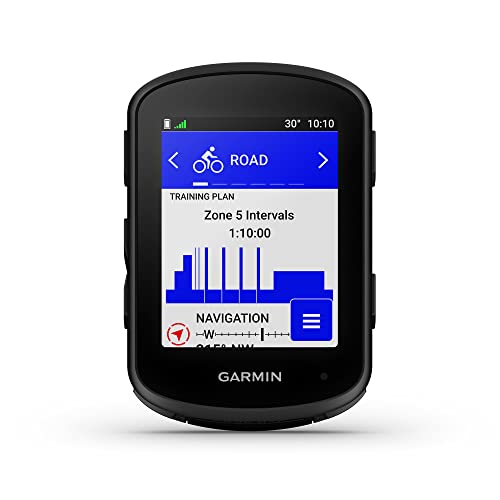
The Edge 840 sits at the premium end of this list for riders who want a compact GPS computer with more room to grow. It keeps the footprint small while targeting mountain bikers who care about deeper route planning and a more polished ride experience. For riders already comfortable with GPS computers, it feels like the most natural step up.
Compared with the Edge 540, it is the better fit for someone who wants a more refined overall setup without giving up the compact form. The honest read is that it makes the most sense once you know you’ll use the extra capability, because the learning curve and price tier are harder to justify for casual local laps. For committed trail riders, though, it looks like a strong long-term companion.
Upsides
- Compact sizing keeps it practical on busy handlebars.
- GPS focus suits riders who like route awareness and richer ride data.
- Pairs well with more committed trail and training use.
- Feels like a sensible step up from simpler GPS units.
Room For Improvement
- The extra capability makes the learning curve steeper than basic computers.
- Casual riders may not use enough of the added depth to justify the upgrade.
- Like any advanced unit, it rewards a bit of setup time.
Spec Overview
Best Suited To
You ride often, use GPS features regularly, and want a compact unit with a more refined trail setup.
A Better Fit Elsewhere
The Garmin Edge 540 is the smarter step for riders who want advanced features but would rather keep costs and complexity a little lower.
How To Choose The Right Bike Computers For Mountain Biking
Screen Size, Controls, And Glance Time
Trail riding rewards fast reading. A 2.4-inch screen like the CooSpo keeps things compact, while the 2.9-inch CYCPLUS display gives your eyes more room to catch speed or distance at a glance. Button controls, like those on the Garmin Edge 540, matter a lot with gloves or wet hands, because touchscreen-heavy gear can get annoying fast on rough ground.
Think about your cockpit, too. Wider bars, dropper-post remotes, and light switches can crowd the center space, so a smaller unit or a tidy mount often works better than a large display. That trade-off shows up most on technical trails where you do not want your eyes lingering on the screen.
GPS, Wiring, And Ride Style
Wireless GPS computers fit riders who move between bikes, track routes, or want fewer cables around suspension and brake lines. Wired models like the two Hilceriy options stay simple and can be perfectly fine for local loops, but they ask more during installation and do not bring navigation features. That makes them better for riders who want data basics rather than trail mapping.
The right choice depends on how you ride week to week. Long-distance trail riders and people who explore new systems usually benefit from GPS and sensor support, while repeat-lap riders often just want speed, distance, and a readable display. In other words, the best match is the one that fits the way you actually leave the driveway.
Battery, Weather, And Durability
Battery life matters more on mountain bikes than many people expect. A 40-hour rated unit like the iGPSPORT BSC100S or the 60-plus-hour CYCPLUS M1 reduces charging chores for riders who string together several rides a week. The Garmin Edge 540’s up to 26 hours is still useful, but the point is different, it leans toward more advanced features rather than sheer endurance.
Water resistance also deserves attention because mud and spray are part of the sport. IPX6 on the CYCPLUS M1 and waterproof builds on several others make them more suited to trail weather than basic indoor-style electronics. None of this replaces common sense, though, so a quick wipe-down after a muddy ride helps keep buttons and screens in better shape.
Things Worth Knowing First
Mistakes Worth Dodging
Shoppers often overbuy features they never use. A rider who only wants speed and distance can end up paying for advanced navigation, app syncing, or coaching tools that sit untouched after the first week.
Mounting gets overlooked too. A computer can be excellent on paper and still feel awkward if the bar position blocks the display or crowds a light and bell setup.
What The Higher Tier Buys
Higher-tier models usually bring stronger navigation, better control layouts, and more room to grow. The Garmin Edge 540 and 840 reflect that pattern, since they suit riders who use route tools, training details, and more frequent ride planning.
The extra money often goes into interface polish, sensor handling, and a more complete feature set. That upgrade makes sense once you know those tools will actually matter on your rides, not just look impressive in the listing.
Frequently Asked Questions
Do bike computers help on technical trails?
Yes, because they keep speed, distance, and timing visible without relying on your phone. A good mount and a readable screen make the biggest difference on rough terrain.
Are wireless models better than wired ones?
Wireless units are usually easier to live with on mountain bikes. Wired units still make sense for simple ride data and lower-fuss local use.
How important is battery life for trail riding?
It matters a lot for long rides and repeat weekly outings. Bigger batteries reduce charging chores, which helps most when you ride often.
Should you pay more for navigation features?
Yes, only when you actually ride unfamiliar routes or want richer planning tools. For short local loops, basic tracking often covers the job.
What makes a mount important?
A stable mount keeps the computer readable on bumpy ground. It also helps protect the unit from annoying wobble and constant re-adjustment.
Closing Thoughts
The right bike computer for mountain biking depends on how much information you want and how rough your riding gets. Simple wired units handle the basics well, while wireless GPS models give you a cleaner setup and more useful trail data. The Garmin Edge 540 and Edge 840 sit higher up the ladder for riders who want deeper navigation and more control. Choose the one that fits your trail habits, not the one with the longest feature list.