
Bike cameras can do a lot of quiet work for you, especially on busy commutes, dark paths, or long weekend rides where a second set of eyes would help. Some picks focus on rear visibility, others add recording, and a few combine lights or radar so your setup feels more complete. The right choice comes down to how much rear awareness you want, how much screen space you can live with, and whether you prefer a simple camera or a more layered system.
The Shortlist At A Glance

Wankskey Bike Camera Rechargeable Battery 360° Rotation
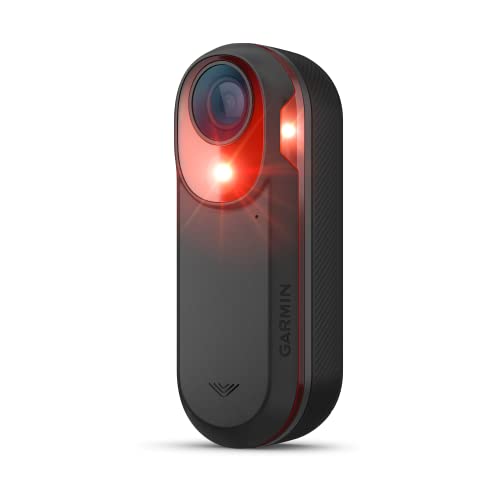
Garmin Varia RCT715 Rearview Radar with Camera
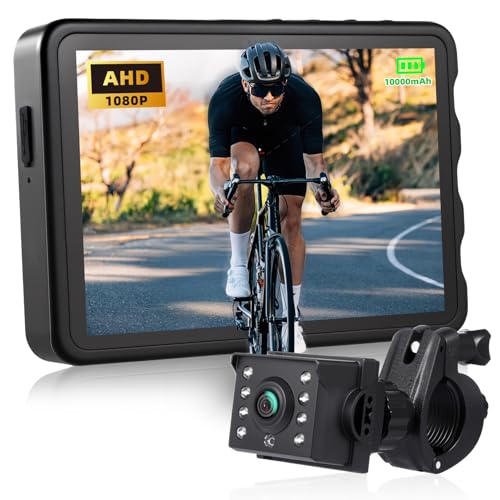
Fitense Bike Camera 360° Rotatable 5” 1080P
acgiewo 4K Mini Body Camera with Audio and Video
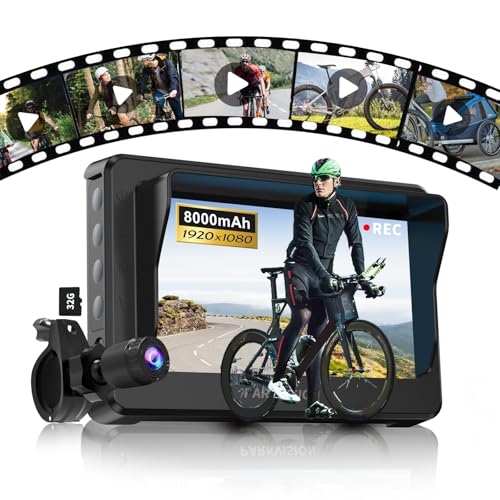
PARKVISION Bicycle Rear View Camera Recorder

TIROL SUPPLIES Ultra Light Action Camera

PARKVISION Bicycle Rear View Camera with Zoom

Garmin Varia Vue Cycling Headlight 4K Camera
More Details On Our Top Picks
Rear-view setups like this suit riders who want a straightforward screen-based view without moving into a more complex radar system. The 4.3-inch HD monitor gives you a larger glance point than a tiny bar-mounted screen, and the 360-degree rotation helps you angle the view around your cockpit layout.
The trade-off is that you’re dealing with a dedicated camera-and-monitor setup, so you’ll want the handlebars to stay fairly uncluttered. For daily city riding or mountain paths with frequent shoulder checks, that mix of simplicity and flexibility makes sense.
What We Like
- 360-degree rotation helps you position the display for your riding posture.
- The 4.3-inch monitor is easier to read than a tiny dash-style screen.
- Rear-view focus suits commuting, trail riding, and ebike use.
- Color night vision can help the image stay more useful in dim conditions.
Things To Consider
- A separate monitor adds another item to mount and keep charged.
- The setup works best on handlebars with enough open space.
Feature Rundown
Who It Suits Best
You’re a strong match for this one if you want a simple rear-view camera setup for commuting, touring, or ebike rides.
A Better Fit Elsewhere
Garmin Varia RCT715 Rearview Radar with Camera suits you better if you want radar alerts layered on top of recording.
This pick stands apart because it folds radar, camera recording, and a tail light into one rear-facing system. That matters on busier roads, where you may want both visual evidence and an added layer of awareness without stacking separate accessories on your seat post.
The honest read is that you’re paying for a more integrated setup, so it fits riders who value convenience and layered feedback more than a bare-bones camera. It pairs well with a clean cockpit, and it makes the most sense for road riders who spend time near traffic.
Highlights
- Radar support adds another layer of rear awareness.
- Built-in camera keeps the system consolidated.
- Tail light integration reduces accessory clutter on the bike.
- Works well for road miles and mixed traffic routes.
Worth Noting
- That extra integration usually means a more involved setup.
- It suits riders who want more than a simple monitor.
- The feature set may feel more than you need for quiet paths.
Core Details
Who Should Grab It
You’re a strong match if you ride roads often and want a single rear unit that combines awareness, recording, and lighting.
Swap It Out When
PARKVISION Bicycle Rear View Camera Recorder fits better if you want a more straightforward camera screen without the radar layer.
The larger 5-inch monitor gives this model a more spacious feel than the 4.3-inch choices earlier in the list. That extra screen area can be easier to live with on longer rides, especially when you want the rear view to stay readable without squinting at a small display.
The 10,000mAh battery is the headline here, and that kind of capacity tends to matter most on longer outings or days when charging access is limited. You may find the size more noticeable on a compact bar setup, but for mountain and road bikes with room to spare, it looks like a well-balanced travel companion.
Positives
- The 5-inch monitor makes rear checks feel less cramped.
- 360-degree rotation helps with a wide range of cockpit layouts.
- 10,000mAh capacity supports longer use between charges.
- Dual night vision gives you more flexibility after sunset.
- Its fit on mountain and road bikes widens the use case.
Small Caveats
- The larger battery and screen take up more space than simpler picks.
- Charging planning matters more on very long ride days.
Technical Sheet
Best Suited To
You’re a good match for this one if you log longer rides and want a bigger monitor with generous battery capacity.
Consider Something Else When
Wankskey Bike Camera Rechargeable Battery 360° Rotation fits better if you want a simpler, more compact rear-view setup.
Not every rider wants a bike-only rear monitor, and this tiny wearable camera gives you a different path. The 1.5-inch screen, magnetic body, and clip-on form make it feel closer to a flexible action camera than a fixed bicycle accessory.
That flexibility helps for helmet use, motorcycle gear, and outdoor recording, but it also means you’re choosing a multi-purpose format rather than a dedicated bike camera rig. In most cases, that makes sense for riders who split time between cycling and other activities.
Bright Spots
- The compact body makes mounting and carrying easier.
- 6-axis EIS helps steady handheld or moving footage.
- WiFi and Bluetooth give you more connection flexibility.
- The clip-on design suits helmets, bikes, and other outdoor use.
Areas To Watch
- The tiny screen is practical, but it’s still small for long review sessions.
- It’s a broader action camera approach, not a dedicated rear-view bike monitor.
- Small gear can be easier to misplace, so storage habits matter.
Feature Card
Who Will Love This
You’re a strong match if you want one small camera that can move between bike use, helmet setups, and other active scenarios.
Look Elsewhere When
Garmin Varia RCT715 Rearview Radar with Camera fits better if your main goal is a dedicated rear-facing cycling system.
This model leans into the recording side of the category, which makes it a sensible fit for riders who want a rear monitor and a built-in memory card in one package. The 4.3-inch 1080P display keeps the format familiar, while loop recording means the camera keeps cycling through footage without you babysitting storage as closely.
The 8,000mAh battery and 9-hour runtime claim put it in a useful middle ground for daily riding and longer weekend sessions. Compared with the larger Fitense pick, it feels more like a balanced workhorse than a screen-first luxury setup.
Best Bits
- Loop recording reduces the need to manage files constantly.
- 32GB TF card support gives you a ready-to-use storage path.
- The 4.3-inch monitor keeps the footprint manageable.
- Battery and runtime specs suit routine commutes and longer outings.
Room For Improvement
- The recording focus may feel more involved than a simple rear-view screen.
- Storage management still matters once the card fills up.
Details At A Glance
Right Fit For
You’re a good match if you want a rear camera with recording and built-in storage for road, mountain, or ebike use.
Another Choice May Suit
Wankskey Bike Camera Rechargeable Battery 360° Rotation fits better if you want a simpler rear-view monitor without the recording emphasis.
This one is built for riders who want something very small and easy to move between gear setups. The 170-degree wide angle gives you broad coverage for a compact camera, which is handy on helmet mounts or handlebars where space is tight.
You may find the simpler feature set refreshing rather than limiting, especially for casual outdoor footage. It makes the most sense for short rides, lighter packing, and people who don’t want a bulky rear monitor hanging off the bike.
Upsides
- Ultra-light design keeps the mount load minimal.
- 170-degree viewing angle helps cover more of the scene.
- FHD 1080P is a solid fit for everyday recording.
- USB rechargeable design keeps charging straightforward.
Honest Caveats
- The simpler camera format leaves out the bigger bike-monitor experience.
- Outdoor and helmet use may suit it better than rear-view traffic watching.
- Smaller gear still needs careful handling and storage.
At A Glance
The Right Fit
You’re a good match if you want a lightweight action camera for handlebars, helmets, and general outdoor use.
Where A Sibling Pick Shines
PARKVISION Bicycle Rear View Camera Recorder is the better fit if you want a dedicated rear screen and recording system for cycling.
The zoom function is the headline here, and that makes this model appealing to riders who want a little more control over how the rear image feels on the screen. Pair that with the 4.3-inch 1080P monitor and you get a setup that still feels familiar, just with more room to fine-tune the view.
The angle options help this one serve different roads and riding positions, which is useful on mixed routes where traffic, shoulder width, and handlebar placement can vary. For riders who care about small adjustments and a longer runtime, it lands in a thoughtful middle zone.
Reasons To Buy
- Zoom support gives you more control over the rear image.
- The 10-hour runtime suits longer rides and all-day outings.
- Angle options make the view easier to tailor.
- The 4.3-inch HD monitor keeps the format approachable.
Trade Offs
- More viewing controls can mean a little more setup attention.
- The repeated night-vision wording in the listing suggests a focus on low-light viewing, but the overall system still feels best for riders who like adjustments.
Spec Overview
Whose Shelf It Belongs On
You’re a strong match if you want a rear camera with more control over framing and a runtime that suits long days out.
Skip It When
Wankskey Bike Camera Rechargeable Battery 360° Rotation fits better if you want a simpler rear-view option with less adjustment work.
This front-facing option is different from the rest of the list because it puts light and camera into one unit. The 600-lumen output gives you strong forward illumination, while the cutoff beam is designed to keep the light from blasting oncoming road users, which matters on shared paths and neighborhood rides.
For commuters and early-morning riders, that blend can feel especially practical, though it’s clearly a more specialized front setup than the rear-view systems above. You may like it most when your priority is documenting the ride and lighting the way at the same time.
Standout Traits
- 4K recording offers a high-detail front camera option.
- Up to 600 lumens gives you serious forward light output.
- The cutoff beam helps aim light more responsibly on the road.
- Combining two functions can reduce handlebar clutter.
Points To Note
- It serves a different job than the rear-focused picks in this list.
- Front-light priorities matter more here than rear visibility.
- It may suit riders who want a more advanced front accessory.
Feature Snapshot
Made For
You’re a strong match if you want a front light and recording camera in one cycling setup.
Reach For A Different Pick When
PARKVISION Bicycle Rear View Camera with Zoom fits better if your main concern is seeing what’s behind you.
How To Choose The Right Bike Cameras
Match The Camera To Your Riding Job
Rear-view cameras help most on roads, crowded paths, and ebike commutes where shoulder checks get repetitive. A setup with a monitor, like the Wankskey and PARKVISION models, gives you a live glance without turning your head as often.
Action-camera styles such as the TIROL SUPPLIES and acgiewo picks lean more toward recording and portability. That makes them more natural for mixed outdoor use than for a dedicated cycling mirror replacement.
Screen Size, Placement, And Glance Time
Small screens save space, but they ask more of your eyes, especially on rough pavement. A 4.3-inch display often hits a comfortable middle ground, while a 5-inch screen can feel easier to read on longer rides.
Placement matters just as much as size. A monitor that sits at the wrong angle becomes a constant adjustment, so rotating mounts and flexible brackets are worth paying attention to.
Battery Life Changes The Experience
Battery capacity shapes how often you think about charging, and that affects whether the camera feels like part of the bike or just another gadget. Larger capacities, such as the 10,000mAh Fitense unit, are better suited to long outings or riders with irregular charging routines.
Shorter runtimes can still work well for commutes, especially when the camera lives on the bike most days. The trade-off is simple, more battery usually means more size and weight, and that matters on compact handlebars.
Recording Features Versus Pure Visibility
Some models are built for watching the road behind you, while others are designed to capture footage first and visibility second. Loop recording, included storage, and higher-resolution video become more useful when you want a ride record for later review.
Radar, lighting, and zoom change the equation again. Those extras push the setup closer to a full riding system, which is great for riders who want layers of awareness, but not as helpful for someone who just wants a basic rear screen.
Before You Click Buy
Wrong Turns To Avoid
One common mistake is choosing a camera that looks feature-packed but doesn’t fit your handlebars or riding position. Screen size, mount clearance, and battery housing all affect day-to-day comfort more than a glossy feature list suggests.
Another slip-up is mixing up recording gear with rear-view gear. A compact action camera can be useful, but it won’t replace a dedicated rear monitor for traffic awareness.
What The Higher Tier Buys
Higher-tier bike cameras usually spend more on integration, display quality, and power management. You’re also paying for extras such as radar, tail lights, bigger batteries, or more refined mounting options that make the system feel less pieced together.
That upgrade makes the most sense for commuters, road riders, and anyone logging long miles near traffic. For short neighborhood rides, a simpler rear-view camera often covers the job without adding unnecessary bulk.
Frequently Asked Questions
Do Bike Cameras Replace A Rearview Mirror?
They can serve a similar purpose by showing what’s behind you on a screen. The better match depends on how much you value a live image versus a simple mirror glance.
Are Bigger Screens Always Better?
Not always, because a larger screen can crowd your handlebars. A 4.3-inch display often feels easier to place, while a 5-inch screen gives you more viewing room.
Is Recording Useful For Everyday Riding?
It can be, especially on busy roads or long commutes. Loop recording and memory support make the feature more practical than a one-off novelty.
What Matters More, Battery Or Camera Resolution?
Battery matters more for day-to-day convenience, while resolution matters more for footage detail. Your riding pattern should guide the balance.
Which Style Works Best For Mixed Use?
A compact action-camera style suits mixed outdoor tasks and helmet mounting. A dedicated rear-view model fits better for regular cycling on roads and trails.
Closing Remarks
The best bike cameras make your ride feel calmer, not busier. For most commuters, a rear monitor with sensible battery life is the easiest place to start, while road riders may prefer the added layers of radar, recording, or lighting. If you split time between cycling and other outdoor use, a compact action camera can make more sense than a dedicated bike setup. The sweet spot is the one that matches your routes, your cockpit space, and how much visual context you want every day.