
Riding gets a lot easier when your audio stays steady, your calls stay understandable, and your gear doesn’t turn into a snag point inside the helmet. That matters most on daily commutes, weekend tours, and long training loops where you want directions, music, or rider-to-rider talk without breaking your rhythm. The five picks below cover different setups, from helmet-mounted systems to open-ear sport headphones, so you can match the gear to your rides instead of forcing one style to do everything.
The Shortlist At A Glance

SUOOKC Motorcycle Bluetooth Headset

Fodsports FX-S Motorcycle Bluetooth Headset V5.4

Sena BiKom 20 Ultimate Cycling Communication System

Sena BiKom 20 Ultimate Cycling Communication System
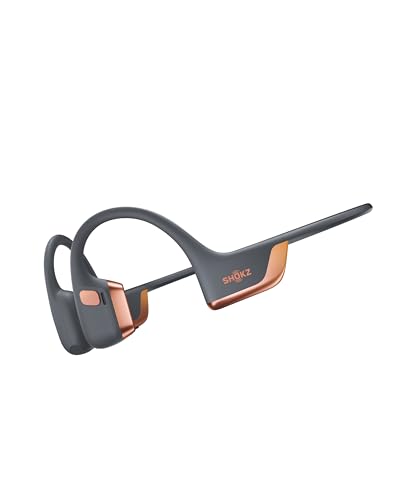
SHOKZ OpenRun Pro 2 Bone Conduction Headphone, Rose Gold
More Details On Our Top Picks
Helmet-mounted audio works best when it stays out of the way, and that’s the angle here. SUOOKC keeps the profile slim, which matters in a full-face lid where bulky hardware can press on your ears after a long stretch on the road.
The waterproof build adds a useful cushion for wet commutes or damp trail days, though the trade-off with compact helmet gear is usually simpler feature depth. Riders who want basic music, call handling, and an easier fit will get the most from it.
Strong Points
- Thin profile helps reduce pressure inside tighter helmets.
- Waterproof construction suits variable weather and dusty garage storage.
- Noise cancellation can make spoken audio easier to follow in traffic.
- Works across all helmet styles, which keeps setup flexible.
Things To Consider
- Feature details are lighter than the more communication-heavy picks below.
- Helmet fit still matters, so placement may take a little patience.
- Owners usually need to keep the exterior clean so the pads and mounts stay secure.
Feature Snapshot
Who It Suits Best
Daily commuters and casual weekend riders who want a straightforward helmet audio setup without a lot of extras will feel at home with this pick.
A Better Fit Elsewhere
Fodsports FX-S Motorcycle Bluetooth Headset V5.4 suits riding pairs that want more two-way communication and a more connected feature set.
The FX-S leans into pair riding, and that makes it feel more focused than SUOOKC’s simpler headset. The 2-way intercom design suits two helmets moving together through city streets or on a weekend route, where quick back-and-forth talk matters more than a long list of extras.
IP67 water resistance means dust and water intrusion are handled to a stronger standard, which is useful for riders who see rough weather or dirty roads. The package includes two mic styles too, so helmet shape and mounting space are easier to match, though the dual-unit setup is less minimal than a single helmet audio device.
Upsides
- Two-way intercom setup supports riding conversations between helmets.
- IP67 rating gives you a more confident weather-ready build.
- CVC noise cancellation helps speech stay clearer in engine and wind noise.
- Hands-free music and calls make stop-start commuting feel less fiddly.
- Two microphone styles help with different helmet layouts.
Minor Gripes
- Pair-focused design makes it less streamlined for solo use.
- Two-pack format suits shared riding more than one-helmet shopping.
- More parts usually mean a bit more setup and storage care.
Core Details
Built With In Mind
Riding pairs and commuters who want helmet-to-helmet conversation, not just private audio, will get the most value from this model.
Swap It Out When
Sena BiKom 20 Ultimate Cycling Communication System suits cyclists who want a lighter communication unit for group rides instead of a motorcycle-style helmet system.
For road cyclists, weight and group communication often matter more than flashy extras, and this BiKom 20 leans hard into that. At 20 grams, it aims to stay unobtrusive on a helmet, which is a real plus on longer rides where every little pressure point starts to add up.
The 0.5 mile communication range and six-channel support make it a strong match for paced group rides, charity events, or training loops with changing pace lines. The honest read is that the feature set feels purpose-built, so solo riders who mainly want music may prefer the more music-first SHOKZ option later in the list.
Best Bits
- Very light 20-gram build keeps helmet bulk down.
- 0.5 mile range suits group conversation over a stretch of road.
- Up to 7 hours of talk time covers longer rides and ride breaks.
- Noise control helps your voice carry more cleanly in traffic and wind.
- Six communication channels support larger ride groups.
Areas To Watch
- Purpose-built cycling focus makes it less versatile for non-cycling use.
- Light gear can be easy to misplace, so storage habits matter.
- Group communication features matter most on rides with other users on compatible gear.
At A Glance
Right Fit For
Serious cyclists who ride in groups and want a very light communication system will appreciate how this model stays focused on that use.
Where A Sibling Pick Shines
Fodsports FX-S Motorcycle Bluetooth Headset V5.4 makes more sense for motorcycle pairs that need helmet intercom features rather than cycling-specific communication.
This second BiKom 20 listing mirrors the same core profile, so the real question is not features but fit and availability on the product page. For cyclists who already know they want a 20-gram communication unit with the same range, talk time, and channel support, it keeps the decision simple.
Compared with the more motorcycle-oriented Fodsports FX-S, this one stays squarely in the cycling lane. That makes it a cleaner match for training partners, but the trade-off is obvious, it does not try to serve every ride style under one shell.
Highlights
- Same light 20-gram profile helps it disappear on the helmet.
- 0.5 mile range works well for routine road riding.
- Up to 7 hours of talk time suits longer group sessions.
- Advanced noise control supports clearer voice pickup in busy settings.
Softer Spots
- Highly similar to the other BiKom 20 listing, so the choice may come down to stock or bundle details.
- Cycling focus keeps it less relevant for motorbike riders.
- Light gear still needs a safe place in your bag after rides.
Details At A Glance
The Right Fit
Cyclists who want a low-profile communication system for club rides or regular training routes are the natural match here.
Another Choice May Suit
SHOKZ OpenRun Pro 2 Bone Conduction Headphone, Rose Gold suits mixed-sport users who want open-ear listening outside the bike helmet setting.
Bone conduction keeps your ears open, and that changes the whole feel of this pick for cycling and mixed outdoor use. You still get audio on the move, but you also keep more awareness of traffic, trail chatter, or a riding partner calling out behind you.
DualPitch sound, a smart mic, and up to 12 hours of battery life make it more versatile than the helmet-only models above. The catch is that open-ear listening is a different experience from sealed audio, so riders who want the most isolated sound may prefer the Fodsports FX-S instead.
Positives
- Open-ear layout keeps your ear canal unobstructed.
- DualPitch audio aims for fuller sound than basic sport headphones.
- Smart mic helps calls stay usable in active settings.
- 12-hour battery life supports long workouts and back-to-back sessions.
- IP55 rating adds useful resistance for sweat and light weather.
Points To Note
- Open-ear sound carries differently than in-ear or helmet speaker setups.
- Rose Gold styling may feel more fashion-forward than neutral.
- Sports headphones still benefit from regular wipe-downs after sweaty rides.
Feature Rundown
Whose Shelf It Belongs On
Active riders who split time between cycling, running, and hiking will get the most out of this open-ear design.
Skip It When
SUOOKC Motorcycle Bluetooth Headset suits helmet riders better when you want a more enclosed audio setup inside motorcycle gear.
How To Choose The Right Bike Bluetooth Headsets
Match The Audio Style To Your Ride
Helmet speakers work well for motorcyclists who want sound built into the shell, while open-ear bone conduction suits cyclists who want a little more awareness of road noise and nearby traffic. Intercom-style units matter more for pairs or group riding, because voice chat is the real reason to pay for that extra hardware. The right choice comes down to whether you want private audio, two-way talk, or an open-ear setup that leaves more of the world audible.
Pay Attention To Fit And Mounting
A headset that sounds fine on paper can still feel awkward in a tight helmet, especially around the ear pads and cheek area. Weight matters too, since lighter gear tends to disappear more easily on long rides, and 20 grams feels very different from a bulkier shell-mounted unit. Riders with modular, full-face, or cycling helmets need to think about where the mic, speaker, and control module will sit before choosing a model.
Look Closely At Weather And Battery
Water resistance is useful because real riding rarely stays dry and tidy, and sweat, dust, and drizzle all put stress on the housing. A rating like IP67 or IP55 gives you a better sense of how much outdoor wear a unit can handle, while battery life tells you whether it fits a quick commute or an all-day outing. Shorter ride windows make smaller batteries easier to live with, but long tours and training days reward the models that can keep pace.
Choose Features For Your Actual Use
Noise cancellation helps most in traffic-heavy streets or windier routes, but it matters less on quiet leisure rides where comfort and fit come first. Group riders get more value from communication channels and intercom range, while solo commuters may care more about call clarity and easy music control. A polished feature list can be tempting, yet the best match is usually the one that solves your most common ride, not the rare one.
What To Weigh Before You Commit
Wrong Turns To Avoid
A common mistake is chasing extra functions that never get used, especially when a simpler helmet headset would already cover your commute or training loop. Another is ignoring helmet compatibility, because a snug fit changes everything once the gear is inside the shell. Keep the focus on mounting style, weight, and the kind of talk you actually need on the road.
The Upgrade Payoff
Higher-tier gear usually spends more on clearer microphones, stronger weather resistance, better battery life, and more refined communication tools. That upgrade makes sense for long-distance riders, pairs who talk often, or cyclists who spend a lot of time in wind and traffic. Casual users can stay with a simpler model and still get solid value, which is why the middle of the range often makes the most sense.
Frequently Asked Questions
Are Bike Bluetooth Headsets good for daily commuting?
They suit commuting well because they can keep calls, navigation prompts, and music in one setup. The best choice depends on whether you want helmet-mounted audio or open-ear listening.
Do helmet Bluetooth headsets work with every helmet?
Many are built to fit a wide range of helmets, but the inside shape still changes how comfortable they feel. A slim unit usually sits better in tighter shells.
Is bone conduction a good choice for cycling?
Bone conduction works well for cyclists who want audio without covering the ears. That open design can feel safer in busy areas because it leaves more outside sound available.
What battery life makes sense for long rides?
A longer battery is useful for touring, club rides, and all-day outings. Short commute riders can live with less, but longer sessions benefit from more endurance.
Do I need intercom support for one rider?
You do not need intercom if you only want solo listening. It matters more for riding pairs or groups that want back-and-forth voice chat.
Closing Thoughts
Your best match depends on how you ride, not just on the spec sheet. Helmet speakers make sense for motorbike use, intercom systems suit riding pairs, and open-ear headphones fit cyclists who want more awareness without giving up audio. Once you focus on fit, battery life, and the kind of communication you’ll actually use, the choice gets a lot clearer. Pick the style that matches your route, and the rest tends to fall into place.