

Space, stability, and daily convenience matter most with bike storage and hauling gear. Some setups stay inside a garage and need a clean footprint, while others mount to a hitch or rear frame and need steadier hardware for commutes, errands, or weekend trips. This roundup keeps those use cases separate so you can match the rack to your bike, your vehicle, and how you actually ride.
Quick Look At Our Shortlist
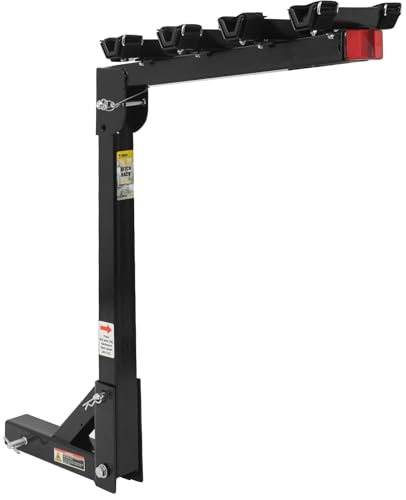
MaxxHaul Hitch Mount 4 Bike Rack 150 lb Capacity Heavy-Duty Swing Down Design (70210)

Bike Floor Stand Rack Indoor Bike Stand for Garage Home

ROCKBROS Rear Bike Rack Quick Release Cargo Rack

Rear Bike Rack Bike Cargo Rack w Fender and Reflective

Rear Bike Rack with Basket 165 LB Load Aluminum Alloy Cargo Rack

CXWXC Rear Bike Rack with Basket for Disc Brake and Non-Disc Brake Mount

Schwinn Rear Bike Rack 26 lb Capacity Lightweight Compact Construction
More Details On Our Top Picks
For road trips with multiple bikes, this hitch-mounted setup brings a sturdier feel than the indoor stands in the list. The swing-down design matters because it gives you rear access without fully removing the carrier, and that’s a real convenience in a busy driveway or parking lot. The 150 lb capacity and four-bike layout make sense for families and carpool-style outings.
The trade-off is size and vehicle fit, so this is not the quiet, compact choice that the Schwinn rack offers. It suits drivers who already use a hitch receiver and want a more settled carry for repeated weekend use. The safety reflector is a small but useful touch in dim parking areas.
Strong Points
- Four-bike capacity supports group outings.
- Swing-down access helps at the tailgate.
- Heavy-duty build suits frequent vehicle use.
- Reflector adds a visible rear marker.
Things To Consider
- Needs a compatible hitch setup.
- Bulk is less friendly for small vehicles.
- Storage takes more room than a frame rack.
Key Specs
Who It Suits Best
Weekend drivers, family cyclists, and anyone who already has a hitch receiver will get the most from this rack.
A Better Fit Elsewhere
Schwinn Rear Bike Rack 26 lb Capacity Lightweight Compact Construction suits solo commuters who only need lighter daily carry.
This floor stand keeps the conversation simple, because you’re not mounting hardware to a wall or vehicle. It works best as everyday indoor parking for a garage, basement, or apartment corner, and the stated fit for 20-inch to 29-inch mountain and road bikes gives it broad use across common adult sizes. Compared with the hitch rack, it’s far easier to place and move around.
The honest read is that this is about organization, not transport. It gives you a tidy home base, but you’ll still want another option for hauling outside the house. Riders with limited floor space or a habit of leaving bikes leaning against furniture will appreciate the cleaner setup.
What We Like
- Indoor parking keeps bikes upright.
- Fits a wide range of common wheel sizes.
- No vehicle mount is needed.
- Easy to reposition in storage spaces.
Minor Gripes
- Only solves storage, not transport.
- Takes up floor space in smaller rooms.
- Works around one bike at a time.
Feature Snapshot
Built With In Mind
You’ll get the most from this stand in a garage, utility room, or apartment where upright storage matters more than travel carry.
Swap It Out When
MaxxHaul Hitch Mount 4 Bike Rack 150 lb Capacity Heavy-Duty Swing Down Design fits families who need to move bikes on the road.
For daily commuting, this rack lands in a useful middle ground between the heavy MaxxHaul hitch setup and the lighter Schwinn carrier. The aluminum alloy body and stainless steel screws point to a build meant for regular riding, and the quick-release system should feel helpful on bikes that switch between cargo duty and lighter use. The red reflector and side protection add small but practical touches.
It makes sense for grocery runs, touring, and short camping trips, especially when you want rear cargo without adding a basket. The 55 lb support rating is enough for many urban errands, though you’ll still want to keep loading realistic and balanced. In rainy weather or mixed conditions, the metal construction should suit regular use better than a fragile-feeling accessory rack.
Upsides
- Quick-release mounting helps with removal.
- Aluminum alloy keeps weight in check.
- Side protection adds extra cargo stability.
- Useful for commuting and touring errands.
- Reflector helps with rear visibility.
Worth Noting
- Assembly instructions matter more here than on a floor stand.
- 55 lb capacity still calls for sensible packing.
- Rear racks can need occasional bolt checks.
Core Details
Right Fit For
Commuters and tour riders who want a rear rack with everyday cargo flexibility will get the most from this one.
Where A Sibling Pick Shines
Rear Bike Rack with Basket 165 LB Load Aluminum Alloy Cargo Rack fits riders who need a much bigger carry load for errands and supplies.
This YONTUO rack reads as the detail-oriented choice in the group. The included fender and large reflective element suggest a build that leans into day-to-day practicality, especially for rides that end after dark or in wet conditions. Compared with the simpler ROCKBROS rack, this one seems geared toward riders who like more built-in extras.
That added feature set can feel useful, but it also means you’re choosing a rack with more parts and more to pay attention to during setup. Riders on road or mountain bikes who want a rear carrier with a little more visual presence should like the direction here. For very basic cargo hauling, the Schwinn rack is cleaner and lighter.
Bright Spots
- Fender helps limit spray near the rear wheel.
- Large reflective surface supports visibility.
- Quick-release style keeps setup less fussy.
- Universal wording suggests broad bike compatibility.
Areas To Watch
- Extra parts mean a little more installation attention.
- More features can also mean more to clean.
- Visual extras may feel unnecessary for plain cargo use.
Details At A Glance
Perfect Match For
You’ll appreciate this most on a commuter or fitness bike where you want rear cargo support with extra visibility touches.
Another Choice May Suit
ROCKBROS Rear Bike Rack Quick Release Cargo Rack suits riders who want a simpler cargo setup with fewer built-in extras.
Heavy errands are where this rack starts to stand apart. The 165 lb load rating and rear basket format make it better suited to hauling groceries, work gear, or camping pieces than the lighter commuter racks above it. The included bungee cord, waterproof cover, and installation tool also make the package feel more complete out of the box.
The catch is compatibility, because the source notes several bike types that are not suitable. That limitation matters more here than on the CXWXC or Schwinn options, especially for riders with folding frames, some suspension setups, or cruisers. For a standard bike that needs more carrying muscle, though, this one has a lot going for it.
Best Bits
- 165 lb rating supports heavier carrying needs.
- Basket format handles loose cargo more easily.
- Bungee cord helps steady odd-shaped items.
- Waterproof cover adds weather-minded coverage for cargo.
- Installation tool makes setup more convenient.
Small Caveats
- Some bike styles are not suitable for this rack.
- Basket setups need regular cleaning after messy trips.
- Bulkier hardware can feel noticeable on smaller frames.
Feature Rundown
Who Should Grab It
Riders who carry substantial cargo on a standard rear frame will get the most value from this rack.
Skip It When
CHEPARK Bike Floor Stand Rack is the safer choice for anyone who only needs indoor storage and not load-bearing transport.
This CXWXC rack is the compatibility-focused pick in the lineup. It works with both disc brake and non-disc brake mounts, which makes it easier to match with more adult bikes than a stricter rear carrier. The fit range for 26-inch to 29-inch and 700c wheels gives touring riders and mixed-use cyclists a useful spread.
Compared with the basket-heavy ANGGOER rack, this one is more about fit flexibility than maximum carry weight. That makes it a solid middle path for riders who want a pannier-ready rear carrier without overcommitting to a bulky system. For a standard touring or city bike, that kind of flexibility can save time during setup.
Reasons To Buy
- Works with disc and non-disc brake mounts.
- Fits several common adult wheel sizes.
- Touring-friendly format suits longer rides.
- Rear carrier design works with pannier use.
Room For Improvement
- More compatibility can still mean careful setup.
- No cargo basket details were listed in the source.
- Touring hardware usually rewards periodic bolt checks.
Feature Card
The Right Fit
Touring cyclists and everyday riders with mixed brake setups will get the clearest benefit from this rack.
Look Elsewhere When
Schwinn Rear Bike Rack 26 lb Capacity Lightweight Compact Construction is easier to live with for lighter errands and shorter city rides.
For everyday errands, this is the easiest rack in the group to picture living on a bike full time. The 26 lb capacity is modest beside the heavier ROCKBROS and ANGGOER options, but that lighter limit keeps the shape compact and the ride feel simpler. It mounts to the seat post and adjusts for center, side, or no mounting points, which helps a lot on bikes with less standard rear hardware.
The included hardware makes setup more straightforward, especially for commuters who do not want a fussy install. You can think of it as a small workhorse, steady rather than flashy. Riders who carry a backpack, small basket, or a light grocery bag will find the fit more natural than the larger cargo racks above.
Highlights
- Lightweight build keeps the rack easy to manage.
- Adjustable mounting suits many adult frames.
- Seat-post installation keeps the setup familiar.
- Compact design fits daily carry use well.
- Included hardware reduces extra parts hunting.
Points To Note
- 26 lb capacity is smaller than the heavier racks here.
- Light cargo focus may not suit hauling-heavy routines.
- Seat-post racks can need careful tightening over time.
Spec Overview
Whose Shelf It Belongs On
You’ll like this most if your riding centers on light commuting, a backpack, or a small basket rather than heavy cargo.
Reach For A Different Pick When
MaxxHaul Hitch Mount 4 Bike Rack 150 lb Capacity Heavy-Duty Swing Down Design is the better match for family travel and multiple bikes.
How To Choose The Right Bicycle Bike Racks
Match The Rack To The Job
The first decision is whether you need storage, hauling, or both. Indoor floor stands like CHEPARK keep a bike upright in a garage or apartment, while rear and hitch racks turn the bike or vehicle into a cargo setup. That split matters more than styling, because the wrong rack type usually means awkward daily use.
Pay attention to load limits and mounting style next. A 26 lb rear rack suits a backpack and a small basket, while a 150 lb hitch carrier is built for shared trips and larger loads. The trade-off is simple, heavier capacity usually means more size, more hardware, and more setup time.
Check Frame And Brake Compatibility
Rear racks are not all happy on the same bikes. Some work with disc brake and non-disc brake mounts, some mount at the seat post, and some need a hitch receiver on the vehicle instead of the bike. You save yourself a headache by matching the rack to the exact attachment points already on hand.
Wheel size matters too. A rack that lists 20-inch to 29-inch bikes or 26-inch to 29-inch and 700c wheels gives you a better shot at fit across road, mountain, and touring bikes. That kind of range helps families and mixed-bike households more than a narrow, specialty setup.
Look At Daily Use, Not Just Capacity
The better rack is often the one you can live with, not the one with the biggest number. Quick-release hardware helps when you remove a rear carrier often, while a swing-down hitch rack is more useful for tailgate access on trips. Cleaning, bolt checks, and storage space also matter because metal racks tend to stay in service longer when they’re easy to maintain.
For commuters, compact construction and simpler mounting usually win. For weekend riders carrying camping gear or groceries, extras like a basket, reflector, or waterproof cover can make the setup feel more complete. The sweet spot is the rack that fits your ride routine without turning every outing into a small project.
A Quick Reality Check
Where Shoppers Go Wrong
One common mistake is choosing by weight rating alone. A rack can support a lot yet still be awkward on a small frame, so fit and mounting style deserve equal attention.
Another slip is buying a bike rack for transport when the real need is home storage. A floor stand solves a cluttered garage; a rear carrier doesn’t.
The Upgrade Payoff
Higher-tier racks usually cost more because they add stronger materials, more adaptable mounts, or useful extras like a basket, reflector, or swing-down access. Those details take more hardware and design work, and you feel that difference during daily use.
Spending up makes sense for frequent commuters, touring riders, and families who move gear often. Light occasional use does not always need the bigger build, so the leaner rack can be the smarter call.
Frequently Asked Questions
What type of bike rack works best for apartment storage?
A floor stand like CHEPARK keeps the bike upright without wall mounting. That makes it easier to manage in a small corner or shared storage area.
Do rear bike racks fit every bicycle?
No, fit depends on frame design, brake type, wheel size, and the rack’s mounting system. Checking those details before you choose saves a lot of frustration.
What’s the main difference between a cargo rack and a hitch rack?
A cargo rack mounts to the bike and carries everyday items on the frame. A hitch rack mounts to a vehicle and carries several bikes for travel.
Are heavier-capacity racks always better?
Not for most riders, because extra capacity often means extra bulk and more setup. The best match is the one that fits your actual cargo habits.
How much maintenance do rear racks usually need?
Occasional bolt checks and basic cleaning are usually enough for routine use. Racks with baskets or extra parts may need a little more attention after wet or dusty rides.
Final Thoughts
The right rack comes down to how you use your bike, not how large the number looks on the listing. A floor stand helps tame indoor clutter, a light rear carrier suits commuting, and a hitch rack makes family travel easier. Once you match the rack to your frame, your vehicle, and your cargo routine, the choice gets much clearer. Choose the setup that fits your ride life, and the rest tends to feel straightforward.