
Choosing a helmet for a little one usually comes down to fit, comfort, and how fast the child grows out of it. You want something that stays put on a wobbly balance bike, doesn’t feel bulky on short neighborhood rides, and still works for scooter days or backyard laps. The right pick can make the whole routine easier, especially for families juggling more than one activity.
The Shortlist At A Glance

Retrospec Scout Toddler Bike Helmet 2 Sizes
Retrospec Scout Toddler Bike Helmet 2 Sizes
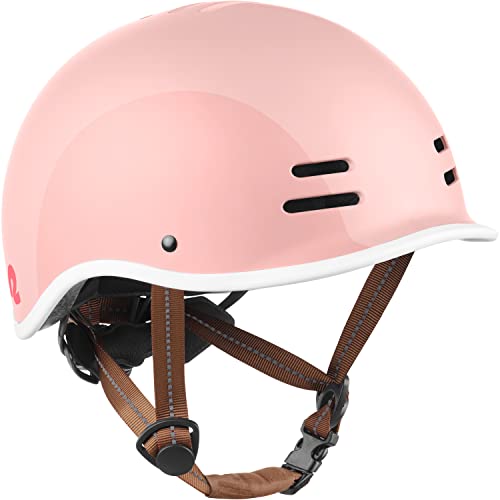
Retrospec Remi Youth Kids Bike Helmet
Lemmeko Toddler Helmet Ages 1-3-8

Lemmeko Toddler Helmet Ages 1-3-8

Lemmeko Toddler Helmet Ages 1-3-8
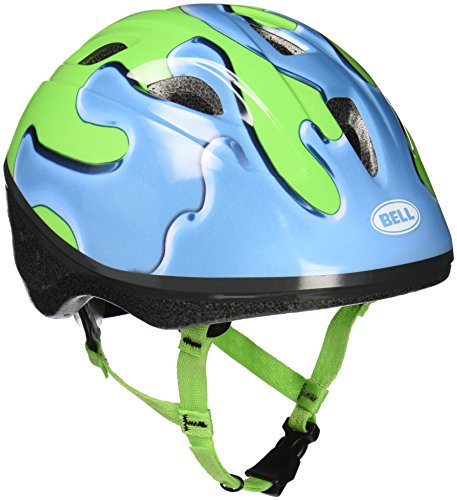
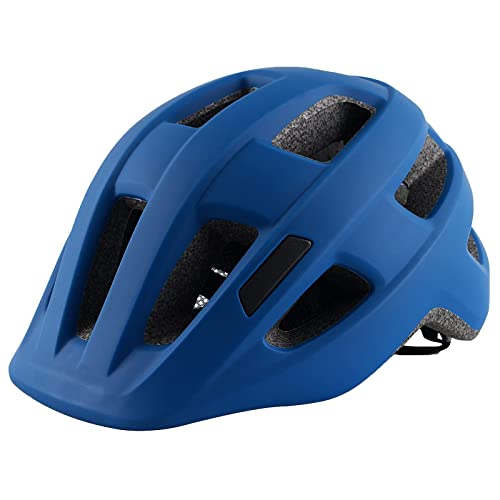
TLAMEE Kids Bike Helmet Ages 1-8 Years
Retrospec’s Scout leans into the practical side of toddler riding, with a fit range that starts at 45 to 49 cm and two size options in the same line. That matters on a balance bike or short weekend ride, because a helmet that sits correctly usually feels calmer for everyone involved.
The ventilation focus is useful on warm afternoons, especially for kids who only tolerate gear for a short stretch. The trade-off is simple, though: a child with a very small or very large head can outgrow a narrow size window faster than you’d like.
Strong Points
- Two size path helps bridge growth spurts.
- Ventilation suits warmer rides and busy playground days.
- Multi-sport positioning works for bike, scooter, and casual skating.
- Low-fuss shape keeps the helmet from feeling fussy.
Small Caveats
- The 45 to 49 cm toddler range is fairly specific.
- Shared-use families may still need a second size later.
Feature Snapshot
Who It Suits Best
You benefit most here when your child rides a balance bike or small pedal bike and needs a tidy, easygoing helmet for short, regular outings.
A Better Fit Elsewhere
The TLAMEE Kids Bike Helmet for Ages 1-8 Years suits a household that wants broader sizing and fewer handoffs as a child grows.
The second Scout entry lands in the same toddler-sized lane, so the real value sits in fit consistency rather than a different shape. For families who rotate between a bike seat, a scooter, and driveway laps, that steady approach can feel like less guesswork at the door.
Compared with the more youth-focused Remi, this one stays squarely in the younger range, which is a sensible match for smaller heads. The honest read is that it suits a tighter age band best, so it’s less about stretching far and more about fitting well now.
What We Like
- Same toddler sizing focus as the first Scout.
- Useful for mixed backyard and sidewalk routines.
- Multi-sport design broadens day-to-day use.
- Adjustable approach helps with growing heads.
Things To Consider
- Overlap with Item 1 means the main choice comes down to color or listing preference.
- Toddler-focused sizing may feel narrow for fast-growing children.
Core Details
Who Should Grab It
This suits toddlers who spend most of their time on balance bikes, trikes, or scooter runs around the block.
Reach For A Different Pick When
The Retrospec Remi Youth Kids Bike Helmet fits better for older children who need a more youth-leaning profile.
The Remi shifts up from the toddler-only Scout pair and makes more sense for a child who’s already moving between a bike, a scooter, and a skateboard. That broader use profile matters in real life, because one helmet for several activities cuts down on clutter and last-minute gear searches.
You’ll notice the trade-off in the less age-specific framing, which can feel a bit less tailored than the Scout for very small kids. For most families with school-age children, though, that wider activity range is the useful part, not the side note.
Highlights
- Works across biking, skating, and scooter use.
- You can keep one helmet in the bag for different outings.
- Youth-focused profile suits older kids better than toddler-only models.
- Simple category positioning keeps the choice easy to understand.
Worth Noting
- Less age-specific than the toddler helmets in Items 1 and 2.
- Young toddlers may outgrow or dislike a youth-leaning fit approach.
Details At A Glance
Built With In Mind
You get the most from this model once your child has moved beyond the earliest toddler stage and wants one helmet for several wheels.
Look Elsewhere When
The Lemmeko Toddler Helmet Ages 1-3-8 fits better for families who want a more age-spanning toddler option instead.
This Lemmeko option is aimed at the youngest range in the roundup, and that narrower focus can be a real advantage for first rides. In a busy garage or mudroom, a lightweight helmet that feels easy to grab matters almost as much as the ride itself.
The age span in the title makes it a practical starter pick for balance bikes, scooters, and early cycling sessions. The catch is that the same broad age label can still mask differences in head shape, so fit checking stays important.
Bright Spots
- Lightweight framing suits small heads and short rides.
- Works across balance bike, scooter, cycling, and skating use.
- Good starter shape for younger families.
- Simple helmet choice for first-time gear setups.
Areas To Watch
- Age labels never replace an actual head-size check.
- Very small or very tall toddlers may need a different fit curve.
Feature Rundown
Perfect Match For
You’ll like this best for a younger child starting on a balance bike or scooter and needing a straightforward first helmet.
Swap It Out When
The Bell Infant Sprout Bike Helmet suits a family that wants a more classic, low-profile look instead.
This Lemmeko listing follows the same broad toddler formula, but it reads more like a practical family spare than a specialized sport shell. That’s helpful in homes where a helmet spends part of the week hanging by the door and part of the week riding in a basket.
Compared with Item 4, the core appeal is similar, so the decision leans toward preference and family rotation rather than a dramatic feature split. In most homes, that’s enough reason to choose the version that fits your setup best.
Upsides
- Broad toddler age span gives it staying power.
- Lightweight structure suits short, casual rides.
- Handy for families that want one backup helmet.
Minor Gripes
- Many families will compare it closely with Item 4.
- Shared-helmet use can mean more frequent strap adjustments.
Technical Sheet
Whose Shelf It Belongs On
You get the best fit from this helmet when you want a simple, everyday option for a child who rides in short bursts.
Where A Sibling Pick Shines
The Retrospec Scout Toddler Bike Helmet feels more refined for families who want a clearer toddler-specific fit path.
By this point, the Lemmeko group looks like a family of closely related options, and this one fits the same broader toddler lane. The useful angle is simple: it gives you a straightforward choice for everyday rides without pushing into fancier territory.
That plain setup helps in shared households, school pickup routines, or any corner where a helmet needs to be easy to reach and easy to wear. The trade-off is that the value lives more in the use case than in a long list of extras.
Reasons To Buy
- Easygoing everyday design works for routine rides.
- Broad age range supports longer use.
- Simple fit story is less intimidating for new families.
Room For Improvement
- Close similarity to Item 5 leaves less room to justify both.
- Some families may prefer a more sport-specific model.
Core Details
Made For
You’ll appreciate this most for regular family routines where the helmet needs to be dependable rather than flashy.
Another Choice May Suit
The TLAMEE Kids Bike Helmet for Ages 1-8 Years suits a child who needs broader coverage in a single adjustable shell.
This Lemmeko version looks aimed at families who want a little more runway from a toddler helmet. That broader age framing can help when a child is growing fast, especially in homes where gear gets passed from one stage to the next.
The upside is less replacement pressure over time, though the fit still needs to match the child’s head shape rather than the age label alone. The honest read is that it makes the most sense for parents who value flexibility over a very narrow fit profile.
Best Bits
- Broader age range gives more room to grow.
- Lightweight design suits short rides and practice sessions.
- Useful as a longer-term household helmet.
Points To Note
- Broader age language still doesn’t replace measuring the head.
- More flexible sizing can mean less exact fit for some kids.
Feature Card
Right Fit For
This is a smart fit for a child who’s between stages and needs one helmet that can stay in service longer.
Where A Sibling Pick Shines
The Bell Infant Sprout Bike Helmet suits you better when a classic low-profile shape matters most.
Bell takes a more classic route here, with a low-profile look and fuller coverage feel that will suit plenty of families who want something familiar. The shape is understated, almost like a well-cut jacket, which can be nice when the helmet needs to blend into everyday use rather than shout for attention.
Compared with the Retrospec and Lemmeko options, this one feels more style-led than age-range-led, so the fit story deserves a careful look. For most bike paths and stroller-adjacent outings, that simple design can be very easy to live with.
Positives
- Classic profile keeps the helmet visually simple.
- Low shape may feel less bulky on small heads.
- Color variety helps you pick a look that feels personal.
Softer Spots
- The source data leans more on style than on detailed fit notes.
- Families wanting a broad age span may prefer Item 9.
Spec Overview
The Right Fit
You’ll like this most for an infant or young toddler whose helmet needs to feel familiar, simple, and easy to wear.
Another Choice May Suit
The TLAMEE Kids Bike Helmet for Ages 1-8 Years fits better for families who want a broader size window and less need to replace early.
TLAMEE closes the roundup with the widest age span in the group, and that makes it easy to think about as a long-running family helmet. For homes with two kids on different stages, one adjustable shell can simplify storage and reduce the number of helmets hanging by the door.
The 48 to 54 cm range gives you a concrete sizing window, which is a useful starting point for real-world fit checks. Compared with the toddler-only Scout and Lemmeko entries, this one is the better match for households that need more room to grow.
What We Like
- 48 to 54 cm sizing gives a clear fit target.
- Age coverage stretches from 1 to 8 years.
- Lightweight profile helps on daily rides and practice sessions.
- Good household option when more than one child shares gear.
Honest Caveats
- Broader age use still depends on accurate head measurement.
- Families with very tiny toddlers may prefer a tighter toddler-only shell.
Feature Rundown
Who Will Love This
You’re in the right place with this pick when you want one helmet that can cover multiple childhood stages and more than one child.
Where Shoppers Go Wrong
The Bell Infant Sprout Bike Helmet is a better fit for families who care more about a classic low-profile shape than an extended size span.
How To Choose The Right Baby Bike Helmets
Fit Comes First, Not Age Labels
Head circumference matters more than the age on the box. A helmet sized at 48 to 54 cm, for example, gives you a real measurement to work from, while a broad age range only points you in the right direction.
Look for a shell that sits level and stays stable during normal movement. A loose fit turns into constant adjusting, and that gets old fast on a curbside ride or a preschool drop-off loop.
Weight, Ventilation, And Daily Comfort
Lightweight shells tend to feel easier on small heads, especially during short rides where comfort matters more than long-session performance. Ventilation slots help with airflow, which can make a helmet more tolerable during warm weather or stop-and-go play.
The trade-off is that lighter designs sometimes feel more minimal, so you’ll want to balance comfort with the coverage style you prefer. For most families, a helmet that a child actually keeps on beats a heavier model that gets removed after five minutes.
Match The Helmet To The Main Activity
Balance bikes and tiny pedal bikes usually favor compact, easy-on options. Skateboard and scooter use pushes you toward multi-sport designs, since one helmet can cover more of the week’s routine.
That’s where the Retrospec Remi makes sense, while the Scout models stay more toddler-centered. Choose the one that fits the real schedule, not the activity you only do once in a while.
Think About Growth And Sharing
A wider size window helps in households where one child grows quickly or siblings share gear. It also reduces the temptation to keep stretching a helmet past its useful fit.
Some families prefer a narrow, exact fit for a first rider, and others want a helmet that lasts through more than one stage. Both approaches make sense, as long as the head measurement still leads the decision.
A Quick Reality Check
Mistakes Worth Dodging
Age wording can be helpful, but it doesn’t replace a tape measure. A child who sits between sizes needs the head measurement more than a broad age promise.
Another common slip is choosing a helmet that looks good but feels awkward after ten minutes. That usually happens when the shape is too bulky or the fit range is too loose for daily wear.
The Upgrade Payoff
Higher-tier helmets usually justify themselves with better adjustability, a more refined shape, and a more polished comfort feel. In this category, those details matter because a better fit often means less fuss at the door and fewer complaints mid-ride.
You’re also paying for a helmet that tends to feel more suitable across more scenarios, such as bike paths, scooter runs, and sibling sharing. For families that use a helmet several times a week, that extra convenience can be worth it.
Frequently Asked Questions
How do you size a baby bike helmet?
Use a soft tape measure around the widest part of the head, just above the eyebrows and ears. Match that number to the product’s size range before you choose.
Can one helmet work for biking and scootering?
Yes, a multi-sport helmet can suit both. The Retrospec Scout and Remi listings show how that cross-use can matter in a busy family routine.
What matters more, age or head size?
Head size matters more because age ranges are only a rough guide. The helmet needs to fit the child’s head shape and circumference first.
Are lightweight helmets worth it?
They often feel easier for toddlers to wear on short outings. That comfort can make a difference on days when your child is already distracted or impatient.
Should you keep one helmet for multiple children?
Only when the fit range and adjustment system truly suit both kids. A shared helmet works best when the size span is broad enough and the fit can be reset each time.
Final Thoughts
You have a solid mix here, from toddler-focused options like the Retrospec Scout to broader picks like the TLAMEE helmet. The best choice comes down to fit range, comfort, and how many activities the helmet needs to cover in your family’s week. Classic style matters to some households, while others care more about a longer growth window. Pick the shape that makes daily use easy, and the rest tends to fall into place.