
Gravel routes ask a lot from a tire, especially when your week includes patched pavement, hardpack, and the occasional washboard stretch. The right choice changes how steady your bike feels, how often you stop for maintenance, and how much speed you keep on the smoother sections.
This roundup focuses on seven tires with clearly different strengths, from wider gravel casings to tougher road options that suit commuters and training rides. You’ll see where each one fits, where it compromises, and which rider profile gets the most from it.
The Shortlist At A Glance

Fincci 700x38c Gravel Bike Tires
Vittoria Zaffiro Pro G2.0 700x25c

Continental Gatorskin Black Edition

Maxxis Grifter Single Compound EXO

WTB Riddler Gravel Bike Tire
Vittoria Zaffiro Pro G2.0 700x28c
More Details On Our Top Picks
Wide gravel coverage makes this pair feel built for routes that change every few miles. The 700x38c size lands in a useful middle ground for riders who split time between hardpack, light trail, and broken pavement.
The foldable Kevlar construction keeps the tire easy to stash as a spare, and the 1 mm anti-puncture layer adds a practical buffer for rougher shoulder riding. You may find the trade-off in rolling feel compared with narrower road options, but that’s the point here.
Strong Points
- 38c width gives you extra air volume for comfort on mixed surfaces.
- Kevlar folding construction makes storage and transport simpler.
- Anti-puncture reinforcement helps reduce roadside interruptions on rougher stretches.
- Works across gravel, cyclocross, MTB, and hybrid setups, so you get wide fitment flexibility.
Things To Consider
- That wider profile will feel slower than a lean road tire on smooth pavement.
- Installation can feel tighter than basic commuter rubber, especially on older rims.
- Regular riders on clean tarmac may not need this much width.
Feature Snapshot
Who It Suits Best
Gravel commuters and mixed-terrain riders get the most from this width and construction, especially on routes that are part pavement, part rough surface.
A Better Fit Elsewhere
WTB Riddler Gravel Bike Tire suits you better for faster adventure riding, since it leans more toward speed-oriented gravel use than the broader, steadier Fincci 700x38c Gravel Bike Tires.
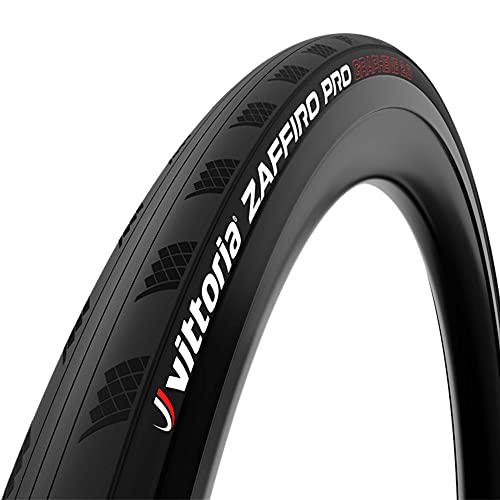
This 700x25c road tire is aimed at training miles, not loose gravel, so it sits at the firmer end of the list. The tread uses subtle center grooves and shoulder texture, which gives the tire a more structured feel without looking busy.
That matters on daily road loops, where a predictable front end and a clean roll are often more useful than extra width. Compared with the Fincci and WTB picks, this Vittoria is the road-first option, and that narrow focus helps keep it efficient.
Highlights
- Refreshed tread layout keeps the tire looking and feeling more current.
- Center grooves and shoulder texture support a settled ride on training routes.
- 700x25c sizing suits riders who prefer a slimmer, quicker road setup.
- Useful for steady mileage, where consistency matters more than off-road grip.
Room For Improvement
- The 25c width leaves little room for comfort on rough gravel surfaces.
- It makes more sense for road training than mixed-surface adventure riding.
- You may want a wider tire for broken shoulders or coarse chipseal.
Core Details
Made For
Road riders logging training miles in changing weather will get the clearest value here, especially on predictable pavement routes.
Another Choice May Suit
Continental Gatorskin Black Edition fits better for riders who want a tougher everyday tire, since it gives up some lightness for a more rugged daily-riding character.
Some tires are built around speed, and this one clearly leans toward daily toughness. The Black Edition format puts the focus on durability-minded road use, which suits commuting, rough pavement, and repetitive mileage.
Compared with the Vittoria Zaffiro Pro G2.0, this Continental reads as the sturdier choice for riders who keep seeing debris, patched roads, and curbside starts. The trade-off usually shows up as a firmer ride, but that is part of the compromise.
Upsides
- PolyX Breaker adds an extra layer of toughness for everyday riding.
- Duraskin side protection helps the casing handle rougher urban surfaces.
- Good fit for riders who want fewer interruptions from road debris.
- Black Edition styling keeps the tire looking clean on practical builds.
Softer Spots
- The sturdier build can feel less lively than lighter training tires.
- Road-first tread means it is not the right match for loose gravel routes.
- Heavier-duty tires often feel slower during hard accelerations.
Details At A Glance
Best Suited To
Commuters and all-weather road riders will appreciate the tougher build, especially on routes where the pavement is far from smooth.
Look Elsewhere When
Fincci 700x38c Gravel Bike Tires is the better call for mixed-surface riding, since its wider profile gives you more margin on loose ground than this road-focused Continental.
The Byway takes a smart middle route, with a smooth centerline for efficient pavement work and diamond-shaped outer knobs for dirt grip. That split personality makes sense for riders who commute during the week and stray onto gravel paths later.
Compared with the pure road focus of the Vittoria Zaffiro tires, this WTB has more off-pavement intent baked in. It still won’t feel like a full knobby gravel tire, so the honest read is that you’re trading deep traction for quicker rolling.
Reasons To Buy
- Smooth centerline helps the tire roll efficiently on tarmac.
- Outer knobs give you extra grip once the surface turns loose.
- Works well for rides that start on pavement and finish on dirt.
- Balanced tread layout suits mixed-use bikes without feeling overbuilt.
Minor Gripes
- The tread split is useful, but not as aggressive as a true gravel tire.
- Riders on deep loose terrain may want more bite at the edges.
- Regular cleaning matters because mixed-surface tread picks up grime.
Feature Card
Who Will Love This
You get the most from this tire on mixed rides that move back and forth between pavement and light dirt.
Swap It Out When
WTB Riddler Gravel Bike Tire is the better match for riders who want a more purpose-built adventure option, especially once gravel becomes the main surface.
This is the odd one in the roundup, but it earns a place because gravel riders sometimes cross into BMX or urban abuse territory. The single-compound tread keeps the rubber formulation uniform across the tire, while the high-volume casing helps soften hard landings.
EXO sidewall protection adds extra cut and abrasion resistance, which matters on rough street edges and repeated curb contact. Compared with the WTB Byway, this Maxxis is less about mixed-surface speed and more about surviving rougher freestyle-style use.
Plus Points
- High-volume casing adds a cushioned feel on harsh landings.
- EXO side protection helps guard the sidewalls from scuffs and cuts.
- Wire bead construction gives the tire a straightforward, traditional setup.
- Single-compound tread keeps the rubber spec simple and consistent.
Areas To Watch
- This is a BMX tire first, so it is not the natural gravel-road pick.
- Wire bead construction can feel less convenient to store than folding designs.
- Regular dirt-road endurance riders will usually want a more road-gravel crossover tread.
Key Specs
Built With In Mind
Freestyle riders and urban riders who punish sidewalls will get the clearest value here.
Where A Sibling Pick Shines
Continental Gatorskin Black Edition suits daily road riders better, because it lines up with commuting and pavement mileage rather than BMX use.
The Riddler is the most clearly gravel-focused shape in this group, and that makes it a natural fit for fast adventure riding. The lineup also includes two width options, with 45 mm aimed at rougher bikepacking terrain and 37 mm aimed at lighter, quicker cyclocross-style use.
That width split gives you a real decision point instead of a generic one-size answer. Compared with the Fincci 700x38c Gravel Bike Tires, the Riddler reads as the more performance-leaning option, especially for riders who want to tune the tire to terrain.
Bright Spots
- Tubeless-ready folding bead format supports modern gravel setups.
- Dual DNA tread is aimed at balancing speed and grip.
- Two width options help you match the tire to route roughness.
- Lightweight, fast-rolling character suits long days where efficiency matters.
- Good fit for bikepacking in 45 mm form and quicker riding in 37 mm form.
Small Caveats
- You need to choose width carefully, because the ride feel changes a lot between 37 mm and 45 mm.
- Tubeless-ready setups can ask for a bit more setup attention than basic clinchers.
- Speed focus means it may not feel as cushy as wider, more comfort-first gravel rubber.
Spec Overview
The Right Fit
Adventure riders and gravel racers who want to match tire width to route conditions will get the most from this WTB.
Reach For A Different Pick When
Fincci 700x38c Gravel Bike Tires is the simpler choice for riders who want one broad, practical width without sorting through setup options.
The 700x28c version keeps the same training-first character as the 25c model, but with a roomier fit that many road riders prefer for daily use. That extra width can make rough pavement feel less harsh, which matters on city streets and older road surfaces.
Compared with the narrower Vittoria Zaffiro Pro G2.0 700x25c, this one gives you a little more comfort without leaving the road category. It still stays very much in the road lane, so gravel use remains a stretch rather than the main point.
Best Bits
- 700x28c sizing offers a bit more cushion than the 25c version.
- Subtle tread grooves and shoulder texture keep the ride controlled.
- Good match for daily road training on imperfect pavement.
- More forgiving fit than the slimmer Zaffiro Pro G2.0 700x25c.
Worth Noting
- It still belongs to the road category, not true gravel riding.
- The extra width helps comfort, but it will not turn this into an all-terrain tire.
- Riders chasing maximum speed may still prefer the narrower 25c version.
Technical Sheet
Whose Shelf It Belongs On
You’ll get the most from this tire on training bikes used for daily road miles and rougher pavement.
Skip It When
WTB Byway Tire makes more sense for mixed-surface routes, since it gives you more dirt-minded tread than this road-centered Vittoria.
How To Choose The Right Bike Tires For Gravel Roads
Tread Width Changes The Ride More Than Most People Expect
Width shapes comfort, traction, and how steady the bike feels on loose patches. A 38c gravel tire like the Fincci gives you more air volume than a 25c road tire, while a 28c road option such as the Vittoria Zaffiro Pro G2.0 700x28c stays closer to pavement duty.
Wider tires usually calm chatter on washboard and broken shoulders, but they also ask for more space in the frame and can feel slower on smooth roads. Narrower tires roll with less resistance, which helps on training loops and long paved approaches.
Match Tread To Surface, Not Just To The Word Gravel
Gravel roads vary a lot, from packed hardpack to loose stone and muddy edges. A tire like the WTB Byway, with a smooth centerline and outer knobs, works best where pavement and dirt trade places during the same ride.
More aggressive tread helps once the surface gets loose, but that same tread can feel noisy and less efficient on clean asphalt. For mixed routes, the middle ground often makes more sense than chasing the deepest knob pattern.
Construction Affects Durability And Storage
Foldable beads, such as the Kevlar build on the Fincci and the folding bead on the WTB Riddler, pack easier and are simpler to carry as spares. Wire-bead tires like the Maxxis Grifter are more old-school in feel and less compact in storage.
Sidewall protection also matters. Continental’s PolyX Breaker and Duraskin, plus Maxxis EXO, are aimed at tougher daily use where debris and curbside wear show up often.
Choose Around Your Real Riding Pattern
Commuters need a different tire from weekend gravel explorers. Daily road miles often call for something like the Continental Gatorskin Black Edition, while route variety points you toward the WTB Riddler or Fincci pair.
Think about maintenance too, because more complex setups can ask for more attention at home. Tubeless-ready tires can pay off on rougher terrain, but they usually make sense only when you want that extra setup flexibility.
What To Weigh Before You Decide
Common Shopping Slip Ups
The biggest mistake is treating every gravel tire like it serves the same job. A road training tire, a mixed-surface tire, and a BMX tire each solve a different problem.
Match the casing and width to your frame clearance, your terrain, and your ride length. That simple check avoids buying rubber that looks right online but feels wrong on the bike.
What The Higher Tier Buys
More expensive tires usually bring more material detail, such as puncture layers, sidewall reinforcement, or more refined tread shaping. Those features matter most when your routes include rough shoulders, sharp debris, or long mileage week after week.
Paying up makes the most sense for riders who use the bike often and notice handling, wear, and repair delays quickly. Casual pavement riders usually get less value from those extra layers.
Frequently Asked Questions
What width works best for gravel roads?
700x38c is a strong middle-ground choice for many mixed routes. Narrower 25c and 28c tires suit road use more than loose gravel.
Do foldable tires matter?
Foldable beads are easier to pack and store, which helps with spares and travel. They also tend to feel more modern in setup than wire-bead designs.
Is tubeless-ready worth it for gravel?
Tubeless-ready tires make sense for riders who want more setup flexibility on rough surfaces. They ask for more attention during installation, so they suit hands-on owners better.
Can road tires handle gravel roads?
Light gravel on smooth, packed surfaces is possible, but road tires stay road-first. Wider gravel-specific tires feel steadier and more forgiving once the surface gets loose.
Which tire here is the toughest for daily use?
Continental Gatorskin Black Edition stands out for rough pavement and repeat commuting. It suits riders who want a sturdier everyday road tire rather than a true gravel setup.