
Bike roof mounts suit you when trunk space is tight and you’d rather keep the rear of the vehicle clear. They matter most for weekend rides, mixed bike fleets, and travel days where quick loading beats wrestling with a folded cabin. The right mount depends on fork style, wheelbase, roof-bar shape, and how often you swap bikes. This roundup keeps the focus on fit, handling, and the trade-offs that show up in real use.
Quick Look At The Shortlist

Swagman Standard Fork Mount Roof Bike Rack

ROCKBROS Suction Cup Bike Rack

Thule UpRide Roof Bike Rack

Yakima Forklift Fork Mount Bike Carrier

Yakima Highroad Rooftop Upright Bike Mount

Thule ProRide XT Roof Bike Rack
More Details On Our Top Picks
Front-loading roof carriers solve a simple problem, they keep the frame upright without asking you to remove the front wheel. That matters in a driveway, at a trailhead, or after a long workday, where fewer steps usually means less friction. Compared with the fork-mount Swagman below, this style is easier to live with for mixed bike use.
The trade-off is roof height, because lifting a bike onto any upright carrier takes more reach than a trunk rack. Still, for commuters and weekend riders who want a tidy rooftop setup, the format stays practical and predictable. The honest read is that this style earns its keep through convenience, not drama.
Strong Points
- Holds the bike upright, which keeps loading straightforward.
- Works well for daily car-to-trail transfers.
- Preserves cargo space behind the vehicle.
- Pairs neatly with other rooftop gear.
Things To Consider
- Roof loading still asks for some overhead reach.
- You’ll want to keep the rack clean around moving contact points.
- Upright carriers can feel slower than simple fork mounts.
Key Specs
Who It Suits Best
You’re the best match here if you want a rooftop carrier that feels intuitive after a few uses and you value a cleaner rear hatch area.
A Better Fit Elsewhere
Yakima Highroad Rooftop Upright Bike Mount suits taller bikes and longer wheelbases more naturally, so it’s the smarter pick for riders whose geometry pushes beyond standard all-purpose use.
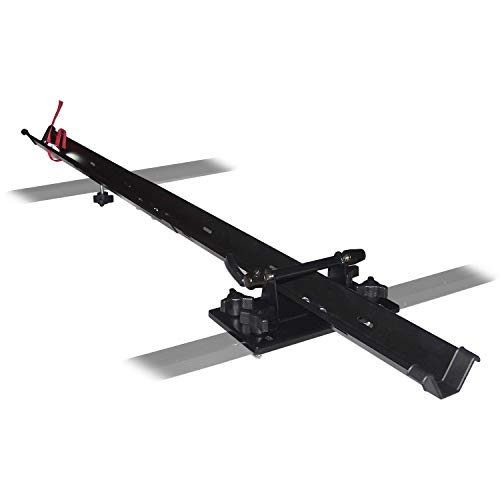
Fork-mount racks shift the load to the fork dropouts, which is the front axle area where the wheel usually comes off first. That gives you a compact rooftop profile and a very direct attachment style, especially for 9 mm quick-release bikes. Compared with the Yakima FrontLoader, this one makes more sense for riders who already remove the front wheel without hesitation.
The trade-off is compatibility, since the 9 mm quick-release focus narrows the match list. In a garage where one bike changes hands often, that limitation matters more than the tidy shape. For the right bike, though, the Swagman stays straightforward and sensible.
What We Like
- Compact fork-mount format keeps the bike low and neat.
- Clear fit for 9 mm quick-release setups.
- Simple rooftop footprint helps in tight parking spaces.
- Good match for riders who already handle wheel removal.
Worth Noting
- Fork-style mounting narrows compatibility.
- Front wheel removal adds one more step before departure.
- The exposed contact points deserve routine cleaning.
Feature Snapshot
Made For
You’re the right match if your bike already uses a 9 mm quick-release front end and you want a low-profile roof setup.
Another Choice May Suit
Yakima FrontLoader Rooftop Bike Rack fits broader day-to-day use more comfortably, especially for households that move between different bikes.
Suction-mounted carriers are the flexible option in this group, because they attach without permanent hardware and keep the setup tool-light. That can suit a sedan one week and an SUV the next, which is handy for mixed travel plans or borrowed vehicles. Compared with the fork-mount Swagman, the appeal here is portability rather than fixed-bike simplicity.
The anti-scratch pads and low-noise design point to a more careful contact profile, which helps in everyday use on painted surfaces. The trade-off is that suction systems ask for clean surfaces and close attention during setup, so they reward a patient routine. For road-trip riders and occasional carriers, that balance makes sense.
Best Bits
- Tool-free attachment keeps setup simple.
- Portable format works across different vehicles.
- Anti-scratch pads add a friendlier contact surface.
- Low-noise design suits longer highway drives.
Areas To Watch
- Suction systems depend on careful surface prep.
- Portable hardware needs regular inspection before trips.
- One-bike capacity limits group outings.
Technical Sheet
Who Should Grab It
You’re a strong match if you switch vehicles often and want a mount that travels with you instead of living on one car.
Where A Sibling Pick Shines
Yakima Forklift Fork Mount Bike Carrier suits you better when your roof bars stay on one vehicle and you want a more fixed mounting routine.
Upright carriers such as this Thule keep the bike centered on the roof without asking you to remove the front wheel. That makes the loading pattern feel cleaner than the suction styles in this list, especially for riders who prefer a more structured attachment point. For daily use, that kind of repeatable setup is worth a lot.
The main challenge is height, because any upright roof carrier asks for careful lifting and a steady arm. In a garage with low ceiling clearance or a taller vehicle, that can shape your experience more than the rack itself. For riders who value a tidy, predictable hold, the format is still compelling.
Highlights
- Upright design keeps wheel removal off the checklist.
- Works well for riders who like repeatable loading.
- Clean roof profile helps preserve rear access.
- Feels suited to routine transport rather than occasional use.
Small Caveats
- Overhead lifting can feel awkward on taller vehicles.
- Upright hardware benefits from periodic contact-point cleaning.
Core Details
The Right Fit
You’re well matched if you want a stable upright carrier and don’t mind lifting the bike onto the roof with care.
Reach For A Different Pick When
ROCKBROS Suction Cup Bike Rack suits more flexible vehicle sharing, while this Thule fits a more permanent rooftop routine.
This ROCKBROS option follows the same suction approach as the earlier model, but the shorter listing focus makes the setup story even more straightforward. You get a one-bike carrier with aluminium alloy construction, so it lands in the useful middle ground between temporary and committed roof hardware. For city errands or occasional race-day transport, that can feel just right.
The fit story stays tied to the vehicle surface and the care you give it during mounting. That’s the catch with any suction system, and it matters more on busy mornings than the product page would suggest. Compared with Thule UpRide, it asks for more hands-on attention and gives you more portability in return.
Plus Points
- Portable suction format keeps the setup vehicle-agnostic.
- Aluminium alloy construction supports a lighter carry.
- Anti-scratch pads make roof contact feel more considerate.
Points To Note
- Suction mounting benefits from careful placement every time.
- One-bike capacity is best for solo transport.
- Regular visual checks help keep the system tidy in storage.
At A Glance
Built With In Mind
You’re the right match if you move between vehicles, value portability, and only need space for one bike at a time.
Another Choice May Suit
Thule ProRide XT Roof Bike Rack makes more sense for riders who want a more structured upright carrier with a steadier daily rhythm.
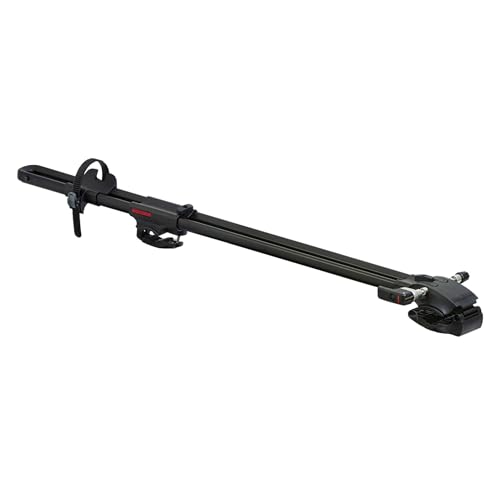
Yakima’s Forklift takes the fork-mount idea and makes it easier to slot into a mixed roof setup. It fits round, square, factory, and aerodynamic crossbars out of the box, which removes a common compatibility headache for households that swap vehicles or roof bars. Compared with the Swagman, this one is the more adaptable pick for bar shape.
That broad fit is the selling point, though the fork-mount format still asks you to handle front-wheel removal. For someone who already thinks in roof-bar and axle terms, that’s normal; for a casual weekend user, it can feel like one step too many. The honest read is that the bar compatibility is the real luxury here.
Bright Spots
- Fits several common crossbar shapes without extra fuss.
- Fork-mount format keeps the bike low on the roof.
- Useful for homes with more than one vehicle.
Room For Improvement
- Fork setup still depends on wheel removal.
- Roof hardware benefits from periodic tightening checks.
Details At A Glance
Who It Belongs On
You’re a good match if your roof bars vary from car to car and you want a fork carrier that adapts without extra adapters.
Skip It When
Thule UpRide Roof Bike Rack suits you better when you’d rather avoid front-wheel removal and prefer a more upright loading pattern.
This Yakima leans into modern-bike fit better than most of the list, thanks to its 52-inch wheelbase support. That matters for longer bikes, because wheelbase length shapes whether a rooftop carrier feels tailored or merely workable. Compared with the older Forklift, it speaks more naturally to current mountain and hybrid setups.
Wheelbase coverage is the headline, but the upright format still asks you to lift carefully and line things up on the roof. For riders with larger frames or bikes that run long between axles, that extra room can make a real difference. It’s a serious fit-first option, not a casual one.
Reasons To Buy
- Supports wheelbases up to 52 inches.
- Upright design keeps roof loading clean and direct.
- Matches longer modern bike geometry well.
- Works for regular transport without feeling improvised.
Softer Spots
- Taller roof lifts still need a careful hand.
- Fit is strongest for bikes that use longer geometry.
- Hardware benefits from routine inspection before long drives.
Feature Rundown
Who Will Love This
You’re the best match if your bike runs long in the wheelbase and you want a rooftop carrier that feels built around that shape.
Look Elsewhere When
Yakima FrontLoader Rooftop Bike Rack suits more general everyday use better, especially for households that need a broader all-around setup.
Thule closes the list with another upright carrier, and this one feels tuned for riders who want a steady, no-fuss rooftop routine. It sits in the same general lane as the UpRide, though the ProRide XT presents itself as the more balanced all-round call for frequent transport. For commuters and weekend riders, that balance often matters more than a niche feature.
The trade-off is the usual upright-rack one, namely the need to lift the bike overhead with care. That becomes more noticeable on taller vehicles or after a long ride, when arms are already tired. Still, for regular use, the form factor is clean and direct.
Best Bits
- Upright carrier format keeps the process simple.
- Well suited to repeated rooftop transport.
- Feels orderly in daily parking and loading routines.
- Pairs well with riders who value structure over novelty.
Honest Caveats
- Roof height can make loading feel strenuous.
- The moving contact areas deserve routine cleaning.
- It’s more of a daily-use tool than a casual spare.
Core Details
Best Suited To
You’re the right match if you move bikes often, prefer an upright roof carrier, and want a polished day-to-day routine.
Swap It Out When
ROCKBROS Suction Cup Bike Rack makes more sense for mixed-vehicle travel, while this Thule suits a more fixed roof setup.
How To Choose The Right Bike Roof Mounts
Match The Mount To Your Bike
Roof carriers split into upright, fork, and suction styles, and that choice changes the whole experience. Upright racks keep the wheels on, fork mounts ask for front-wheel removal, and suction systems trade permanence for portability. A commuter with one main bike usually wants simplicity, while a multi-bike garage benefits from a style that handles more than one frame shape.
Wheelbase, axle style, and wheel clearance matter just as much as the headline rack type. The Yakima Highroad makes sense for longer bikes because of its 52-inch wheelbase support, while the Swagman is clearly aimed at 9 mm quick-release bikes. That kind of fit check saves you from a rooftop setup that looks right but works poorly.
Check The Roof System First
Your crossbars are the anchor point, so their shape and spacing deserve attention before you think about anything else. The Yakima Forklift stands out here because it fits round, square, factory, and aerodynamic bars without extra fuss. That makes it easier for households that swap vehicles or already have a roof setup in place.
Suction racks sit in a different category, since they depend more on clean surfaces and careful placement than on fixed bar hardware. That can be useful for road trips or borrowed cars, but it also asks for more attention every time you load up. The practical question is whether you want a mounted tool or a portable system.
Think About Loading Height And Routine
High rooflines change the experience fast. Upright carriers like the Thule UpRide and Thule ProRide XT feel orderly, but they still require a steady lift, and that’s more noticeable on taller SUVs. For frequent solo loading, a smooth process matters as much as the rack’s basic holding style.
Cleaning and inspection also shape ownership. Moving parts, suction pads, and roof contact points collect grime, and a few minutes of routine care helps keep the setup consistent. That’s not glamorous, but it’s the difference between a rack that feels ready and one that turns into a chore.
Things Worth Knowing First
Hidden Buying Traps
The most common mistake is buying by brand name alone and skipping the bike fit details. Fork mounts and upright mounts solve different problems, so the wrong style can create more work than it saves. A second slip-up is ignoring roof-bar compatibility, especially on vehicles that switch between factory and aftermarket setups.
Surface care also gets overlooked with suction models. Dust, road film, and hurried placement can affect confidence, so those mounts reward a clean roof and a patient routine. That’s a good trade for travelers, but less convenient for someone who wants to mount and go every morning.
The Upgrade Payoff
Higher-tier racks usually cost more because the materials, fit range, and adjustability are more refined. You’re paying for easier loading, better roof-bar compatibility, and a shape that feels composed after years of repeated use. In this category, the extra spend often shows up as less hassle rather than flashy extras.
That upgrade is worth it for frequent riders, taller vehicles, and anyone moving expensive bikes on a regular schedule. A sturdier upright rack or a more adaptable crossbar fit can save time every week. For occasional use on a single car, a simpler mount often makes more sense.
Frequently Asked Questions
What type of roof mount works best for a quick release bike?
A fork mount is the cleanest match for a 9 mm quick-release bike, because it connects directly to that front-end setup. The Swagman Standard Fork Mount Roof Bike Rack is built around that style.
Do suction bike racks work well for travel?
Suction racks suit travel because they are portable and do not depend on a permanent roof-bar system. The trade-off is that they ask for careful placement and a clean mounting surface.
Are upright roof racks easier than fork mounts?
Upright racks usually feel easier because you keep the front wheel on and skip wheel removal. Fork mounts are more compact, but they add an extra prep step.
What matters most for tall vehicles?
Roof height and lift comfort matter most, because every rooftop carrier asks for overhead handling. Upright options are tidy, but they can feel more demanding on taller SUVs.
Can one roof mount fit different bikes well?
Some do, but fit depends on wheelbase, axle style, and bar compatibility. The Yakima Highroad and Yakima Forklift stand out for specific fit advantages, while suction styles suit more flexible vehicle use.