
You want a helmet that feels steady on the road, stays comfortable on longer rides, and fits the way you actually train. For triathlon training, that usually means a mix of secure fit, good airflow, and details that help with commuting, daylight rides, or early starts.
The eight options below lean in different directions, from visor-equipped everyday helmets to road-focused picks with more refined impact tech. That makes it easier to match your routine, whether you ride to the pool, log base miles before work, or want extra visibility in traffic.
Quick Look At The Shortlist

Odoland Adult Bike Helmet with Cycling Sunglasses Set

Odoland Adult Bike Helmet with Magnetic Sun Visor
Odoland Adult Bike Helmet with Magnetic Sun Visor

Bell Revolution MIPS Bike Helmet
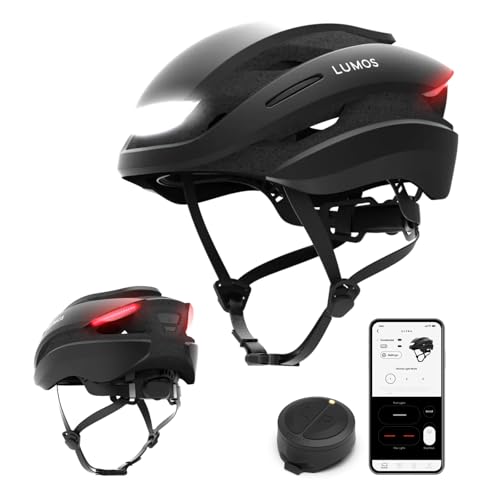
Lumos Ultra Bike Helmet TÜV 360˚ Visibility LED Lights

SMITH Persist MIPS Road Cycling Helmet

tadpole Bike Helmet with Light & Goggles

AISSTXOER Bike Helmet for Adult Men Women with Multi-Mode Rear LED Light
More Details On Our Top Picks
Pairing a helmet with cycling sunglasses in one kit makes this Odoland set easy to picture for someone who rides straight from home to work or school. The adjustable dial is the practical part here, since a snug fit matters more on a long city ride than on a short loop around the block.
Compared with the visor-based Odoland options below, this one leans toward a simpler, more straightforward setup. The trade-off is that you are relying on separate sunglass coverage rather than an integrated shield, which suits riders who already like their own eyewear.
Strong Points
- Helmet and eyewear are bundled together, which keeps your setup lighter on planning.
- The adjustable dial helps you fine-tune fit for different head shapes.
- Works across mountain, road, urban, and skating use, so it stays flexible for mixed routines.
- UV protection in the glasses adds useful daytime comfort for open-road riding.
Small Caveats
- The sunglass-style approach may feel less seamless than a built-in visor.
- You may need a little time to sort helmet and eyewear positioning together.
- Cleaning and storage are easier than a tech-heavy helmet, but the separate pieces still need care.
Feature Card
Who It Suits Best
You fit this one best when you want a simple, versatile helmet and already like separate eyewear on the road.
A Better Fit Elsewhere
Lumos Ultra Bike Helmet TÜV 360˚ Visibility LED Lights suits commuters who want built-in lighting and turn signals for traffic-heavy routes.
A magnetic visor changes the feel of a ride fast, especially for someone who toggles between open roads and shaded streets. This Odoland model also calls out a glasses-friendly layout, which makes life easier for commuters who do not want to juggle frames under a helmet edge.
Compared with Item 1, you get a more integrated face-shield approach, and that’s the cleaner option for riders who dislike separate sunglasses. The honest trade-off is that a visor can feel like one more part to keep clean and aligned, so it suits riders who are fine with a little upkeep.
What We Like
- Magnetic sun visor gives you quick coverage without extra eyewear.
- Glasses-friendly design helps you avoid pressure points at the temples.
- Adjustable dial supports a more secure day-to-day fit.
- Good match for commuting, road riding, and e-bike use.
Things To Consider
- The visor adds a moving part that may need occasional cleaning.
- Some riders prefer separate sunglasses for swapping between helmets.
- For very sporty triathlon-style riding, a lighter road-first feel may matter more.
At A Glance
Who Will Love This
You fit this one best when your rides mix sun, traffic, and regular glasses use.
Another Choice May Suit
SMITH Persist MIPS Road Cycling Helmet suits you better when road training and airflow matter more than visor convenience.
This second Odoland visor model lands in the same practical lane as Item 2, so your decision here comes down to the listing details and the exact fit you prefer. In a triathlon training routine, that kind of setup can be handy for riders who want one helmet they can keep in rotation for weekday spin sessions and weekend errands.
The value angle is stronger than flashy, and that’s fine for most mixed-use cyclists. Just keep in mind that the visor format still carries the same upkeep reality as any hinged accessory, especially after dusty commutes or wet weather.
Positives
- Magnetic visor keeps daytime glare management simple.
- Glasses-friendly shape works well for habitual eyewear users.
- Dial fit adjustment gives you a more tailored feel.
- Urban and road use support a broad training routine.
Areas To Watch
- The visor needs the same cleaning attention as Item 2.
- Riders seeking a stripped-down road helmet may lean toward Bell Revolution MIPS instead.
Details At A Glance
Built With In Mind
You fit this pick best when you want a visor helmet and do not want to overpay for extra styling.
Where A Sibling Pick Shines
Odoland Adult Bike Helmet with Cycling Sunglasses Set suits you better if you prefer separate glasses over a visor in hot weather.
Bell keeps this one clean and direct, which is exactly why a road-focused rider may gravitate toward it. MIPS, short for Multi-directional Impact Protection System, is built to let the helmet move a little relative to your head during certain angled impacts, and that matters for riders who spend time at speed on open roads.
Compared with the Odoland helmets, this Bell leans away from visor extras and toward a more traditional cycling setup. The trade-off is fewer convenience features, but that cleaner profile fits triathlon training better for riders who want less clutter and more road feel.
Highlights
- MIPS adds a more technical protection layer than the simpler commuter lids above.
- The cleaner road-bike profile suits training rides and fitness miles.
- Fewer add-ons usually mean less to clean and store.
- Good fit choice for riders who prefer a no-frills helmet shape.
Worth Noting
- You do not get visor convenience or built-in lighting here.
- The stripped-back style may feel less useful for stop-and-go commuting.
- Some riders will want the more visible setup of Lumos Ultra instead.
Core Details
Right Fit For
You fit this helmet best when your training rides lean road-focused and you want a simpler shell with less fuss.
Look Elsewhere When
Lumos Ultra Bike Helmet TÜV 360˚ Visibility LED Lights suits you better if your route includes heavy traffic and frequent low-light starts.
Traffic commuters will notice the point of this helmet right away, because the front and rear LED layout is built around being seen from more angles. The turn-signal feature makes it more involved than the Bell Revolution MIPS, but that extra layer of visibility can suit dawn rides, dark exits, and busier streets.
The Sync compatibility also hints at a more connected setup, which is useful for riders who like their gear to feel coordinated. The catch is that any lighting system adds charging and maintenance to your routine, so this is better for someone who does not mind keeping one more device ready to go.
Best Bits
- Front and rear lights support visibility from multiple directions.
- Turn signals add a clear commuting advantage in traffic.
- Works well for day and night riding, not just after dark.
- Sync compatibility gives the helmet a more connected feel.
- Useful for riders who split time between road training and urban travel.
Room For Improvement
- Lighting means charging and routine upkeep become part of ownership.
- The tech-forward layout may feel like too much for riders who want a plain shell.
- Light systems add another point to keep clean after wet rides.
Feature Rundown
Who Should Grab It
You fit this helmet best when your rides cross through traffic and low-light streets often enough to make lighting a real priority.
Swap It Out When
SMITH Persist MIPS Road Cycling Helmet is the better fit for riders who want a more traditional road setup with less electronics to manage.
This SMITH helmet reads like the most road-serious choice in the group, and the feature list backs that up. Mips handles rotational movement, while Koroyd is a shock-absorbing material made from crumpled tube structures, so the helmet is aimed at riders who care about a more technical build for longer training rides.
AirEvac ventilation also matters in real use, because heat build-up can make a summer tempo session miserable fast. Compared with the Lumos model, this one skips electronics and puts more focus on fit and airflow, which is why it suits focused road sessions better than stop-and-go commuting.
Upsides
- Mips and Koroyd give it a more advanced protection stack.
- AirEvac ventilation supports cooler-feeling rides on harder training days.
- Adjustable fit helps you settle the helmet before a longer session.
- Road-cycling focus makes it a natural match for triathlon prep.
Honest Caveats
- Road-first design gives up the visor and lighting extras some commuters like.
- More technical features usually bring a higher level of upkeep expectation.
- Riders who want a simple daily helmet may prefer Bell Revolution MIPS.
Technical Sheet
Made For
You fit this one best when your riding revolves around road miles, base work, and a cleaner triathlon training setup.
Where A Sibling Pick Shines
Lumos Ultra Bike Helmet TÜV 360˚ Visibility LED Lights suits you better when visibility matters more than a pure road focus.
This tadpole helmet looks aimed at riders who like practical extras without turning their kit bag into a project. The removable visor gives you some flexibility, and the included light plus goggles make it feel useful for city commuting, weekend rides, and mixed terrain outings.
Compared with the Lumos helmet, the lighting approach appears more basic, but the whole package may suit you better if you want fewer moving parts. One thing worth considering is storage, because a helmet with accessories is a little less tidy than a plain shell after a wet ride.
Positives
- Included light and goggles give you a ready-to-ride bundle.
- Removable visor adds flexibility for changing conditions.
- Lightweight feel is a plus for daily commuting.
- Adjustable dial supports a more secure fit for mixed users.
Points To Note
- Accessory pieces mean a little more to store and keep track of.
- The feature set is simpler than Lumos Ultra’s lighting system.
- Road-only riders may want a cleaner, more stripped-back helmet.
Feature Snapshot
Whose Shelf It Belongs On
You fit this one best when you want a versatile commuter helmet that does a bit of everything without looking overly technical.
Reach For A Different Pick When
Bell Revolution MIPS Bike Helmet suits you better if you want a cleaner road helmet with fewer accessory pieces.
The AISSTXOER helmet keeps the formula simple: rear lighting, a broad fit range of 56 to 62 cm, and an adjustable dial with side and chin straps. That makes it the easiest kind of pick to place in a routine, especially for riders who want a straightforward shell for short training spins or urban use.
Compared with the more feature-heavy Lumos and SMITH options, this one is plainly less complex and likely easier to live with. The trade-off is that you give up advanced lighting and technical protection extras, but for casual rides or a second helmet, that restraint can be exactly right.
Highlights
- Multi-mode rear LED light adds practical visibility from behind.
- 56 to 62 cm suggested fit covers a broad adult range.
- Lightweight build should feel easy on shorter rides.
- Adjustable dial plus chin and side straps help with stability.
Minor Gripes
- The feature set is lean compared with the higher-end picks above.
- You get less road-tech flair than SMITH Persist MIPS.
- The shiny carbon-black surface may show scuffs more readily than matte finishes.
Core Details
The Right Fit
You fit this helmet best when you want a clean, uncomplicated helmet for everyday riding and local routes.
Skip It When
Lumos Ultra Bike Helmet TÜV 360˚ Visibility LED Lights is the better fit for you when lighting and turn signals matter more than simplicity.
How To Choose The Right Bike Helmets For Triathlon
Fit Comes Before Flash
For triathlon training, the helmet that stays still usually matters more than the helmet with the most extras. A good dial-adjust fit, stable chin straps, and a shell that matches your head shape help you forget about the helmet while you focus on the ride.
On longer sessions, tiny pressure points become annoying fast, especially around the temples or back of the head. That’s why riders who train several times a week often prefer a cleaner road fit over a bulky commuter setup.
Ventilation Matters On Real Rides
Airflow can make or break a hard effort in warm weather. Helmets like the SMITH Persist MIPS, with AirEvac ventilation, speak to riders who spend real time at tempo pace and want less heat pooling above the forehead.
Commuter-friendly helmets can still work, but extra visors, lighting, and add-ons can add weight or complexity. For training rides where speed and comfort matter most, a simpler shell usually feels more natural.
Choose Features That Match Your Route
Traffic-heavy routes point you toward visibility features, especially rear lighting and turn signals. Lumos Ultra fits that need far better than a plain road lid, while the AISSTXOER model gives you a simpler rear-light setup for shorter rides.
Open-road training leans the other way, where a cleaner shell and fewer accessories are easier to live with. Bell Revolution MIPS and SMITH Persist MIPS make more sense there, because they keep the focus on road cycling rather than commute gear.
Think About Daily Ownership
Accessories change maintenance. Visors need wiping, lights need charging, and extra parts need storage space, so a busy week can make a feature-packed helmet feel less convenient than expected.
That does not make those helmets a bad choice, it just means the right pick depends on your routine. Riders who want the least fuss often end up happiest with a simpler model like Bell or SMITH, while commuters may welcome the added hardware.
Things Worth Knowing First
Hidden Buying Traps
Shoppers often focus on add-ons and forget the basics: fit, weight, and how the helmet feels after 30 minutes on the road. A visor or light sounds useful, but a poor fit will annoy you far more than a missing feature.
Another common mistake is choosing a helmet built mainly for commuting when your goal is training mileage. A cleaner road-focused shape usually works better for steady rides and repeated workouts.
The Upgrade Payoff
Higher-tier helmets tend to cost more because they stack better materials, more refined fit systems, and sometimes advanced impact tech such as MIPS or Koroyd. You also pay for more specific design work, like better ventilation channels or integrated lighting systems.
That upgrade is worth it when you ride often, spend long hours in the saddle, or deal with traffic and changing light. If your rides are short and casual, a simpler helmet can still cover your needs without adding complexity.
Frequently Asked Questions
What makes a bike helmet a better fit for triathlon training?
You want a helmet that sits securely, vents well, and stays comfortable over longer rides. A road-first shape usually suits training better than a bulky commuter style.
Do you need MIPS for triathlon use?
MIPS is a useful feature, especially for riders who train on open roads. It is not the only thing that matters, but it can be a sensible upgrade for frequent riders.
Are visor helmets good for everyday training?
Visor helmets work well for mixed commuting and daytime riding. For pure road sessions, some riders still prefer a simpler shell with fewer moving parts.
How important is ventilation?
Very important for longer rides and warmer days. Good airflow helps the helmet feel less stuffy during steady efforts.
Should you choose lights or a cleaner shell?
Choose lights when you ride in traffic or at dawn and dusk. Choose a cleaner shell when road feel, lower fuss, and lighter ownership matter more.
Closing Thoughts
The right Bike Helmets For Triathlon choice depends on how you actually ride, not on the longest feature list. For daily commuting, Lumos Ultra and the visor-equipped Odoland models make a lot of sense, while Bell and SMITH suit riders who want a road-first feel. If you want the simplest answer, start with fit, then look at airflow, then decide whether lights or a visor earn their place in your routine. That order keeps your pick practical, and practical helmets tend to get used more.