
Riding with heart-rate data helps you pace climbs, steady recovery days, and keep indoor sessions from turning into guesswork. You’re looking at a mix of chest straps, an armband option, and a couple of bike computers here, so the right fit depends on how you train and how much on-bike detail you want. Some choices stay stripped back and focused, while others bring more features to the cockpit. The list below keeps that split clear so you can match the device to your routine.
Quick Look At The Shortlist

Wahoo TRACKR Heart Rate Monitor

COOSPO HW9 Bluetooth 5.0 ANT+ Heart Rate Monitor Armband

Garmin Edge® 1050 Premium Cycling Computer

EZON Heart Rate Monitor and Chest Strap T007

CYCPLUS Heart Rate Monitor Chest Strap H2Pro

iGPSPORT HR50 Cycling Sensor Chest Strap
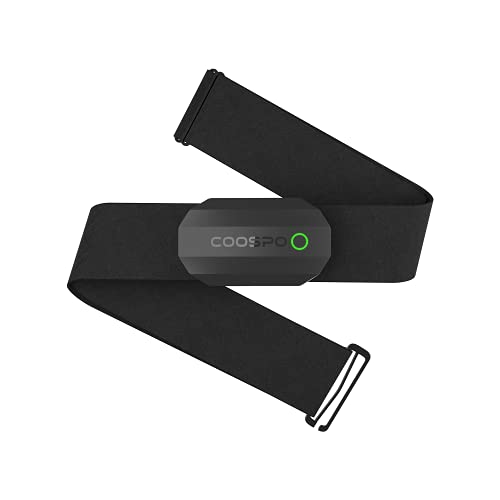
COOSPO Bluetooth Heart Rate Monitor Chest Strap H808S
More Details On Our Top Picks
The Wahoo TRACKR fits riders who want a straightforward sensor that stays out of the way. Compared with the armband-style COOSPO HW9, this setup leans more into the classic chest-strap approach, which many cyclists prefer for steady tracking during harder efforts.
That makes sense for indoor intervals, weekend rides, and daily spin sessions where you want the data without extra clutter. The honest read is that it’s more about dependable basics than flashy extras, so riders who value simplicity tend to get the most from it.
What We Like
- Chest-strap design keeps the sensor close to the body for a secure fit during pedaling.
- Simple setup works well for riders who want less fuss before a ride starts.
- Good match for indoor trainers, group rides, and steady outdoor efforts.
- Compact format is easy to stash in a gear drawer or gym bag.
Things To Consider
- Chest straps take a little more adjusting than wrist-worn or arm-worn options.
- Riders who dislike anything across the torso may prefer the COOSPO HW9 instead.
Feature Snapshot
Who It Suits Best
You’re a good match for this pick if you want a low-drama monitor for regular cycling sessions and basic training structure.
Where A Sibling Pick Shines
COOSPO HW9 Bluetooth 5.0 ANT+ Heart Rate Monitor Armband suits you better for workouts where arm comfort matters more than a chest strap.
An armband changes the feel of training right away, and that’s the appeal here. The COOSPO HW9 is a better match than the Wahoo TRACKR for riders who dislike chest pressure, especially on longer sessions where comfort starts to matter more than tradition.
Its optical sensor, meaning it reads heart rate from light-based detection rather than chest contact, suits mixed routines that move between cycling, running, and gym work. You may find it less fussy to wear than a strap, though the trade-off is that some cyclists still prefer chest-mounted data placement for hard intervals.
Highlights
- Armband format feels less restrictive than a chest strap for many training sessions.
- Bluetooth 5.0 and ANT+ support make it easier to pair with compatible gear.
- Optical sensing supports cross-training days without changing devices.
- Useful for rides, runs, and indoor classes where comfort stays important.
Worth Noting
- Armband fit still needs to be snug, or the reading can feel less settled.
- Riders focused on chest-based monitoring may lean back to the Wahoo TRACKR.
At A Glance
Who Will Love This
You’ll get the most from this pick if you want one monitor that moves easily between indoor rides, runs, and general fitness work.
Look Elsewhere When
Wahoo TRACKR Heart Rate Monitor suits you better for a more traditional chest-strap feel during steady cycling sessions.
This is the cockpit-heavy choice in the group, and it belongs on bikes where you want more than a simple heart-rate readout. Compared with the Wahoo TRACKR and COOSPO HW9, the Garmin Edge® 1050 shifts the focus to a large touchscreen, cycling metrics, and ride management rather than just the sensor itself.
That makes it a strong fit for long rides, group outings, and structured training days where on-screen information matters. The built-in speaker and Road Hazard Alerts add another layer of ride awareness, though the extra capability also means more setup and more menu depth than a basic monitor.
Reasons To Buy
- Large touchscreen makes route and metric viewing easier at a glance.
- Advanced cycling metrics suit riders who track more than heart rate alone.
- Built-in speaker adds audible prompts during busy rides.
- Garmin Coach and Groupride features support structured and social riding.
- Road Hazard Alerts help you stay alert on unfamiliar roads.
Areas To Watch
- More features usually mean a steeper learning curve than a basic strap.
- Riders who only want heart-rate tracking may find the extra cockpit detail unnecessary.
Core Details
Built With In Mind
You’re the best fit for this computer if you want a more advanced bike setup and already care about route data, coaching prompts, and ride awareness.
Skip It When
Wahoo TRACKR Heart Rate Monitor makes more sense for a rider who wants a simpler, lighter piece of kit without the extra screen-driven complexity.
EZON takes a different route from the more bike-specific choices above, because you’re getting a sports watch paired with a chest strap. That combination can work well for riders who also want basic workout timing, especially if you like one device handling several simple jobs.
The waterproof build, stopwatch, and hourly chime make it feel more like an everyday training tool than a polished cycling computer. The trade-off is clear, though, since you give up the richer ride features found on the Garmin Edge® 1050 and the cleaner training focus of the Wahoo TRACKR.
Upsides
- Watch-and-strap setup covers both heart-rate tracking and basic timing.
- Waterproof construction suits sweaty gym days and damp outdoor sessions.
- Stopwatch function helps with intervals and simple workout blocks.
- Hourly chime is handy for time-aware routines and daily use.
Small Caveats
- Not as bike-focused as the dedicated cycling options in this list.
- Owners who want richer ride metrics may prefer the Garmin Edge® 1050.
- The strap still needs regular cleaning after sweaty sessions.
Details At A Glance
Right Fit For
You suit this pick best if you want a simple training watch with heart-rate support and don’t need a full cycling dashboard.
A Better Fit Elsewhere
CYCPLUS Heart Rate Monitor Chest Strap H2Pro is the stronger match for riders who care more about battery endurance and cycling-focused strap use.
The H2Pro leans hard into endurance and consistency, which matters a lot for riders who train often. Compared with the simpler COOSPO H808S, this model adds an ECG algorithm, meaning it uses the heart’s electrical activity pattern as part of its tracking approach, plus a battery claim that stands out for long blocks between charges.
That makes it appealing for people who stack rides across the week and don’t want another device begging for attention. IPX7 protection, meaning it’s built for short-term water exposure, also gives it a practical edge for sweaty sessions and wet roads, though you still need to keep the strap clean and dry after use.
Bright Spots
- Bluetooth and ANT+ support make pairing more flexible.
- ECG-based algorithm gives it a more technical tracking profile.
- 500-hour battery claim suits riders who dislike frequent charging.
- IPX7 rating helps it handle sweat and rainy-session use.
- Compatibility with Strava and CYCPLUS Fit helps with app-based training setups.
Room For Improvement
- More technical wording on the listing may feel a little busy at first.
- Riders who want a lighter feature set may prefer the COOSPO H808S.
Feature Card
The Right Fit
You’re the right match for this strap if you train often and want long-running battery performance with broader connectivity.
Another Choice May Suit
EZON Heart Rate Monitor and Chest Strap T007 is better suited to someone who wants a watch-style package with stopwatch features built in.
The HR50 sits in the middle of the road in a useful way, especially for riders who also run, jog, or do yoga. Compared with the more cycling-centered Wahoo TRACKR and the more feature-heavy CYCPLUS H2Pro, this one feels built to stay flexible without becoming cluttered.
Bluetooth and ANT+ support keep it compatible with a wide range of setups, and IPX7 adds practical protection for sweat-heavy sessions. For many training routines, that combination is enough, though someone chasing deeper ride data will probably still lean toward the Garmin Edge® 1050.
Best Bits
- Cross-training support suits cycling, running, jogging, and yoga.
- Bluetooth and ANT+ widen pairing options.
- Chest-strap design stays aligned with traditional training habits.
- IPX7 protection helps with sweat and damp outdoor use.
Points To Note
- It’s a sensor-first pick, so it doesn’t add ride-mapping extras.
- Training-focused cyclists may want more cockpit detail than this provides.
Spec Overview
Whose Shelf It Belongs On
You’ll likely appreciate this one most if your week includes more than cycling and you want a single chest strap for several activity types.
Where Shoppers Go Wrong
Garmin Edge® 1050 makes more sense for riders who expect a full-screen computer with richer ride tools.
The H808S is the kind of strap many riders can set and forget. Compared with the newer CYCPLUS H2Pro, it trades the extra technical flair for a simpler, familiar setup that suits routine training and indoor work just fine.
ANT+ and BLE, or Bluetooth Low Energy, give it broad compatibility without turning the product into a complicated gadget. The IP67 rating and 300-hour battery claim add practical value for sweaty sessions and regular use, though riders who want the longest battery stretch in this roundup may still lean toward the H2Pro.
Standout Traits
- Bluetooth, ANT+, and BLE support give it broad connection flexibility.
- Chest strap placement is familiar for cyclists and gym regulars.
- IP67 protection helps with everyday sweat and splash exposure.
- 300-hour battery claim keeps charging chores light for regular training.
Softer Spots
- It’s a straightforward strap, so it won’t add training-cockpit extras.
- Riders wanting the longest claimed battery life may prefer the CYCPLUS H2Pro.
Core Details
Who Should Grab It
You’re in the sweet spot for this strap if you want a dependable training monitor for rides, treadmill work, and general gym sessions.
Swap It Out When
COOSPO HW9 Bluetooth 5.0 ANT+ Heart Rate Monitor Armband is the better choice for you if chest straps never feel comfortable.
How To Choose The Right Bike Heart Rate Monitors
Match The Sensor To Your Ride Style
Chest straps still make the most sense for riders who care about steady contact and a familiar training feel. That’s why picks like the Wahoo TRACKR, CYCPLUS H2Pro, and COOSPO H808S lean into a low-profile shape that stays close during hard efforts.
Armbands can feel easier to live with on mixed workout days. The COOSPO HW9 suits you better than a strap if you split time between cycling and other fitness sessions, because it stays out of the chest area and wears more like a light training accessory.
Check Compatibility Before Anything Else
Bluetooth and ANT+ matter because they decide what you can pair with your current setup. ANT+ is a common cycling wireless standard, while Bluetooth and BLE widen the path to phones, watches, and some indoor trainers, so you want the device to match the ecosystem already on your bike or in your gym bag.
The Garmin Edge® 1050 sits in a different lane because it’s a cycling computer, not just a heart-rate monitor. That’s useful for riders who want training data on the bar mount, but it can be more machine than some cyclists need for simple zone work.
Decide How Much Detail You Actually Want
A basic monitor works well for steady rides, recovery spins, and beginner training plans. More feature-heavy options, such as the Garmin Edge® 1050 and CYCPLUS H2Pro, pay off when you want longer battery claims, richer ride prompts, or deeper training context.
The honest question is whether you want heart-rate data alone or a fuller training picture. Riders who just want to keep effort in check can stay simple, while data-focused cyclists usually get more value from the added information layer.
A Quick Reality Check
Hidden Buying Traps
Many shoppers overbuy features they won’t use, especially on a first monitor. A big screen or long list of ride tools can look appealing, but a stripped-back strap often fits everyday cycling better and costs less attention during setup.
Another common miss is ignoring comfort. Chest straps work well for plenty of riders, yet they can feel distracting on long indoor sessions, which is exactly where the COOSPO HW9 armband can feel like the calmer choice.
The Upgrade Payoff
Higher-tier models usually cost more because they bundle more than heart-rate sensing. You’re paying for larger displays, route tools, coaching support, audio prompts, broader data layers, and extras that make sense on long rides or frequent training weeks.
That upgrade makes the most sense for riders who train regularly and want one device to manage more of the ride experience. If your routine stays simple, a focused strap such as the Wahoo TRACKR or COOSPO H808S usually feels easier to live with.
Frequently Asked Questions
Do Bike Heart Rate Monitors Need A Chest Strap?
No, they don’t, because armband options like the COOSPO HW9 use optical sensing instead. Chest straps still remain a strong choice for riders who want a familiar fit during cycling.
Are Bluetooth And ANT+ Both Useful?
Yes, because they help your monitor work with more devices and apps. If your setup mixes a bike computer, phone, and training app, broader wireless support gives you more flexibility.
Is A Cycling Computer The Same Thing As A Heart Rate Monitor?
No, a cycling computer like the Garmin Edge® 1050 handles more ride data than a monitor alone. It can still work alongside heart-rate tracking, but it’s built for a wider cockpit role.
Which Option Is Easiest To Keep Using Regularly?
The simplest strap is often the easiest to stick with, because there’s less setup and less to learn. The COOSPO H808S and Wahoo TRACKR suit that pattern well.
What Should You Prioritize First?
Comfort comes first, then compatibility, then the amount of data you actually want to see. A monitor that fits well and pairs cleanly usually gets used more often than a feature-heavy one that feels awkward.
Final Thoughts
Your best match depends on how much structure you want from each ride. The Wahoo TRACKR and COOSPO H808S keep things simple, the COOSPO HW9 makes sense for more comfortable cross-training, and the Garmin Edge® 1050 serves riders who want a fuller cockpit. CYCPLUS H2Pro stands out for long battery claims, while the iGPSPORT HR50 covers a wider mix of activities. Pick the one that fits how you actually train, not just the longest feature list, and your rides will feel easier to manage.