
Choosing bike handlebars is mostly about fit, control, and the way you actually ride. A commuter, cruiser rider, triathlete, or mountain biker needs a different shape, width, and hand position, and the wrong bar can make a daily route feel clumsy fast. This roundup keeps the focus on real use, not gimmicks. You’ll find sturdy steel options, lighter aluminum choices, aggressive aero extensions, and a few comfort-minded shapes for relaxed rides.
Seven Handlebars Worth A Close Look

Sunlite MTB/City Steel Handlebars

Profile Design Legacy II Aerobars

Sunlite D-Cruiser Bars
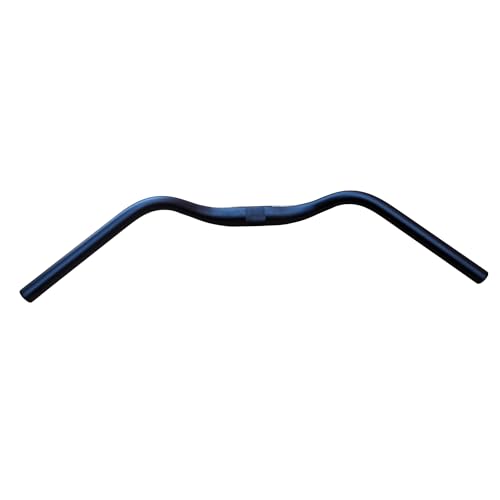
UPANBIKE Urban Road Retro Handlebar 31.8mm

FIFTY-FIFTY Mountain Bike Riser Handlebar


Wald 8069 Hi-Rise Chopper Bike Handlebar
More Details On Our Top Picks
The steel build and 25.4 mm clamp size point this bar toward straightforward replacement work, especially on older city bikes or simple mountain setups. The 27.5-inch width and 3.5-inch rise give you a familiar, upright stance without feeling overly stretched.
That makes it a sensible match for commuting, casual trail riding, or a budget-minded refresh after a bent original bar. The painted finish keeps the look clean, although steel usually brings a bit more weight than aluminum and that trade-off is easy to accept on a utility bike.
Strong Points
- Steel construction suits daily use and basic abuse better than many thin, fashion-first bars.
- 27.5-inch width gives you a stable, familiar steering feel for neighborhood and city riding.
- 3.5-inch rise supports a more upright posture, which helps on shorter rides and stop-and-go commutes.
- Simple painted finish looks tidy on plain builds and is easy to match with common parts.
Things To Consider
- Steel usually adds weight, so you may notice it more on a bike you carry up stairs.
- The 25.4 mm clamp size needs to match your stem, or the fit won’t work.
- Its shape is plain, so it’s less appealing for riders who want multiple hand positions.
Feature Snapshot
Who Should Grab It
You’re the best fit for this one if you want a straightforward steel bar for commuting, city errands, or a basic trail bike with a simple setup.
Where A Sibling Pick Shines
FIFTY-FIFTY Mountain Bike Riser Handlebar makes more sense for riders who want a lighter aluminum bar with a broader 780 mm stance for harder off-road control.
These aluminum extensions are built for time-trial and triathlon positions, where the goal is to settle into a narrow, forward lean. Adjustable armrests matter here, because they help you tune forearm support instead of forcing a single posture that may feel awkward after a long stretch.
The trade-off is clear: this is a specialized cockpit part, not a relaxed all-purpose bar like the Sunlite options. Riders with race bikes or fit-focused endurance setups get the most from it, especially when they want a steadier platform than a bare clip-on rest can provide.
What We Like
- Aluminum construction keeps the profile purposeful without adding unnecessary bulk.
- Adjustable armrests help you fine-tune forearm support for longer efforts.
- Designed for triathlon and time-trial use, so the shape matches a very specific riding goal.
- Black finish blends cleanly with many race-oriented builds.
Worth Noting
- These are more specialized than a standard flat or riser bar, so general commuters may find them too focused.
- Fit matters a lot, and cockpit setup can take some patience on a new build.
- The one-size approach limits tailoring compared with a full custom cockpit.
Core Details
Built With In Mind
You fit this pick best if you race triathlon or time trials and want a more locked-in aero position than a general-purpose handlebar can give you.
Another Choice May Suit
Sunlite MTB/City Steel Handlebars is the better everyday match for upright commuting and casual rides where simplicity matters more than aerodynamics.
Cruiser riders tend to care more about posture than speed, and this bar leans into that perfectly. The heavy-duty steel build gives it a sturdy feel for neighborhood loops, beach cruisers, or any upright bike that needs a dependable replacement.
Compared with the straighter Sunlite MTB/City option, the D-Cruiser shape is more about relaxed posture than quick steering response. That suits weekend riders and casual commuters who like a broad, laid-back front end and don’t mind the extra weight that comes with steel.
Highlights
- Heavy-duty steel construction suits cruiser bikes that see regular neighborhood use.
- The cruiser form encourages a relaxed upper-body position that feels easy on short rides.
- Simple shape makes installation and alignment straightforward for common cruiser builds.
- Good replacement choice for bikes that need a sturdy bar without flashy extras.
Small Caveats
- Steel adds weight, which matters more on a bike you lift onto racks or carry indoors.
- The cruiser bend gives less hand variety than a multi-position bar.
- It suits relaxed riding far better than sporty cornering or aggressive trail work.
Details At A Glance
Whose Shelf It Belongs On
You’re the right match for this bar if your bike is a cruiser, your rides stay relaxed, and comfort matters more than saving weight.
Swap It Out When
Wald 8069 Hi-Rise Chopper Bike Handlebar is the more distinctive choice for riders building a tall, chopper-style bike with a much more dramatic rise.
The moustache-style bend gives this bar a very different personality from the straighter Sunlite picks, and the 640 mm width adds a calmer reach across the front end. T6061 aluminum alloy is the material named here, a common bike-grade alloy valued for its strength-to-weight balance in urban builds.
That combination works well for city riding, retro road projects, or commuters who want multiple hand positions without going full drop-bar. One thing worth considering is cockpit fit, because the 31.8 mm clamp diameter needs to line up with the stem you already have.
Best Bits
- The moustache shape gives you a more varied hand position than a plain flat bar.
- 640 mm width keeps the cockpit broad enough for relaxed control in traffic.
- T6061 aluminum alloy is a sensible material choice for a lighter urban bar.
- The retro profile suits city bikes that you want to make a little more distinctive.
Areas To Watch
- The 31.8 mm clamp size must match the stem before installation.
- The shape is specific, so it won’t suit riders who want a standard straight bar feel.
- Riders chasing a low, aerodynamic position will want a different style entirely.
Spec Overview
The Right Fit
You’ll appreciate this most on a city or retro road bike where a broader, more relaxed hand position matters more than a race posture.
Look Elsewhere When
FIFTY-FIFTY Mountain Bike Riser Handlebar is the better call for rougher off-road use and a wider 780 mm control spread.
This is the widest bar in the group, and that matters on trails where leverage and stability help more than a compact cockpit. The 35 mm rise and 340 g weight make the shape feel purposeful for mountain biking without drifting into the heavy, bulky territory that older steel bars often bring.
Compared with the Sunlite MTB/City Steel Handlebars, this one leans harder toward control and a more confident stance over rough ground. Riders who spend time on singletrack, rocky paths, or steep local climbs will likely appreciate the broader hand position and the more upright comfort it can create.
Upsides
- 780 mm width gives you plenty of leverage for technical riding and quick corrections.
- 6061 aluminum alloy keeps the bar strong without adding unnecessary mass.
- Double butted shaping helps place material where strength matters most.
- 35 mm rise supports a more comfortable stance on longer trail sessions.
- Hard anodizing adds a tougher finish that tends to suit outdoor use.
Points To Note
- The wide stance can feel excessive on narrow paths or in tight urban traffic.
- 31.8 mm clamp size still needs to match your stem exactly.
- The bar suits off-road control more than a compact, low-profile commute setup.
Core Details
Best Suited To
You’re a strong match for this one if you ride mountain trails, want wide steering leverage, and prefer an aluminum riser bar with a comfortable stance.
A Better Fit Elsewhere
UPANBIKE Urban Road Bike Bicycle Retro Handlebar 31.8mm works better for city riders who want a retro profile and a narrower 640 mm span.
Bar ends are a different kind of handlebar add-on, because they give your hands an extra place to rest instead of replacing the main bar. On long climbs, mixed-terrain rides, or casual trail loops, that extra grip variety can help the cockpit feel less monotonous.
This pair is shaped for mountain-bike use and fits 22.2 mm bars, which makes compatibility the first thing to confirm before you think about comfort. Compared with the full replacement bars in this roundup, it’s a lower-commitment upgrade, though the payoff depends heavily on your current grip setup.
Plus Points
- Aluminum alloy construction keeps the parts sensible for trail use.
- Ergonomic shaping gives your hands another position on long rides.
- Compatible with 22.2 mm bars, a common size for many mountain setups.
- Simple add-on format can refresh your cockpit without replacing the main bar.
Room For Improvement
- These are not a full handlebar replacement, so they solve a narrower problem.
- Fit only works on 22.2 mm diameter bars, so checking your current setup matters.
- Owners will still need to keep the mounting area clean and snug over time.
Feature Card
Who Will Love This
You’re the best match for this part if your mountain bike already fits 22.2 mm bars and you want another hand position for longer outings.
Reach For A Different Pick When
FIFTY-FIFTY Mountain Bike Riser Handlebar is the stronger choice when you want a full-width replacement rather than an add-on grip extension.
Nothing subtle is happening here, and that’s the point. The 13-inch rise and chrome finish give this bar the tall, showy stance that suits chopper-inspired bikes, beach cruisers, and custom builds that want visual attitude as much as function.
At 24.5 inches wide, it still leaves room for a fairly relaxed steering feel, but the high rise changes the entire riding posture. You may find it best on specialty bikes or custom projects, because everyday commuters usually need something more restrained.
Reasons To Buy
- 13-inch rise creates a very upright look and feel for custom builds.
- Chrome finish gives the bar a bright, classic appearance.
- 24.5-inch width keeps the layout manageable despite the tall profile.
- Works well for chopper-style bikes that need a dramatic silhouette.
Honest Caveats
- The tall rise is highly specific, so it won’t suit every riding posture.
- Specialty styling matters more here than broad all-purpose usefulness.
- Chrome can show upkeep needs more quickly than a matte finish.
Quick Facts
Made For
You’re the right fit for this bar if you’re building a chopper-style or custom cruiser bike and want a tall, attention-grabbing front end.
Where Another Pick Suits Better
Sunlite D-Cruiser Bars is the easier everyday choice for relaxed riding without the extreme height and styling of the Wald 8069 Hi-Rise Chopper Bike Handlebar.
How To Choose The Right Bike Handlebars
Match The Bar To Your Riding Posture
Handlebar shape controls where your hands sit, how far you lean, and how much weight lands on your wrists and shoulders. A riser or cruiser bar supports a more upright position, while aero extensions move you forward and narrow for speed-focused riding. Moustache and bar-end styles sit in between, giving you extra positions without turning the bike into a race setup.
Check Clamp Size Before Anything Else
Clamp diameter is the measurement that lets the bar and stem connect properly. Common sizes in this roundup include 25.4 mm, 31.8 mm, and 22.2 mm for bar ends, so a mismatch can stop the project before it starts. That one number matters more than finish color or branding.
Choose Width With Your Terrain In Mind
Wider bars usually give more leverage and a steadier feel on trails, while narrower bars feel easier to steer in tighter spaces. A 780 mm mountain bar suits rough ground better than a 24.5-inch chopper bar meant for style-first builds, and a 640 mm retro bar sits in the middle for urban riding. The right width should match your frame, your shoulders, and the places you ride most often.
Pick Materials For The Job You Actually Do
Steel brings a sturdy, familiar feel, and aluminum usually trims weight while keeping the bar practical for many riders. For daily commuting, that trade-off often comes down to durability versus carry comfort. For longer trail days or race-focused setups, material choice also affects how lively the cockpit feels under your hands.
Things Worth Knowing First
Common Shopping Slip Ups
Many people focus on shape first and forget the clamp diameter, which is the fastest way to end up with a part that cannot mount properly. Others choose a bar that looks right on paper but feels wrong for their posture, especially on a bike used for daily commuting or rough paths.
Another easy miss is width. A bar that feels stable on open trails can feel awkward in narrow city lanes, so the route you ride matters as much as the frame it goes on.
When Paying More Pays Off
Higher-tier bars often cost more because of lighter alloys, more exact shaping, and added adjustment points like armrests or ergonomic bends. That extra spend makes sense when you spend long hours in the saddle, race against the clock, or want a cockpit that reduces hand fatigue through better positioning.
In simpler weekend use, a basic steel replacement can be enough. The upgrade only earns its keep when fit, weight, or hand support changes how your whole bike feels.
Frequently Asked Questions
What size handlebar do most bikes use?
Many bikes use 25.4 mm or 31.8 mm clamp sizes, but there is no single universal fit. Your stem has to match the bar, so checking that number comes first.
Are wider handlebars better for mountain biking?
Wider bars often help with leverage and control on rough terrain. They can feel bulky in tight spaces, so the trail and your shoulder width matter too.
Do aero bars replace regular handlebars?
Aero bars usually add a forward position for time-trial or triathlon riding rather than serving as a general all-purpose cockpit. They make the most sense on bikes built for that posture.
Are steel handlebars too heavy for daily use?
Steel can feel heavier than aluminum, but that does not make it a bad choice for commuting or cruiser bikes. It often makes sense where simple durability matters more than shaving weight.
Can bar ends improve comfort on long rides?
Bar ends give your hands another place to rest, which can help during long climbs or steady rides. They only work with the right bar diameter, so fit still matters.
Closing Thoughts
Your best handlebar choice depends less on brand names and more on how your bike feels under real hands. A city rider, trail rider, triathlete, and cruiser fan all need different widths, rise, and grip positions, and that’s why this list stretches from simple steel replacements to specialized aero pieces. Choose the shape that matches your posture first, then confirm clamp size and width before you commit. That keeps the build clean and the ride comfortable.