
Road riding gets easier once your bike matches your route, your posture, and the kind of pace you actually keep. A commuter, a fitness rider, and a weekend climber all need different things, even if the frame says road bike on the box.
That’s why this shortlist leans on frame material, gearing, brake style, wheel size, and fit range. You get a cleaner way to compare options for daily rides, city trips, and longer pavement sessions without sorting through noise.
The Shortlist At A Glance

WEIZE Mountain Bike 24 26 27.5 inch 18-Speed

RideOrigin Road Bike 700C 21-Speed City Commuter Bicycle
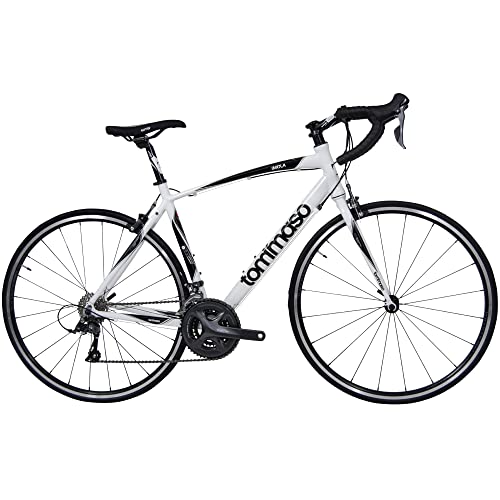
Tommaso Imola Sport Bike Performance Aluminum Road Bike
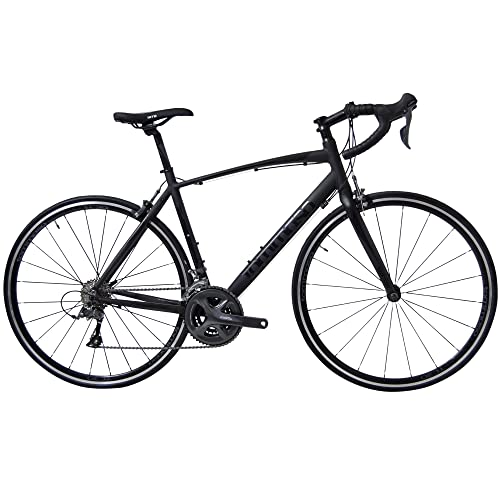
Tommaso Forcella Sport Bike Performance Aluminum Road Bike Carbon
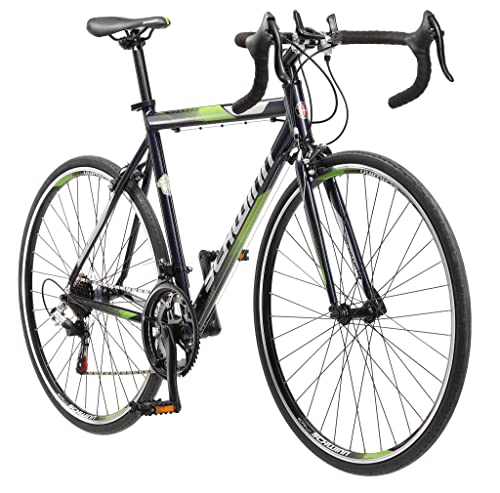
Schwinn Volare 1300 Road Bike 700c 14-Speed

Lukstr Road Bike 700C Integrated Racing Bike Full Aluminum Frame

HILAND 700C Road Bike for Adults 14 Speeds Racing Bicycle
More Details On Our Top Picks
The WEIZE leans more toward mixed-surface comfort than pure pavement speed, which is useful for casual routes that turn rough without warning. The dual suspension setup, suspension fork, and high-carbon steel frame point to a softer, more forgiving ride, though that extra cushioning usually comes with more weight than a stripped-down road bike.
You also get an adjustable ergonomic seat, so fit is less rigid for different heights and riding postures. Riders who want a steadier, less harsh feel on neighborhood streets and light trails will get the most from it, while dedicated road cyclists may find the mountain-bike geometry less lively than the slimmer picks below.
Strong Points
- Dual suspension helps smooth broken pavement and uneven paths.
- Three wheel-size options give you more room to match fit and riding feel.
- The adjustable seat makes it easier to settle in for longer casual rides.
- High-carbon steel can feel sturdy for everyday use and basic handling.
Areas To Watch
- The mountain-bike layout is less suited to fast, efficient road pacing.
- Steel usually adds weight, so carrying it up stairs can feel tiring.
- Suspension parts bring more upkeep than a simpler rigid frame.
Feature Rundown
Who It Suits Best
Casual riders who split time between streets, paths, and light trail sections will get the best fit here.
A Better Fit Elsewhere
Tommaso Imola suits a road-first commuter or fitness rider who wants a lighter, faster feel on pavement.
This RideOrigin feels aimed at everyday pavement use, with a lightweight aluminum alloy frame and 700x38C tires giving it a commuter-friendly stance. Compared with the WEIZE above, it skips suspension and keeps the setup more direct, which usually helps on smooth streets where efficiency matters more than cushion.
The 21-speed drivetrain gives you more cadence control than the 18-speed WEIZE, so hills and stop-and-go routes should feel easier to manage. The honest read is that this style rewards regular city miles more than rough-path wandering, and the flat bar keeps the riding position practical rather than stretched out.
What We Like
- Aluminum alloy keeps the frame lighter than steel options.
- 21 speeds give you a wider spread for city grades and fast stretches.
- 700C wheels suit the road-bike category well for rolling efficiency.
- Flat bars make steering feel natural in traffic and on short commutes.
- 700x38C tires add a little more comfort than very narrow road rubber.
Small Caveats
- The more upright commuter setup is less aggressive than the Tommaso models.
- No suspension means sharper road chatter comes through more clearly.
- City-focused parts usually ask for routine tuning as cables settle in.
Core Details
Made For
Urban commuters who want a straightforward, easy-riding bike for weekdays and fitness spins will feel at home here.
Skip It When
Tommaso Forcella is a better match for a rider who wants a sharper road feel and is ready for a more performance-leaning setup.
Tommaso’s Imola is the first bike here that clearly leans into road speed and training posture. The aluminum frame keeps the build focused, and the Shimano Claris 24-speed drivetrain gives you a broader spread than the RideOrigin’s 21 speeds, which should help on longer rides with more pace changes.
Size coverage runs from S through XL, so fit is easier to sort out for a wide range of heights. You may find it most satisfying for fitness miles, club-style rides, or a daily route where you care more about quick response than upright comfort, while the Schwinn below keeps things a little simpler.
Best Bits
- 24 speeds give you fine control for climbs, flats, and tempo work.
- Aluminum construction helps keep the bike more responsive than steel models.
- Multiple size choices make proper fit easier to dial in.
- Road-bike geometry suits steady pavement riding and regular training.
Worth Noting
- The more committed road position can feel stretched to casual riders.
- Performance parts usually reward regular tune checks and clean chain care.
Technical Sheet
Who Will Love This
Fitness riders and newer road cyclists who want a more serious pavement setup will appreciate this model most.
Another Choice May Suit
Schwinn Volare 1300 works better for a rider who wants a simpler road bike feel without moving as far into performance territory.
The Forcella sits close to the Imola in purpose, but the carbon detail in its name signals a more premium-leaning frame story. That matters most for riders who care about a crisper road feel and a bike that feels a touch more refined on long pavement stretches, though comfort still depends on fit just as much as material.
Size coverage is broad, running from XXS through XL, so smaller riders get more room here than they do with many road options. Compare it with the Imola and the difference becomes clearer, since both aim at performance riding, yet this one gives you a wider fit range and a more upgrade-minded feel.
Reasons To Buy
- Carbon detail points to a more premium road-bike build.
- Size range includes XXS, which helps shorter riders find a better match.
- 24-speed Claris setup supports paced rides and climbing changes.
- Same performance-minded posture as the Imola, with a broader size spread.
Points To Note
- The lower, sportier position asks more from your core and shoulders.
- Performance-oriented parts usually call for more careful setup and maintenance.
Details At A Glance
Built With In Mind
Road cyclists who want a performance-focused frame story and a broad size spread should look here first.
Where A Sibling Pick Shines
Tommaso Imola suits the rider who wants the same road performance direction with a simpler size range to sort through.
The Schwinn Volare 1300 lands in a very workable middle zone, with a 700c frame format, 14 speeds, and a setup that feels approachable for everyday fitness riding. Compared with the Tommaso bikes, it gives up some of the performance edge, but that trade-off can be easier to live with for riders who want a simpler ride and fewer moving parts to think about.
Aluminum construction, sport tires, caliper brakes, and a fitness seat keep the package practical for paved routes. In most neighborhood rides, that’s enough to get you moving comfortably without committing to a race-style posture, and the men’s and women’s framing makes it broad enough for casual mixed use.
Upsides
- 14-speed setup keeps shifting straightforward for casual road work.
- Aluminum frame helps reduce weight compared with steel builds.
- Fitness seat and sport tires support regular paved rides.
- Caliper brakes keep the control layout familiar for many riders.
Room For Improvement
- It feels less specialized than the Tommaso road bikes.
- Fewer gears mean less room for very steep or very fast sections.
- Basic road-bike parts still benefit from regular cable and brake checks.
Spec Overview
Perfect Match For
Casual fitness riders who want a reliable, no-fuss road bike for paved routes and relaxed pacing will feel comfortable here.
Look Elsewhere When
Tommaso Imola makes more sense for a rider who wants a tighter performance focus and more gearing range.
The Lukstr takes a more modern city-road angle with a 700C integrated racing bike layout and disc-style braking in the source listing. That combination usually appeals to commuters who want firmer control and a cleaner frame look than the more basic city bikes, while still staying in road-bike territory.
Its full aluminum frame should help keep the build manageable for stairs, apartment storage, and weekday travel. Compared with the Schwinn, this one looks more urban and more performance-minded, though riders who prefer a very simple setup may find the extra sport focus less relaxed.
Bright Spots
- Full aluminum frame keeps weight in check for city use.
- Disc brake setup suits riders who want a firmer braking feel.
- 700C wheels keep the bike aligned with standard road sizing.
- The integrated racing style gives the bike a cleaner, sportier profile.
Softer Spots
- The sportier build may feel less relaxed for casual neighborhood cruising.
- Integrated road parts can take more time to adjust during setup.
- Urban use still brings normal wear on cables, pads, and drivetrain parts.
Feature Snapshot
Right Fit For
Urban commuters who want a road bike with a sharper, more modern feel should consider this one closely.
Reach For A Different Pick When
RideOrigin suits a rider who wants a simpler flat-bar commuter setup with less sport emphasis.
The HILAND closes the list with a familiar road-bike formula: lightweight aluminum frame, 14-speed drivetrain, caliper brakes, and 700C wheels. That mix keeps it close to the Schwinn in spirit, though the S/M/L frame choices make fit feel easier to narrow down for riders who want a more tailored stance.
For daily commuting and mixed urban use, that kind of straightforward spec sheet can be enough. You may find it especially sensible for a first road bike, since it stays close to the essentials without pushing hard into either race-only or comfort-only territory.
Positives
- Lightweight aluminum frame helps keep the bike manageable.
- S, M, and L sizing makes fit selection more approachable.
- 14 speeds give you a simple range for city routes.
- 700C wheels keep the ride aligned with road-bike expectations.
Minor Gripes
- The setup is straightforward, so serious performance riders may want more gear range.
- Caliper brakes are familiar, though they do ask for routine pad care.
- Urban riders may still prefer more tire volume on rough pavement.
Core Details
Whose Shelf It Belongs On
Newer road-bike shoppers and city commuters who want a simple, fit-friendly option should start here.
Swap It Out When
Tommaso Imola is the better move for a rider who wants a more performance-forward road bike with extra gearing range.
How To Choose The Right Bikes For Road
Frame Feel Comes First
Frame material changes how a road bike behaves under you. Aluminum keeps the bike lighter and quicker to move around, while steel adds a sturdier, calmer feel that many casual riders notice on rough pavement.
Carbon detail, like the Tommaso Forcella mentions, points toward a more premium road feel, but it also raises the stakes on setup and care. For daily commuting, aluminum usually makes the better practical starting point.
Match The Drivetrain To Your Routes
Speed count matters less than real gearing spread, but it still shapes how easily you can climb, cruise, and recover after a stop. A 14-speed setup is simple and familiar, while 21 or 24 speeds give you more room to fine-tune cadence on hills or long rides.
Riders covering flatter city miles often do fine with fewer gears. Longer routes, bridge crossings, and mixed grades benefit from the wider range.
Wheel Size, Tires, And Comfort
700C wheels are the classic road-bike standard, so they roll efficiently and keep the bike in the right category. Tire width changes the whole personality, though, and the RideOrigin’s 700x38C tires show how a slightly wider tire can soften the ride without leaving road-bike territory.
That balance matters on broken streets and bike-lane seams. Narrower tires feel quicker, while wider ones take some sting out of daily pavement.
Fit And Riding Position Decide Enjoyment
Frame size options matter just as much as gear count, especially on road bikes where reach and posture shape comfort. Tommaso’s broad size ranges and HILAND’s S/M/L choices help more riders land in the right position.
Flat bars, drop bars, upright commuter geometry, and racing posture all change how the bike feels after 20 minutes or 2 hours. Comfort follows fit first, then parts.
What To Weigh Before You Choose
Mistakes Worth Dodging
Plenty of shoppers fixate on speed count and skip fit, which usually leads to a bike that feels wrong on day one. Others buy a road-style model for rough paths and then wonder why narrow tires and firm frames feel harsh.
Pay close attention to wheel size, bar style, and frame sizing. Those details shape your daily experience more than a glossy headline ever will.
The Upgrade Payoff
Higher-tier road bikes usually cost more because of lighter materials, more precise drivetrains, and better frame shaping. That extra money often buys cleaner shifts, a more responsive ride, and a setup that feels steadier on longer pavement sessions.
It makes sense to spend up when you ride often, chase pace, or care about fit details. For a short commute or casual weekend loop, a simpler build usually covers the job without extra complexity.
Frequently Asked Questions
What makes a road bike different from a mountain bike?
Road bikes usually use narrower tires, lighter frames, and a position that favors pavement efficiency. Mountain bikes like the WEIZE feel more forgiving on rougher ground, but they give up some speed on smooth roads.
How many speeds do you really need?
For flat city riding, 14 speeds can be enough. Hilly areas and longer rides feel easier with 21 or 24 speeds because you get more control over cadence.
Is aluminum a good frame material for road bikes?
Yes, aluminum is a very common choice because it stays lighter than steel and keeps handling lively. It can feel less damped than steel, though, so tire choice matters more for comfort.
Are drop bars better than flat bars for road riding?
Drop bars give you more hand positions and a lower, faster posture. Flat bars feel simpler and more upright, which many commuters prefer for short urban rides.
Which bike here fits a first road-bike setup best?
Schwinn Volare 1300 and HILAND both offer approachable road-bike layouts. Tommaso Imola suits you better once you want a more performance-leaning step up.
Closing Thoughts
Your best road bike depends less on the label and more on how you ride. For mixed surfaces, the WEIZE gives you comfort; for daily commuting, RideOrigin and HILAND keep things practical; for faster pavement work, the Tommaso pair bring a clearer performance edge. Schwinn and Lukstr sit in the middle with easy-to-understand road setups, which helps a lot when you want a solid ride without overcomplicating the choice. Match the bike to your routes, and the miles tend to feel much easier.