
Choosing bikes for a 4 year old usually comes down to fit, confidence, and how quickly your child wants to move from wobble to glide. A model that feels manageable in the driveway can also save plenty of frustration on evening rides, school paths, and weekend park loops. The picks below lean toward toddler balance options, training-wheel setups, and small kids’ bikes that match different stages, so you can match the bike to the child instead of forcing the child to match the bike.
Quick Look At The Shortlist

Tricycle for Toddlers Spider Toddler Bike

Glerc Little Molly Kids Retro Cruiser Bike
JOYSTAR Pluto Kids Bike with Light Up Training Wheels
JOYSTAR Pluto Kids Bike with Light Up Training Wheels
JOYSTAR Pluto Kids Bike with Light Up Training Wheels
JOYSTAR Pluto Kids Bike with Light Up Training Wheels
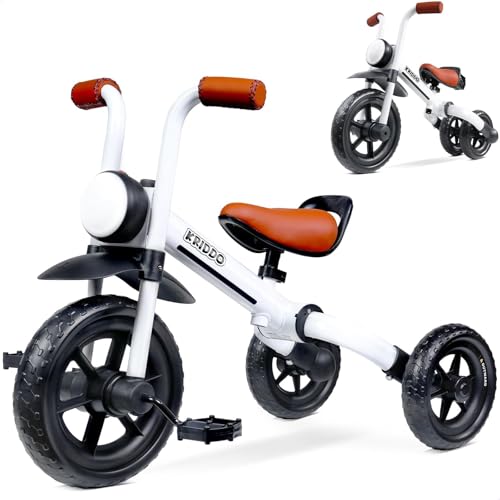
KRIDDO 2-in-1 Kids Balance Bike and Kids Tricycle

Ridego 14 Inch Balance Bike for Kids
This spider-styled tricycle leans into the stage where your child wants motion, but not a full two-wheel challenge yet. The basket adds a useful place for a stuffed animal or a sidewalk treasure, and the lighting wheels give the ride a little personality without changing the basic format. For driveway laps and short neighborhood loops, that mix can feel very approachable.
The trade-off is simple, this is a tricycle-first pick rather than a true bike-training setup. That makes it a smart fit for younger preschoolers and for families who want steadiness before balance comes into the picture. A child who already wants pedal-bike momentum may outgrow it faster than a balance-first option like the Ridego 14 Inch Balance Bike for Kids.
Highlights
- Three-wheel design helps keep the ride steady for new movers.
- Lighting wheels add visual appeal for evening sidewalk use.
- The basket gives your child a handy spot for small carry-alongs.
- Simple, familiar trike format keeps the learning curve low.
Room For Improvement
- It sits in the tricycle lane, so balance-bike skills are not the focus.
- The playful styling may feel younger than a child who wants a real pedal bike.
- Basket use can mean a little extra tidying after outdoor rides.
Feature Snapshot
Who It Suits Best
Young preschoolers who need a calm, stable ride in the driveway or on short paths will get the most from this one.
Another Choice May Suit
Families aiming for a steadier long-term learning path may prefer the KRIDDO 2-in-1 Kids Balance Bike and Kids Tricycle, since it shifts between balance mode and trike mode.
Compared with the spider trike, this cruiser looks much more like a kid-sized neighborhood bike, especially with the wicker basket giving it a classic finish. The 12 to 20 inch sizing range makes it easier to match to growth, which matters a lot once your child starts stretching from one riding season to the next. That flexibility can spare you a too-small frame too quickly.
Training wheels and a kickstand option point to two different stages of use, so you can think about this as a more adaptable choice than the first pick. In most family settings, that kind of versatility matters more than a flashy feature list. It suits kids who are ready for pedal practice but still need a little structural confidence.
Positives
- Retro cruiser styling feels more grown-up than a basic starter trike.
- The wicker basket helps with snacks, small toys, or a favorite stuffed animal.
- Multiple size options make it easier to match your child’s current height.
- Training wheels support early pedal learning without feeling overly complicated.
- Kickstand compatibility gives the bike a more mature setup as skills improve.
Points To Note
- The styling is charming, but it may not suit a child who wants a very simple look.
- More parts mean a little more upkeep than a bare-bones balance bike.
- Size selection matters, so a careful fit check helps avoid a bike that feels awkward to mount.
Core Details
Who Will Love This
Kids who want a classic-looking bike with room to grow will benefit most from this cruiser style.
Skip It When
The JOYSTAR Pluto kids bike works better for families who want a more straightforward training-wheel setup without the cruiser styling.
This JOYSTAR version lands in a useful middle ground, because it keeps the training-wheel learning style but adds light-up wheels that make the ride feel less plain. The 12 to 20 inch sizing range is practical for families who want one bike line that can stretch across a few growth stages. It fits the child who is ready for pedal practice, yet still appreciates the security of extra support.
Compared with the Glerc Little Molly cruiser, this one is less about basket charm and more about a straightforward riding transition. That difference matters in busy driveways, where easy mounting and a familiar setup can matter more than decorative details. The honest read is that it suits most first-pedal routines well, especially for neighborhood pavement.
What We Like
- Light-up training wheels give early rides a playful touch.
- Multiple size choices help you fine-tune the fit.
- The training-wheel format supports first pedal attempts with less wobble.
- It feels well aligned with everyday family paths and sidewalks.
Softer Spots
- Kids who are already comfortable balancing may prefer a simpler bike path.
- Light-up features add appeal, but they are not the main reason to choose it.
- As with most kids’ bikes, assembly and fit checks deserve patient attention.
At A Glance
Best Suited To
Families who want a familiar kids’ bike format with a little extra visual flair will find a strong fit here.
Where A Sibling Pick Shines
The Ridego 14 Inch Balance Bike for Kids works better for children who are not ready for pedals and need balance practice first.
This version reads much like the earlier JOYSTAR model, which tells you the line is built around a familiar training-wheel approach instead of a complicated learning curve. That predictability helps in homes where a child wants a bike that feels steady on the first few rides, not a project that needs constant explanation. In a quiet cul-de-sac, that kind of simplicity can matter more than extra styling.
Compared with the cruiser-style Glerc Little Molly, this pick is less decorative and more direct. It is a sensible match for families who want a straightforward kids’ bike format without wicker-basket charm or a classic cruiser silhouette. The trade-off is that it leans into function first, so style-seekers may keep browsing.
Bright Spots
- The training-wheel setup gives young riders a stable introduction to pedaling.
- Light-up wheels add an easy visual cue without changing the ride basics.
- Several size options make it easier to fit growing kids.
Areas To Watch
- It shares the same general format as other JOYSTAR Pluto options, so the differences can be subtle.
- Families after a more playful basket or cruiser style may want a different feel.
- Kids who already balance well may outgrow training wheels quickly.
Details At A Glance
Whose Shelf It Belongs On
This fits families who want a plainspoken, stable first pedal bike for driveway and sidewalk use.
Reach For A Different Pick When
The Glerc Little Molly Kids Retro Cruiser Bike is the better match for children who care about styling and basket space as much as riding practice.
Another JOYSTAR Pluto variant keeps the focus on a steady training-wheel format, which makes sense for a child who wants reassurance before confidence catches up. Because the platform is familiar, your attention can stay on fit and height rather than relearning a new style from scratch. That matters for everyday family rides where you just want the bike to feel familiar.
Compared with the tricycle picks, this one asks for a little more pedal coordination, so it suits a child who is already curious about bike riding. The trade-off is less stability than a trike, but more progress toward a standard kids’ bicycle. For many four-year-olds, that middle step lands nicely.
Upsides
- Training wheels support early pedaling with fewer balance worries.
- The larger size spread gives you room to shop around a child’s growth.
- It works well for driveway circles, park paths, and neighborhood sidewalks.
Small Caveats
- The look and format are familiar, so it may not feel distinct from other Pluto listings.
- Training wheels help early on, but they are still a temporary stage.
- Fit matters, and a too-large frame can make mounting awkward for shorter kids.
Core Details
Who Should Grab It
This suits families who want a straightforward pedal-bike setup for a child who is ready to start learning real bike motion.
Swap It Out When
The KRIDDO 2-in-1 Kids Balance Bike and Kids Tricycle is smarter for a child who still needs both trike stability and balance-bike practice.
This JOYSTAR entry keeps the same training-wheel formula, which is exactly why it feels dependable for family use. The repeated platform makes it easy to think about as a familiar bike line rather than a special-case design, and that can simplify the decision for first-time shopping. In a garage full of scooters and sidewalk toys, a bike like this stands on simple expectations.
Compared with the Ridego balance bike, this one is for a child who has moved past scooting-only motion and is ready to pedal with support. The honest read is that it offers less skill-building flexibility than the KRIDDO 2-in-1, but it may feel easier to understand at first glance. That straightforwardness helps in homes where a clear training-wheel path is all you want.
Best Bits
- Training wheels provide early confidence for first pedal sessions.
- The size range gives you a little room to match the rider.
- It fits the familiar kids’ bike shape many parents recognize right away.
Honest Caveats
- It does not bring the basket charm of the Glerc cruiser.
- Balance-bike learners may get more long-term skill work elsewhere.
- Standard kids’ bike upkeep still applies, including fit checks and simple care.
Feature Card
Perfect Match For
This is a good fit for parents who want a familiar first bicycle format with minimal fuss.
A Better Fit Elsewhere
The Glerc Little Molly Kids Retro Cruiser Bike suits families who want basket storage and a more decorative look.
The KRIDDO stands out because it does two jobs in one frame, switching between balance-bike mode and tricycle mode with detachable pedals. That kind of flexibility matters for a 4 year old who is still figuring out whether balance or pedal motion feels more natural. The stitched soft grip is another nice touch, especially for longer sidewalk sessions where small hands can get tired.
Compared with the simpler Ackarido trike, this one gives you more room to grow with the child’s confidence. The front light adds a little extra visibility and fun, but the real value is the mode change, which can stretch the useful stage of the bike. It fits families who want a learning tool, not just a ride-around toy.
Reasons To Buy
- Two riding modes let you shift from balance practice to tricycle use.
- Detachable pedals make the transition more practical for growing skills.
- Stitched soft grips should feel kinder on small hands during short rides.
- The front light adds a little visibility for driveway or path use.
- It offers more learning flexibility than a single-mode trike.
Areas To Watch
- More moving parts usually mean a bit more setup and adjustment time.
- Some families may prefer a simpler frame when the goal is only casual riding.
- Storage can feel slightly less tidy than with a basic one-mode bike.
Technical Sheet
Who Should Grab It
This is a smart choice for families who want one bike that can adapt as a child moves from balance practice toward pedaling.
Look Elsewhere When
The Ackarido tricycle is the easier pick for families who want a simpler, more straightforward three-wheel ride.
The Ridego takes a different route from the trikes and training-wheel bikes above, because it stays focused on balance first. The adjustable seat and air rubber tires make it sound more adaptable for outdoor surfaces, and the lightweight build should be easier for adults to move around the garage or car trunk. For a child who is already coasting with confidence, that setup can feel clean and direct.
Compared with the JOYSTAR training-wheel bikes, this one asks the child to develop balance sooner, which is exactly the point. The trade-off is that it gives less built-in support at the beginning, so it suits families who want a truer balance-bike path rather than a helper-wheel stage. That makes it a strong fit for park paths, quiet sidewalks, and short practice sessions.
Highlights
- Balance-bike format supports leaning, gliding, and steering practice.
- Adjustable seat helps the bike stay useful as your child grows.
- Air rubber tires should offer a more planted feel on rougher pavement.
- Lightweight design makes carrying and loading easier for adults.
Minor Gripes
- It skips pedals, so a child looking for a tricycle or pedal-bike stage may want another option.
- The learning curve is more active, since balance skill comes first.
- Air tires usually mean a little more attention to upkeep than foam-style wheels.
Quick Facts
Built With In Mind
This is for families who want a true balance bike for a child ready to practice steering and gliding.
Where Another Pick Suits Better
The JOYSTAR Pluto kids bike is easier for a child who wants pedal support from the start.
How To Choose The Right Bikes For 4 Year Old
Start With Riding Style, Not Just Looks
A 4 year old often needs a bike that matches coordination more than age alone. Balance bikes help with steering and gliding, tricycles feel steadier, and training wheels sit between those two approaches. The right call depends on whether your child is still building confidence or already asking for a pedal path.
That’s why the Ackarido trike and KRIDDO 2-in-1 serve very different jobs, even though both sit near the same age range. The first is calmer and simpler, while the second offers a path from trike to balance mode. A child who gets distracted by wobble may do better with the simpler route.
Fit Beats Fancy Details
Seat height, wheel size, and frame shape matter more than paint or basket style. A bike that lets both feet reach the ground with some control usually feels less intimidating, especially during the first driveway laps. On the other hand, a bike that sits too tall can make mounting awkward and slow progress.
That’s where the 12 to 20 inch JOYSTAR and Glerc options help, because they give you room to line up growth with fit. The Ridego 14 Inch Balance Bike for Kids is narrower in purpose, but that clarity is useful when your child is already ready to glide. Comfort and confidence usually rise together.
Think About Where The Bike Will Be Used
Short sidewalk loops call for different traits than park paths or rougher driveway concrete. A trike with a basket may suit neighborhood strolls, while a balance bike with air rubber tires may feel better on bumpy pavement. Storage matters too, because a heavier frame becomes a hassle once you carry it in and out of the house.
Families with more than one child often benefit from a bike that adapts across stages, such as the KRIDDO 2-in-1. Families who want a neat hand-me-down plan may prefer the Glerc Little Molly Kids Retro Cruiser Bike because its size range stretches farther. The sweet spot is a bike that fits today without becoming awkward in a few months.
Things Worth Knowing First
Mistakes Worth Dodging
Many shoppers focus on styling and forget the learning stage. That usually leads to a bike that looks great but feels wrong for a child who still needs steadiness or, on the other side, a bike that holds them back after they’re ready for more motion.
Another common miss is choosing a frame that’s too large for the child’s current reach. A careful fit check beats a hopeful guess, especially with kids who are still growing fast.
What The Higher Tier Buys
Higher-end kids’ bikes often bring more frame-size choice, nicer materials, better comfort touches, or added versatility like detachable pedals. Those extras cost more because they usually help the bike last through more stages of use. The benefit shows up most for families who expect frequent riding and want fewer replacements.
For a child who rides almost every day, a model like the KRIDDO 2-in-1 can feel worth the step up because it changes with skill level. For casual weekend cruising, a simpler trike or entry-level balance bike may be enough. Paying more makes sense when the bike’s extra flexibility will actually get used.
Frequently Asked Questions
What is the easiest bike style for a 4 year old to start with?
A tricycle is usually the calmest starting point because it feels steady right away. A balance bike works well too, but it asks for more coordination from the child.
Do training wheels help every child?
They help many children who want to pedal before they feel ready to balance. Some kids skip straight to a balance bike and progress faster that way.
How do you know a bike fits well?
Your child should be able to mount the bike without strain and reach the ground in a controlled way. Seat height and frame size both matter, so checking both is worth the time.
Are balance bikes useful before pedal bikes?
Yes, balance bikes can teach steering and gliding in a very natural way. That can make the move to a pedal bike feel less intimidating later.
Should you choose a bike with extra features?
Extra features help only when they support the way your child will ride. A basket, light-up wheels, or a more adjustable frame should add convenience, not clutter.
Closing Thoughts
For a 4 year old, the right bike is the one that matches current confidence and still leaves room to grow. A tricycle keeps things simple, a balance bike builds coordination, and a training-wheel bike sits in the middle with a familiar feel. The shortlist above gives you a clean spread of choices, from the playful Ackarido trike to the more flexible KRIDDO 2-in-1 and the straightforward Ridego balance bike. Pick the path that fits your child’s current stage, and the ride usually starts on much steadier ground.