
Bike computers make everyday riding easier to track, whether you commute across town, train on familiar loops, or just want cleaner ride data than a phone can offer. The right pick can keep speed, distance, navigation, and training details in one place without clutter on the handlebar. This roundup focuses on practical fit, from simple wired units to GPS models with Bluetooth and ANT+ support. You’ll see which options suit casual riders, route planners, and riders who want longer battery life.
The Shortlist At A Glance
CooSpo Bike Computer Wireless GPS

iGPSPORT BSC100S GPS Bike Computer

CYCPLUS GPS Wireless Bike Computer M1

Hilceriy Bike Computer and Bicycle Odometer

Garmin Edge 540, Compact GPS Cycling Computer


CooSpo Bike Computer Wireless GPS BC200
Garmin Edge 840, Compact GPS Cycling Computer
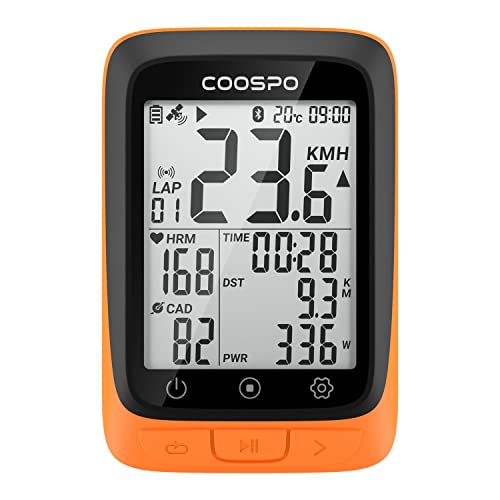
For riders who want GPS basics without a bulky setup, this CooSpo unit keeps the focus on the ride. Bluetooth and ANT+ matter because they open the door to pairing with sensors and training gear, while the 2.4-inch LCD gives you enough screen space for quick glances.
The waterproof build and auto backlight suit early commutes, damp mornings, and evening spins where lighting changes fast. Compared with the wired Hilceriy pick later in this list, this one feels much more flexible, though it still suits riders who want practical tracking more than deep training analysis.
What We Like
- GPS tracking keeps speed and distance data available without relying on your phone.
- Bluetooth and ANT+ support make sensor pairing much easier for multi-device setups.
- The auto backlight helps the screen stay readable in low light.
- Waterproof construction fits daily use in mixed weather.
Areas To Watch
- The display size works well for basics, but it does not feel oversized.
- Riders who want advanced training tools may find it a bit plain.
- Bluetooth and sensor setup can take a little patience the first time.
Feature Snapshot
Who It Suits Best
Commuters and casual riders who want GPS tracking, sensor support, and a straightforward screen will get the most from it.
Where A Sibling Pick Shines
The Garmin Edge Explore 2 suits you better for guided route work, especially on unfamiliar roads and weekend touring.
The iGPSPORT BSC100S leans into easy daily use, with a 2.6-inch LCD that gives you a bit more room than the CooSpo above. Its rechargeable design and 40-hour runtime make it a sensible match for riders who do a few longer outings each week and do not want to think about charging constantly.
That extra screen space helps when you want to see multiple numbers at a glance, and the waterproof shell keeps the setup practical for messy weather. The trade-off is simple, though, it feels more like a clean utility tool than a deeply feature-packed training head unit.
Highlights
- The 2.6-inch display gives you a slightly roomier reading area.
- 40-hour rechargeable runtime fits longer weeks between charges.
- Bluetooth and ANT+ support widen compatibility with common cycling gear.
- Waterproofing makes it easier to leave on the bike in mixed conditions.
Small Caveats
- It keeps the interface simple, so advanced riders may want more depth.
- The larger screen still stays compact, not tablet-like.
- Sensor pairing and menu setup can take a little fiddling at first.
Core Details
Made For
Longer-distance commuters and fitness riders who want a readable display with low charging fuss should feel at home here.
Another Choice May Suit
The Garmin Edge 540 is the better match for riders who want training guidance and more route logic on top of navigation.
The CYCPLUS M1 feels built for riders who cover real miles, not just short hops around the block. Its 2.9-inch LCD, 1200mAh battery, and claimed 60-plus hours of working time point toward long days in the saddle, while 4-satellite positioning adds location coverage that can help on varied routes.
Bluetooth, ANT+, auto backlight, and sync support for CYCPLUS FIT and Strava make it a stronger fit for riders who like ride logs after the fact. Compared with the iGPSPORT BSC100S, it stretches farther on runtime and leans harder into route syncing, though the more involved feature set may feel like more than a casual commuter needs.
Reasons To Buy
- The long working time suits big training weeks and travel days.
- 4-satellite positioning adds a broader navigation base for route tracking.
- The 2.9-inch screen gives you a readable dashboard without feeling oversized.
- App and Strava sync help you keep ride history in one place.
- Auto backlight supports early starts and late finishes.
Softer Spots
- The richer feature mix can take time to learn.
- Riders who only want distance and speed may not need all the extras.
- App syncing adds another step to your post-ride routine.
Technical Sheet
Whose Shelf It Belongs On
Long-distance cyclists and riders who like syncing ride records to training apps will get the most from this model.
Swap It Out When
The Hilceriy wired odometer makes more sense for riders who want a very simple setup and do not need app sync at all.
The Hilceriy stands apart from the GPS units above because it keeps things wired and direct. That makes it attractive for riders who mostly want speed, distance, elapsed ride time, and simple mileage tracking without worrying about satellite lock or wireless setup.
Automatic wake-up is a handy touch for everyday use, especially on short errands or repeat commutes where you want the unit ready with minimal fuss. The honest read is that it suits straightforward needs better than complex route planning, but that’s exactly the point for many casual riders.
Bright Spots
- Wired operation keeps the setup concept simple.
- Speed, average speed, and maximum speed cover the core ride stats.
- Riding time and distance tracking fit everyday mileage checks.
- The added calorie and temperature readouts broaden what you can see on the screen.
Honest Caveats
- The wired design means cable routing needs a neat install.
- It is less suited to riders who want GPS mapping or app syncing.
- The feature set stays basic compared with the Garmin models later in the list.
Feature Rundown
The Right Fit
Casual riders and everyday commuters who want a simple wired display without app juggling will find this an easy match.
Look Elsewhere When
The CooSpo Bike Computer Wireless GPS is the better fit for riders who want sensor pairing and a cleaner wireless handlebar setup.
The Garmin Edge 540 shifts the conversation from simple tracking to structured riding. Button controls matter here because they keep operation steady in rain, gloves, or rough pavement, and the adaptive coaching plus advanced navigation are aimed at riders who want more from every session.
Up to 26 hours of battery life makes sense for long rides and busy training weekends, though that number still depends on how you use the unit. Compared with the CYCPLUS M1, this Garmin feels more like a focused training partner than a long-runtime tracker, and that difference shows up fast once your rides start getting serious.
Best Bits
- Button controls stay easy to use in changing conditions.
- Adaptive coaching adds a more guided training feel.
- Advanced navigation suits riders who follow structured routes.
- The compact body keeps the cockpit tidy.
- Up to 26 hours of battery life supports longer ride blocks.
Room For Improvement
- The training focus may be more than casual riders need.
- Button-only control feels efficient, but some users prefer touch input.
- More advanced features usually mean a longer learning curve.
Core Details
Best Suited To
Road cyclists and data-driven riders who want coaching and navigation in a compact unit should look closely at this one.
Where A Sibling Pick Shines
The Garmin Edge Explore 2 suits riders who care more about easy navigation than training structure and coaching detail.
The Edge Explore 2 is the navigation-first choice in this lineup, and that’s a useful difference from the Garmin Edge 540. Riders who follow new roads, weekend routes, or touring paths often care more about clear guidance than structured training plans, and this unit is built around that priority.
Because it is labeled easy to use, it should feel friendlier to riders who do not want a lot of setup friction. The trade-off is that navigation-first gear often leaves less room for training depth, so you’re paying for clarity and comfort rather than the heaviest performance toolkit.
Plus Points
- The navigation-first layout suits unfamiliar routes and touring.
- Easy-to-use positioning makes it friendlier for less technical riders.
- Garmin’s compact cycling design helps keep the cockpit uncluttered.
- It fits well for riders who value route guidance over training metrics.
Points To Note
- Riders chasing deep training tools may want the Edge 540 instead.
- Any navigation-focused unit takes time to learn route settings.
- More guided features can mean a busier setup than a basic bike computer.
Details At A Glance
Who Should Grab It
Touring riders, leisure cyclists, and commuters who want straightforward navigation will get the most out of this model.
Reach For A Different Pick When
The CYCPLUS GPS Wireless Bike Computer M1 is the better fit for riders who care more about long runtime and app syncing.
The BC200 lands in a sweet spot for riders who want wireless convenience without moving into Garmin territory. Bluetooth, ANT, auto backlight, and waterproofing give it a practical mix for daily use, while compatibility with the CooSporide app helps if you like seeing ride data in a companion app.
Compared with the earlier CooSpo model, this one feels like a sibling tuned for riders who want app support in the mix. That makes it especially appealing for budget-conscious cyclists who still want a wireless cockpit and a clean data display.
Standout Traits
- Wireless operation keeps handlebar clutter low.
- Auto backlight helps the screen stay readable across changing light.
- Bluetooth and ANT support cover common accessory pairings.
- The waterproof body suits regular outdoor riding.
- CooSporide app compatibility adds a useful software layer.
Worth Noting
- App-based features add another step during setup.
- Riders who want advanced coaching may prefer the Garmin Edge 540.
- The experience is strongest for everyday tracking, not deep analysis.
Quick Facts
Built With In Mind
Daily riders who want a wireless GPS computer with app support and simple day-to-day handling should find this a comfortable match.
Skip It When
The Hilceriy wired odometer makes more sense for riders who want the least amount of setup and no app involvement.
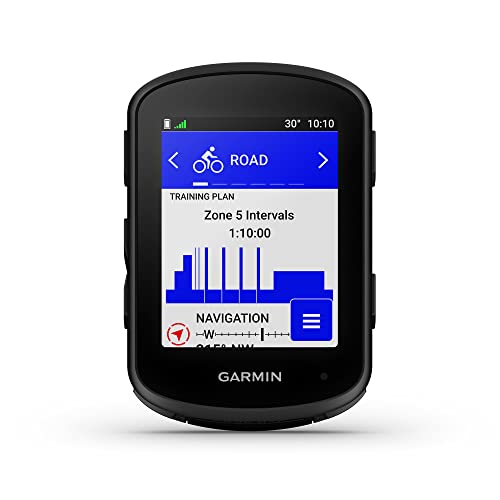
The Edge 840 sits near the top of this roundup for riders who already know they want a compact GPS unit and expect to use it often. It shares the same Garmin family feel as the Edge 540, but the 840 is the stronger upgrade-minded choice for cyclists who want a more premium-feeling cockpit without going oversized.
That makes it a strong fit for frequent riders, endurance cyclists, and anyone replacing a simpler computer with something more capable. The catch is that a more advanced unit asks more from you during setup, so it rewards regular use more than occasional weekend rides.
Strong Points
- The compact GPS format keeps the handlebar layout tidy.
- It suits riders who want a more capable long-term setup.
- Garmin’s cycling interface tends to appeal to riders who value depth.
- The size works well for serious use without feeling oversized.
Minor Gripes
- Riders using it only a few times a month may not need this much unit.
- Advanced cycling electronics usually take more time to learn.
- It sits in a more premium lane than the simpler CooSpo and iGPSPORT models.
Core Details
Perfect Match For
Regular cyclists who want a compact upgrade from a basic computer will get the most value here.
A Better Fit Elsewhere
The Garmin Edge Explore 2 suits you better for route guidance if navigation matters more than broader cycling depth.
How To Choose The Right Bike Computers
Match The Display To Your Riding Style
Screen size matters more than many people expect. A 2.4-inch or 2.6-inch LCD can be enough for basic speed and distance checks, while the 2.9-inch CYCPLUS M1 gives you more room for data without moving into bulky territory.
Smaller screens keep the cockpit tidy, which helps on short commutes and town rides. Larger displays make more sense for riders who glance down often and want several fields visible at once.
Decide How Much Setup You Want
Wired units like the Hilceriy are simpler in concept, but they need careful installation and cable routing. Wireless GPS models cut clutter and feel cleaner on the bars, yet they usually ask for more pairing and menu setup at the start.
That trade-off is worth thinking about before you shop. Riders who want a quick, low-maintenance setup often lean toward basic wired tracking, while riders who use sensors or ride logs regularly tend to prefer Bluetooth and ANT+ support.
Battery Life Changes The Whole Experience
Battery life matters most on long rides, travel weeks, and riders who hate charging gear often. The CYCPLUS M1’s long working time and the iGPSPORT BSC100S’s 40-hour rating both suit people who ride several times between charges.
Shorter battery life can still work fine for commuters who plug in often. For endurance riding, though, longer runtime removes a layer of daily planning.
Navigation, Training, And App Sync Are Different Jobs
Navigation-focused units, like the Garmin Edge Explore 2, help you follow routes with less stress. Training-focused models, such as the Garmin Edge 540, put more emphasis on coaching and structured riding, which is a different kind of value.
App sync also matters more than it first appears. Riders who like keeping ride history in CYCPLUS FIT or Strava usually want that built in, while riders who just want live speed and distance can skip the extra software layer.
Things Worth Knowing First
Hidden Buying Traps
It’s easy to overbuy on features you won’t use. A commuter who only checks speed and trip distance may not need advanced coaching or route planning, and that extra complexity can slow the whole setup down.
Another common miss is ignoring mounting and visibility. A screen that looks fine on paper can still feel cramped on your bars, especially in bright sun or on rough roads.
The Upgrade Payoff
Higher-tier bike computers usually cost more because they bring better navigation, more capable training tools, stronger app ecosystems, and richer sensor support. The Garmin Edge 540 and Edge 840 sit in that lane, where the extra spend buys control, depth, and a more polished daily experience.
The upgrade makes sense for regular riders who train often or follow unfamiliar routes. For casual rides and simple mileage tracking, a simpler GPS unit or even the wired Hilceriy can be the cleaner choice.
Frequently Asked Questions
Do bike computers work without a phone nearby?
Yes, many of them record speed, distance, and ride time on their own. GPS models can still track your ride even when your phone stays in a pocket or bag.
Is a wired model still worth considering?
Yes, a wired unit can be a smart choice for basic mileage and speed tracking. It’s especially useful for riders who want a direct setup with fewer wireless steps.
Why do some models mention ANT+?
ANT+ is a wireless protocol used by many cycling sensors and accessories. It helps your computer connect with gear such as speed or cadence sensors.
How much screen size do you really need?
For basic commuting, a compact LCD is usually enough. Riders who want several fields visible at once often prefer the larger 2.6-inch or 2.9-inch displays.
Which pick works best for route guidance?
The Garmin Edge Explore 2 is the clearest route-focused option in this list. It suits riders who care more about following directions than training structure.
Closing Thoughts
The right bike computer depends on how you ride, not just how many features the box mentions. For simple mileage and speed, the Hilceriy keeps things direct, while the CooSpo and iGPSPORT options balance wireless convenience with everyday usefulness. Riders who train often will get more from the Garmin Edge 540 or Edge 840, and route-focused cyclists should look closely at the Edge Explore 2. Choose the model that fits your routines, and your handlebars will feel a lot more organized.