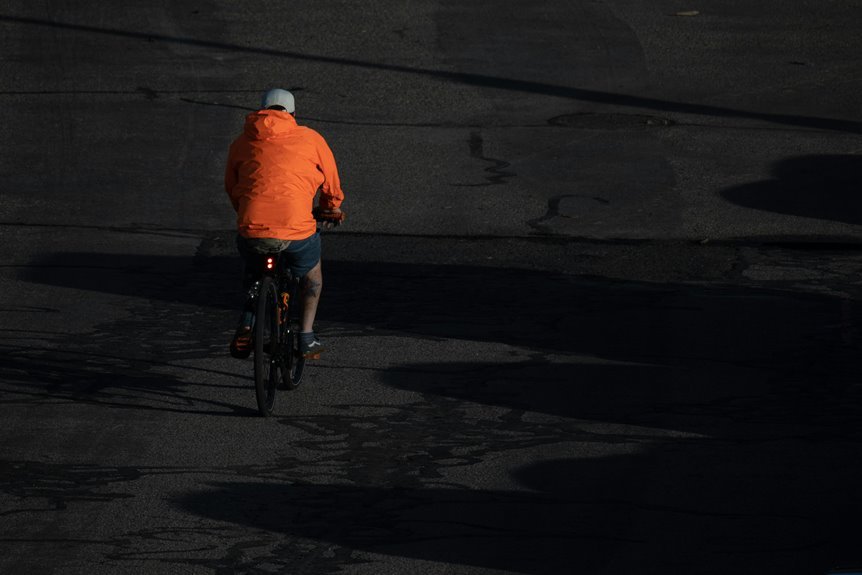

A smart bike tail light helps drivers spot you sooner. The right flash pattern grabs attention fast. A solid mount keeps the beam aimed right. Brightness that fits the road saves battery and keeps you visible.
Choose the Right Bike Tail Light Mode
Often, the best bike tail light mode is the one that matches how and where you ride, not just the brightest one on the shelf. You want a mode that keeps you seen without draining confidence or battery.
On calm city streets, steady light can help drivers judge your spot. In busy traffic, flashing modes can catch eyes fast. Whenever you ride at dusk or under trees, sensor modes with auto brightness can adjust for changing light, so you don’t have to reconsider twice.
Whenever you stop often, motion-based control and energy-saving behavior can keep things simple. So, test a few settings on familiar routes. Then pick the one that feels natural, because the right choice should make you feel part of the road, not apart from it.
Mount Your Bike Tail Light for Clear Sightlines
Now that you’ve picked a light mode that fits your ride, it’s time to place that light where it can actually do its job. You’ll want your bike tail light high enough to stay in clear sight, but not so high that gear blocks it.
A good mount height on the seatpost usually works well, and a rear rack can help when your bag sits low. Check the seatpost angle, too, so the beam faces straight back instead of tipping into the road.
Then secure the light snugly, because a wobbly setup can make you look far away from the crew. When you ride with friends, a clean rear setup helps everyone spot you fast and keeps the group feeling tight, confident, and easy to follow.
Aim Your Tail Light for Better Visibility
With your light mounted, the next step is to angle it so drivers see you fast and clearly. Start with beam angle testing on a quiet street or driveway. Ask a friend to watch from behind while you sit on the bike, then tilt the light until it sits in the driver’s line of sight, not at the road.
A slight upward angle helps your glow rise above parked cars and shadows. Next, use visibility cone mapping by checking how far your light spreads across the lane and shoulders. You want steady coverage, not a narrow dot.
Recheck after bumps or rack changes, since vibration can shift the aim. When your taillight points right, you feel more relaxed, and your riding group notices you sooner too.
Match Flash Patterns to Riding Conditions
On bright days, you can use a bold flashing pattern that grabs attention fast and cuts through traffic glare. At night, you’ll usually want a steady rear light so drivers can track your bike without distraction.
At matching the pattern to the setting, you make your tail light work harder for you with less effort.
Bright Daytime Flash
A bright daytime flash works best while you match the pattern to the road around you, because a smart taillight should help drivers notice you without turning into a blinking disco ball.
You can lean on daytime flash patterns that feel sharp, brief, and easy to spot in traffic. Whenever the sun is strong, choose bright alert modes that cut through glare and keep your presence clear. Should you ride near cars, buses, or busy intersections, pick a faster pulse so drivers catch your movement sooner.
- Use a crisp burst on open roads.
- Choose stronger flashes in glare.
- Keep the pattern simple in traffic.
- Switch modes for changing light.
- Stay visible without wasting battery.
Steady Night Visibility
At night, your smart taillight should stay calm, clear, and steady so drivers can track you without strain. You want a steady glow whenever the road is quiet and traffic moves fast.
It helps your shape stand out without the buzz of wild flashing. Whenever streetlights fade, ambient adaptation matters, because your light can soften or brighten to match the scene. That keeps you visible without looking harsh.
Should you ride through calm neighborhoods, choose a slower pulse or solid beam. In busy traffic, a stronger pattern can help. Also, keep the taillight high and centered so it reads cleanly from behind.
With the right setup, you fit in with the night flow and still stay easy to spot.
Add Helmet and Bag-Mounted Lights
Helmet and bag-mounted lights give you extra angles that your rear light can’t cover on its own.
Whenever you place a light on your helmet, it follows your head turns, so drivers can spot your movement faster, and a bag light can sit higher for cleaner rear visibility.
Together, these lights add a layered safety net that helps you stay seen from more than one direction.
Helmet Light Benefits
Wearing a rear light on your helmet can give drivers a higher, clearer view of you, especially whenever cars or parked vans block a seat-post light. That extra height helps you stand out in traffic, and it can make your riding group feel more connected. You also keep control with simple head turns, which feels natural and safe.
- Choose a light that supports helmet comfort.
- Use steady or flash modes for quick emergency signaling.
- Aim the beam slightly back, not into eyes.
- Pair the light with your normal rear light.
- Check the strap often so it stays snug.
Because your head moves with your line of sight, drivers catch your signals sooner. That small change can enhance confidence on busy streets and help you ride with more ease.
Bag Light Placement
At the time you add a bag light, you’re giving drivers one more clear cue to spot you, especially as your rear rack, backpack, or pannier hides part of your normal taillight. For bag light safety, place the beam high and steady, then angle it so it faces straight back. Good bag light mounting keeps the light from twisting when you ride over bumps.
| Spot | Best Use | Why It Helps |
|---|---|---|
| Backpack top | Daily commuting | Stays visible above gear |
| Pannier outer edge | Side bags | Shows your width |
| Helmet rear clip | Quick rides | Moves with your head |
If you can, pair the bag light with your helmet light so friends and drivers read your line faster. That small setup feels calm, personal, and easy to trust on busy streets.
Layered Visibility Coverage
While you combine a helmet light with a bag-mounted taillight, you give drivers two separate signals to notice, and that extra layer can make night rides feel a lot less stressful. You add layered rear safety, because your bike, body, and gear all show up from different heights.
That helps with multi angle visibility, especially if cars sit low or follow close. You can keep your bag light steady while your helmet light moves with your head, which makes you easier to read in traffic.
- Put the bag light high enough to clear gear.
- Aim the helmet light straight back on calm roads.
- Use flashing on busy streets.
- Check both lights before every ride.
- Match brightness so one light doesn’t wash out the other.
Then you ride with a small, friendly glow that feels like your own crew.
Keep Your Bike Tail Light Clean and Charged
Even the smartest tail light can let you down when dirt, rain, and grime build up on the lens or whenever the battery runs low, so a quick care routine makes a big difference. You stay safer and feel part of the riding crowd whenever your light works like it should. Use a simple cleaning routine after wet rides, and wipe the lens with a soft cloth. Check the mount too, because a shaky light can waste power and miss attention.
| Task | How Often | Why It Helps |
|---|---|---|
| Wipe lens | After rides | Keeps light clear |
| Inspect battery | Weekly | Supports battery maintenance |
| Dry contacts | After rain | Prevents weak charging |
Charge it before long rides, and store it with a partial charge whenever you won’t use it soon. That small habit keeps you ready and visible, with less fuss.
Set Tail Light Brightness for Day and Night
After you keep your tail light clean and charged, the next smart move is to set its brightness for the road ahead. You want enough glow to stand out in traffic, but not so much that you waste battery efficiency or wash out your signal.
During the day, choose a stronger flash or steady high setting, especially when you ride near busy roads. At night, lower the output when your light has ambient sensing, so it matches the dark without blinding riders behind you.
- Use bright flash for sunlight and city glare
- Pick steady light for calm night streets
- Let ambient sensing adjust on changing routes
- Save power with lower modes on long rides
- Match brightness to weather, trees, and traffic
This way, you fit in with smart riders who stay seen.
Test Your Setup From a Driver’s View
Have you ever considered how your tail light looks to a driver from the road? Step back and check the driver viewpoint before you ride, because your setup can feel bright to you and still hide in traffic. Ask a friend to drive past while you stand at a roadside viewpoint, then watch how the light flashes, sits, and shines.
Move it higher on the seat post or rear rack unless it gets blocked through your bag or clothing. Test steady and flashing modes, too, since flashing often pops more at a glance. Unless you ride at dusk, compare your light against street glare.
Small tweaks can make you feel seen, and that calm confidence belongs to every rider.
Frequently Asked Questions
Which Smart Sensors Automatically Adjust My Tail Light Brightness?
Smart sensors such as brake force detection and ambient light adaptation automatically adjust your tail light brightness. They increase intensity when you slow down and change brightness based on surrounding light, helping you stay visible and ride with confidence.
Can Laser Projections Replace a Standard Rear Bike Light?
No, you should not replace your standard rear light with laser projections alone. Laser visibility can help, but using both is safer so drivers notice you sooner and you stay clearly visible on the road.
How Do I Synchronize Taillights for Group Rides?
Pair compatible taillights, turn on sync mode in the app or with the sync button, and set their flash pattern and timing together so the lights move in step during the ride.
Are Wireless Turn Signals Legal on Bikes Everywhere?
No, you should not assume wireless turn signals are legal everywhere because rules change by place. Check the traffic laws where you ride so you stay within the law and use equipment that is allowed there.
What’s the Best Way to Mount a Tail Light on a Helmet?
Attach the light to the helmet’s rear vent clip or fasten it to the rear strap, centered and raised. This keeps your bike clearly visible from behind and maintains a secure, comfortable fit.