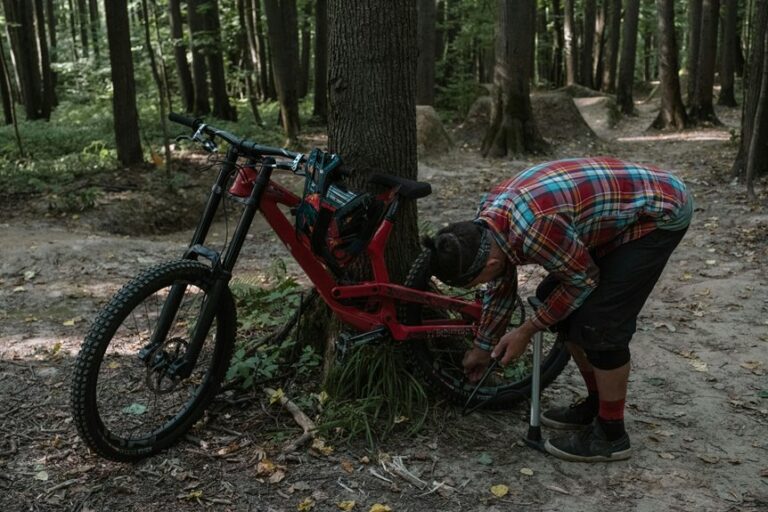

Smart mountain bike features help riders climb, descend, and stay in control with less strain. Motor support gives you extra power on steep hills. Smart suspension, traction help, and ride data make rough trails feel smoother. GPS guidance, battery checks, and emergency alerts add confidence on every ride.
What Smart Mountain Bike Features Do
Smart mountain bike features do more than make the ride feel fancy because they help you climb, steer, and stop with far less stress.
You get motor support that eases steep pushes, so you can save energy for the fun part: choosing your line. With trail route guidance tools, you can follow routes without second-guessing turns, and that keeps you in the flow with your group.
Smart displays also show battery status and performance data, so you know while to pace yourself. Plus, maintenance prompts tell you while to check tires, brakes, and bolts before small issues turn into trail drama.
Together, these features help you ride with more confidence, stay connected to the trail, and feel like you belong out there, even on tough days.
How Smart Suspension Smooths Rough Trails
If the trail turns rocky, suspension becomes the part of the bike that keeps the ride from feeling like a full-body wrestling match.
You feel the difference fast when the fork and rear shock work together to soften hits, so your hands stay calmer and your legs don’t tense up.
Smart suspension adds trail vibration damping, which cuts the buzz that can wear you down on long rides.
It also gives you better root impact absorption, so wet roots and sharp edges don’t jolt you off line.
Because the bike settles quickly after each hit, you can hold your line with more confidence.
That steady feel helps you stay relaxed, ride with your crew, and enjoy rough sections instead of bracing for every bump.
How E-Assist Helps on Steep Climbs
Whenever the climb gets steep, e-assist can feel like a quiet push at your back, and that changes everything. You still pedal, but the motor adds a steady torque lift that helps you keep moving as the grade bites hard.
That support can turn a scary wall into a climb you can handle with calm breathing and better balance. As you rise, you save energy, so your legs stay ready for the next pitch instead of burning out sooner.
Just as crucial, you gain hill confidence because you’re not fighting the bike alone. You can stay focused on line choice, traction, and body position, which makes the whole climb feel more controlled. With e-assist, steep trails start to feel less like a test and more like your space.
How Smart Shifting Improves Trail Efficiency
Smart shifting helps you stay in the right gear without extra effort, so your ride feels smoother and less tiring.
It adapts to changing trail conditions, giving you better control on climbs and descents.
That means you can keep your rhythm, save energy, and focus more on the trail ahead.
Adaptive Gear Changes
As the trail changes under your tires, adaptive gear changes help you stay in the right rhythm without the usual stop-and-start struggle. You feel the bike read the ground, then shift before your legs bog down. That smooth gear ratio timing keeps your cadence steady, so you can keep moving with confidence and feel part of the flow.
With automated derailleur response, the drivetrain reacts fast whenever the trail gets loose, choppy, or uneven. You don’t waste energy guessing the next move, and your ride feels more connected. Because the bike handles those small changes for you, you can focus on line choice and comfort. It’s like having a quiet teammate who knows whenever to help, so you fit right in on every mile.
Climb And Descent Control
As the trail tilts hard upward, smart shifting helps you stay calm and keep moving instead of grinding yourself into the dirt. You feel the bike read the slope, then pick a gear that matches your effort. That means less leg burn, cleaner traction, and more energy for line choice. On the way down, the system keeps you ready for quick changes, so your brake modulation stays smooth and your descent confidence grows. You and your riding crew can flow through rough turns without that panicked overcorrection.
| Trail feel | Smart shift | Your result |
|---|---|---|
| Steep climb | Low gear | Steady cadence |
| Rocky dip | Quick drop | Better balance |
| Loose descent | Ready setup | More control |
With that support, you belong on harder trails.
How Smart Features Improve Bike Control
Traction control systems help you keep your line when the trail gets loose, wet, or steep.
At the same time, adaptive suspension tuning adjusts how your bike reacts to rocks and roots, so you stay balanced instead of getting bounced around.
Together, these smart features give you steadier control, more confidence, and a smoother ride whenever the terrain tries to throw you off.
Traction Control Systems
Because trail grip can change in a split second, smart mountain bikes use traction control systems to help you stay steady and in charge. You feel the bike read wheel slip detection in real time, then ease power before the rear tire spins out.
That means you keep moving on loose terrain grip, even as the trail turns to gravel, dust, or wet dirt. Instead of fighting the bike, you work with it, and that can feel like riding with a calm partner on your side.
The system also smooths sudden surges, so your steering stays cleaner on climbs and corner exits. As a result, you can trust the bike more, worry less, and enjoy tough trails with a little extra confidence and a lot more control.
Adaptive Suspension Tuning
How does a bike stay calm as the trail turns wild? With adaptive suspension tuning, you feel your bike read the ground and react with you. Smart sensors adjust suspension damping in real time, so roots, rocks, and drops feel less harsh. That keeps your line steady and your hands relaxed.
| Trail feel | Smart response | Your benefit |
|---|---|---|
| Small chatter | Softens fast | More trail compliance |
| Big hits | Firms up | Better control |
| Climbing | Reduces bob | Saves energy |
| Cornering | Stays stable | More grip |
Because the system shifts as the terrain changes, you ride with more trust and less panic. You don’t fight the bike; you belong with it. On rough climbs and fast descents, that shared rhythm can turn a tense ride into one you actually enjoy.
Why GPS Tracking Matters Off-Road
Have you ever rolled into the backcountry and felt that small knot of worry in your stomach? GPS tracking eases that feeling by keeping you connected whenever trails twist, fade, or split.
If you miss a turn, route recovery helps you get back fast, so you stay with your group instead of guessing at landmarks. It also supports theft recovery, because a tracked bike is much easier to find if someone takes it. That matters whenever you park at a trailhead or stop for water.
You don’t have to feel alone out there. Instead, you ride with a quiet layer of backup that protects your expedition and your gear. With GPS on board, you can investigate farther and still feel like you belong on the trail.
How Ride Data Helps You Pace Better
Your ride data shows you how hard you’re working in real time, so you can back off before you blow up on a climb.
It also helps you pace smart on steep sections by showing as to push, as to hold steady, and as to save energy for later.
With that feedback, you don’t just ride the hill, you manage it with more control and a lot less guesswork.
Real-Time Effort Tracking
As soon as you can see your effort in real time, pacing a smart mountain bike ride gets a lot less guesswork and a lot more control. You ride with heart rate monitoring, so you know when your body is pushing hard or staying steady. Then calorie burn gives you a simple way to judge how much work you’ve done without waiting until the trail ends.
That matters when you want to feel in sync with your group and avoid fading prematurely. Because the display updates as you ride, you can ease off a bit, settle into a smoother rhythm, and keep your energy for the fun parts. In other words, the data helps you stay aware, ride smarter, and keep up with confidence.
Smart Climbing Pacing
As the trail starts pointing uphill, ride data can save you from burning out too soon. You see your speed, cadence, and power in real time, so you can settle into a rhythm that feels strong, not frantic. That’s how cadence pacing turns a hard climb into a ride you can own.
- Watch your cadence and keep it smooth.
- Use assist levels to protect your legs.
- Check power spikes before they drain you.
- Save extra effort for the steepest pitches.
With this kind of feedback, you don’t guess, and you don’t get left behind because of your own excitement.
Instead, you join a smarter pace that helps you climb with confidence. Better energy conservation means you arrive at the top ready for the next trail, not begging for mercy.
How Battery Management Extends Range
Smart battery management is one of the biggest reasons an e-bike can take you farther on a single ride. You feel the gain when your bike uses power smoothly, so you can stay with the group and enjoy the trail. Strong battery health strategies and charging cycle basics help the pack hold energy longer. Small choices matter, like avoiding full drains and heat.
| Habit | Range gain |
|---|---|
| Keep charge between rides | Steady output |
| Use lower assist on flats | More miles |
| Shift sooner on climbs | Less strain |
| Store in cool shade | Longer life |
| Charge before it hits zero | Better health |
When you ride smart, the motor works with you, not against you. That teamwork helps you discover farther without feeling worn out.
How Connectivity Can Aid Emergencies
Even on a calm trail, a sudden problem can turn a fun ride into a scary one, and that’s where connectivity can make a real difference.
Whenever your bike sends emergency alerts, you can share your location fast, even though you’re shaken or hurt.
That link helps your crew and rescue teams act sooner, which can speed rider rescue and cut panic.
- You can trigger help with one touch.
- Your exact trail spot can reach responders.
- Your riding group can stay informed.
- Your phone and bike can work together whenever signals fade.
Why Smart Features Make Riding More Fun
Because the bike does some of the hard work for you, riding starts to feel more playful and less punishing. You can push into climbs without dreading every steep pitch, and that lift gives you a real confidence surge.
Then the smart display and assist modes help you pick the right support, so you stay in rhythm instead of fighting the trail. As a result, you notice more of the fun stuff: cornering, swapping lines, and sharing laughs with friends at the top.
Better traction, smoother power, and steadier control also make rough ground feel less scary. That extra ease builds trail enjoyment because you’re not just surviving the ride. You’re joining the flow, and every mile feels like part of your crew.
Frequently Asked Questions
How Do Smart Mountain Bikes Perform in Mud and Snow?
Smart mountain bikes help you handle mud and snow with traction monitoring that stays active and weather sealing that shields key components. You get smoother power delivery, stronger grip, and fewer slips on difficult trails.
What Motor Power Is Best for Steep Off-Road Climbs?
A 500W motor is a strong choice for steep off-road climbs because it delivers solid power and helps maintain climbing performance on rough trails. It can make difficult ascents easier and give you more control when riding with your group.
Can Smart Features Help Prevent Crashes on Technical Descents?
Yes, they can. Suspension tuning softens sharp impacts, and descent alerts give you early warnings before steep sections. With those tools, you can stay steadier, manage risk better, and handle technical trails with more confidence.
How Do Hydraulic Disc Brakes Improve Off-Road Safety?
Hydraulic disc brakes give you precise stopping power on loose trails by improving brake modulation and shedding heat more effectively. That means steadier control on steep descents, better performance in wet or rough conditions, and more confidence when riding off-road with others.
What Tire Types Work Best on Loose Trail Surfaces?
Fat tires dig into loose trails, while aggressive mountain bike treads hold traction and stay stable on sand, gravel, and mud. Your bike handles rough paths better when tread design and rubber compound match the surface.