
Smart bike gear customization changes how your ride feels, how hard you work, and how safe you are. Small tweaks to assist levels, shifting, lights, and controls can make the bike fit your route better. Matching those settings to your body and goals creates a smoother ride. The result feels far more personal from the start.
What You Can Customize in Smart Bike Gear
Once you start customizing smart bike gear, you can shape far more than just how the bike looks. You can tune assist levels, choose eco, normal, or sport power, and fine-tune power tuning for hills or harder workouts.
Next, you can set shifting profiles that match your cadence, with AUTO SHIFT, manual control, or FREE SHIFT for coasting. Then you can adjust torque, start assist, and ride modes for trail, road, or city use.
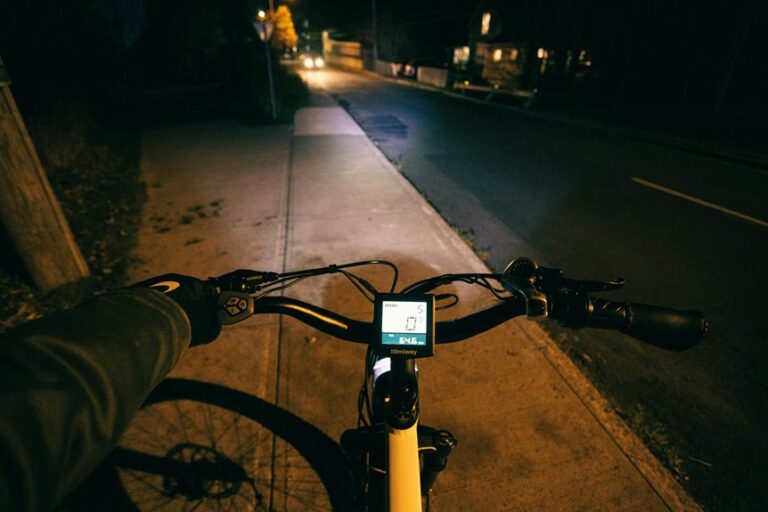
You can also pair the bike with an app or display to check battery, speed, and distance without breaking your rhythm. If you care about comfort, you can raise the saddle, move the bars, and swap in better grips or a supportive seat so your ride feels like it was made for you.
Define Your Bike Setup Goals First
Before you touch a single setting, get clear on what you want your bike to do for you. Your ride goals shape every choice, from calm commuting to hard training to weekend fun with friends.
If you want easier hills, lean toward more support and smarter power tuning. If you want more sweat, lower assistance and keep the motor quiet. Then consider about the feel you like most. Do you want smooth starts, quick response, or steady help that fades into the background?
Write down three priorities, such as range, comfort, and speed, so your setup stays focused. Whenever you know your goal, you can choose settings that match your ride, and you’ll feel more at home on every mile.
Choose the Right Bike Fit
A good bike fit can turn a stiff, tiring ride into one that feels natural and easy.
You deserve that kind of comfort. Start with bike frame sizing, because the right frame gives you room to move without feeling cramped or stretched out. Next, check your inseam measurement, since it helps match your legs to the bike’s size and keeps your posture balanced. Once these two numbers line up, you’ll feel more stable and confident on the road or trail. You won’t have to fight the bike, and that makes every mile feel more welcoming.
Should you ride with friends, a proper fit also helps you keep pace with less strain. That means more fun, less doubt, and a setup that feels made for you.
Adjust Saddle and Handlebar Position
You can make your ride feel much easier once you set saddle height initially, because it shapes how power and comfort work together.
Then adjust handlebar reach so your arms stay relaxed and your upper body doesn’t feel stretched or cramped.
After that, fine-tune your posture until you feel steady, supported, and ready to ride longer with less strain.
Saddle Height Basics
As soon as your saddle height is set right, the whole bike starts to feel easier and more natural, and that can make a big difference fast. You can use a simple saddle height measurement: sit on the bike, place your heel on the pedal, and keep your leg almost straight at the bottom. Then make a small seat tube adjustment and test again. Once you’re close, your knees stay calm and your hips don’t rock.
| Check | What you want | Why it helps |
|---|---|---|
| Heel on pedal | Almost straight leg | Smooth leg reach |
| Pedal stroke | No hip sway | Better comfort |
| Short ride | Easy, steady feel | Confident fit |
If it still feels off, move the saddle a little more and ride with your crew. Small changes can make you feel right at home.
Handlebar Reach Setup
Once your saddle height feels right, the next comfort check is handlebar reach, because your upper body should feel just as settled as your legs. You want your cockpit length to match your frame, so your arms can relax and your shoulders can stay open. Start with a small reach adjustment, then test how your hands rest on the grips.
If you feel stretched, you’ll carry tension fast. If you feel cramped, you might lose easy control. Move the saddle or handlebars in tiny steps until the fit feels natural and welcoming.
Then ride a short stretch and notice whether you can breathe calmly and steer without effort. That balanced feeling matters, because it helps you feel at home on the bike, not like you’re borrowing it.
Fine-Tune Riding Posture
While the bike still feels a little off after reach is set, saddle and handlebar position can make the whole ride feel calmer and more natural.
You should start with saddle height, then nudge it until your knee stays softly bent at the bottom of each pedal stroke. After that, tilt the saddle so your hips stay steady and your weight feels shared, not pushed. Next, raise or lower the handlebar until your shoulders relax and your hands stop gripping too hard.
These small changes improve posture alignment and support better riding ergonomics. Whenever your setup fits you, you’ll breathe easier, move smoother, and feel like you belong on the bike, not fighting it. Then every mile feels friendlier, and your body thanks you quietly.
Match a Smart Helmet to Your Ride
A smart helmet should match how and where you ride, because the right setup can make every trip feel safer and calmer. You want helmet fit that feels snug, not tight, so it stays steady when you turn your head or hit rough pavement.
Provided that you commute in traffic, choose a model with clear lights and easy controls, so other riders and drivers notice you faster.
For longer rides, pick one with strong ventilation to keep you cool and focused.
Provided that you ride with a group, a helmet with crash detection can alert someone fast after an impact.
Then you can roll out with more confidence, aware that your gear fits your pace, your route, and your crew.
Pick the Sensors That Matter Most
Smart sensors can take a lot of the guesswork out of riding, so it helps to choose the ones that match how you actually use your bike.
Start with sensor selection by asking what you want to know most: speed, cadence, power, or heart rate.
If you ride for fitness, power and cadence help you track effort and growth. If you commute, speed and distance may matter more. For long rides, battery and range data keep you calm and ready.
Your data priorities should guide every choice, because extra gadgets can feel noisy fast.
Pick a few reliable sensors, then build from there. That way, your setup feels like it belongs to you, and you can ride with more confidence, less stress, and a lot more fun.
Customize Lighting for Safer Rides
You can make your bike lighting smarter with adaptive light modes that shift with your speed, route, and road conditions.
Whenever you ride in traffic or low light, a daytime visibility enhancement helps other people spot you faster, which can calm your nerves a bit.
With the right setup, your lights work for you instead of you having to consider them every minute.
Adaptive Light Modes
As daylight fades, adaptive light modes can make your ride feel much calmer and safer. You can tune adaptive beam settings to widen your view on rough paths or narrow it whenever you want a focused line ahead. Then, motion responsive headlamp modes help the light react as you turn, slow down, or climb, so you’re not guessing in the dark.
Because the system changes with your pace, you feel more in control and less alone on the road. You can also choose softer, stronger, or automatic patterns that match your route and comfort.
That small bit of personalization matters, since it helps your gear feel like it was built for you. And yes, your front light can finally stop acting like it’s having its own little drama.
Daytime Visibility Boost
In bright daylight, your bike’s lights still matter more than you might suspect. You enhance daylight visibility upon you set front and rear lights to flash or steady glow, so drivers catch your shape sooner. Pair that with reflective accents on your frame, helmet, and bags, and you build a stronger daytime presence.
| Setting | Best Use | Result |
|---|---|---|
| Flash mode | Open roads | Stronger noticeability |
| Steady mode | Busy streets | Clearer bike outline |
| Reflective accents | Shade and glare | Extra side visibility |
Next, match brightness to your route, because a commuter lane needs a different feel than a quiet path. You’ll ride with more calm, and your group will feel more connected, too. Small tweaks like these make your setup feel smart, personal, and ready.
Set Up App Controls for Real-Time Use
Tap into your bike’s app controls before you roll out, because real-time adjustments can make every ride feel smoother and more under your control.
Set your app shortcut controls so one tap changes assist, shifts, or display views fast. Then use live ride widget customization to keep speed, battery, and cadence where you can see them without digging through menus.
Should you like a steady feel, save your favorite screen layout and power mode ahead of time. Should the road changes, you can switch settings in seconds and stay with the group.
You’ll feel more confident while the controls match how you ride, not the other way around. A few smart tweaks now can make the whole ride feel like it fits you better.
Build a Smart Bike Setup for Commuting
For your commute, start with the gear you’ll use every day, like reliable lights, a sturdy lock, full fenders, and a bag or rack that keeps your hands free.
Then link your bike to connected safety features so you can check battery life, get ride data fast, and stay visible in traffic.
With the right setup, you’ll feel more in control and a lot less rushed as the road gets busy.
Essential Commuting Gear
Where you build a smart bike setup for commuting, the gear you choose should make every ride easier, safer, and less stressful. Start with a helmet that supports helmet charging, so your light stays ready without extra fuss.
Add panniers or a backpack with a rain cover, because dry gear helps you arrive calm and collected. Choose gloves that grip well and block chill, and pick shoes that feel good where you walk into work.
A bright front light and rear light help you blend in with busy streets while still standing out. Then carry a small lock, a phone mount, and a compact pump.
With these essentials, you feel prepared, part of the daily ride crowd, and ready for whatever the commute brings.
Connected Safety Features
Your commuting setup feels much calmer once your bike can help watch your back, and connected safety features do that job well. You ride with more confidence whenever fall detection can sense trouble and send emergency alerts fast. That quick message can reach your phone or trusted contacts, so you’re not left alone after a crash.
Next, smart lights and turn signals help drivers notice you in busy traffic, which makes every lane change feel less tense. You can also link your bike to an app that tracks location and shares it during the ride.
Together, these tools build a safer, more connected commute. They don’t replace caution, but they do give you backup that fits right into your daily routine and your riding crew.
Optimize Smart Gear for Training
Tuning smart gear for training can turn a decent ride into a much sharper workout. You can set assist levels to match your plan, so hard climbs feel manageable and easy spins stay honest.
For interval training, lower motor help during efforts, then raise it for recovery. That keeps your legs working and your pace clear.
Next, use cadence control to hold a smooth rhythm. Automatic shifting profiles can keep you in the right gear, while manual mode lets you stay in charge whenever you want a tougher set.
Your display and app help you track speed, distance, and battery life, so you can adjust on the fly. With the right setup, you ride with purpose and feel like you belong in every session.
Make Adventure Rides More Comfortable
You can make adventure rides feel much easier by setting your bike up to fit your body initially. Adjust the saddle, handlebars, and grips so you stay relaxed on rough roads, and pick gear that cushions your body whenever the trail gets bumpy.
Small comfort changes can turn a long ride from tiring into genuinely fun.
Ergonomic Fit Adjustments
A well-fitted bike can turn a rough trip into a smooth, enjoyable ride, because small body adjustments make a big difference over long miles. You’ll feel that shift when you set your saddle height so your knees move freely and your hips stay steady.
Then fine-tune your handlebar reach so your shoulders relax and your posture alignment stays natural.
Next, check contact point comfort at your hands, seat, and feet, since pressure in one spot can drain your energy fast. Small changes to grip angle, seat tilt, and crank position help you fit the bike, not fight it.
If your setup matches your body, you ride with less strain and more confidence, and the trail feels a lot more like your place.
Comfort-Boosting Gear Choices
Once your bike fit feels right, the next big comfort win comes from the gear you choose, because the right setup can save your body on long, bumpy rides. You’ll feel it fast whenever your saddle, gloves, and seat post work together like a small comfort crew.
| Gear | What it helps | Best feel |
|---|---|---|
| Suspension seat post | Cuts trail chatter | Smooth hips |
| Padded gloves | Ease hand strain | Softer control |
| Saddle cover | Adds relief on climbs | Less pressure |
| Frame bag padding | Stops gear rub | Quiet movement |
Choose suspension comfort for rough paths, and add grip padding so your hands stay relaxed whenever the ride gets shaky. That way, you can stay in the moment, enjoy the views, and ride with your people instead of fighting sore spots.
Get the Right Mix of Battery Life and Connection
Getting the right mix of battery life and connection can make your smart bike setup feel smooth instead of stressful. You want your gear to stay linked without draining power fast. That’s where battery connection tradeoffs come in.
Stronger connections often use more energy, while lighter settings may save charge but need a little patience. If you ride long days, choose low power pairing modes so your display and app keep talking without pulling too hard on the battery. You can also trim background syncing and wake features when you don’t need them.
Then check connection strength before you roll out, so your ride feels like part of the group, not a guessing game. With a few smart choices, you keep support steady and your battery ready.
Fix Common Setup and Sync Problems
If your smart bike setup starts acting stubborn, don’t worry, because most sync problems come from a few fixable habits. First, check that your phone, display, and sensors are all close, charged, and updated. Then, turn Bluetooth off and back on, because that simple move often clears ghost connections.
Next, follow the firmware reset steps if the app keeps freezing or refusing to pair. After that, try pairing error fixes by removing old device links, then reconnecting one item at a time. You can also restart the bike system and your app together, which helps them meet on the same page.
If things still feel off, clean the sensor area and try again. You’re not behind. You’re just one careful reset away from a smoother ride.
Upgrade Your Smart Bike Gear Over Time
As your riding needs change, your smart bike gear should change with them too, because the right upgrades can make every ride feel easier, safer, and more fun.
Start with upgrade sequencing, so you fix the parts that affect comfort and control first. A better saddle, grips, or seat post can calm sore spots fast.
Next, add app-linked display tools and power settings that match your hills and fitness goals. After that, look at motor, battery, and shifting changes, but check future proof compatibility before you buy. That way, your parts still work well together later.
Whenever you upgrade in steps, you stay in the pack, save money, and build a setup that feels like yours, not just a random mix of parts.
Frequently Asked Questions
How Do I Customize Automatic Shifting Profiles for Different Riding Scenes?
Customize automatic shifting profiles by selecting terrain specific shifting profiles in your app, then adjusting AUTO SHIFT, FREE SHIFT, and cadence targets for each riding scene. This creates ride cadence settings tailored to your preferences.
Can I Adjust Motor Torque and Start Assist Through the Bike’s App?
Yes, you can often adjust motor torque and start assist in the app, though app control limits vary by model. You can fine tune the bike’s power delivery to match your ride and your group.
What’s the Difference Between AUTO SHIFT and FREE SHIFT Modes?
Auto shift changes gears as you pedal, using tuned shift timing to keep your cadence steady. Free shift lets you change gears while coasting, so you can choose a gear without pedaling and preserve speed.
Which Performance Upgrades Affect Battery Range the Most?
Battery capacity has the biggest effect on range, while improving battery efficiency and using lower assist levels can help each charge last longer. You can ride farther by matching upgrades to your riding style and focusing on changes that improve range.
How Can I Fine-Tune Pedal Assist for Hills Versus Flat Roads?
Set low assist on flats to match your cadence, then increase it for climbs with hill tuned support. You will conserve battery, keep a smooth pedal rhythm, and stay comfortable on any road.